Sun Salutation A
Sūrya Namaskāra A (source)
Not yet reviewed by a qualified teacher · Names and order checked against 5 sources
- Also called
- Sun Salute A, Sun Salutation A, Surya Namaskar A, Surya Namaskara A
- Tradition
- Ashtanga vinyasa yoga (K. Pattabhi Jois lineage, Mysore)
- Order
- Fixed, traditional order
- Level
- Intermediate
- Approximate duration
- about 5 minutes
- Focus
- Style-specific
- Audience
- Experienced
- Props
- Block, Mat
Fixed order: the tradition named here practises these steps in this order.
Origin and source
Taught by K. Pattabhi Jois as the first of two sun salutations that open Ashtanga practice; described in his book Yoga Mala and in lineage teaching material such as AshtangaYoga.info (Dr. Ronald Steiner). The wider history of sun salutations is on the overview page; we do not claim an age for this specific order.
Who it is for
For people who already move comfortably through plank, chaturanga (or a knees-down version), upward-facing dog and downward-facing dog. Beginners: learn the beginner sun salutation first or step and lower the knees.
The steps in order
Version shown: Ashtanga order with nine vinyasa counts, breath and five breaths in downward dog, as published by AshtangaYoga.info (Vinyasa sheet, 2004) and consistent with the Wikipedia summary of the Ashtanga practice
| # | Step | Count | Breath | Hold | Cues and options |
|---|
| 1 | 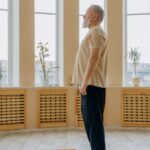 Samasthiti (equal standing)
Tāḍāsana | | Free breathing | | Transition: Stand with feet together, arms by the sides; start the round on an inhale. Easier option: Feet hip-width apart if balance is a concern. |
| 2 |  Arms up
Ūrdhva Hastāsana | 1 (Ekam) | Inhale | | Transition: Sweep the arms up, palms together, gaze to the thumbs. Easier option: Keep the arms apart if the shoulders are tight. |
| 3 | 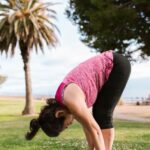 Standing forward fold (Uttanasana)
Uttānāsana | 2 (Dve) | Exhale | | Transition: Fold forward from the hips, hands beside the feet. Easier option: Bend the knees as much as you need; hands on blocks. |
| 4 | 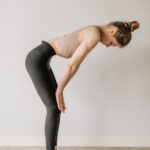 Head up (half lift)
Ardha Uttānāsana | 3 (Trīṇi) | Inhale | | Transition: Lengthen the spine and look forward. Easier option: Hands on shins or blocks. |
| 5 | 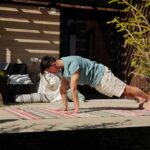 Jump or step back to Chaturanga Dandasana
Caturaṅga Daṇḍāsana | 4 (Catvāri) | Exhale | | Transition: Jump or step back and lower in one movement, elbows close to the ribs. Easier option: Step back one foot at a time; lower with the knees down, or lower all the way to the floor. |
| 6 | 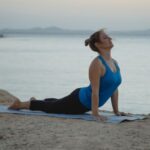 Upward-facing dog
Ūrdhva Mukha Śvānāsana | 5 (Pañca) | Inhale | | Transition: Roll over the toes, straighten the arms, lift the chest. Easier option: Cobra with the hips on the floor. |
| 7 | 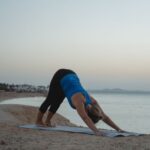 Downward-facing dog
Adho Mukha Śvānāsana | 6 (Ṣaṭ) | Exhale | 5 breaths
Ashtanga (AshtangaYoga.info vinyasa sheet; Yoga Mala) | Transition: Roll back over the toes and lift the hips; gaze toward the navel. Easier option: Bend the knees to keep the back long. |
| 8 | Jump or step forward, head up
Ardha Uttānāsana | 7 (Sapta) | Inhale | | Transition: At the end of the last exhale, bend the knees, look between the hands and jump or step forward; lift the head on the inhale. Easier option: Walk the feet forward in several steps. |
| 9 | Standing forward fold
Uttānāsana | 8 (Aṣṭau) | Exhale | | Transition: Fold. Easier option: Knees bent. |
| 10 | Rise, arms up
Ūrdhva Hastāsana | 9 (Nava) | Inhale | | Transition: Come up with a long spine, arms overhead. Easier option: Rise with bent knees and hands on the hips if dizzy. |
| 11 | Samasthiti
Tāḍāsana | | Exhale | | Transition: Lower the arms; begin the next round. Easier option: Pause for a few breaths between rounds if needed. |
Left and right
Symmetrical: no left or right side. Teachers vary on which foot steps back first when stepping instead of jumping; alternate rounds to stay balanced.
Repetitions and counting
One round = the nine counts, starting and ending in Samasthiti (which is not counted). Ashtanga lineage sources give five rounds of A, then five rounds of B, at the start of each practice.
Props and adaptations
Step instead of jumping; bend the knees in every fold and use blocks under the hands; lower with the knees down or all the way to the floor instead of chaturanga; cobra instead of upward-facing dog; rest in child's pose between rounds.
Precautions
- Wrist, shoulder or lower-back problems: use the knees-down and cobra options, and ask a teacher.
- High blood pressure, glaucoma or a recent eye or head injury: forward folds and downward dog put the head below the heart; check with a health professional first.
- Pregnancy: avoid jumping and lying on the belly; learn a pregnancy-specific version with a qualified teacher.
- Move at the pace of the breath; stop if you feel dizzy or short of breath.
Learn it with a teacher: Learning the jumps and chaturanga with a teacher, in a led or Mysore-style class, helps avoid shoulder and wrist strain.
General information, not medical advice. Poses do not cure illness. If you are pregnant, injured or have a health condition, check with your doctor and tell your teacher before you practise.
Easier alternatives
Beginner Sun Salutation (https://yogavacation.com/practice-plans/beginner-sun-salutation/)
Gentle Standing Sun Salutation (https://yogavacation.com/practice-plans/gentle-standing-sun-salutation/)
Chair Sun Salutation (https://yogavacation.com/practice-plans/chair-sun-salutation/)
Sources
- Surya Namaskara A and B: vinyasa counts, breath, dristi, five repetitions (vinyasa sheet, updated 2004), AshtangaYoga.info (Dr. Ronald Steiner) (accessed October 6, 2026)
- Surya Namaskara A, AshtangaYoga.info (accessed October 6, 2026)
- K. Pattabhi Jois, Yoga Mala (North Point Press): book record, Google Books (accessed October 6, 2026)
- Ashtanga (vinyasa) yoga: five repetitions of Surya Namaskara A and B (citing Swenson 2000), Wikipedia (accessed October 6, 2026)
- Sun Salutation (Ashtanga A and B), Wikipedia (accessed October 6, 2026)
https://yogavacation.com/practice-plans/sun-salutation-a/ · printed October 19, 2026