Downward Dog: alignment, modifications and common mistakes

How to do downward dog with a long spine: step-by-step instructions, bent-knee and wall versions, wrist options, common mistakes and cautions.

Not yet reviewed by a qualified teacher Names and shape checked against 7 sources

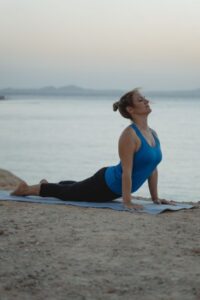
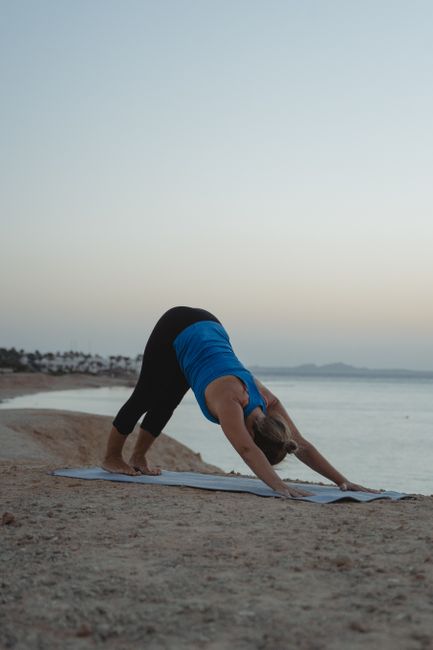
A woman performing yoga on a beach at sunset, embodying fitness and tranquility.
Sanskrit name
Adho Mukha Śvānāsana अधोमुखश्वानासन (source)
Also called
Downward-facing dog, Down dog, Downdog
Other spellings
Adho Mukha Svanasana
Pose family
Forward bend, Inversion, Standing
Movement
Forward fold, Inversion, Strength hold
Taught in
Aerial Yoga: How Hammock Yoga Works and Who It Suits, Chair Yoga: Seated and Chair-Supported Practice, Hatha Yoga: The Historical Term and the Modern Class, Hot Yoga: What It Is, Room Temperatures and Who It Suits, Vinyasa Yoga: Flow, Breath and What to Expect
Difficulty
Beginner
Body areas
Arms and wrists, Hamstrings, Shoulders, Spine
Props
Blanket, Block, Chair, Mat, Wall
Practised
Solo

Step by step

  1. Come onto your hands and knees. Place your hands slightly in front of your shoulders, shoulder-width apart, with the fingers spread wide.
  2. Press down through the whole hand, especially the knuckles at the base of the index finger and thumb, so the weight does not sink into the heel of the hand.
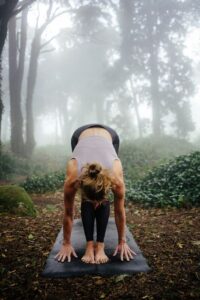
  3. Tuck your toes under. On an exhale, lift your knees and send your hips up and back.
  4. Keep your knees bent at first. Use the bend to tip your sitting bones up and lengthen your spine from the hands to the tailbone.
  5. Only then, if your back stays long, begin to straighten the legs a little and let the heels move toward the floor. It is fine, and common, for the heels to stay lifted.
  6. Let your head hang between your upper arms, neck relaxed, with your gaze toward your legs or navel.
  7. Breathe slowly for five breaths or more. To come out, bend your knees and lower them to the floor.

Alignment cues

  • Long spine first, straight legs second. A flat, long back with bent knees is better than straight legs with a rounded back.
  • Push the floor away. Press through the hands and draw the shoulders away from the ears so the neck has space.
  • Keep the elbows soft if they hyperextend. A tiny bend, with the inner upper arms gently firming, protects the joint.
  • Hips up and back. Imagine the sitting bones reaching for where the wall behind you meets the ceiling.
  • Feet hip-width apart, toes pointing forward, heels heavy but not forced.

Common alignment errors

  • Locking the knees straight and rounding the back to get the heels down.
  • Shoulders hunched up toward the ears, or the chest sinking toward the floor in very flexible bodies.
  • Weight dumped into the heel of the hand, which loads the wrist.
  • Hands too close to the feet, which shortens the pose; feet too far back, which turns it into a plank.
  • Craning the neck to look forward.

Modifications and props

  • Bent-knee dog: bend the knees a little or a lot. This is the right version for tight hamstrings or a sensitive lower back. none
  • Wall dog: stand facing a wall, hands on it at hip height or higher, and walk the feet back until the body forms an L. No weight on the wrists and no head-down position. wall
  • Chair dog: hands on the seat or back of a sturdy chair placed against a wall, for the same reasons. chair
  • Wrist options: turn the hands slightly out, place them a little wider, or put them on blocks to reduce the bend in the wrist. Coming down to the forearms (a pose often called dolphin) takes the wrists out completely but works the shoulders harder. block
  • Heel support: a rolled blanket under the heels, or heels against a wall, gives tight calves something to press into. blanket

Precautions

  • Wrist or shoulder injury, carpal tunnel symptoms or arthritis: use the wall or forearm version.
  • Glaucoma or other conditions where head-down positions are a concern: ask your doctor first; eye pressure rises briefly in this pose.
  • Pregnancy: adapt the pose and check with your health care provider.

General information, not medical advice. Poses do not cure illness. If you are pregnant, injured or have a health condition, check with your doctor and tell your teacher before you practise.

In short: downward dog (downward-facing dog) is an upside-down V shape: hands and feet on the floor, hips lifted high, head relaxed between the arms. The aim is a long spine, not straight legs or flat heels, so bend your knees as much as you need. It is part arm support, part stretch for the back of the body, and part gentle inversion.

If you take more than a couple of yoga classes, you will spend a lot of time in downward dog. It links poses together in flowing classes, it is a resting point in sun salutations and it shows up in almost every style. That makes it worth learning well. Most of the trouble people have with it, from aching wrists to a rounded back, comes from two habits: pushing the legs straight before the back is long, and letting the shoulders sink. This guide shows you how to build the pose from the ground up and how to adapt it.

Building a better downward dog

The step-by-step sections of this guide give the setup; the idea behind them is simple. Downward dog is a long line from the hands to the hips, then from the hips to the heels, and the first line matters more. When the backs of the legs are tight, straightening the knees pulls the pelvis down and rounds the back, so bend the knees first, lift the sitting bones, and only then see how far the legs want to straighten. Heels that stay off the floor are common and fine. At the other end, press the whole hand into the mat, especially the base of the index finger, and let the shoulders move away from the ears so the neck can hang freely.

If your wrists complain, shift a little more weight back toward your legs by bending the knees, try turning the hands slightly out or placing them on blocks, or take the wall version, with your hands on a wall at hip height and your body in an L shape. The wall version is also the one to use while you check with a doctor about any condition that makes head-down positions a concern.

The name and where the pose comes from

The Sanskrit name combines adho mukha, “face downward,” śvāna, “dog,” and āsana, posture (see asana in our glossary). Anyone who has watched a dog stretch after a nap will recognize the shape. The name is modern: the pose is not among the 15 postures of the 15th-century Hatha Yoga Pradipika. Yoga historian Mark Singleton has described finding Downward Dog and other familiar poses in an early 20th-century Danish gymnastics manual, one of several influences on the way yoga postures were taught in India in the 1920s and 1930s. It became central to modern practice through the sun salutation and the flowing styles that followed, including Ashtanga and vinyasa yoga. Our guide to the history of yoga puts this in context.

Wrists, eyes and other cautions

Downward dog puts weight on the wrists and shoulders, so use the wall or forearm versions if you have a wrist or shoulder injury, carpal tunnel symptoms or arthritis in those joints. The head is below the heart, which matters for some people: a small 2015 study published in PLOS ONE measured a quick rise in eye pressure during downward dog, in people with and without glaucoma, that returned to normal within two minutes of sitting up. The researchers said more work is needed on what that means over time. If you have glaucoma or another eye or health condition where head-down positions are a concern, ask your doctor first and use the wall version meanwhile.

In pregnancy, the shape may need adapting; see prenatal yoga and check with your health care provider. If you are newer to practice or returning after time off, our guide to yoga for older adults has gentler starting points. This is general information, not individual advice.

Preparation and what comes next

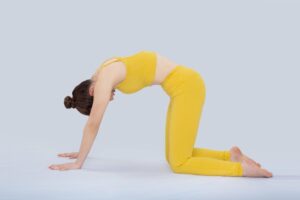
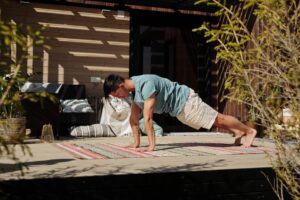
Warm up with a few rounds of cat-cow to move the spine and load the wrists gradually. From downward dog, flowing classes move forward into plank and chaturanga, then into upward-facing dog or cobra, and back again. Downward dog is also the usual entry to pigeon pose, and its forearm variation, often called dolphin, builds the shoulder strength that inversions such as headstand also need. To rest after it, lie down in corpse pose or come back to hands and knees.

To practice it in context, follow our step-by-step sun salutation or the short morning yoga plan. Many teachers ask for ujjayi breathing here; a slow, even breath through the nose is all you need to start. Browse more foundations in the pose directory and our list of beginner yoga poses.
Preparatory poses

Follow-up poses and transitions

Counterposes

Styles that use this pose

More forward bend poses

Frequently asked questions

Should my heels touch the floor in downward dog?

No, not necessarily. Many people have lifted heels for years, and that is fine. A long spine matters more than flat heels, so bend your knees and let the heels move toward the floor only as far as they go without the back rounding.

Why do my wrists hurt in downward dog?

Usually because the weight sinks into the heel of the hand. Spread the fingers, press through the knuckles, shift a little more weight back toward the legs by bending the knees, and try blocks under the hands or the wall version. If pain continues, see a health professional.

Is downward dog an inversion?

It is a mild one: the head is below the heart, although the feet stay on the floor. That is why people with glaucoma or other conditions where head-down positions are a concern should ask their doctor and use the wall version meanwhile.

What is downward dog called in Sanskrit?

Adho Mukha Svanasana (IAST: Adho Mukha Śvānāsana; Devanagari: अधोमुखश्वानासन), from adho mukha, face downward, śvāna, dog, and āsana, posture.

How long should I hold downward dog?

In flowing classes it is often held for about five breaths. Start there, with bent knees, and build up gradually. Come down to your knees whenever your shoulders or wrists tire.

Sources

  1. Downward-Facing Dog: How to Practice Adho Mukha Svanasana, Yoga Journal (accessed October 6, 2026)
  2. Monier-Williams Sanskrit-English Dictionary: adho-mukha, śvan, āsana, Cologne Digital Sanskrit Dictionaries, University of Cologne (accessed October 6, 2026)
  3. Downward Dog Pose (Devanagari and IAST spelling), Wikipedia (accessed October 6, 2026)
  4. The Origins of Yoga: Ancient + Modern Philosophies of the Practice, by Mark Singleton, Yoga Journal (accessed October 6, 2026)
  5. Hatha Yoga Pradipika, translated by Pancham Sinh (1914), chapter 1 on asanas, Internet Archive (accessed October 6, 2026)
  6. Intraocular Pressure Rise in Subjects with and without Glaucoma during Four Common Yoga Positions (Jasien et al., PLOS ONE 2015), PubMed (accessed October 6, 2026)
  7. Yoga: What You Need To Know, National Center for Complementary and Integrative Health (NIH) (accessed October 6, 2026)

Facts checked on October 6, 2026