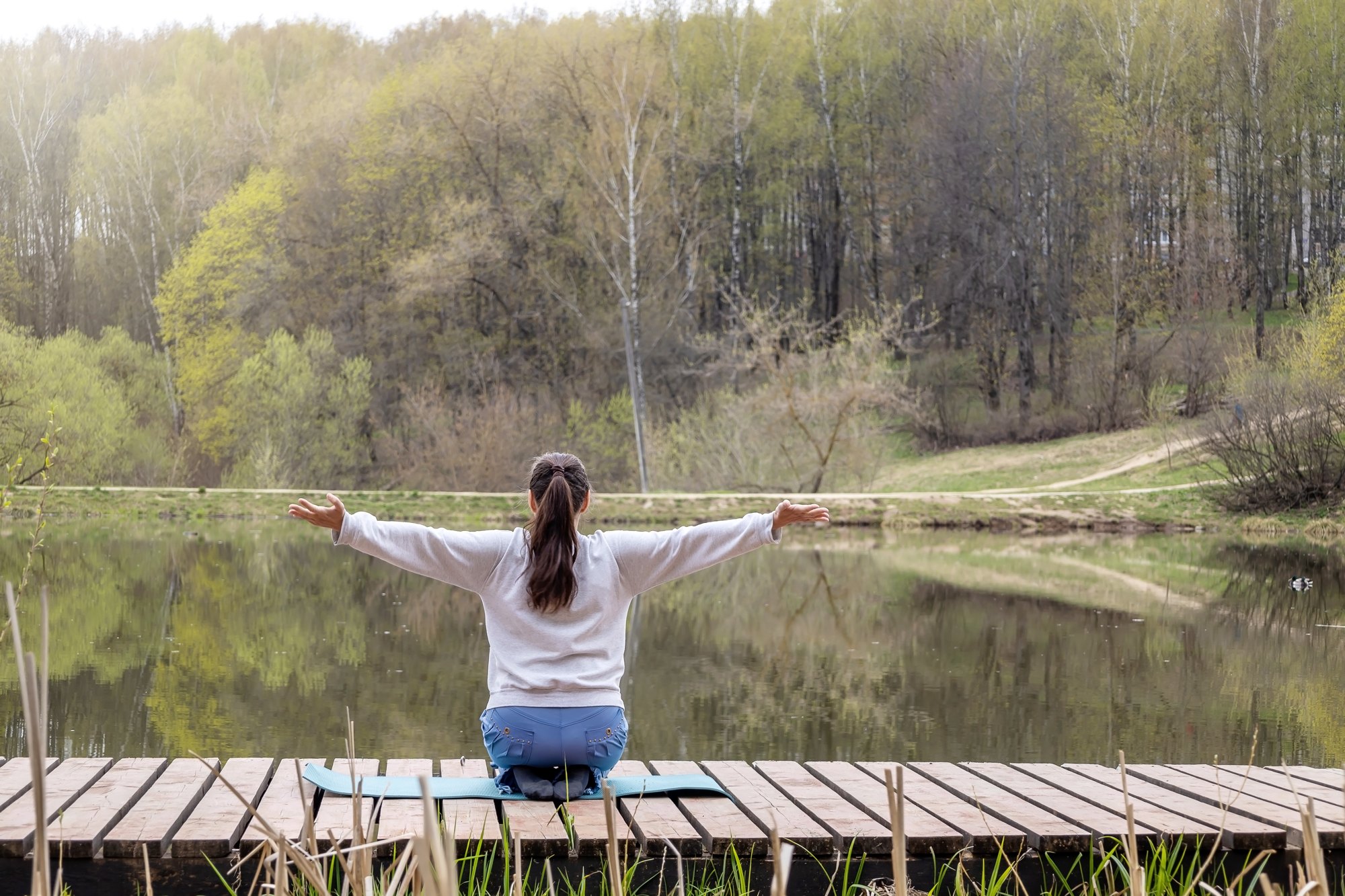
In short: Yoga rarely stands alone. Around the practice sit food, sleep, rest and traditional systems such as Ayurveda, and they matter even more on a retreat. This hub explains them in their cultural context, and keeps two things clearly apart: what a tradition teaches, and what scientific evidence shows.

Ask anyone back from a yoga retreat what they remember, and the answer is often not a pose. It is the food, the early nights, the massage on the third day, the quiet. This section of YogaVacation is about that wider circle of wellbeing around yoga: what people eat, how they rest, and the traditional systems, especially Ayurveda, that many retreats draw on. We write about these topics with respect for the traditions they come from, and with care about health claims. Everything here is general information, not medical advice; if you have a health condition, talk with your doctor before changing your diet, fasting or starting treatments.
Start here
- Understand the tradition. Read Ayurveda: history, core ideas and how it relates to yoga for the system behind many retreat menus and treatments.
- Learn to read claims. Our guide to wellness retreats explains what the evidence says about “detox” programs and how to spot red flags.
- Bring it home. Simple habits, such as regular sleep, a short evening practice and simple meals, are where most of the benefit lies; see bedtime yoga and building a consistent practice.
Tradition and evidence: how we separate them
Yoga and Ayurveda come with rich teachings about the body, food and energy. Some of those ideas, like regular routines and moderate eating, agree with ordinary health advice. Others, such as the doshas or the subtle-body channels of Hatha yoga, belong to a traditional way of describing experience and have not been confirmed by science. Both can be worth knowing about. To keep them apart, every guide in this section labels:
- Traditional teaching: what a text or tradition says, in its own terms (“in Ayurveda, pitta governs digestion”).
- Historical context: where and when an idea appears, and how it has changed.
- Scientific evidence: what studies have actually found, with their limits, from sources such as the U.S. National Center for Complementary and Integrative Health (NCCIH).
We do not describe any food, treatment or pose as curing, healing or detoxifying. You can read more about how we research and review in our editorial standards.

Ayurveda in context
Ayurveda is India’s traditional system of medicine, usually translated as “the science of life.” Many yoga retreats borrow from it: warm, simple meals, oil massages, daily routines and consultations about your “dosha.” Our Ayurveda guide covers its classical texts, its core ideas, how it shares philosophical roots with yoga, and what NCCIH and the FDA say about safety, including warnings that some Ayurvedic products have been found to contain lead, mercury or arsenic. The next step is our guide to the three doshas, vata, pitta and kapha, presented as traditional concepts.
If you are thinking of an Ayurveda-focused trip, read Ayurveda retreats for how to judge treatments and supervision, and our country guide to yoga in India.
Food at retreats and traditional ideas about eating
Food is one of the joys of a retreat, and one of the things most worth asking about before you book. Many retreats serve vegetarian or plant-forward menus; some are fully vegan, some follow Ayurvedic principles, and a few offer fasting or juice programs. Ask:
- What is a typical day’s menu, and how many meals are included?
- Can the kitchen handle allergies, intolerances and specific diets?
- Is drinking water safe and provided?
- Are there fasting or cleanse elements, and are they optional?
Yoga’s own texts have things to say about food. In the Bhagavad Gita (chapter 17), Krishna describes three kinds of food that match the three qualities of nature, the gunas: foods that bring strength, health and contentment; foods that are too sharp, hot or salty and bring unrest; and stale, spoiled food. Many modern teachers call the first kind “sattvic” food and recommend fresh, simple meals. Some practitioners also connect their diet with non-violence (ahimsa), the first of the five yamas in Patanjali’s Yoga Sutras, which commentators single out for special attention. These are teachings within the tradition and a matter of personal choice, not medical prescriptions.
On “detox” diets and fasting, the evidence is thin and some practices carry real risks; NCCIH notes that fasting can cause headaches, fainting, weakness and dehydration. Our wellness retreats guide covers this in detail.
Sleep and rest
Rest is not an extra; it is half of what a retreat is for. The U.S. National Heart, Lung, and Blood Institute says experts recommend that adults sleep 7 to 9 hours a night, and that adults who regularly sleep less than 7 hours may have more health problems. Many people arrive at a retreat short of sleep, and the early classes, fresh air and absence of screens can make a real difference to how rested they feel.
Yoga has been studied for sleep, too. NCCIH reports that yoga has been helpful for sleep in multiple studies, including studies of people with cancer, women with sleep problems and older adults. That is encouraging, though it is not a treatment for sleep disorders; if you have persistent insomnia, see a doctor.
Practices that many people find restful:
- Yoga nidra: a guided practice of deep rest, done lying down.
- Restorative yoga: supported poses held for several minutes.
- Diaphragmatic breathing: slow belly breathing, easy to do in bed.
- Bedtime yoga: a gentle 10-minute wind-down sequence.
Spa and complementary experiences
Massage, steam, sauna and other spa treatments are part of many retreats. Enjoy them for what they are: pleasant, relaxing and, for many people, a good complement to practice. Be cautious with heat if you are pregnant or have heart or blood pressure problems, and ask who gives the treatments and what training they have. Treatments marketed with medical promises deserve the same skepticism as any other health claim.
Yoga therapy
Yoga therapy generally means yoga practices tailored to one person’s health needs, rather than a general class. It is different from a yoga class and from a retreat, and training and standards for yoga therapists vary. We will cover what it is, how practitioners are trained and what to ask in a dedicated guide; in the meantime, if you have a health condition, start with your doctor and with our Yoga for You guides.
Keep exploring
- Ayurveda and the three doshas
- Wellness retreats and how to choose a yoga retreat
- Meditation and breathing exercises
- Yoga philosophy and personal growth
Frequently asked questions
What does wellbeing mean on YogaVacation?
The wider circle of habits around yoga practice: food, sleep and rest, spa experiences, and traditional systems such as Ayurveda. We explain them in their cultural context and separate traditional teachings from scientific evidence.
Do I have to be vegetarian to practice yoga?
No. Many practitioners choose vegetarian food, often linked to the principle of non-harm (ahimsa) and to traditional teachings about food in texts such as the Bhagavad Gita, but it is a personal choice. If you change your diet significantly, talk with your doctor or a dietitian.
Is Ayurveda part of yoga?
They are separate traditions that share philosophical roots and are often taught together at retreats. You can practice yoga without following Ayurveda. Our Ayurveda guide explains the history, core ideas and safety notes.
How much sleep do adults need?
The National Heart, Lung, and Blood Institute says experts recommend 7 to 9 hours a night for adults. Gentle evening practices such as yoga nidra, restorative yoga and slow breathing can help many people wind down, but persistent sleep problems need a doctor.
Are detox diets at retreats healthy?
The evidence for detox diets is weak, according to NCCIH, and some practices such as fasting, unpasteurized juices and colon cleansing carry risks. Simple, fresh meals and more sleep are a better way to think about a retreat. Check with your doctor before any fasting program.
Sources
- How Much Sleep Is Enough?, National Heart, Lung, and Blood Institute (NIH) (accessed October 6, 2026)
- Yoga: Effectiveness and Safety, National Center for Complementary and Integrative Health (NIH) (accessed October 6, 2026)
- "Detoxes" and "Cleanses": What You Need To Know, National Center for Complementary and Integrative Health (NIH) (accessed October 6, 2026)
- Ayurvedic Medicine: In Depth, National Center for Complementary and Integrative Health (NIH) (accessed October 6, 2026)
- Ayurvedic Medicine, University of Minnesota, Earl E. Bakken Center for Spirituality & Healing (accessed October 6, 2026)
- Yoga (the five yamas; ahimsa singled out by the commentators), Internet Encyclopedia of Philosophy (accessed October 6, 2026)
- The Song Celestial, or Bhagavad-Gita, chapter XVII (translated by Sir Edwin Arnold, 1885), Project Gutenberg (accessed October 6, 2026)
Facts checked on October 6, 2026