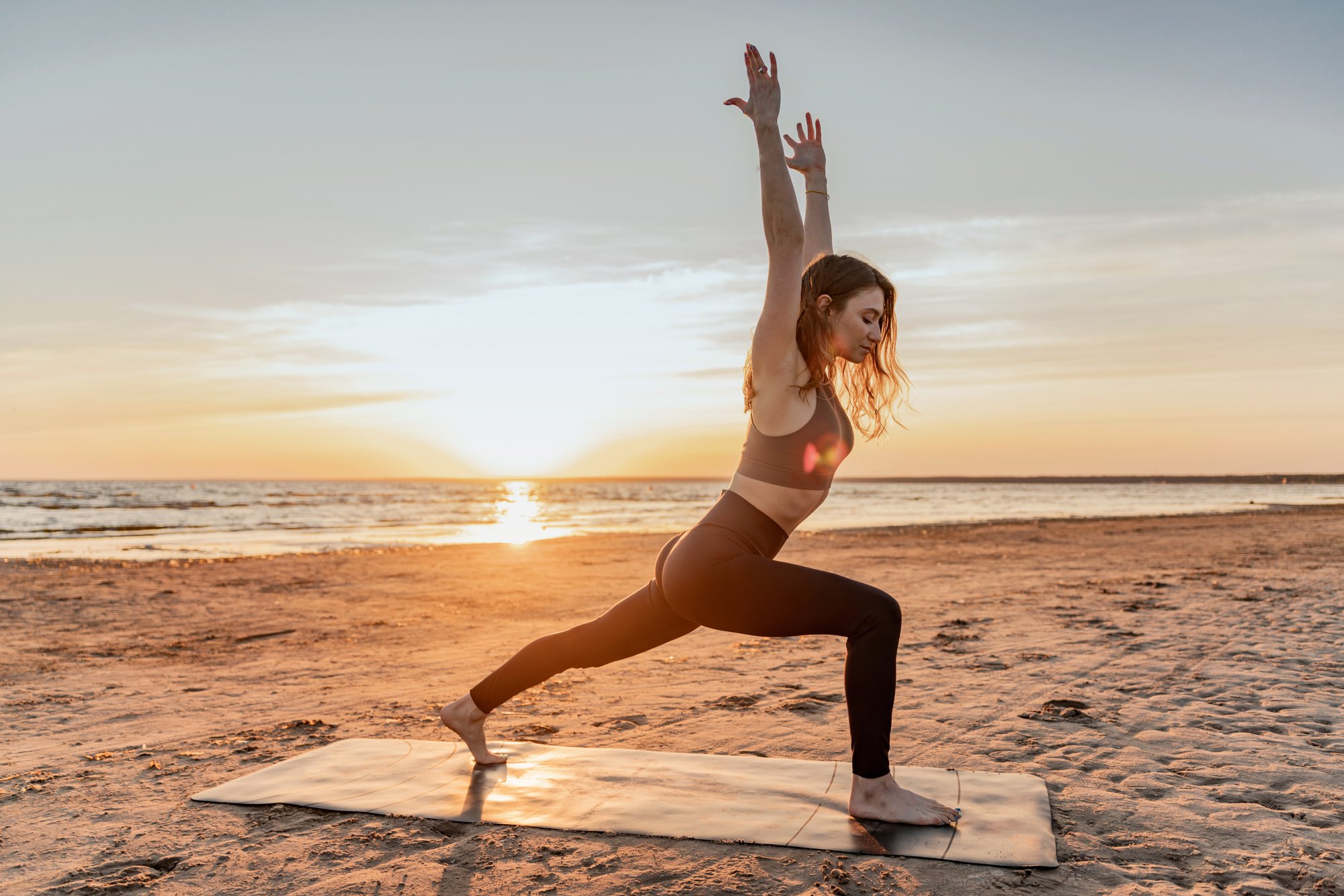
Whether you have never stepped on a mat or you are coming back after years away, this is the place to learn yoga one clear step at a time. Here you’ll find what yoga is and where it comes from, how to start, what happens in a first class, how to practice at home, and how to keep improving without getting hurt or bored.

In short: start by understanding what yoga is, then take a beginner class with a qualified teacher and learn a small set of foundation poses. Practice two or three times a week, add short home sessions, and explore breathing, meditation and different styles as you go. Progress in yoga is measured in steadiness and ease, not in how far you can bend.
Start here: three steps
- Understand what you’re starting. Read what is yoga for the meaning of the word, its history and what a modern class involves. Ten minutes of background makes the vocabulary in class far less mysterious.
- Make a simple plan. Our yoga for beginners guide helps you choose a style, lists the first poses to learn and gives you a four-week plan.
- Learn the foundation poses. Work through the beginner yoga poses, each linked to a full pose guide with steps, props and cautions.
Learn yoga: the foundations
Yoga covers much more than postures. The classical texts describe ethics, breath, concentration and meditation alongside physical practice, and most modern classes include at least breath and relaxation. A few foundations make everything else easier:
- Breath. Steady, unforced breathing is the thread through every style. Start with diaphragmatic breathing and explore the rest of our breathing exercises.
- Alignment and props. Good alignment means a position that is stable and comfortable for your body, not a picture to copy. Blocks, straps and blankets help you get there; see yoga blocks for how to use them.
- Rest. The final relaxation, corpse pose, is part of practice. Many people find it the part they value most.
- The language. Teachers often use Sanskrit names. Our yoga glossary explains terms like asana and namaste in plain English.
Your first class
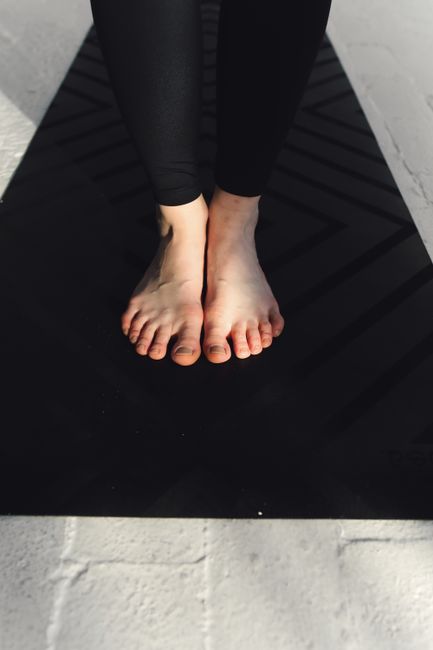
Most nerves come from not knowing what to expect. In brief: arrive ten minutes early, tell the teacher you’re new and about any injuries, take a spot where you can see the teacher, and rest whenever you need to. Our guide to your first yoga class covers what to wear and bring, basic etiquette, how a class unfolds and how you might feel afterwards.
Choosing the right class matters more than most people realize. Gentle hatha, Iyengar, yin and restorative classes are calm places to begin; fast or heated classes are better once you know your body a little. The types of yoga comparison shows them side by side.
Practicing at home
Home practice is how yoga becomes a habit. You don’t need much: a non-slip mat, a little floor space, and ten to twenty minutes. Some suggestions:
- Keep it short. A ten-minute session you actually do beats an hour-long plan you skip.
- Follow a plan. Our practice plans give ready-made sequences with times, levels and props, from a morning sequence to a bedtime wind-down.
- Learn one flowing sequence. The sun salutation is short, adaptable and used in many styles.
- Stay within what you’ve learned. Practice at home the poses a teacher has already shown you. The U.S. National Center for Complementary and Integrative Health notes that learning yoga entirely on your own, without supervision, has been linked to a higher risk of injury.
If you’d like gear advice, the yoga gear hub explains what is worth buying and what you can skip.
Studio, online or retreat?
Each has a place. A studio gives you a teacher who can see you and a community to practice with. Online classes are convenient and affordable; live classes where the teacher can see you are closer to a studio than recorded videos. A retreat gives you several days of focused practice away from daily routines. If that appeals, read how to choose a yoga retreat or browse yoga retreats for beginners.
Progressing: from beginner to steady practice
After a few months, many practitioners want to go deeper. A few natural directions:
- Learn more poses from the pose directory, filtered by level and body area.
- Try a second style. If you started with gentle classes, try a beginner vinyasa; if you started with flow, a yin or Iyengar class may surprise you.
- Explore breathing and meditation. Start with how to meditate, then look at pranayama.
- Read a little philosophy. The eight limbs of yoga show how posture fits into a wider practice.
- Build consistency. Our guide to building a consistent practice covers scheduling, tracking and getting past plateaus.
Progress rarely looks like a straight line. Some weeks you’ll feel stronger or more flexible; some weeks less. Steadier breath, better balance and feeling calmer after practice are all real progress.
Yoga for your situation
Some people need specific guidance: during pregnancy, later in life, with back pain or limited mobility. Our yoga for you guides cover these, starting with prenatal yoga and yoga for older adults. If you have a health condition, check with your doctor before you start and tell your teacher before class. Everything on this site is general information, not individual medical advice.
Mistakes and myths to leave behind
- “I’m not flexible enough for yoga.” Flexibility is not a requirement.
- “If it hurts, it’s working.” Sharp or pinching pain means stop.
- “Props are for beginners.” Experienced practitioners use them all the time.
- “There is one correct version of every pose.” Bodies differ; good teachers offer options.
All the guides for newcomers are listed below.
Frequently asked questions
Where should I start if I want to learn yoga?
Read a short introduction to what yoga is, then take a beginner class with a qualified teacher and learn a small set of foundation poses. Our yoga for beginners guide includes a four-week plan.
Can I learn yoga by myself?
You can practice at home, but try to learn new poses from a teacher who can see you, at least at first. NCCIH notes that learning yoga entirely without supervision has been linked to a higher risk of injury.
How long does it take to learn yoga?
There is no fixed timeline. Many people feel comfortable with the basic poses and class routine after a few weeks of regular practice, and yoga can keep deepening for a lifetime.
How many times a week should I practice?
Two or three sessions a week is a manageable start for most beginners. Short, regular home sessions in between help the habit stick.
Do I need special equipment to learn yoga?
A non-slip mat is the main item, and many studios lend them. Blocks, a strap and a blanket are helpful but can be improvised at first.
Sources
- Yoga: Effectiveness and Safety, National Center for Complementary and Integrative Health (NIH) (accessed October 6, 2026)
- The Yoga Sutras of Patanjali (Edwin Bryant), Internet Encyclopedia of Philosophy (accessed October 6, 2026)
Facts checked on October 6, 2026