
In short: Start with what you want from the week, then match the yoga style and level, the place and season, and the budget. Read exactly what is included, check who teaches and what their training is, and ask about the daily schedule, cancellation terms and health questions before you pay. The best yoga retreats are the ones that fit you, not the ones with the most photos.
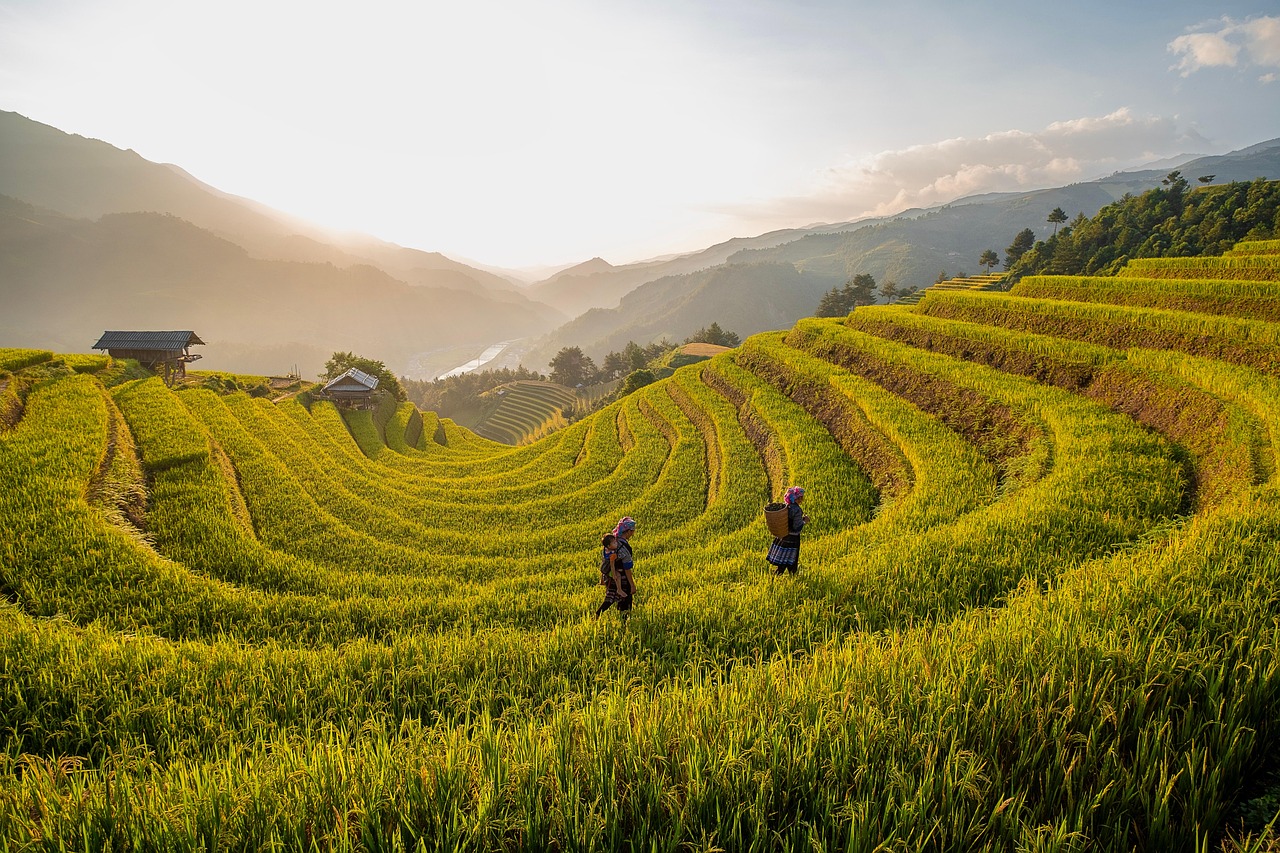
Searching for the best yoga retreats brings up thousands of beautiful places, and most of them look the same in photos: a wooden deck, palm trees, a calm group in a row. What actually decides whether you have a good week is less visible: the teacher, the schedule, the level of the classes, the food, how far you have to travel and what happens if your plans change. This step-by-step checklist walks you through those choices in order, with the questions to ask before you book. Whether it is your first retreat or your tenth, it should help you compare programs on what matters.
What makes the best yoga retreats
There is no single “best” retreat, but the good ones have a few things in common. The teaching suits the group, with a named teacher whose training you can check. The schedule is clear and honest about how much practice there is. Prices list what is included and what is not, and cancellation terms are written down. The venue asks about your health and experience before you arrive, and nobody promises to cure or transform you. The seven steps below help you find a program like that, and one that fits your own goals.
Step 1: Decide what you want from the week
Before you look at a single listing, write one or two sentences about why you want to go. Most people fall into one or two of these:
- Deepen your practice: more hours on the mat, a specific style, a teacher you admire.
- Rest: sleep, gentle yoga, good food, very little scheduled.
- Learn the basics: a first retreat, with patient teaching and a mixed-level group.
- Meditation and quiet: long sits, maybe some silence.
- Adventure plus yoga: surfing, hiking or diving with yoga morning and evening.
- Culture: yoga in a country where you also want to explore, eat and meet people.
This one decision narrows the field more than anything else. A rest-focused traveler will be miserable on a retreat with four hours of strong practice a day, and an experienced practitioner will be bored by a program built for beginners. If your aim is mostly rest, spa time and food, read our guide to wellness retreats; if meditation is the core, see meditation retreats.
Step 2: Match the style and level
“Yoga retreat” covers very different classes. Check which style is taught and how often, and compare it with what you already enjoy. A few quick pointers:
- Vinyasa: flowing classes linked to the breath, usually moderate to strong.
- Hatha: today often a slower class with held poses, good for mixed groups.
- Yin and restorative: long, quiet holds and supported rest.
- Ashtanga: a set sequence of poses, taught either as a led class or Mysore style, where each student works at their own pace.
- Kundalini: breath work, movement, mantra and meditation.
If you are unsure, the types of yoga comparison lays them side by side.
Then check the level. Look for an honest description of who the retreat is for (“all levels,” “some experience needed,” “for regular practitioners”), and ask how the teacher handles mixed groups. Two or three daily classes of a strong style is a lot if you normally practice once a week. If you are new to yoga, our yoga for beginners guide explains what to practice before you go, and a beginner-friendly program is the safer choice.

Step 3: Choose the place and the season
Where you go shapes the whole experience: the climate, the food, the cost of getting there and what you do in your free time. Think about:
- Travel time: a long-haul flight and jet lag can take two days out of a one-week retreat. A retreat closer to home can give you more actual rest.
- Season and weather: rainy seasons, heat and humidity vary by region and month. Each of our destination guides, such as Costa Rica, Bali and India, covers its seasons.
- Setting: beach, mountain, forest, countryside or town. Remote venues are peaceful but harder to reach and further from medical care.
- Entry rules: check visas, passport validity and health requirements well before booking flights. Our sister site has up-to-date country guides, for example travelercenter.com’s Costa Rica guide or its India guide.
The destinations hub lets you compare places by region.
Step 4: Read exactly what is included
Two retreats with the same price can be very different value. Make a simple table for each program you are considering:
| Item | Questions to answer |
|---|---|
| Yoga and meditation | How many classes a day, how long, which style, who teaches each one? |
| Accommodation | Private or shared room? Private bathroom? Air conditioning or fans? |
| Meals | How many a day? Vegetarian or vegan? Can they handle allergies? |
| Transfers | Airport pickup included? How far is the venue from the airport? |
| Activities | Excursions, surf lessons, massages: included, or extra? |
| Free time | How many hours a day are unscheduled? |
| Extras | Tips, taxes, equipment hire, drinks, treatments |
Then work out the price per day with the things you will actually use. A cheaper retreat that charges separately for transfers, treatments and half the meals can end up costing more. Our guide to yoga retreat costs explains what drives prices.
Also check the equipment. Ask whether mats and props are provided; some people prefer to bring their own travel mat; see our yoga mat guide if you want one.
Step 5: Check the teacher
The teacher makes or breaks a yoga retreat. Look for a named lead teacher (not just “experienced instructors”), and find out:
- Training: where they trained and for how many hours. Many teachers list a Yoga Alliance designation. Yoga Alliance, a nonprofit, keeps a public directory of registered teachers: RYT 200 means a teacher completed a foundational 200-hour training, RYT 500 means 500 hours of training, and the “E-” versions (E-RYT 200, E-RYT 500) add a teaching-experience requirement. There are also specialist designations for prenatal (RPYT) and children’s (RCYT) yoga. You can search the directory yourself.
- What a credential does and doesn’t mean: a registration with a private nonprofit is a useful signal of training, not a government license, and it does not guarantee a good teacher. Our teacher credentials guide explains the difference between school certificates, registries and legal requirements.
- Experience with groups like yours: beginners, older adults, pregnant students, people with injuries.
- Who else is on the team: is there a second teacher, a meditation teacher, a first-aid-trained staff member?
Watch a class online if the teacher has one, or ask for a short call. The way they answer questions tells you a lot.
Step 6: Think about health and safety
Yoga is generally considered safe for healthy people when practiced properly under a qualified instructor, according to the U.S. National Center for Complementary and Integrative Health (NCCIH). Injuries can still happen, most often sprains and strains, and NCCIH notes that people 65 and older have a higher rate of yoga-related injuries treated in emergency departments. A retreat means more practice than usual, so pace yourself.
- If you are pregnant, older, or have a health condition or injury, talk with your doctor and tell the teacher before the retreat. NCCIH advises pregnant people to avoid hot yoga because of overheating. Our prenatal yoga guide covers practice during pregnancy.
- A good retreat sends a health questionnaire before arrival and tells you honestly if the program is not right for you.
- Forceful breathing practices and breath retention need a qualified teacher; read our breathing exercises guide to know which practices are gentle and which are not.
- Ask where the nearest clinic or hospital is, especially for remote or island venues.
- Be cautious with programs built around fasting, juice cleanses or “detox” treatments; our wellness retreats guide explains what the evidence says.

Step 7: Spot the red flags
- No named teacher, or a teacher whose training you cannot find anywhere.
- Prices that change when you ask, or pressure to pay in full immediately.
- No written cancellation or refund policy.
- Payment only by untraceable methods such as cash transfer to a personal account.
- Health promises: curing, healing, “detoxing,” or “transforming your life in seven days.”
- Reviews that appear only on the retreat’s own website, all five stars and all written the same way.
- No clear address, or photos that you find elsewhere online under a different name.
None of these alone proves a problem, but two or three together are reason to look elsewhere.
Questions to ask before you book
- What does a typical day look like, hour by hour?
- Who teaches each class, and what is their training and experience?
- What level is the group, and how do you adapt for beginners or injuries?
- How many people will be on the retreat?
- What exactly is included, and what costs extra?
- Can you accommodate my diet or allergies?
- Is there a health questionnaire, and who on site is trained in first aid?
- How do I get there from the airport, and how long does it take?
- What is the cancellation and refund policy, and what happens if you cancel?
- Can I speak to the teacher before booking?
Write the answers down for each retreat on your shortlist; comparing them side by side usually makes the choice obvious.
Before you go
Once you have booked, get travel insurance that covers cancellation and medical care abroad, check your entry requirements, and start practicing a little more regularly at home so the first days are not a shock. Pack light, comfortable clothes for the climate and a layer for early mornings. Above all, arrive with realistic expectations: a retreat is time and space to practice and rest, not a promise of transformation.
Keep exploring
Go back to the Yoga Retreats hub to see every type of retreat, from silent retreats to ashram stays and women’s yoga retreats. When you are ready for the next step, our retreat directory will list programs we have verified with their organizers, with the date each listing was last checked.
Frequently asked questions
How do I find the best yoga retreat for me?
Start with what you want from the week (practice, rest, learning, meditation or adventure), then match the style and level, the location and season, and your budget. Compare what is included, check the teacher's training, and ask about the daily schedule and cancellation terms before you pay.
How long should my first yoga retreat be?
Many people start with a weekend or a few days close to home, which lets you find out how much daily practice suits you before committing to a long-haul trip. A week gives more time to settle in once travel time is accounted for.
What does RYT 200 mean?
It is a Yoga Alliance designation for a teacher who completed a foundational 200-hour training at a registered school. RYT 500 means 500 hours of training, and the E-RYT versions add teaching experience. It is a credential from a private nonprofit, not a government license, and it does not by itself guarantee a good teacher.
Can a beginner go on a yoga retreat?
Yes. Look for retreats described as beginner-friendly or all levels, with gentler styles and a teacher experienced in mixed groups. Practicing a few times at home or in a class before you go makes the first days easier.
What are red flags when booking a yoga retreat?
No named teacher, no written cancellation policy, pressure to pay in full at once, payment only to a personal account, health promises such as curing or detoxing, and reviews that appear only on the retreat's own site. Two or three of these together are a reason to look elsewhere.
Sources
- Find a Yoga Teacher: Definition of Terms (RYT 200, E-RYT 200, RYT 500, E-RYT 500, RCYT, RPYT), Yoga Alliance (accessed October 6, 2026)
- Explore Credentialing Options (RYS credentials; Yoga Alliance is a nonprofit 501(c)(6)), Yoga Alliance (accessed October 6, 2026)
- Yoga: Effectiveness and Safety, National Center for Complementary and Integrative Health (NIH) (accessed October 6, 2026)
- "Detoxes" and "Cleanses": What You Need To Know, National Center for Complementary and Integrative Health (NIH) (accessed October 6, 2026)
- Costa Rica travel guide (entry requirements), TravelerCenter (accessed October 6, 2026)
- India travel guide (entry requirements), TravelerCenter (accessed October 6, 2026)
Facts checked on October 6, 2026