Headstand Preparation: a peak-pose sequence for Sirsasana

A newly designed 20-minute headstand preparation sequence: shoulder and core work, dolphin, the forearm base and the walk-in, stopping before the lift, which you learn with a teacher.

Not yet reviewed by a qualified teacher Needs verification: names and instructions not yet confirmed by two sources

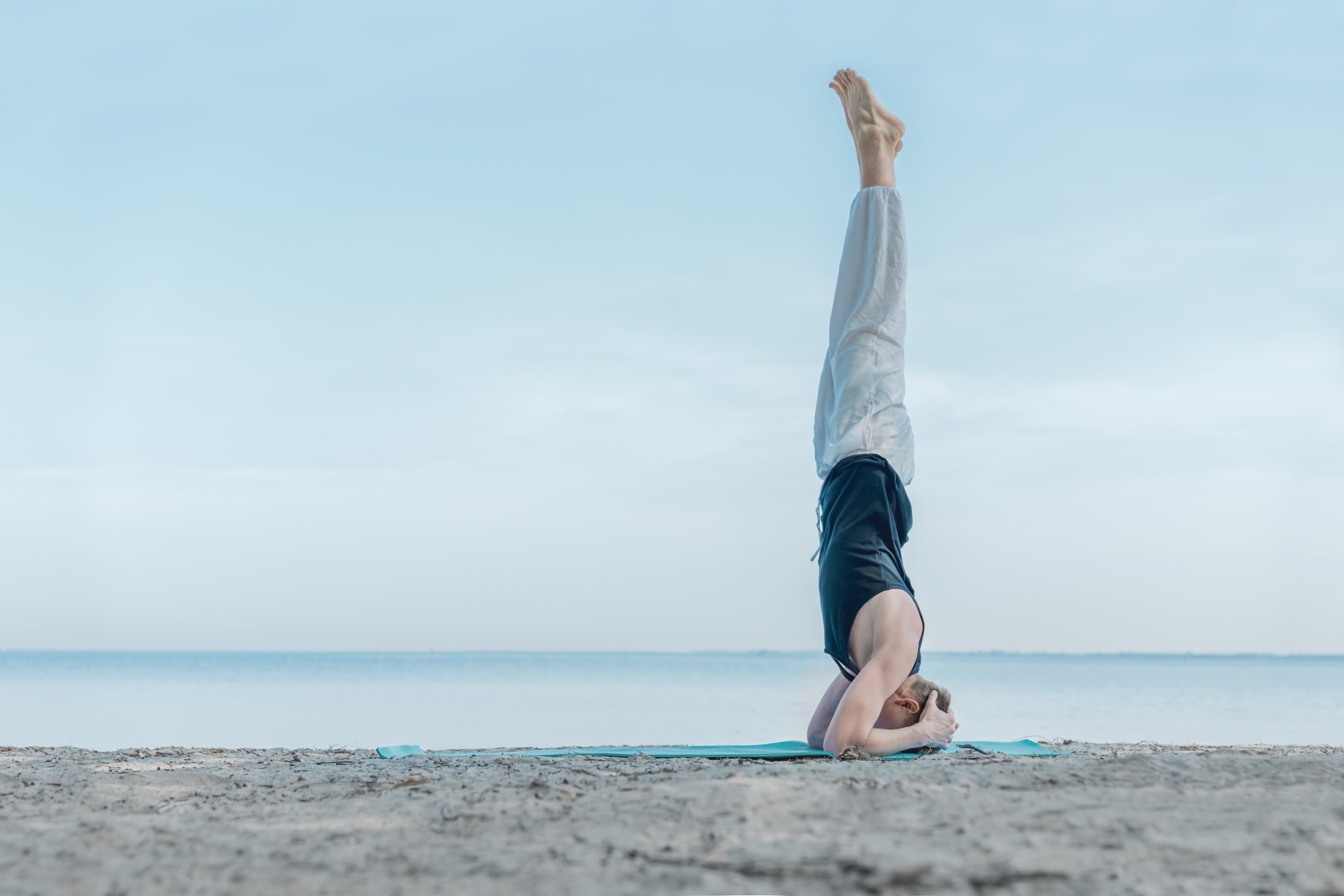
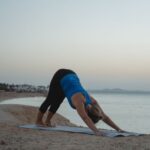
Headstand on a quiet beach
Also called
Peak Pose: Headstand, Sirsasana preparation
Tradition
Modern hatha (YogaVacation peak-pose sequence)
Order
Newly designed educational flow
Level
Intermediate
Approximate duration
about 20 minutes
Focus
Strength
Audience
Experienced
Props
Blanket, Mat, Wall
Styles
Hatha Yoga: The Historical Term and the Modern Class
Body areas
Arms and wrists, Core, Neck, Shoulders

A newly designed educational flow, not a traditional sequence. Teachers order these poses in many ways.

Printable view

Origin and source

Newly designed by YogaVacation (2026). Supported headstand (Salamba Sirsasana) is described in Light on Yoga; the preparation order is ours.

Who it is for

Holds downward dog and forearm plank for 30 seconds; no neck, eye or blood pressure problems.

The steps in order

Version shown: YogaVacation headstand preparation: shoulders, downward dog, dolphin, forearm plank, boat, headstand base, walk-in, child pose; ends before the lift

#StepBreathHoldCues and options
1Shoulder circles and arms overheadFree breathing1 minute
YogaVacation (suggested)

Transition: Kneel or stand; circle the shoulders, then clasp the hands and lift the arms overhead.

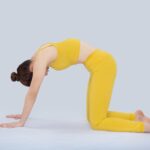
2Cat-cow
Marjaryasana-Bitilasana
Free breathing6 rounds
YogaVacation (suggested)

Transition: Hands and knees.

Easier option: Forearms down.

3Downward dog
Adho Mukha Śvānāsana
Free breathing5-8 breaths
YogaVacation (suggested)

Transition: Lift the hips, push the floor away.

Easier option: Knees bent.

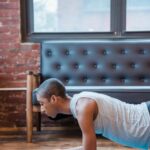
4Forearm plankFree breathing5-8 breaths, twice
YogaVacation (suggested)

Transition: Forearms parallel, elbows under the shoulders, body in one line.

Easier option: Knees down.

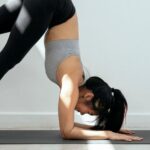
5DolphinFree breathing5-8 breaths, 2-3 times
YogaVacation (suggested)

Transition: From forearm plank lift the hips; shoulders lifted away from the floor.

Easier option: Knees bent; hands clasped.

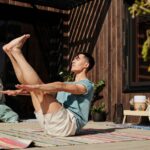
6Boat (or half boat)
Paripūrṇa Nāvāsana
Free breathing5 breaths, twice
YogaVacation (suggested)

Transition: Sit, lean back, lift the shins.

Easier option: Hands behind the thighs.

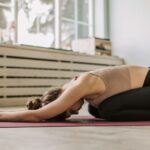
7Child pose
Bālāsana
Free breathing5 breaths
YogaVacation (suggested)

Transition: Rest the shoulders.

8Headstand base, knees downFree breathing5 breaths, 2-3 times
YogaVacation (suggested)

Transition: Kneel; forearms on a folded blanket, elbows shoulder-width, fingers interlaced; crown of the head on the floor, back of the head against the hands; press the forearms down and lift the shoulders.

Easier option: Stay in dolphin with the head off the floor.

9Walk the feet in (no lift)Free breathing3-5 breaths
YogaVacation (suggested)

Transition: From the base, straighten the legs and walk the feet towards the face until the hips are over the shoulders; keep the weight in the forearms. Walk back out.

Easier option: Knees stay down.

10Supported headstand: only with a teacher
Sālamba Śīrṣāsana
Free breathingas guided by your teacher
Teacher-guided

Transition: Lifting the legs is taught by a teacher; do not kick up.

Easier option: Stop at the walk-in.

11Child pose
Bālāsana
Free breathing8 breaths
YogaVacation (suggested)

Transition: Rest with the forehead down before lifting the head.

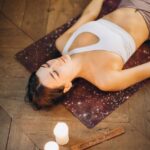
12Rest
Śavāsana
Free breathing2-3 minutes
YogaVacation (suggested)

Transition: Lie down.

Left and right

Symmetrical; change the interlace of the fingers between attempts.

Repetitions and counting

One pass; dolphin and the base 2-3 times each.

Props and adaptations

Folded blanket under the head and forearms; wall behind you; knees down in plank and dolphin; stop at dolphin or the walk-in.

Precautions

  • Headstand is an advanced inversion: learn the lift with a qualified teacher; never kick up.
  • Neck problems, high blood pressure, heart conditions, glaucoma or eye conditions, recent head injury, pregnancy: do not practise beyond dolphin without medical and teacher clearance.
  • Pressure in the neck: press more into the forearms or come down.
  • Clear space around you; blanket under the head.

Learn it with a teacher: Essential for the lift into headstand and for the first unsupported attempts. A teacher can check that the weight is in the forearms, not the neck.

General information, not medical advice. Poses do not cure illness. If you are pregnant, injured or have a health condition, check with your doctor and tell your teacher before you practise.

Beginner and chair alternatives

Restorative Yoga Sequence: five supported poses for deep rest

This headstand preparation sequence builds the strength and familiarity needed for supported headstand (Salamba Sirsasana): shoulder and core work, dolphin pose, the forearm-and-head base, and walking the feet in, ending before the legs leave the floor. It is a newly designed educational peak-pose sequence by YogaVacation, about 20 minutes long. There is no traditional preparation order, and we strongly recommend learning the full lift into headstand with a qualified teacher.

Why the preparation matters

In a well-built headstand most of the work is done by the forearms and shoulders, so the neck is not crushed under the body weight. That needs strong shoulders that stay lifted, a core that controls the legs, and enough hamstring length to walk the feet close to the face without rounding the back. The sequence trains each of these: downward dog and dolphin for the shoulders, forearm plank and boat for the core, and the headstand base with the knees down to learn the hand and head position.

The sequence, step by step

Warm-up (shoulder circles, cat-cow). A minute of slow shoulder circles and reaching the arms overhead, then six rounds of cat-cow, wake up the shoulders and the spine that will carry you later.

Downward dog and forearm plank. Downward dog teaches you to push the floor away and keep the shoulders lifted with the hips high, the same direction of effort you need upside down. Forearm plank builds the core on the same forearm base the headstand uses. Hold each for five to eight breaths; these numbers are our suggestion.

Dolphin, two or three times. Dolphin is the heart of the sequence. The Sivananda Ashram Yoga Ranch suggests that you may begin with dolphin and progress to the full headstand over time, and Yoga Journal describes dolphin as both a preparation for inversions and an alternative to them. Keep the head off the floor, press the forearms down and lift the hips. Bend the knees and lift the heels if the upper back starts to round.

Boat, then child’s pose. Boat trains the front of the body to control the legs, which matters later when the knees draw in toward the chest. A short rest in child’s pose lets the shoulders recover before the base work.

Headstand base, knees down. Kneel, hold each elbow with the opposite hand and place the forearms on the floor, then keep the elbows where they are and interlace the fingers. The Sivananda teaching calls this a firm triangle of the two elbows and the clasped hands, with equal weight on all three points. Place the top of the head on the floor with the back of the head cradled by the hands, keep the neck straight and press firmly into the forearms. Stay with the knees down and simply get used to the position. Yoga Journal adds two small cues: keep the elbows slightly narrower than the shoulders, and tuck the bottom little finger in.

Walk the feet in, no lift. Without moving the head or the elbows, straighten the knees and lift the hips, then walk the feet toward the face until the back begins to straighten and the hips come over the shoulders. Keep pressing down through the forearms. This is where this sequence stops. The next step, lifting the feet and drawing the knees to the chest, is the moment to have a teacher beside you. Sivananda teachers are clear that you should never jump or kick up.

Coming down and resting. Walk the feet back, lower the knees and sit back into child’s pose. Sivananda teachers ask you not to lift the head straight away but to rest for at least a minute, then relax in corpse pose before continuing.

How the counts and sides work

Every step here is symmetrical, so there are no sides to change. The holds and repeats are our suggestion, not a traditional count. All holds are counted in slow breaths through the nose. If the breath becomes short or held, that is the signal to come down. Yoga Journal also advises coming out at once if you feel more pressure on the head and neck, and suggests building time slowly, starting with about 10 seconds in the full pose and adding 5 to 10 seconds at a time once a teacher has taught you the lift.
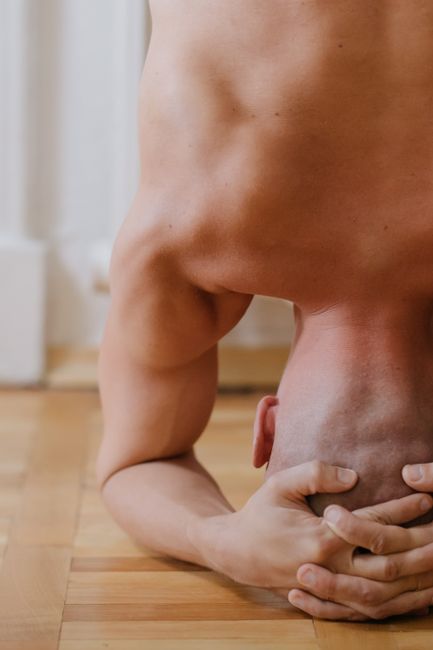
Bald man performing a headstand indoors on a wooden floor, showcasing strength and balance.

How to practise it safely

  • Headstand is an advanced inversion. Do not kick up or jump into it; and do not practise the full pose alone until a teacher has seen you do it.
  • Do not do this sequence (beyond dolphin) with neck problems, high blood pressure, heart conditions, glaucoma or other eye conditions, recent head injury, or during pregnancy unless your doctor and an experienced teacher agree.
  • The crown of the head touches the floor lightly; if the neck feels pressure, press more into the forearms or come down.
  • Use a folded blanket under the head and forearms, and practise near a wall with clear space around you.
  • Come down slowly and rest in child’s pose before lifting the head.

This sequence has not yet been reviewed by a qualified teacher.

Easier alternatives

Stay with dolphin (it gives most of the shoulder work without weight on the head), or use legs up the wall as a gentle inversion. A tripod headstand is a different pose with a different base, not an easier version.
Frequently asked questions

Can I learn headstand on my own?

You can build strength and learn the base on your own, but learn the lift into the full pose with a qualified teacher.

Who should not do headstand?

People with neck problems, high blood pressure, heart conditions, glaucoma or other eye conditions, a recent head injury, or who are pregnant, unless a doctor and an experienced teacher agree.

Sources

  1. B.K.S. Iyengar, Light on Yoga: Salamba Sirsasana, Internet Archive (catalogue record) (accessed October 6, 2026)
  2. Yoga: Effectiveness and Safety, National Center for Complementary and Integrative Health (NIH) (accessed October 6, 2026)

Facts checked on October 6, 2026