The steps in order
Version shown: AshtangaYoga.info Finishing Sequence sheet (Dr. Ronald Steiner, 2015); short novice version per the same sheet
| # | Step | Breath | Hold | Cues and options |
|---|---|---|---|---|
| 1 | Salamba Sarvangasana Sālamba Sarvāṅgāsana | Free breathing | 10 breaths AshtangaYoga.info posture pages (current counts; older led classes held longer, up to 25 breaths) | Transition: From lying, lift the legs and hips, hands on the back. Easier option: Blankets under the shoulders; legs up the wall instead. Inversion: learn with a teacher. |
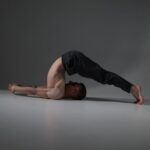
| 2 | Halasana Halāsana | Free breathing | 5 breaths AshtangaYoga.info posture pages (current counts; older led classes held longer, up to 25 breaths) | Transition: Lower the feet behind the head. Easier option: Feet on a chair. |
| 3 | Karna Pidasana Karṇapīḍāsana | Free breathing | 5 breaths AshtangaYoga.info posture pages (current counts; older led classes held longer, up to 25 breaths) | Transition: Bend the knees beside the ears. Easier option: Skip. |
| 4 | Urdhva Padmasana (lotus in shoulderstand) Sālamba Sarvāṅgāsana | Free breathing | 5 breaths AshtangaYoga.info posture pages (current counts; older led classes held longer, up to 25 breaths) | Transition: Back to shoulderstand, fold lotus, support the knees with the hands. Easier option: Skip. Lotus in an inversion: teacher. |
| 5 | Pindasana (embryo in shoulderstand) Sālamba Sarvāṅgāsana | Free breathing | 5 breaths AshtangaYoga.info posture pages (current counts; older led classes held longer, up to 25 breaths) | Transition: Lower the lotus to the chest and wrap the arms. Easier option: Skip. |
| 6 | Matsyasana Matsyāsana | Free breathing | 5 breaths AshtangaYoga.info posture pages (current counts; older led classes held longer, up to 25 breaths) | Transition: Roll down, arch the chest, crown lightly on the floor, hold the feet in lotus. Easier option: Legs straight; forearms down. |
| 7 | Uttana Padasana | Free breathing | 5 breaths AshtangaYoga.info posture pages (current counts; older led classes held longer, up to 25 breaths) | Transition: From fish, straighten and lift the legs and arms. Easier option: Skip. Ashtanga name for fish with lifted legs; differs from the supine leg raise of the same name (raised-legs-pose). |
| 8 | Chakrasana (backward roll) or vinyasa | Exhale | Transition: Roll back over the shoulders to chaturanga, then downward dog. Easier option: Roll to the side and come up. | |
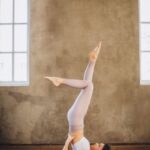
| 9 | Sirsasana (with Urdhva Dandasana) Sālamba Śīrṣāsana | Free breathing | 10 breaths, then 10 with the legs lowered AshtangaYoga.info posture pages (current counts; older led classes held longer, up to 25 breaths) | Transition: Forearm headstand; then lower the straight legs to horizontal and lift again. Easier option: Dolphin; skip. Inversion: teacher only. |
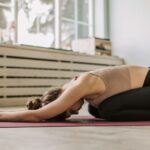
| 10 | Balasana Bālāsana | Free breathing | a few breaths AshtangaYoga.info posture pages (current counts; older led classes held longer, up to 25 breaths) | Transition: Rest after headstand before lifting the head. |
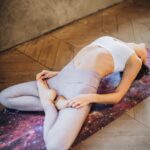
| 11 | Baddha Padmasana Baddha Padmāsana | Free breathing | a short hold, flowing into Yoga Mudra AshtangaYoga.info posture pages (current counts; older led classes held longer, up to 25 breaths) | Transition: Lotus, hands bind the feet behind the back. Easier option: Cross-legged seat. Lotus: never force. |
| 12 | Yoga Mudra Yoga Mudrāsana | Free breathing | 5 breaths AshtangaYoga.info posture pages (current counts; older led classes held longer, up to 25 breaths) | Transition: Fold forward in bound lotus. Easier option: Cross-legged forward fold. |
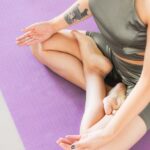
| 13 | Padmasana Padmāsana | Free breathing | 10 breaths AshtangaYoga.info posture pages (current counts; older led classes held longer, up to 25 breaths) | Transition: Sit up in lotus, hands on the knees. Easier option: Cross-legged seat on a cushion (the novice version). |
| 14 | Utpluthih Tolāsana | Free breathing | 10 breaths AshtangaYoga.info posture pages (current counts; older led classes held longer, up to 25 breaths) | Transition: Hands beside the hips, lift the body in lotus. Easier option: Lift the hips only, legs crossed. |
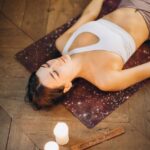
| 15 | Savasana Śavāsana | Free breathing | 10-20 minutes AshtangaYoga.info posture pages (current counts; older led classes held longer, up to 25 breaths) | Transition: After a vinyasa, lie down and release the breath. Easier option: Knees bent or supported. |