Ashtanga Vinyasa Series: how the practice is organised

How the Ashtanga vinyasa practice (K. Pattabhi Jois lineage) is organised: sun salutations, standing sequence, Primary, Intermediate and Advanced series, and the finishing sequence.

Not yet reviewed by a qualified teacher Names and order checked against 5 sources

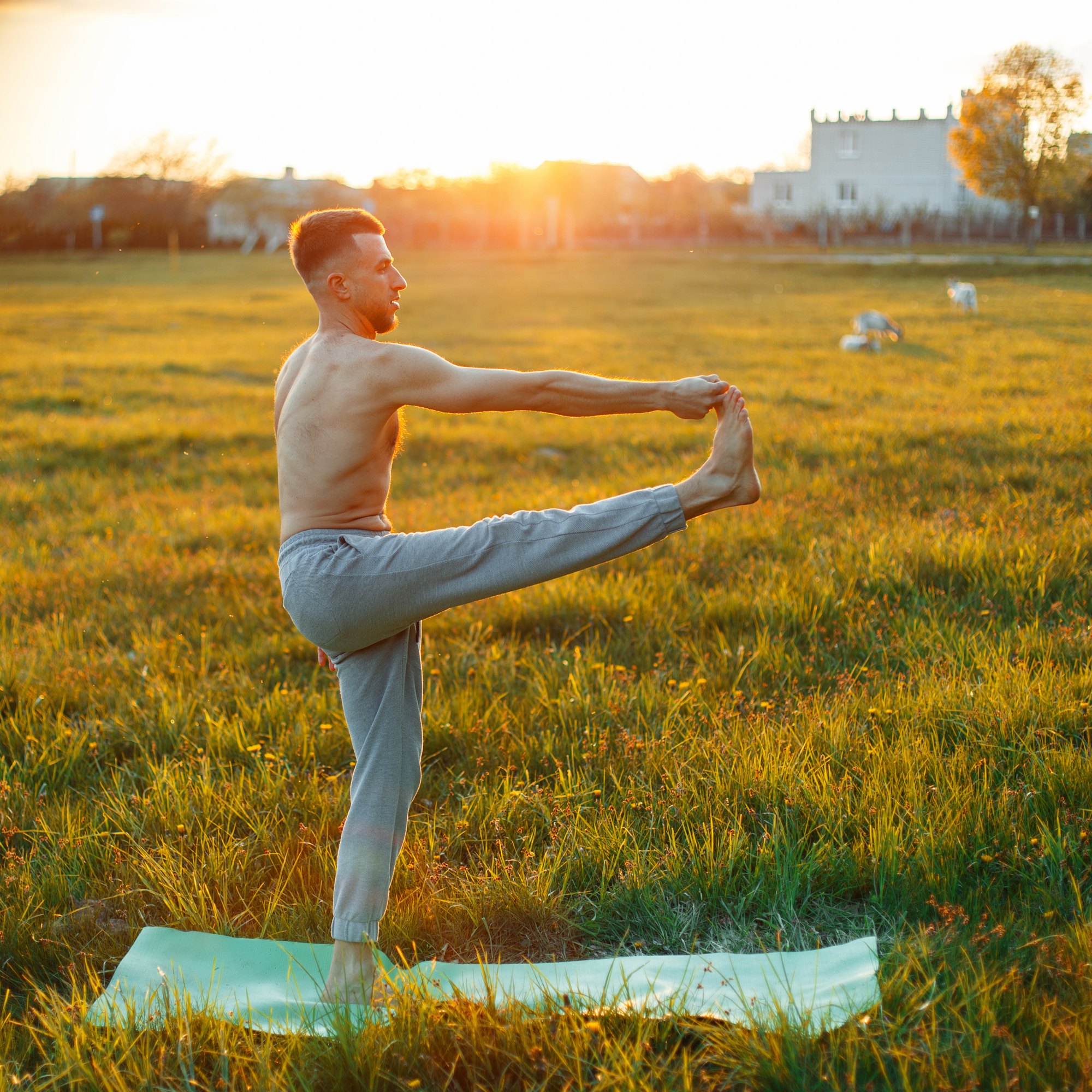
Man in extended hand-to-big-toe pose in a meadow at sunset
Also called
Ashtanga Yoga Series, Mysore Ashtanga
Tradition
Ashtanga vinyasa (K. Pattabhi Jois lineage, Mysore)
Order
Fixed, traditional order
Level
Advanced, Intermediate
Approximate duration
about 90 minutes
Focus
Style-specific
Audience
Experienced
Props
Mat
Body areas
Core, Hips, Legs, Shoulders, Spine

Fixed order: the tradition named here practises these steps in this order.

Printable view

Origin and source

Taught by K. Pattabhi Jois (Yoga Mala), who attributed it to T. Krishnamacharya and the Yoga Korunta text (no copy known; contested). Today taught via the Sharath Yoga Centre (formerly KPJAYI) and other teachers.

Who it is for

Start with a teacher. Full Primary needs lotus, binds, arm balances and a backbend: it is not a beginner sequence.

The steps in order

Version shown: Practice frame per AshtangaYoga.info practice sheets (Dr. Ronald Steiner) and Swenson (via Wikipedia): Sun Salutations A and B, standing, series, finishing

#StepBreathSideHoldCues and options
1Opening sun salutations (A and B) sequence
Sūrya Namaskāra A and B
Free breathing5 rounds A + 5 rounds B
Swenson, Ashtanga Yoga: The Practice Manual (via Wikipedia); AshtangaYoga.info

Transition: Begin in Samasthiti after the opening chant.

Easier option: Fewer rounds while learning; knees-down vinyasa.

2Standing sequence (fundamentals) sequenceFree breathingEach side5 breaths per posture
AshtangaYoga.info practice sheets

Transition: From Samasthiti.

Easier option: Blocks; bent knees.

3The series you practise (Primary first) sequence
Yoga Cikitsā
Free breathingEach side5 breaths per posture (most)
AshtangaYoga.info practice sheets

Transition: Vinyasa between seated postures.

Easier option: Stop where your teacher stops you.

Intermediate or Advanced replace Primary as the student progresses.

4Finishing sequence and rest sequenceFree breathingas per the finishing sheet; rest 10-20 minutes
AshtangaYoga.info finishing sequence sheet

Transition: After the backbends.

Easier option: Novices: lotus (or cross-legged), closing chant, rest.

Left and right

Asymmetric postures: right side first, then left.

Repetitions and counting

Five rounds each of Surya Namaskara A and B; each part once per practice.

Props and adaptations

Learn with a teacher in Mysore style; fewer sun salutations at first; blocks and bent knees in standing postures; stop at the posture your teacher gives you; cross-legged seat instead of lotus.

Precautions

  • Physically demanding; Primary is not a beginner sequence.
  • Lotus postures need healthy knees; never force them.
  • Injuries, high blood pressure, pregnancy: ask a health professional and an experienced Ashtanga teacher.

Learn it with a teacher: Traditionally taught one posture at a time by a teacher (Mysore style). Learn each new posture with a teacher present.

General information, not medical advice. Poses do not cure illness. If you are pregnant, injured or have a health condition, check with your doctor and tell your teacher before you practise.

Beginner and chair alternatives

Beginner Sun Salutation: a slower, knees-down way to learn the sequence, Sun Salutation A (Surya Namaskar A): the Ashtanga order and its nine counts

Parts of this series

  1. Ashtanga Finishing Sequence The Ashtanga finishing sequence in order, from shoulderstand to Utpluthih and rest, the short novice version, hold lengths and safety for the…
  2. Ashtanga Intermediate Series The Ashtanga Intermediate Series (Nadi Shodhana) in lineage order, from Pasasana to the headstand variations, with sides, source differences and why every…
  3. Ashtanga Opening Sun Salutations The opening of every Ashtanga practice: five rounds of Surya Namaskara A and five of B, how the counts and sides work,…
  4. Ashtanga Primary Series The Ashtanga Primary Series (Yoga Chikitsa) in lineage order, from Utthita Hasta Padangusthasana to the closing backbend, with breaths, sides, source differences…
  5. Ashtanga Standing Sequence The Ashtanga standing sequence (fundamental positions) in lineage order: big toe pose to Parsvottanasana, five breaths each, with sides, counts and easier…

Ashtanga vinyasa yoga, as taught in the lineage of K. Pattabhi Jois in Mysore, India, is practised as fixed series of postures linked by breath-synchronised movements (vinyasa). Every practice has the same frame: opening sun salutations, a standing sequence, one of the series, and a finishing sequence. This page explains how those parts fit together and links each of them. For the style itself, see Ashtanga yoga.

The series and their names

  • Primary Series, called Yoga Chikitsa, usually translated “yoga therapy”. The name is a traditional title, not a medical claim.
  • Intermediate Series, called Nadi Shodhana, “cleansing of the channels”. The series shares its name with an alternate-nostril breathing practice; they are different things.
  • Advanced Series, called Sthira Bhaga. Older lineage material divided them into Advanced A and Advanced B; today they are usually counted as Third to Sixth Series. The labels depend on the period and teacher.

“Primary” does not mean “for beginners”

Primary means the first series in this system. It is where every student starts, but it is not a beginner sequence. It contains full lotus, legs-behind-the-head shapes (Supta Kurmasana), deep binds and a full backbend. In the traditional Mysore-style class, students are given the postures one at a time by a teacher and stop where they are stopped; many people practise only part of Primary for months or years. Lineage practice sheets from AshtangaYoga.info mark the point where further postures are added “only when a regular practice has been established”.

How a practice is put together

The order is the same every day: five rounds of Sun Salutation A and five of Sun Salutation B, the standing sequence, then the series you are working on, and the finishing sequence with a final rest. Between seated postures, a short vinyasa (often a jump back through chaturanga, upward dog and downward dog) links one posture to the next. Breathing is ujjayi, with a fixed gaze point (drishti) for each posture. Intermediate is added to the end of Primary, posture by posture, before replacing it on most days.

How the counting works

Every movement in Ashtanga has a number. The AshtangaYoga.info practice sheets explain the idea: each movement sequence (vinyasa) begins and ends standing in Samasthitiḥ, and every movement is counted from there, so a posture is always reached on the same count. The sheet marks that count, with the count for the left side in brackets, along with the breath (in or out) and the gaze point. In the seated postures, once the rhythm is familiar, the sequences partly merge: the sheet notes that for most of them the first six and last three movements are left out, and you pass simply through downward dog instead of coming all the way back to standing. The numbers themselves never change.

Two more rules shape every practice. Each final posture is held for five breaths, as the sheets show for almost every posture. And all postures are practiced on both sides, right first, even though the sheets picture only one side. The same sheet explains the name of the first series: Ashtanga is described as a journey “from the coarse to the subtle,” and the Primary Series sits at its beginning, so strength, vitality and the health of the physical body are at its center. That is the reason given for the title “yoga therapy.”

Rest days

Traditionally there are days off. The Mysore shala, now the Sharath Yoga Centre, lists Sundays and the days of the new and full moon as holidays, when it is closed. Our moon days calendar shows the coming dates in your time zone.

Where the sequences come from

Pattabhi Jois said he learned the system from his teacher T. Krishnamacharya, who in turn attributed it to a text called the Yoga Korunta; no copy of that text is known, and some members of the Jois family have said the sequences were Krishnamacharya’s own. We report these accounts without deciding between them. The practice was set out in Jois’s book Yoga Mala and is taught today by teachers authorised by the Mysore institute (KPJAYI, now the Sharath Yoga Centre) and many others.

How to start safely

Begin with the sun salutations and standing sequence, with a teacher, ideally in a Mysore-style or led beginners class. Ashtanga is physically demanding; lotus-based postures need healthy knees, and the jump-throughs and backbends need preparation. With injuries, high blood pressure, or during pregnancy, talk to a health professional and an experienced Ashtanga teacher. These pages have not yet been reviewed by a qualified teacher.

Frequently asked questions

Is the Ashtanga Primary Series for beginners?

Primary is the first series of the system, but it is not a beginner sequence. Beginners usually learn the sun salutations and standing postures first and receive the rest one posture at a time.

How many series does Ashtanga have?

Primary, Intermediate and the Advanced series. Older material lists Advanced A and B (four series in all); today six series are usually counted.

Is the Nadi Shodhana series the same as Nadi Shodhana breathing?

No. Nadi Shodhana is the name of the Intermediate Series and also of an alternate-nostril breathing practice.

Sources

  1. Yoga Cikitsa, 1st Series: practice sheet, AshtangaYoga.info (Dr. Ronald Steiner), 2015 (accessed October 6, 2026)
  2. Nadi Sodhana, 2nd Series: practice sheet, AshtangaYoga.info (Dr. Ronald Steiner), 2015 (accessed October 6, 2026)
  3. Sthira Bhaga: The 3rd Series of Ashtanga Yoga, AshtangaYoga.info (accessed October 6, 2026)
  4. Ashtanga (vinyasa) yoga (series names, four-to-six series, Yoga Korunta accounts; citing Swenson), Wikipedia (accessed October 6, 2026)
  5. Ashtanga Yoga Primary Series: teacher guide (5 A and 5 B; postures added gradually in Mysore style), Yoga-Sequencing.com (accessed October 6, 2026)

Facts checked on October 6, 2026