Ashtanga Finishing Sequence: the closing postures in order

The Ashtanga finishing sequence in order, from shoulderstand to Utpluthih and rest, the short novice version, hold lengths and safety for the inversions and lotus postures.

Not yet reviewed by a qualified teacher Names and order checked against 3 sources

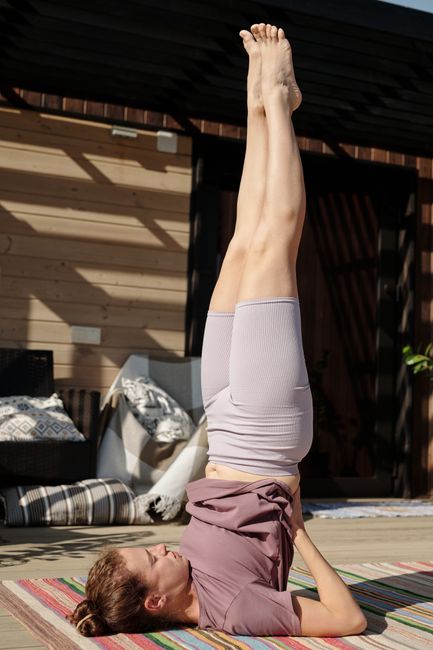
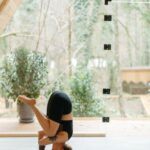
Woman performing a yoga shoulder stand outdoors, embodying focus and balance in natural sunlight.
Also called
Closing Sequence, Finishing Postures
Part of
Ashtanga Vinyasa Series: how the practice is organised
Tradition
Ashtanga vinyasa (K. Pattabhi Jois lineage)
Order
Fixed, traditional order
Level
Advanced, Intermediate
Approximate duration
about 30 minutes
Focus
Style-specific
Audience
Experienced
Props
Blanket, Mat
Body areas
Hips, Neck, Shoulders, Spine

Fixed order: the tradition named here practises these steps in this order.

Printable view

Origin and source

Closes every Ashtanga practice; order per the AshtangaYoga.info Finishing Sequence sheet (Steiner, 2015), consistent with Yogateket.

Who it is for

Full version: shoulderstand and headstand learned with a teacher, comfortable lotus. Novice version: none.

The steps in order

Version shown: AshtangaYoga.info Finishing Sequence sheet (Dr. Ronald Steiner, 2015); short novice version per the same sheet

#StepBreathHoldCues and options
1Salamba Sarvangasana
Sālamba Sarvāṅgāsana
Free breathing10 breaths
AshtangaYoga.info posture pages (current counts; older led classes held longer, up to 25 breaths)

Transition: From lying, lift the legs and hips, hands on the back.

Easier option: Blankets under the shoulders; legs up the wall instead.

Inversion: learn with a teacher.

2Halasana
Halāsana
Free breathing5 breaths
AshtangaYoga.info posture pages (current counts; older led classes held longer, up to 25 breaths)

Transition: Lower the feet behind the head.

Easier option: Feet on a chair.

3Karna Pidasana
Karṇapīḍāsana
Free breathing5 breaths
AshtangaYoga.info posture pages (current counts; older led classes held longer, up to 25 breaths)

Transition: Bend the knees beside the ears.

Easier option: Skip.

4Urdhva Padmasana (lotus in shoulderstand)
Sālamba Sarvāṅgāsana
Free breathing5 breaths
AshtangaYoga.info posture pages (current counts; older led classes held longer, up to 25 breaths)

Transition: Back to shoulderstand, fold lotus, support the knees with the hands.

Easier option: Skip.

Lotus in an inversion: teacher.

5Pindasana (embryo in shoulderstand)
Sālamba Sarvāṅgāsana
Free breathing5 breaths
AshtangaYoga.info posture pages (current counts; older led classes held longer, up to 25 breaths)

Transition: Lower the lotus to the chest and wrap the arms.

Easier option: Skip.

6Matsyasana
Matsyāsana
Free breathing5 breaths
AshtangaYoga.info posture pages (current counts; older led classes held longer, up to 25 breaths)

Transition: Roll down, arch the chest, crown lightly on the floor, hold the feet in lotus.

Easier option: Legs straight; forearms down.

7Uttana PadasanaFree breathing5 breaths
AshtangaYoga.info posture pages (current counts; older led classes held longer, up to 25 breaths)

Transition: From fish, straighten and lift the legs and arms.

Easier option: Skip.

Ashtanga name for fish with lifted legs; differs from the supine leg raise of the same name (raised-legs-pose).

8Chakrasana (backward roll) or vinyasaExhale

Transition: Roll back over the shoulders to chaturanga, then downward dog.

Easier option: Roll to the side and come up.

9Sirsasana (with Urdhva Dandasana)
Sālamba Śīrṣāsana
Free breathing10 breaths, then 10 with the legs lowered
AshtangaYoga.info posture pages (current counts; older led classes held longer, up to 25 breaths)

Transition: Forearm headstand; then lower the straight legs to horizontal and lift again.

Easier option: Dolphin; skip.

Inversion: teacher only.

10Balasana
Bālāsana
Free breathinga few breaths
AshtangaYoga.info posture pages (current counts; older led classes held longer, up to 25 breaths)

Transition: Rest after headstand before lifting the head.

11Baddha Padmasana
Baddha Padmāsana
Free breathinga short hold, flowing into Yoga Mudra
AshtangaYoga.info posture pages (current counts; older led classes held longer, up to 25 breaths)

Transition: Lotus, hands bind the feet behind the back.

Easier option: Cross-legged seat.

Lotus: never force.

12Yoga Mudra
Yoga Mudrāsana
Free breathing5 breaths
AshtangaYoga.info posture pages (current counts; older led classes held longer, up to 25 breaths)

Transition: Fold forward in bound lotus.

Easier option: Cross-legged forward fold.

13Padmasana
Padmāsana
Free breathing10 breaths
AshtangaYoga.info posture pages (current counts; older led classes held longer, up to 25 breaths)

Transition: Sit up in lotus, hands on the knees.

Easier option: Cross-legged seat on a cushion (the novice version).

14Utpluthih
Tolāsana
Free breathing10 breaths
AshtangaYoga.info posture pages (current counts; older led classes held longer, up to 25 breaths)

Transition: Hands beside the hips, lift the body in lotus.

Easier option: Lift the hips only, legs crossed.

15Savasana
Śavāsana
Free breathing10-20 minutes
AshtangaYoga.info posture pages (current counts; older led classes held longer, up to 25 breaths)

Transition: After a vinyasa, lie down and release the breath.

Easier option: Knees bent or supported.

Left and right

Symmetrical; in lotus postures change the crossing of the legs on alternate days if your teacher suggests it.

Repetitions and counting

Each posture once. Novices: lotus or cross-legged seat, closing chant, rest.

Props and adaptations

Novice version: cross-legged seat, closing chant, rest. Blankets under the shoulders in the shoulderstand group; legs up the wall instead of inversions; cross-legged seat instead of lotus.

Precautions

  • Shoulderstand, plough and headstand: weight near the neck; learn with a teacher; never turn the head.
  • Neck problems, high blood pressure, heart conditions, glaucoma, pregnancy: leave out the inversions; ask a health professional.
  • Lotus postures: never force the knees.

Learn it with a teacher: Learn the inversions and lotus postures with a teacher; novices start with the short version.

General information, not medical advice. Poses do not cure illness. If you are pregnant, injured or have a health condition, check with your doctor and tell your teacher before you practise.

Beginner and chair alternatives

Restorative Yoga Sequence: five supported poses for deep rest

The Ashtanga finishing sequence closes every Ashtanga vinyasa practice, whichever series came before it. After the backbends and a forward bend, it moves through a shoulderstand group, fish pose, headstand, a group of lotus postures and a long rest. This page follows the finishing sheet of AshtangaYoga.info (Dr. Ronald Steiner), cross-checked with a teacher guide.

AshtangaYoga.info describes the change of mood clearly: in the finishing sequence the breath becomes calmer and you stay longer in each posture. It also notes that, in K. Pattabhi Jois’s classes, students traditionally even moved to another room for the finishing postures. You do not need a second room, but it helps to know that this part of practice is meant to feel quieter than the series before it.

The order

Shoulderstand (Salamba Sarvangasana), plough (Halasana), ear pressure pose (Karna Pidasana), lotus in shoulderstand (Urdhva Padmasana), embryo in shoulderstand (Pindasana), fish (Matsyasana), Uttana Padasana (fish with the legs lifted), headstand (Sirsasana) with legs lowering to horizontal and lifting again, child’s pose (Balasana), bound lotus (Baddha Padmasana), Yoga Mudra (bound lotus folded forward), lotus (Padmasana), Utpluthih (lifting the body in lotus on the hands), and rest (Savasana). Movements between the shoulderstand group and headstand use a vinyasa or a backward roll (Chakrasana).

The short version for novices

The full sequence is not where anyone starts. According to the AshtangaYoga.info sheet, novices finish with just one seated posture (lotus, or a cross-legged seat if lotus is not safe for the knees), the closing chant, and a relaxation lying down; the other postures are added gradually as practice grows. The inversions in particular should be learned with a teacher.
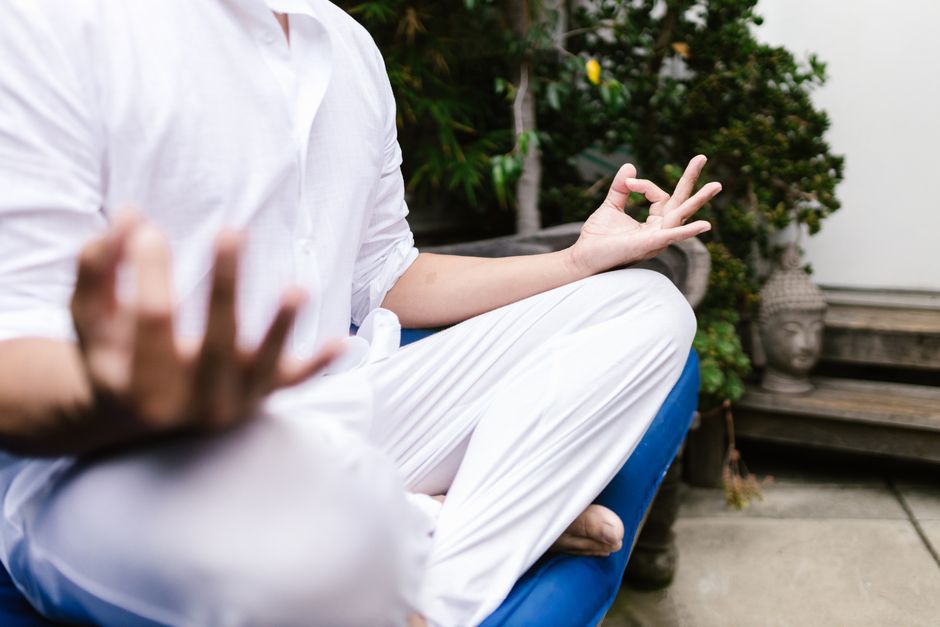
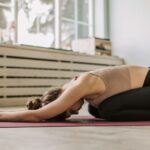
A person in white practicing yoga meditation outdoors in a serene environment.

How the holds work

Today most finishing postures get five breaths, and shoulderstand, headstand and the final lotus postures get ten; in the 1970s and 1980s the main inversions were held for up to 25 breaths. Rest for 10 to 20 minutes at the end. The sequence is symmetrical, so there are no sides, and each posture is done once. Breathing remains ujjayi until the final rest, when it is released.

Breath counts, posture by posture

The posture pages of AshtangaYoga.info (Dr. Ronald Steiner and Richard Pilnick, 2021) give one clear count for each step. Shoulderstand: 10 breaths. Plough, ear pressure pose, lotus in shoulderstand, embryo in shoulderstand, fish and Uttana Padasana: 5 breaths each. Headstand: 10 breaths, then the straight legs lower to horizontal (Urdhva Dandasana) for another 10. Bound lotus is now mostly a short hold on the way into Yoga Mudra, which gets 5 breaths with the chin toward the floor. Lotus: 10 breaths, hands on the knees with the index finger touching the root of the thumb (Cin Mudra). Utplutih: 10 breaths.

Why do other sheets show up to 25? The same site explains that counts in the finishing sequence have changed over the decades. For the longer holds (shoulderstand, headstand, lotus), around 25 and 10 breaths were usual in the 1970s and 1980s, about 10 and 8 in the 1990s, and the 10 and 5 shown above from around 2005. Later, many people held every finishing posture for 5 breaths. In Utplutih, Pattabhi Jois once taught about 100 fast breaths, later 10 slow ones. So there is no single “correct” number; follow your teacher’s count.

AshtangaYoga.info adds two details on the end. In led classes the closing mantra was recited standing, in call and response, after Utplutih; many students now chant it seated in lotus or after the rest. And Pattabhi Jois did not call the rest Savasana: he often ended class with “Lie down. Take rest.” The site suggests planning your practice so that at least seven minutes are left for this rest; the sheet gives 10 to 20 minutes.

How to practise it safely

  • Shoulderstand, plough and headstand put weight near the neck. Use folded blankets under the shoulders in the shoulderstand group, never turn the head while inverted, and learn them with a teacher.
  • Neck problems, high blood pressure, heart conditions, glaucoma or other eye conditions, pregnancy or menstruation (by personal choice): ask a health professional and teacher; leave out the inversions and use legs up the wall.
  • Yoga Journal calls shoulderstand an intermediate to advanced pose, not to be done without enough experience or a teacher’s supervision, and asks you to practice headstand only under a teacher’s careful supervision. Come out at once if you feel pressure building in the head or neck.
  • The Bihar School manual Asana Pranayama Mudra Bandha says people with heart problems, high blood pressure, glaucoma or an active ear infection should not do inverted postures, and people with neck problems should avoid postures in which the neck bears weight.
  • In fish and Uttana Padasana, set the head down lightly. AshtangaYoga.info notes that the neck loses support when the arms let go in Uttana Padasana, so keep most of the weight away from the head; skip it if your neck complains.
  • Lotus postures: never force the knees; sit cross-legged instead.
  • Do not skip the final rest.

This page has not yet been reviewed by a qualified teacher.

For the whole practice see the Ashtanga overview; a gentle alternative to the inversions is legs up the wall.

Frequently asked questions

Do beginners do the whole finishing sequence?

No. The AshtangaYoga.info sheet describes a novice version of one seated posture, the closing chant and rest; the other postures are added gradually.

How long is the final rest?

The AshtangaYoga.info sheet gives 10 to 20 minutes.

Sources

  1. Finishing Sequence: practice sheet (order, novice version, 10-20 minutes rest), AshtangaYoga.info (Dr. Ronald Steiner), 2015 (accessed October 6, 2026)
  2. Ashtanga Primary Series: full sequence (finishing order), Yogateket (Nicklas Johansson) (accessed October 6, 2026)
  3. Ashtanga Yoga Primary Series: teacher guide (finishing sequence), Yoga-Sequencing.com (accessed October 6, 2026)

Facts checked on October 6, 2026