The steps in order
Version shown: As listed by Sivananda Yoga Vedanta Centres (Yoga Ranch; Google Arts & Culture story by the organisation); class structure per Sivananda NYC and Yoga Ranch
| # | Step | Breath | Side | Hold | Cues and options |
|---|---|---|---|---|---|
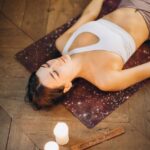
| 1 | Opening relaxation Śavāsana | Free breathing | a few minutes Sivananda class structure | Transition: After the opening chant, lie on the back. | |
| 2 | Kapalabhati (breathing practice) | Free breathing | n/a | rounds as taught Sivananda class structure | Transition: Sit cross-legged. Easier option: Gentle pace; skip with high blood pressure, pregnancy or heart conditions. Breathing practice, not a pose: see /breathing/kapalabhati/. |
| 3 | Anuloma viloma (alternate-nostril breathing) | Free breathing | n/a | rounds as taught Sivananda class structure | Transition: Same seat. Easier option: Without breath retention for beginners. Breathing practice: see /breathing/nadi-shodhana/. |
| 4 | Sun salutation (12 positions) sequence Sūrya Namaskāra | Free breathing | Each side | several rounds Sivananda class structure | Transition: Stand at the front of the mat. Easier option: Chair sun salutation. |
| 5 | 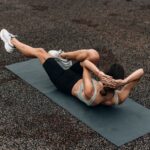 Leg raises (single, then double) Uttānapādāsana | Free breathing | Each side | repetitions as taught Sivananda class structure | Transition: Lie on the back; raise one leg at a time, then both. Easier option: Bent knees; hands under the hips. |
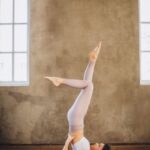
| 6 | 1. Sirshasana (headstand) Sālamba Śīrṣāsana | Free breathing | Sivananda class practice (holds vary by level; set by the teacher) Sivananda Yoga Vedanta Centres | Transition: Child pose, then forearms down and lift. Easier option: Preparation only (dolphin) until taught. Inversion: teacher. | |
| 7 | 2. Sarvangasana (shoulderstand) Sālamba Sarvāṅgāsana | Free breathing | Sivananda class practice (holds vary by level; set by the teacher) Sivananda Yoga Vedanta Centres | Transition: Rest in corpse pose for a few breaths before the next posture. Easier option: Legs up the wall. Inversion. | |
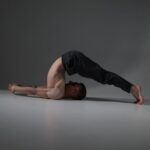
| 8 | 3. Halasana (plough) Halāsana | Free breathing | Sivananda class practice (holds vary by level; set by the teacher) Sivananda Yoga Vedanta Centres | Transition: From shoulderstand, lower the feet behind the head. Easier option: Feet on a chair. | |
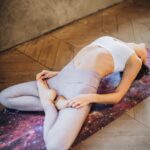
| 9 | 4. Matsyasana (fish) Matsyāsana | Free breathing | Sivananda class practice (holds vary by level; set by the teacher) Sivananda Yoga Vedanta Centres | Transition: Roll down; counterpose to the shoulderstand group. Easier option: Forearms down; bolster. | |
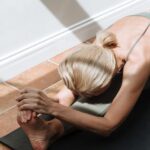
| 10 | 5. Paschimothanasana (seated forward bend) Paścimottānāsana | Free breathing | Sivananda class practice (holds vary by level; set by the teacher) Sivananda Yoga Vedanta Centres | Transition: Sit up, legs forward, fold. Easier option: Bent knees; strap. | |
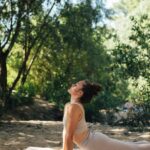
| 11 | 6. Bhujangasana (cobra) Bhujaṅgāsana | Free breathing | Sivananda class practice (holds vary by level; set by the teacher) Sivananda Yoga Vedanta Centres | Transition: Lie on the belly, lift the chest. Easier option: Low cobra. | |
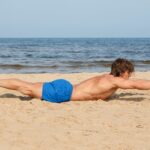
| 12 | 7. Salabhasana (locust) Śalabhāsana | Free breathing | Sivananda class practice (holds vary by level; set by the teacher) Sivananda Yoga Vedanta Centres | Transition: Arms under the body, lift the legs. Easier option: Half locust (one leg). | |
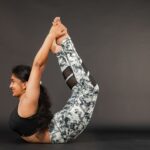
| 13 | 8. Dhanurasana (bow) Dhanurāsana | Free breathing | Sivananda class practice (holds vary by level; set by the teacher) Sivananda Yoga Vedanta Centres | Transition: Hold the ankles and lift; rest in child pose after. Easier option: Half bow; strap. | |
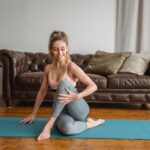
| 14 | 9. Ardha Matsyendrasana (half spinal twist) Ardha Matsyendrāsana | Free breathing | Each side | Sivananda class practice (holds vary by level; set by the teacher) Sivananda Yoga Vedanta Centres | Transition: Sit, twist right, then left. Easier option: Bottom leg straight. |
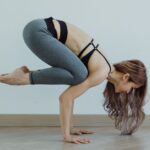
| 15 | 10. Kakasana (crow), or Mayurasana (peacock) for experienced students Kākāsana | Free breathing | Sivananda class practice (holds vary by level; set by the teacher) Sivananda Yoga Vedanta Centres | Transition: Squat, hands down, knees on the upper arms, lift. Easier option: Feet on a block; one foot at a time. Peacock as an alternative is common in Sivananda teaching but not confirmed in the cited official lists. Arm balance. | |
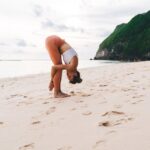
| 16 | 11. Pada Hasthasana (standing forward bend) Pādahastāsana | Free breathing | Sivananda class practice (holds vary by level; set by the teacher) Sivananda Yoga Vedanta Centres | Transition: Stand and fold, hands under the feet or holding the legs. Easier option: Bent knees; hands on the shins. | |
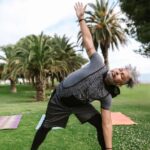
| 17 | 12. Trikonasana (triangle) Utthita Trikoṇāsana | Free breathing | Each side | Sivananda class practice (holds vary by level; set by the teacher) Sivananda Yoga Vedanta Centres | Transition: Feet wide, bend to the right, then left. Easier option: Hand on the shin or a block. |
| 18 | Final relaxation Śavāsana | Free breathing | about 10-15 minutes Sivananda class sequence (Light Yoga Space description); Yoga Ranch: deep relaxation | Transition: Lie on the back; guided relaxation; closing chants. Easier option: Bolster under the knees. |