Sivananda 12 Basic Asanas: the order and the class around it
The Sivananda 12 basic asanas in their fixed order, from headstand to triangle, with the full class structure: relaxation, breathing practices, sun salutations, leg raises and final relaxation.
By YogaVacation Editorial Team · Updated October 8, 2026 · Facts checked October 6, 2026
Not yet reviewed by a qualified teacher·Names and order checked against 5 sources
Taught by Swami Vishnudevananda, disciple of Swami Sivananda, through the Sivananda Yoga Vedanta Centres; order as listed on the centres' own pages.
Who it is for
Open classes include beginners, who learn preparatory stages; full headstand, shoulderstand, bow and crow need guidance.
The steps in order
Version shown: As listed by Sivananda Yoga Vedanta Centres (Yoga Ranch; Google Arts & Culture story by the organisation); class structure per Sivananda NYC and Yoga Ranch
about 10-15 minutes Sivananda class sequence (Light Yoga Space description); Yoga Ranch: deep relaxation
Transition: Lie on the back; guided relaxation; closing chants.
Easier option: Bolster under the knees.
Left and right
Half spinal twist and triangle: right, then left (and the 12-position sun salutation alternates the leading leg).
Repetitions and counting
Each asana once (some held, some repeated, as the teacher sets); sun salutation several rounds; final relaxation 10-15 minutes.
Props and adaptations
Preparatory stages for headstand (dolphin), legs up the wall for shoulderstand, half locust and half bow, block under the feet in crow, bent knees in forward bends, bolster in fish.
Precautions
Headstand and shoulderstand: inversions; learn with a teacher; not with neck problems, high blood pressure, heart conditions, glaucoma or in pregnancy.
Kapalabhati: forceful breathing; not with high blood pressure, heart conditions or in pregnancy unless a teacher adapts it.
Bow and crow are demanding; use the preparatory stages.
Learn it with a teacher: Learn the inversions and kapalabhati in a Sivananda class before practising them at home.
General information, not medical advice. Poses do not cure illness. If you are pregnant, injured or have a health condition, check with your doctor and tell your teacher before you practise.
Share your Sivananda 12 Basic Asanas, wherever you are
The 12 basic asanas are the core of a Sivananda yoga class, as taught by the Sivananda Yoga Vedanta Centres founded by Swami Vishnudevananda, a disciple of Swami Sivananda of Rishikesh. They are always practised in the same order: headstand, shoulderstand, plough, fish, seated forward bend, cobra, locust, bow, half spinal twist, crow (or peacock), standing forward bend and triangle. Around them, a class adds breathing exercises, sun salutations, leg raises and relaxation. See also Sivananda yoga.
Why this order
The Sivananda centres describe the sequence as an exact order that moves every major part of the body in a balanced way: the inversions first, then each inversion’s counterpose (fish after the shoulderstand group), forward bend, then three backbends on the belly, a twist, a balance, and two standing postures to finish. A senior teacher of the organisation, Swami Swaroopananda, also gives a symbolic reading of the order in terms of the chakras; we mention it as the tradition’s own explanation, not as a physical claim.
The class structure
A typical open class, about 90 minutes, runs: opening chant and a short relaxation lying on the back; breathing exercises, mainly kapalabhati and alternate-nostril breathing (anuloma viloma, see nadi shodhana); several rounds of the 12-position sun salutation; single and double leg raises; the 12 basic asanas, with short rests in corpse pose (or child’s pose after the belly postures) between them; and a long final relaxation of about 10 to 15 minutes, closing with chants. The breathing exercises are practices in their own right, not poses, and have their own pages.
The twelve, one by one, with the times the Sivananda Ranch gives
The Sivananda Ashram Yoga Ranch in New York publishes a page for each basic posture, and the times below come from those pages. They are starting points and goals, not fixed counts, and a teacher adapts them to the class.
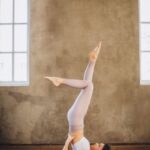
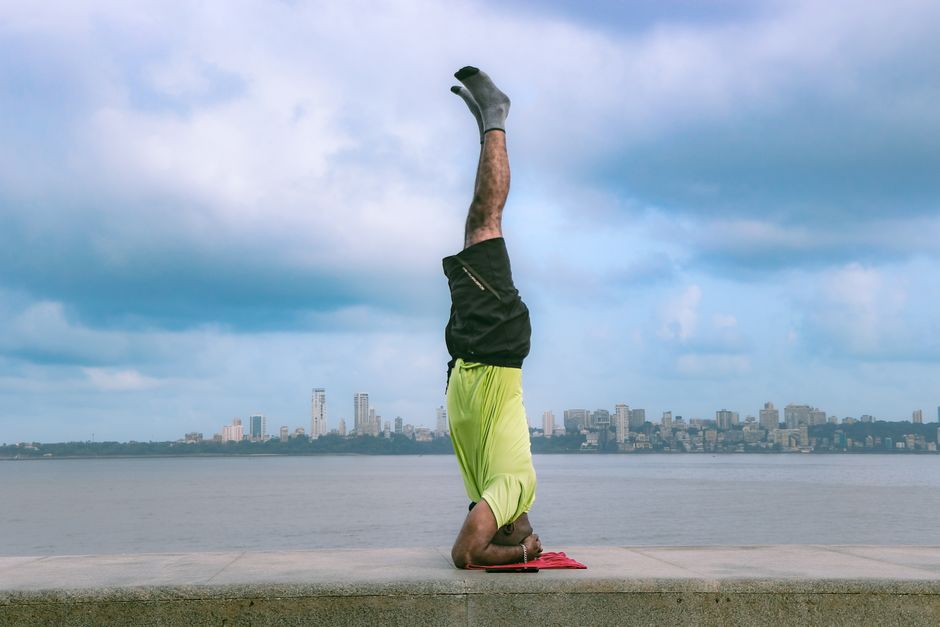
1. Headstand: start with about 5 seconds and build up gradually; the Ranch gives five to ten minutes a day as the optimum. Beginners may start with dolphin. Afterward, rest in child’s pose for at least a minute before lifting the head.
2. Shoulderstand: 30 seconds at first, building to 3 minutes; with high blood pressure, no more than 30 seconds.
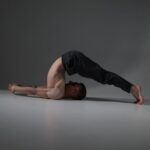
3. Plough: 30 seconds, building to 2 minutes. The feet may not reach the floor at first; keep the hands on the back for support.
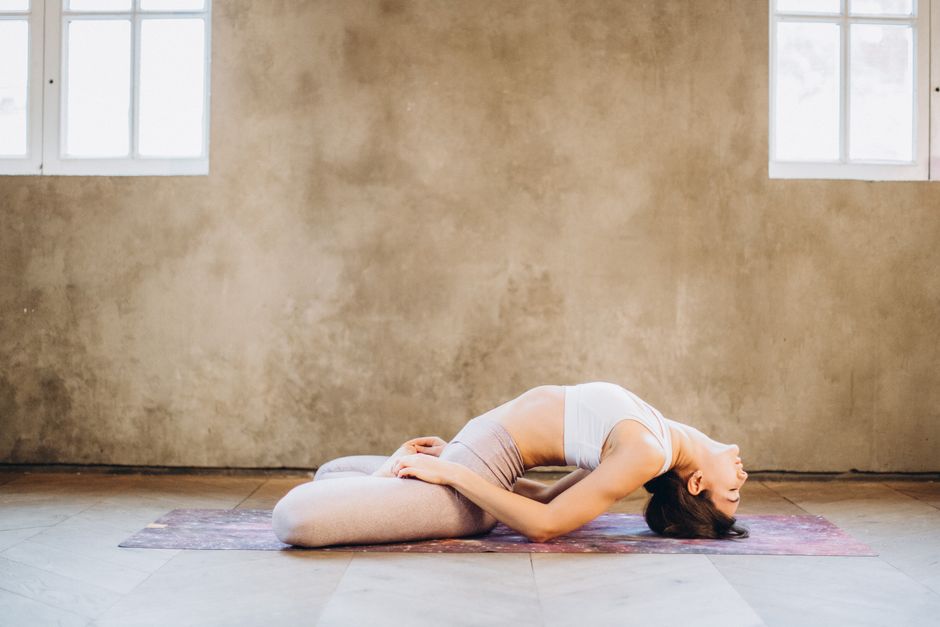
4. Fish: about 30 seconds, then rest in corpse pose.
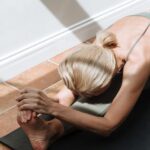
5. Seated forward bend: 30 seconds, then stretch up and repeat twice. If the toes are out of reach, hold the ankles, shins or knees. The Ranch pairs it with inclined plane, held about 10 seconds, as its counterpose.
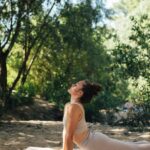
6. Cobra: 10 to 60 seconds, perhaps twice more, with no pain in the lower back.
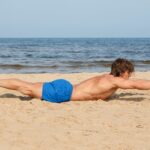
7. Locust: half locust, one leg at a time for at least 10 seconds, three times each side; then full locust, both legs, twice.
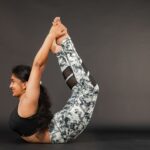
8. Bow: 10 seconds, building to 30, three times.
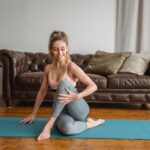
9. Half spinal twist: at least 30 seconds each way. The Ranch notes that it comes after the forward and backward bends of the spine.
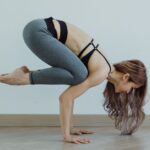
10. Crow: at least 10 seconds, building toward 30 seconds and in time a minute.
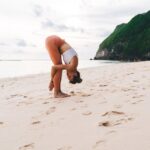
11. Standing forward bend: at least 30 seconds, growing to several minutes with experience.
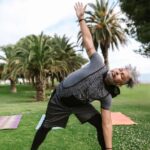
12. Triangle: 30 seconds each side, building to two minutes.
Notice the rhythm: short holds that grow with practice, repeats on the belly backbends, and a rest between postures. Nothing is meant to be forced. The Ranch’s own description of the forward bend sums up the attitude: relax into the position rather than forcing yourself into it.
Crow or peacock, and other variations
The Sivananda centres’ own lists name the tenth posture as crow (Kakasana). Some Sivananda teachers present it as “crow or peacock” (Mayurasana), with peacock as the harder balance for experienced students; we could not confirm peacock in an official source. Each basic posture also has variations taught in intermediate and advanced classes (for example lotus in headstand or shoulderstand, or one-legged versions); these are added by the teacher and are not part of the basic order.
Basic does not mean beginner
“Basic” means foundational in this system. The series opens with headstand and shoulderstand, both inversions with real risks for the neck, and includes a full backbend in bow and an arm balance in crow. Beginners in Sivananda classes are taught preparatory stages (dolphin-like headstand preparation, half locust, half bow) and the inversions with a teacher. With neck problems, high blood pressure, heart conditions, glaucoma, or during pregnancy, leave out the inversions and ask a health professional and teacher. This page has not yet been reviewed by a qualified teacher.
Headstand, shoulderstand, plough, fish, seated forward bend, cobra, locust, bow, half spinal twist, crow, standing forward bend and triangle, in that order.
Are the 12 basic asanas suitable for beginners?
They are foundational, not easy. Beginners learn preparatory stages, and the inversions should be learned with a teacher.
What else happens in a Sivananda class?
Relaxation, breathing exercises (kapalabhati and alternate-nostril breathing), sun salutations and leg raises before the asanas, and a long final relaxation.

 Leg raises (single, then double)