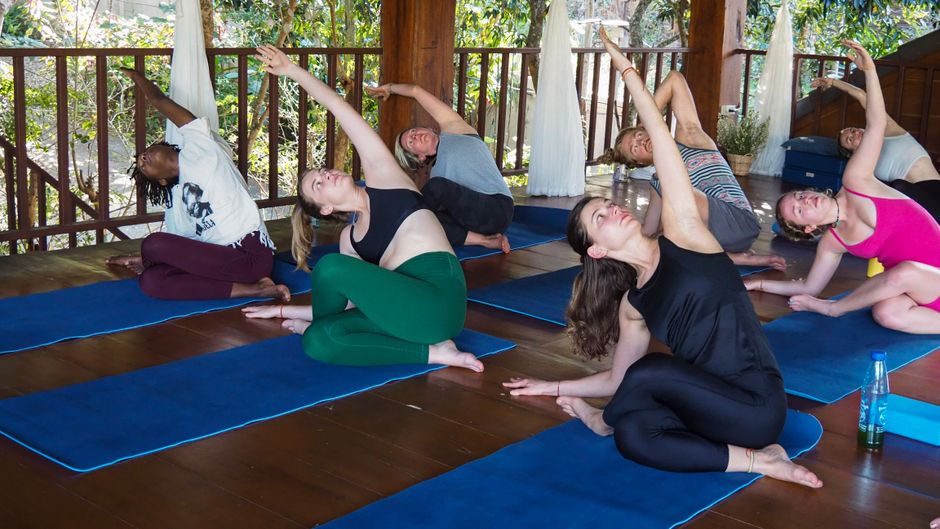
This article contains affiliate links: if you buy through them we may earn a commission, at no extra cost to you. Read our affiliate disclosure.
In short: to start yoga you need very little: comfortable clothes you can move in and a mat with good grip. A couple of blocks and a strap make many poses more accessible, and a bolster or cushion helps with restorative practice and meditation. Buy for the way you actually practise, at home, in a studio or on the road, and skip anything that promises results.
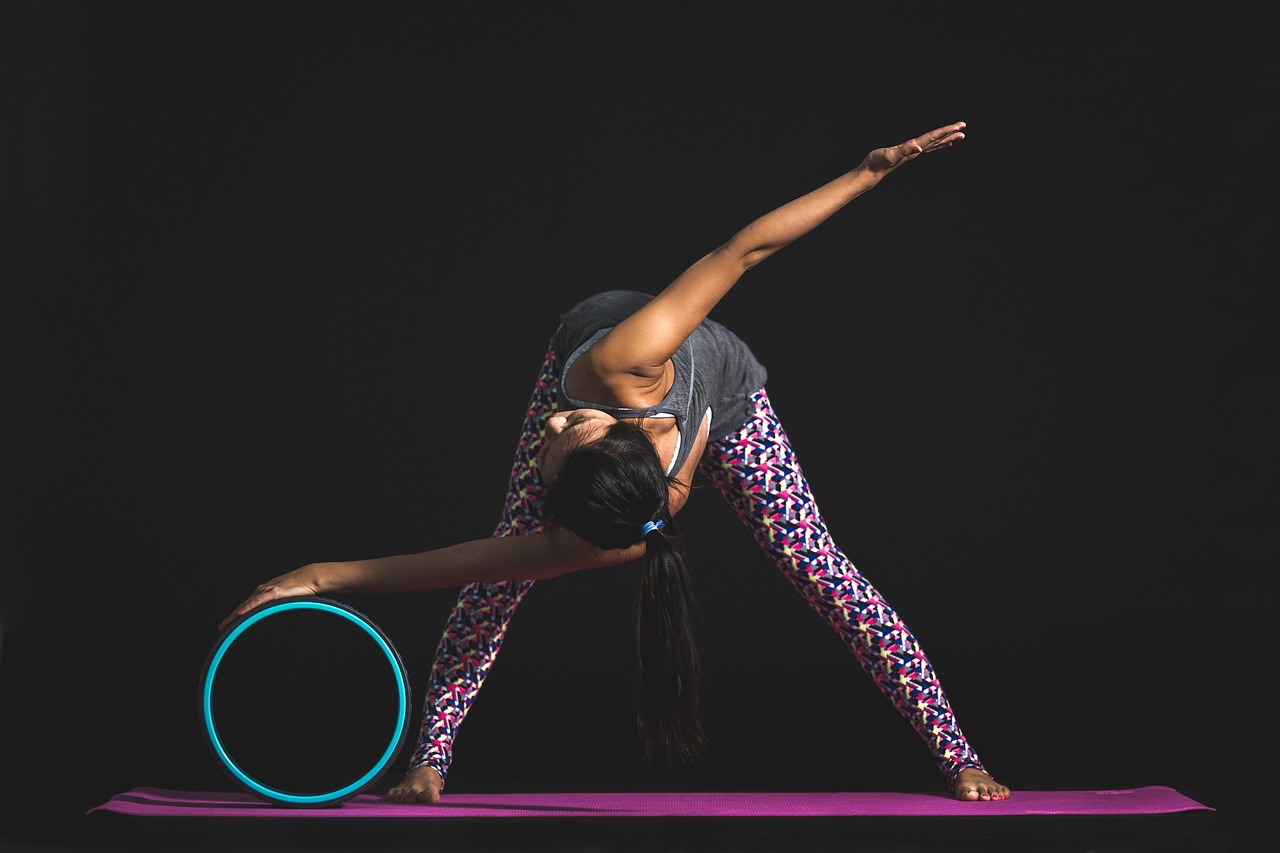
Yoga gear can look like a whole industry, but good practice has always needed more attention than equipment. This hub sorts yoga gear into what genuinely helps, what is nice to have and what you can safely ignore. Each buying guide explains how to choose (materials, sizes, care), what matters when you travel, and a short list of researched picks. We have not tested these products ourselves unless a guide says so; our picks come from makers’ specifications, materials and how each item fits a real practice.
Disclosure: as an Amazon Associate we earn from qualifying purchases. It costs you nothing extra and never decides what we recommend. See our editorial standards.
Start here: three steps
- Begin with a mat. It is the one piece almost everyone uses every time. Our guide to choosing a yoga mat covers grip, thickness, materials and travel mats.
- Add two props. A pair of blocks and a strap bring the floor closer and make poses easier to hold with good alignment. See yoga blocks: cork, foam or wood.
- Wait before buying the rest. Try a few classes first. If you love slow, supported practice, a bolster or meditation cushion is the next step; if you prefer heated classes, a towel matters more than anything else.
The essentials
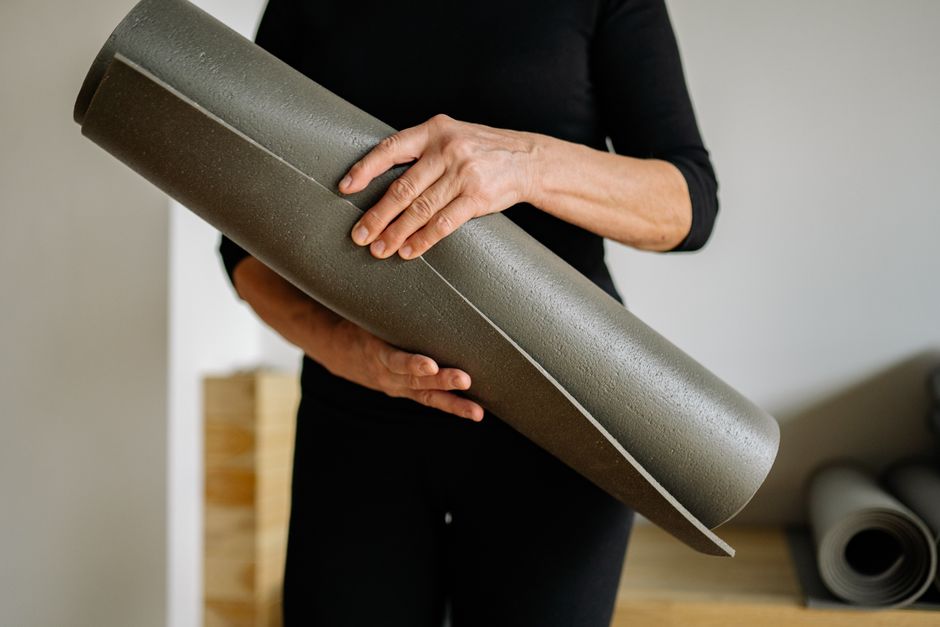
- A yoga mat. It gives your hands and feet grip and cushions knees and spine. Studios often lend or rent mats, which is a good way to try a few types before buying. Read the yoga mat guide.
- Clothes you can move in. Anything that stretches and stays in place when you bend forward or lift your arms. What works best depends on the style; our guide to yoga clothing by style explains the differences for heated, slow and aerial classes.
- Water and a small towel. Especially useful for vigorous or hot yoga classes.
If you are new, our yoga for beginners guide and what to expect at your first yoga class cover the rest, including what the studio usually provides.
Props that make practice easier
Props are not a crutch. They let you set up a pose so it fits your body today, which is why many teachers use them at every level.
- Blocks raise the floor in standing poses and forward folds, and support the hips when you sit. Foam is light and soft; cork is firmer and heavier. Details in our yoga blocks guide.
- A strap extends your reach when you cannot comfortably hold your feet, for example in seated forward bends or lying hamstring stretches.
- A bolster is a firm, long cushion that supports the body in restful poses. It is a staple of restorative yoga and often used in yin yoga. See yoga bolsters: shapes, fillings and uses.
- A blanket can pad the knees, lift the hips when sitting, or keep you warm in final relaxation. A firm household blanket works fine.
- A chair or a wall can support balance and make practice accessible; chair yoga is built around this idea.
Researched picks: blocks, strap and bolster
Amazon US listings we checked in October 2026. These are researched picks based on makers’ specifications, not products we have tested. Prices change often, so check the current price and size before you buy.
Gaiam Yoga Block (EVA foam)
- Standard 9 x 6 x 4 in
- Latex-free EVA foam, about 4.6 oz
- Beveled edges; about $9, seen October 2026
Manduka Cork Yoga Block
- 9 x 6 x 4 in
- Fine-grain cork, firmer than foam
- About $26, seen October 2026
Hugger Mugger D-Ring Cotton Yoga Strap
- Cotton webbing, metal D-ring
- 6, 8 and 10 ft lengths
- About $21, seen October 2026
Hugger Mugger Standard Yoga Bolster
- About 25 x 11 x 6 in, about 5 lb
- Flat, firm, handmade
- About $114, seen October 2026
For meditation and breathing practice
Sitting for meditation is easier when the hips are a little higher than the knees. A firm cushion, a folded blanket or a block can do that. Our guide to meditation cushions: zafu, zabuton and benches explains the options, and how to meditate covers posture and getting started. Breathing practices need no equipment at all; see our breathing exercises hub.
Your travel kit for a yoga retreat
Most retreat centers provide mats and props, but not all, so ask before you pack. If you want your own surface, a thin foldable travel mat weighs a fraction of a studio mat; the travel section of our yoga mat guide compares a few. A light layer for early-morning sessions, a refillable water bottle and a small towel cover most needs. Our guide on how to choose a yoga retreat includes the questions to ask about what is provided.
Buying on a budget
You can practise well for very little. Borrow the studio’s mat and props while you find your style, use a firm cushion or folded blankets instead of a bolster, a sturdy book instead of a block and a belt or scarf instead of a strap. Spend first on the item you use every session, usually the mat, and add the rest only when you notice you keep reaching for it.
What you don’t need
- Anything sold with health promises. Gear can make practice more comfortable; it does not heal, detoxify or “balance” anything.
- A full prop set on day one. Try the studio’s props first and buy only what you keep reaching for.
- Specialist kit for specialist classes. Aerial yoga hammocks need proper rigging and are best used in a studio with a trained teacher.
Books, words and learning resources
Our free guides are a good place to keep learning: the yoga glossary explains Sanskrit and class terms, the practice plans give you ready-made sequences, and the yoga philosophy section lists the classical texts and the translations worth reading.
Frequently asked questions
What equipment do I need to start yoga?
Comfortable clothes and a mat with good grip. Many studios lend mats and props, so you can try them before buying anything else.
Do I need yoga blocks as a beginner?
They are not required, but two blocks make many poses easier to set up with good alignment, and teachers use them at every level. A firm book or a stack of folded blankets can stand in while you decide.
Cork or foam yoga blocks?
Foam blocks are lighter, softer and usually cheaper. Cork blocks are firmer and heavier, which some people prefer when putting weight on them. Both come in the standard 9 x 6 x 4 in size.
Should I bring my own mat to a yoga retreat?
Ask the retreat first. Many provide mats and props. If you prefer your own, a foldable travel mat is light and fits in a suitcase.
Are your gear picks tested?
No, unless a guide clearly says so. Our picks are researched from makers' specifications and current listings, and we say when we last checked them.
Sources
- Gaiam Yoga Block (EVA foam), product listing, Amazon (accessed October 6, 2026)
- Manduka Cork Yoga Block, product listing, Amazon (accessed October 6, 2026)
- Hugger Mugger D-Ring Cotton Yoga Strap, product listing, Amazon (accessed October 6, 2026)
- Hugger Mugger Standard Yoga Bolster, product listing, Amazon (accessed October 6, 2026)
- Associates Program Operating Agreement, Amazon (accessed October 6, 2026)
Facts checked on October 6, 2026