
In short: yoga philosophy is the body of ideas behind the practice: texts such as the Upanishads, the Bhagavad Gita, the Yoga Sutras and the Hatha yoga manuals; an ethical path that begins with how you treat others; and several traditional routes to freedom, through action, devotion, knowledge and meditation. Postures are only a small part of it. This hub helps you find your way into those ideas, presented as teachings of their traditions.
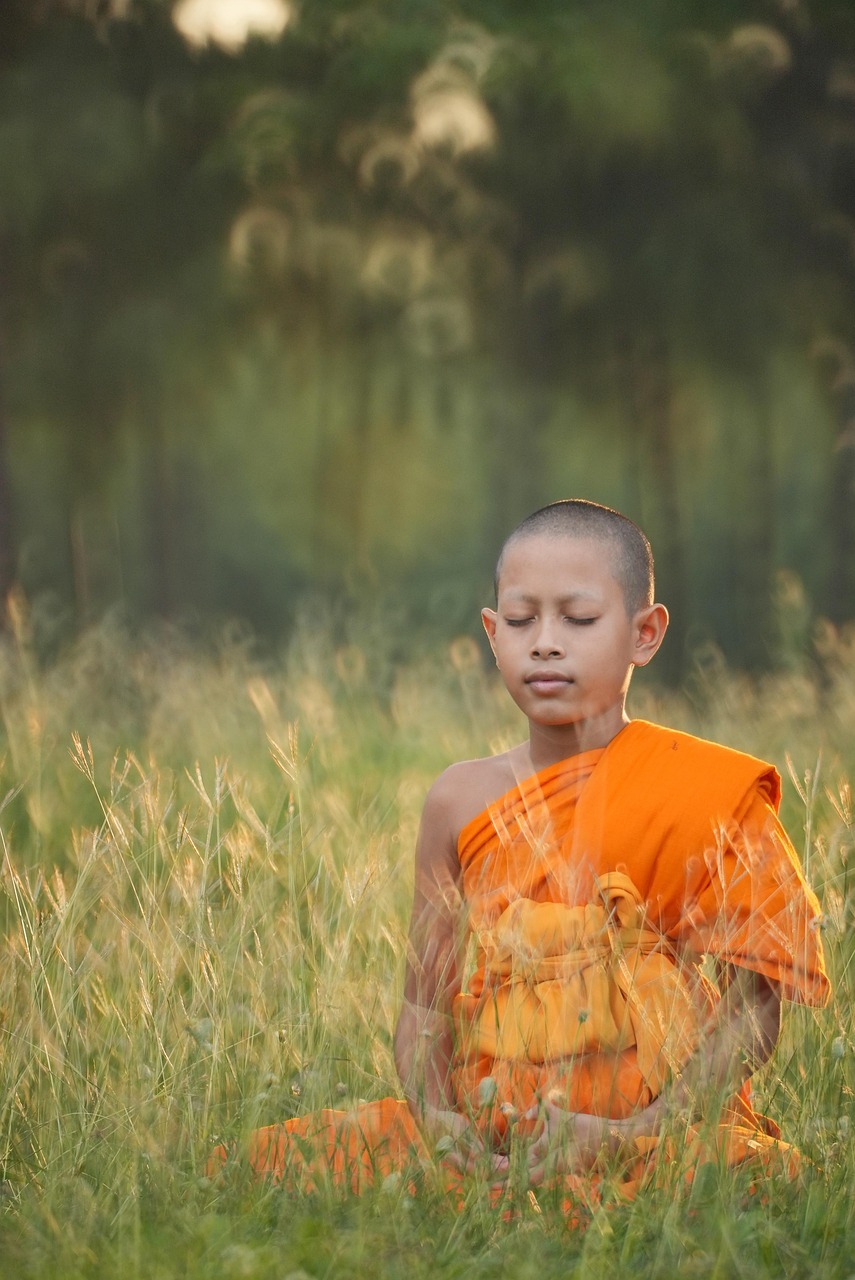
Many people come to yoga for the movement and then start to wonder about the words they hear in class: ahimsa, chakra, Om, “the eight limbs.” Yoga philosophy is where those words come from. It is not one doctrine but a family of teachings that developed over more than two thousand years in South Asia, within Hindu traditions and in conversation with Buddhist and Jain thought. Our guides explain the main texts and ideas plainly, name the translators we quote, and keep three things separate: what a tradition teaches, what historians can say about it, and what scientific research has or hasn’t shown.
Start here: three steps
- Get the big picture. Read what yoga is, then the history of yoga, from early sources to modern classes.
- Learn the classical path. The eight limbs of yoga show how Patañjali connects ethics, posture, breath and meditation. Begin with the first limb, the yamas.
- Read one text. The Bhagavad Gita is the most approachable classic; our guide suggests translations to start with.
The key texts
A handful of texts come up again and again. Dates for early Indian texts are uncertain, so treat the dates below as scholars’ estimates.
- The Upanishads (the earliest from around 800 to 600 BCE, according to Edwin Bryant in the Internet Encyclopedia of Philosophy). Here practices clearly related to classical yoga are first described in literature, alongside teachings on the self and ultimate reality.
- The Bhagavad Gita, a 700-verse dialogue in the Mahabharata epic, whose date is debated (estimates range across the last centuries BCE). It teaches yoga as right action, devotion and knowledge. Read our guide to the Bhagavad Gita.
- The Yoga Sutras of Patañjali, about 195 terse aphorisms that most scholars date to around the 1st or 2nd century CE. It defines yoga as the stilling of the mind and sets out the eight limbs. A reader’s guide to the Yoga Sutras.
- The Hatha yoga texts, above all the 15th-century Haṭha Yoga Pradīpikā of Svātmārāma, which describes postures, breath control, cleansing practices and the seals (mudras) and locks used to move subtle energy. Our Hatha yoga guide explains how this older meaning relates to today’s “Hatha” class.
One fact surprises many students: the Yoga Sutras give posture (asana) only three short sutras, under 1% of the text, as Bryant notes, and in the early texts āsana means a steady seat for meditation. The idea of yoga as mainly a sequence of physical poses is largely modern.
Ethics and the eight limbs
The Yoga Sutras’ eight limbs (aṣṭāṅga) begin with ethics: five restraints (yamas) such as non-harming and truthfulness, then five observances (niyamas) such as contentment and self-study. Only then come posture, breath regulation, withdrawal of the senses, concentration, meditation and finally samadhi, absorption. The order is the point: practice rests on how you live. Our guide to the eight limbs walks through each one and shows how modern classes relate to them.
Traditional paths of yoga
Many modern books describe four paths. The scheme was popularized by Swami Vivekananda in the 1890s and draws on older sources, especially the Bhagavad Gita and the Yoga Sutras:
- Karma yoga, the path of action: doing what is right without clinging to the results. Karma yoga explained.
- Bhakti yoga, the path of devotion, expressed through prayer, chanting and service. Bhakti yoga explained.
- Jnana yoga, the path of knowledge and inquiry into the nature of the self, central to the Vedanta schools.
- Raja yoga, the “royal” path of meditation. The term is older (the Hatha texts already use it for the meditative goal of practice); Vivekananda applied it to the practice of the Yoga Sutras.
These are not separate religions or rival styles. In the Gita they are woven together, and most practitioners draw on more than one.
Subtle-body teachings
Tantric and Hatha traditions describe a subtle body of channels (nadis), life force (prana) and centers (chakras), along with practices meant to awaken the energy called kundalini. Our chakra guide explains where the popular seven-chakra model comes from (a Sanskrit text completed in 1577 and its early 20th-century English translation) and which parts of today’s chakra teaching are modern additions. These are traditional teachings and meditation methods; they are not anatomy that science has found, and we say so clearly.
Practicing respectfully
Yoga’s philosophy is living religious and cultural heritage, not just interesting ideas. A few simple habits help you engage with it well:
- Learn the meaning before you use a word or symbol. Our yoga glossary explains Sanskrit terms in plain English, from namaste to Om.
- Name the source. Say which text or teacher an idea comes from, and which translation you read.
- Keep belief and evidence apart. A traditional teaching can be valuable without being a health claim; be wary of anyone who turns it into one.
- Be a good guest. At an ashram or temple, follow local customs on dress, silence and participation. Our guide to staying at an ashram covers what to expect, and yoga in India introduces the places where many of these traditions are still taught.
From philosophy to practice
Philosophy and practice feed each other. Meditation is where the later limbs are lived; start with how to meditate. Breath work connects the physical and the meditative; our breathing exercises hub begins with gentle techniques. And many of yoga’s ethical ideas come alive in everyday choices, the theme of our personal growth section.
A short reading list
- Yoga Sutras: Edwin F. Bryant, The Yoga Sutras of Patañjali (North Point Press, 2009), a full translation with traditional commentary; or Chip Hartranft, The Yoga-Sutra of Patañjali (Shambhala, 2003), shorter and clear. Charles Johnston’s 1912 interpretation is free on Project Gutenberg.
- Bhagavad Gita: Barbara Stoler Miller (1986), Laurie L. Patton (Penguin Classics, 2008) or Eknath Easwaran (Nilgiri Press); Sir Edwin Arnold’s 1885 verse version is free.
- Hatha yoga: the Haṭha Yoga Pradīpikā in Pancham Sinh’s 1914–1915 translation, public domain.
- Free scholarly overviews: the Internet Encyclopedia of Philosophy articles on the Yoga Sutras (Edwin Bryant) and the Bhagavad Gita (Shyam Ranganathan).
Frequently asked questions
What is yoga philosophy?
It is the set of ideas behind yoga practice, found in texts such as the Upanishads, the Bhagavad Gita, the Yoga Sutras of Patanjali and the Hatha yoga manuals. It covers ethics, the nature of the mind and self, meditation, and traditional paths to liberation.
What are the main yoga texts?
The Upanishads, the Bhagavad Gita, the Yoga Sutras of Patanjali and the Hatha Yoga Pradipika are the four most often studied. Yoga teacher trainings commonly study the Yoga Sutras and the Hatha Yoga Pradipika.
Do I have to be religious to study yoga philosophy?
No. Many people study it for its ethics and its insights into the mind. It is part of living Hindu, Buddhist and Jain traditions, though, so it helps to approach it with respect and to learn what terms and symbols mean before using them.
What are the four paths of yoga?
Karma yoga (action), bhakti yoga (devotion), jnana yoga (knowledge) and raja yoga (meditation). The four-path scheme was popularized by Swami Vivekananda in the 1890s, drawing on the Bhagavad Gita and the Yoga Sutras.
Where should a beginner start with yoga philosophy?
Start with the eight limbs of yoga and the yamas, its first ethical step, then read a good translation of the Bhagavad Gita. Our guides suggest translations and name the translators.
Sources
- Yoga Sutras of Patañjali (Edwin Bryant), Internet Encyclopedia of Philosophy (accessed October 6, 2026)
- Bhagavad Gītā (Shyam Ranganathan), Internet Encyclopedia of Philosophy (accessed October 6, 2026)
- The Yoga Sutras of Patanjali: The Book of the Spiritual Man (Charles Johnston, 1912), Project Gutenberg (accessed October 6, 2026)
- Hatha Yoga Pradipika, translated by Pancham Sinh, Internet Archive (accessed October 6, 2026)
- Hatha Yoga Pradipika (date, author, contents), Wikipedia (accessed October 6, 2026)
- Raja Yoga (book), Swami Vivekananda, 1896, Wikipedia (accessed October 6, 2026)
- Yoga: What You Need To Know, National Center for Complementary and Integrative Health (NIH) (accessed October 6, 2026)
Facts checked on October 6, 2026