In short: a yoga retreat in Costa Rica usually means the Pacific coast, where surf towns such as Nosara and Santa Teresa grew into well-known yoga communities, with the Caribbean coast and the South Pacific as quieter alternatives. The Pacific dry season runs from December to March, the green season from May to November. Fly into San José (SJO) or Liberia (LIR), and budget for slow roads between regions.
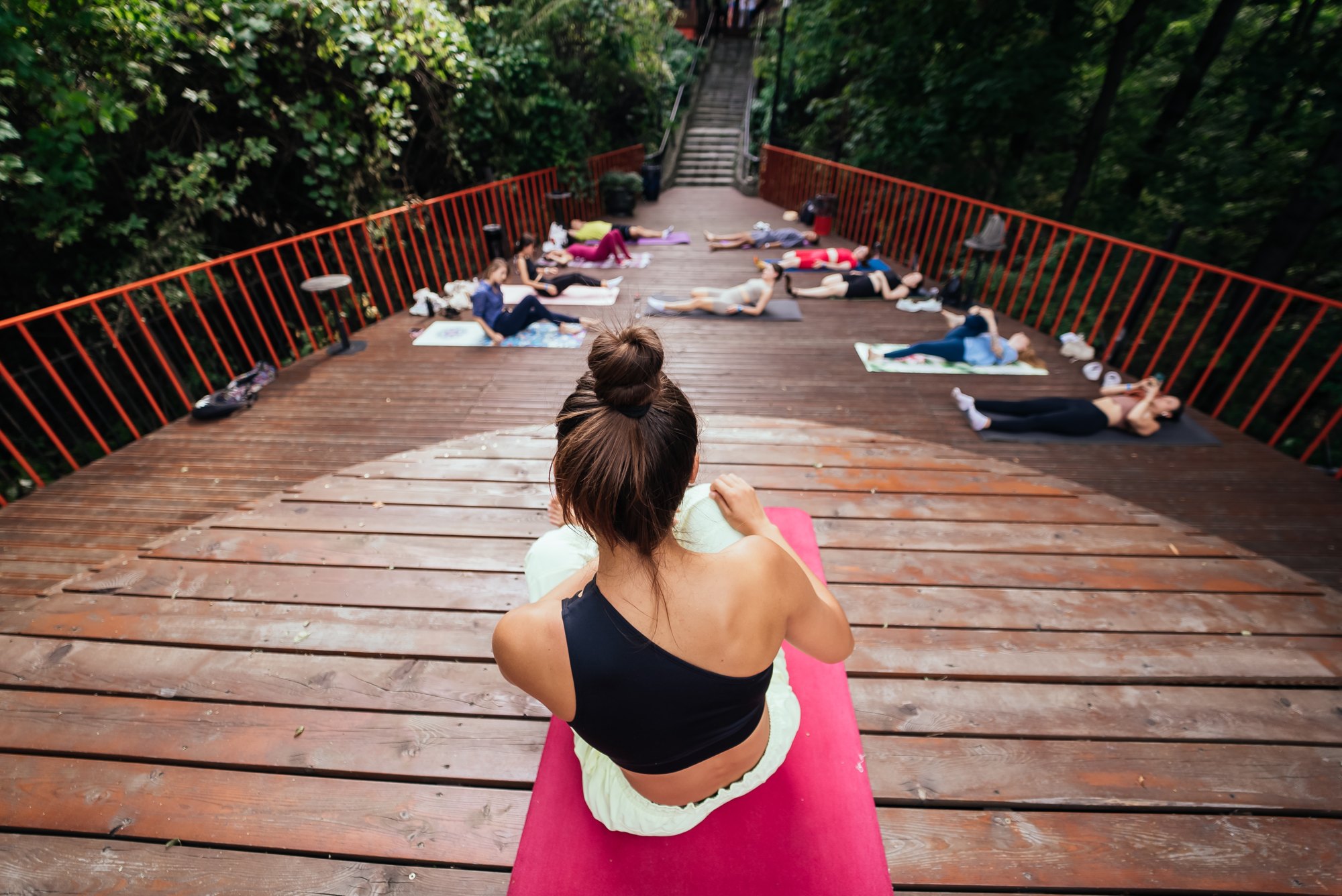
Picture a wooden platform under the trees, howler monkeys calling at dawn, and a short walk to a wide beach after class. That is the yoga retreat in Costa Rica many people imagine, and it is real: the country’s own tourism board describes the Nosara and Playa Guiones area as a home for yoga and spiritual tourism. This guide covers where to go, when, what things cost and how to get around, so you can choose the coast that fits your practice. Every travel fact below was checked on 6 October 2026.
Costa Rica at a glance
| Best months (Pacific coast) | December to March is dry; April is a transition month |
| Green season | May to November; September and October are the wettest on the Pacific side |
| Main airports | Juan Santamaria International (SJO), near San José; Daniel Oduber Quirós International (LIR), Liberia, the gateway to Guanacaste |
| Money | The colón (CRC); US dollars and major cards are widely accepted |
| Language | Spanish |
| Entry and visas | See the Costa Rica travel guide on travelercenter.com |
Geography in one minute
Costa Rica is small but varied. A volcanic spine runs down the middle, with the capital, San José, in the Central Valley. To the west is a long Pacific coast with two big peninsulas, Nicoya in the north and Osa in the south. To the east is a shorter Caribbean coast with Afro-Caribbean towns, reefs and rainforest. The tourism board says about a quarter of the land (26%) is protected, and you feel it: many retreat centers sit at the edge of forest, with wildlife as part of the day.
The yoga scene
Costa Rica is not a country with an old yoga tradition of its own, the way India is. Its yoga scene is modern and centered on the beach towns, and the government tourism board now promotes wellness, from retreats to hot springs, as one of the country’s travel themes. What you find is mostly modern practice, especially vinyasa and hatha classes, slower yin yoga sessions, and retreats that pair yoga with surfing, hiking, hot springs or simply rest.
With short flights from much of North America and a well-organized tourism industry, Costa Rica is an easy first yoga trip. It is also a popular place for teacher training; our guide to yoga teacher training in Costa Rica covers that separately.
Retreat areas in Costa Rica
Nosara and Playa Guiones (Nicoya Peninsula, Guanacaste)
The best-known name in Costa Rican yoga. The tourism board describes Nosara and Guiones beaches as long and wide, with strong waves for surfing and a river mangrove, and says the area has become a home for yoga and spiritual tourism. Expect a spread-out community on dirt roads, with surf in the morning and evening and classes in between. It suits people who want a strong yoga community and do not mind a slightly remote location.
Sámara and the Guanacaste coast
South of Nosara, Sámara has a calm bay about 4 km long that the tourism board calls one of the safest beaches in the country, a good fit for beginners and families. Further north, towns such as Tamarindo are busier, with more restaurants and nightlife, and are easy to reach from Liberia airport.
Santa Teresa and Montezuma (southern Nicoya, Puntarenas)
At the southern tip of the Nicoya Peninsula, Santa Teresa and nearby Montezuma combine surf beaches, waterfalls and the Cabo Blanco nature reserve. The tourism board lists both as key tourism areas of the peninsula, with Montezuma known for its waterfall and natural pool. Many visitors arrive by the car ferry from Puntarenas to Paquera across the Gulf of Nicoya.
Dominical and Uvita (South Pacific)
Greener and more mountainous, with jungle running down to the sea. Dominical is known for strong surf; nearby Ballena Marine National Park at Uvita is where the tourism board says humpback whales can be seen from August to October and from December to April. Retreats here often add waterfalls and forest walks.
Puerto Viejo and the Caribbean coast
A different rhythm: Afro-Caribbean food and music, coral reefs at Cahuita National Park, and beaches such as Cocles near Puerto Viejo de Talamanca. The Caribbean has its own weather pattern, so it can be a good choice when the Pacific is wet (see seasons below).
Arenal and the Central Valley
Inland, the hot springs below Arenal Volcano and the cooler hills around San José attract wellness travelers who prefer mountains to beaches. These areas are also handy for a few days of practice before or after a coastal retreat.
When to go: seasons in Costa Rica
Costa Rica has a dry season and a rainy (green) season rather than four seasons, and the two coasts behave differently. According to the Costa Rica Tourism Board (checked October 2026):
- Pacific side (Guanacaste, Nicoya, Central and South Pacific): dry from December to March, with March the driest and hottest month; April is a transition. Rain falls from May to October, heaviest in September and October, usually in the afternoon and early evening. July and August often bring a drier spell called the veranillo (“little summer”).
- Caribbean side: no well-defined dry season. The relatively drier periods are February to March and September to October, which means the Caribbean can be at its best exactly when the Pacific is wettest. December is often the rainiest month there.
For a yoga retreat, the green season has real advantages: quieter beaches, lush forest and mornings that are often clear, with rain later in the day. If you want guaranteed sunshine on the Pacific coast, aim for January to March.
Getting there and getting around
Costa Rica has two main international airports. Juan Santamaría International Airport (SJO) in Alajuela, near San José, is the largest. Daniel Oduber Quirós International Airport (LIR) in Liberia mainly serves travelers heading to Guanacaste, and is usually the closer choice for Nosara, Sámara and Tamarindo. The tourism board also lists more than ten domestic airports for short regional flights.
- Driving: the tourism board says a valid foreign driver’s license lets you drive for up to three months. Roads to many beach towns are slow and partly unpaved, so allow more time than the map suggests, and plan for a 4×4 in the rainy season.
- Shuttles and transfers: many retreats arrange airport transfers; ask whether they are included and how long the drive takes.
- Ferry: for Santa Teresa and Montezuma, the Puntarenas to Paquera ferry crosses the Gulf of Nicoya.
- Emergencies: dial 911.
Where to stay
Most yoga travelers choose between three kinds of stay: an all-in retreat center where classes, meals and rooms come as one package; a hotel or guesthouse plus drop-in classes at local studios; or a longer stay in a rented house with a class pass. A package is easiest for a first trip. Drop-in classes give you more freedom and let you try several teachers. Check whether the shala (practice space) is open-air, how far it is from the beach, and whether rooms have air conditioning if you are going in the hottest months.
What a yoga trip to Costa Rica costs
Costa Rica is not a budget destination by Central American standards, and prices vary widely between retreat centers. We do not quote retreat prices here because they change with each program; verified prices appear on individual listings with the date we checked them. A few fixed costs are useful to know (Costa Rica Tourism Board, checked October 2026):
- Value added tax is 13% and is included in the final price of goods and services.
- Restaurants and hotels include a 10% service charge in the bill, on top of the tax; extra tips are welcome but optional.
- The departure tax is USD 29 per person and is included in most airline tickets; if your ticket says it is not, you pay it at the airport.
- US dollars are widely accepted, alongside the colón and major cards.
When you compare retreats, check what is included: number of classes a day, meals, airport transfers, excursions (surf lessons, canopy tours, park entries) and the room type the price is based on. Our guide to choosing a yoga retreat has a full checklist.
Culture and etiquette
You will hear pura vida everywhere, used as a greeting, a thank-you and a way of life. A few words of Spanish go a long way, especially outside the main surf towns. Beach towns are relaxed, but cover up away from the sand. Respect wildlife: do not feed monkeys or touch sloths, and keep a distance from nesting turtles. The tourism board says tap water is drinkable in most of the country, so bring a refillable bottle and skip the plastic.
Accessibility
Many beach retreats are built on hillsides with steps, sand paths and open-air shalas, which can be hard for people with limited mobility. The tourism board notes that some businesses offer accessibility support and advises confirming transport, equipment, routes and rooms directly with each provider before booking. Ask retreats specifically about step-free access, the distance from rooms to the practice space, and whether chair-supported classes are possible.
Activities to combine with yoga
- Surfing: Nosara, Santa Teresa, Dominical and Tamarindo all have surf schools. See surf and yoga retreats.
- Wildlife and national parks: Cabo Blanco, Ballena Marine National Park, Cahuita and many more.
- Hot springs: around Arenal Volcano.
- Quiet practice: many retreats add meditation or evening yoga nidra sessions.
What to pack
Light, quick-drying clothes, a rain jacket for the green season, reef-safe sunscreen, insect repellent, sandals and shoes for muddy trails, and a refillable water bottle. Most retreats provide mats, but a light travel mat is handy for drop-in classes; our guide to yoga mats explains what to look for.
Practical information
- Entry, visas and health requirements: rules depend on your passport and change over time. Read the Costa Rica guide on travelercenter.com and confirm with official sources before you fly. Some travelers arriving from certain countries need a yellow fever vaccination certificate.
- Phones: local prepaid SIM cards are sold at the airport and in phone shops.
- Ocean safety: conditions change fast and many beaches have strong currents; swim where locals swim and ask about rip currents.
Related destinations
If you like the surf-and-yoga mix, compare yoga in Mexico and the beaches of Bali. For a slower, more traditional trip, look at Lake Atitlan in Guatemala or the ashrams of India. All our guides live on the yoga destinations hub, and you can plan the wider trip on travelercenter.com.