In short: a yoga retreat in India usually means one of three places: Rishikesh in the Himalayan foothills for ashrams and study by the Ganges, Mysuru in Karnataka for Ashtanga yoga, or Kerala in the south for Ayurveda stays. Plan around the southwest monsoon (June to September), choose a teacher or ashram whose rules you are happy to follow, and check visas on travelercenter.com before you book.
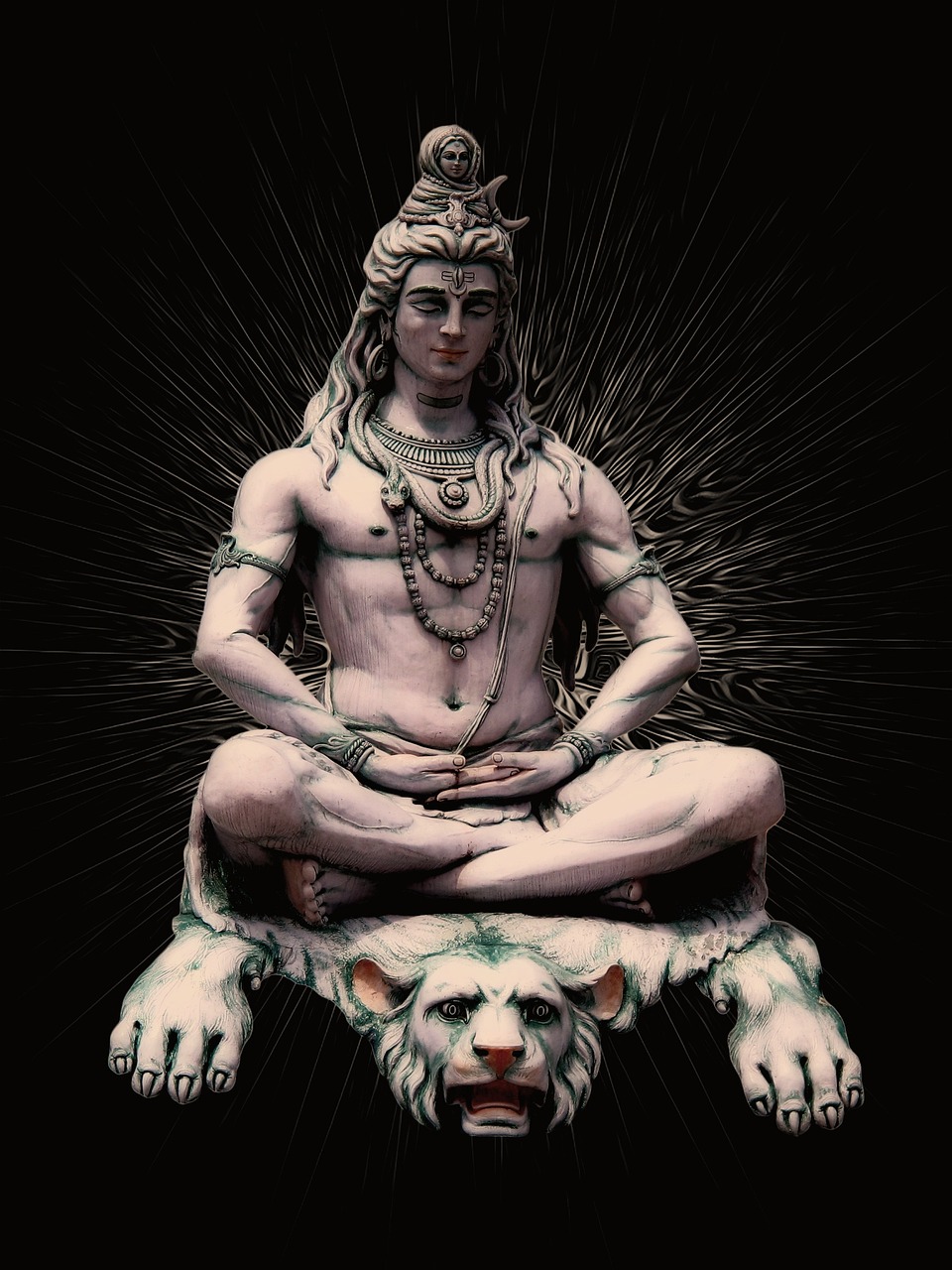
Going to India for yoga feels different from any other yoga trip. In Rishikesh you might start the day with chanting, practice asana in a plain hall, study a text in the afternoon and end the evening at a riverside ceremony with lamps and drums. This is where many of the traditions behind today’s classes took shape, and where many people go to study them more seriously. This guide explains the main regions for a yoga retreat in India, what ashram life involves, when to travel and how to be a respectful student. Travel facts were checked on 6 October 2026.
India at a glance
| Southwest monsoon | June to September; it usually reaches Kerala around 1 June and covers the whole country by about 8 July |
| Easier months | Generally October to March in the north (Uttarakhand Tourism recommends October to March for nature lovers); outside the monsoon in the south |
| Main yoga regions | Rishikesh (Uttarakhand); Mysuru (Karnataka); Kerala |
| Useful airports | Delhi (DEL); Dehradun Jolly Grant (DED) for Rishikesh; Bengaluru (BLR) for Mysuru; Thiruvananthapuram (TRV) and Kochi (COK) for Kerala |
| Money | Indian rupee (INR) |
| Entry and visas | See the India travel guide on travelercenter.com |
Yoga’s home: traditions you will meet
Yoga grew out of Indian religious and philosophical traditions over many centuries, and in India it is still taught as more than exercise. Our guides on what yoga is and the history of yoga tell that story with sources. On a trip, expect to meet several strands at once: hatha yoga classes built around postures and breathing; study of texts such as the Bhagavad Gita; devotional chanting; and meditation. The country’s role is recognized internationally: in December 2014 the United Nations proclaimed 21 June as the International Day of Yoga, in a resolution proposed by India and endorsed by 175 member states.
Teaching styles vary a lot. Some ashrams follow a lineage and a daily schedule set decades ago; some schools in Rishikesh run international teacher trainings in English; some teachers in Mysuru teach one method in a very traditional way. None is more “authentic” than the others, but they are very different experiences, so choose deliberately.
Ashrams: what a stay involves
An ashram is a spiritual community, usually built around a teacher or lineage, that welcomes guests to share its routine. Days often start before sunrise and include meditation, chanting, asana, study and community service (seva), with simple vegetarian meals. Many ashrams ask guests to follow house rules: modest dress, no alcohol or smoking, set meal and quiet times, sometimes a curfew. A stay is closer to a residential course than a holiday, which is exactly why people love it. Read our guide to staying at an ashram before you book, and ask each ashram for its schedule, rules and fees in writing.
Rishikesh: the yoga capital by the Ganges
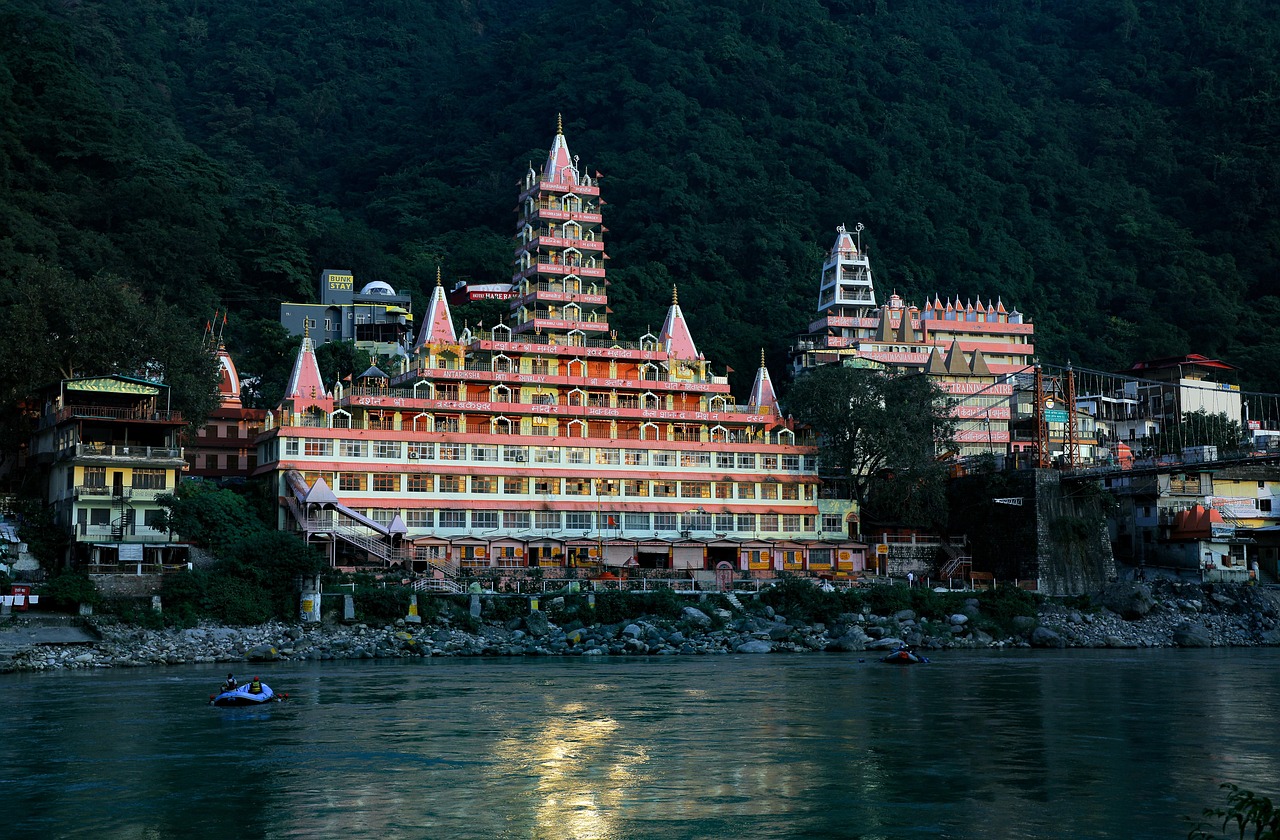
Rishikesh sits where the Ganges leaves the Himalayan foothills in the state of Uttarakhand. Uttarakhand Tourism describes it as one of northern India’s major tourist and pilgrimage hubs, commonly called the yoga capital of the world, with numerous ashrams, some internationally recognized as centers of philosophical study, yoga and traditional wellness. Visitors practice and meditate along the ghats, the stepped banks of the river.
- Evening aarti: at Triveni Ghat in the heart of town, an evening ceremony of lights, drums and chanting draws pilgrims and visitors alike.
- The Beatles connection: in February 1968 members of the Beatles stayed at Maharishi Mahesh Yogi’s ashram in the Swargashram area to learn Transcendental Meditation. Its ruins, known as Chaurasi Kutia or the Beatles Ashram, can be visited today.
- Neighborhoods: the ashram and study areas around Swargashram, Ram Jhula and Muni-ki-Reti are where many visitors base themselves.
- Beyond yoga: Rishikesh is a gateway to the Garhwal Himalaya and a center for white-water rafting; the rafting village of Byasi is about 30 km upriver.
Rishikesh is also a popular place for teacher trainings; our guide to yoga teacher training in India covers how to compare schools, and a dedicated Rishikesh guide follows.
Mysuru: the home of Ashtanga yoga
Mysuru (Mysore), the former royal capital of Karnataka, lies about 140 km southwest of Bengaluru at roughly 770 meters above sea level. Karnataka Tourism notes the city’s worldwide recognition as a yoga destination: K. Pattabhi Jois, who developed and taught the Ashtanga yoga method, lived and taught here, and practitioners travel from around the world for workshops, training and direct instruction. If you practice Ashtanga yoga, a stay in Mysuru usually means early-morning, self-paced practice in the “Mysore style.” Outside the shala, the city is known for Mysuru Palace and its Dasara celebrations.
Kerala: Ayurveda and yoga stays
The southern state of Kerala has made Ayurveda, India’s traditional system of medicine, a centerpiece of its tourism. Many yoga travelers combine daily classes with Ayurvedic massage, food and rest. Learn the background first in our guide to Ayurveda, which separates traditional teaching from scientific evidence; Ayurvedic treatments are not a substitute for medical care, and anyone with a health condition, who is pregnant or takes medication should check with their doctor before booking a treatment program.
- Checking a center: Kerala’s Department of Tourism runs a classification scheme for Ayurveda centers, with three grades (Ayur Silver, Ayur Gold and Ayur Diamond) that replaced the older Green Leaf and Olive Leaf grades. Certificates are issued by the Director of Tourism and are valid for three years, so ask a center for its current certificate.
- The monsoon tradition: Kerala Tourism explains that, in Kerala tradition, the monsoon month of Karkidakam (July to August) is considered the ideal time for Ayurvedic rejuvenation therapies. That is a traditional belief, not a medical finding, but it explains why many centers are busy in the rains.
- Varkala: a cliff-top beach town where laterite cliffs rise above the Arabian Sea and Ayurvedic massage centers have made it a popular health resort. Varkala railway station is about 3 km away and Thiruvananthapuram (Trivandrum) International Airport about 57 km.
A fuller Kerala guide is on the way, along with our guide to Ayurveda retreats.
When to go: seasons for a yoga retreat in India
India is huge, so the right month depends on where you go. The key fact is the southwest monsoon. According to the India Meteorological Department (checked October 2026), the monsoon season runs from June to September; the monsoon normally reaches Kerala around 1 June and advances north to cover the whole country around 8 July.
- Rishikesh and Uttarakhand: Uttarakhand Tourism recommends October to March for nature lovers. Winter mornings in the foothills are cool, so bring layers for early practice.
- Kerala: the southwest monsoon arrives in June. Most leisure travelers prefer the months outside the monsoon, while Ayurveda centers follow the tradition of monsoon treatments.
- Mysuru: Karnataka Tourism describes the city as a year-round destination with a mild climate thanks to its altitude.
- 21 June: the International Day of Yoga brings public events across India.
Getting there and getting around
- Rishikesh: the nearest airport is Jolly Grant Airport near Dehradun, about 21 km away, with daily flights to Delhi; taxis run from the airport. Rishikesh also has a railway station, and buses run from Delhi’s Kashmiri Gate bus terminal and from Haridwar and Dehradun (Uttarakhand Tourism).
- Mysuru: most international travelers fly to Bengaluru, about 140 km away, and continue by road or rail.
- Kerala: Thiruvananthapuram (Trivandrum) is the nearest international airport for Varkala and the south; Kochi serves central Kerala. Trains link the coastal towns.
Distances are long and road journeys take time. Build in a rest day after a long-haul flight before a retreat starts, especially if it begins with early-morning practice.
Where to stay
You can stay inside an ashram (simple rooms, shared routine), in a guesthouse while attending classes or a school, or in a resort or Ayurveda center that includes yoga. Ashram rooms are usually basic and may be shared. Ayurveda programs may set a minimum stay because treatments follow a sequence; ask before booking. Wherever you stay, check the distance to your classes and whether early-morning sessions are reachable on foot.
Typical costs
India can be very affordable, but prices range from donation-based ashram stays to luxury Ayurveda resorts, and they change by season and program. We do not quote prices on this page; verified prices appear on individual listings with the date we checked them. When comparing, ask what is included (classes, meals, accommodation, treatments, doctor consultations, airport transfers), whether an ashram asks for a fixed fee or a donation, and for Ayurveda programs, which treatments are included each day.
Etiquette for yoga students in India
- Dress modestly, covering shoulders and knees, especially in temples, ashrams and holy towns like Rishikesh.
- Take off your shoes before entering temples, ashram halls and many homes.
- Follow house rules in ashrams, including silence periods and meal times.
- Ask before photographing people, ceremonies and the aarti.
- Respect the river: the Ganges is sacred to Hindus; the ghats are places of worship and ritual, not just a scenic spot.
Languages
Hindi and English are widely used, and each state has its own language: you will hear Hindi and Garhwali in Rishikesh, Kannada in Mysuru and Malayalam in Kerala. Most international programs teach in English, with Sanskrit terms for poses and practices; our yoga glossary helps with those.
Accessibility
Older ashrams and hillside towns often have steps, uneven paths and floor seating for meals and classes. Ask in advance about ground-floor rooms, chairs for meditation and chanting sessions, and whether teachers adapt classes. Ayurveda centers usually have more accessible rooms, but confirm before booking.
What to pack
Loose, modest clothes that cover shoulders and knees, a shawl or warm layers for winter mornings in the north, slip-on shoes, a refillable water bottle with a filter, and any medications you need. Many ashrams supply mats, but some ask you to bring your own; see our guide to yoga mats for travel options.
Practical information
- Visas and entry: tell the visa authorities the real purpose of your trip, including any course. Check the India guide on travelercenter.com and the official government site before you book a course.
- Health: talk to a travel health clinic before you go, and check with your doctor before starting any intensive practice or Ayurvedic treatment program.
Related destinations
Neighboring Nepal adds Buddhist centers and trekking, and Sri Lanka its own Ayurveda tradition. For a beach-and-yoga trip with an easier pace, compare Bali or Costa Rica. All guides are on the yoga destinations hub.