Lion Pose (Simhasana): the kneeling roar, steps and versions

Lion pose (Simhasana) is a kneeling or seated pose with a wide-open mouth, tongue out and a long "ha" exhale. Steps, the different leg positions in the traditions, chair option and precautions.

Not yet reviewed by a qualified teacher Names and shape checked against 5 sources

Sanskrit name
Siṃhāsana सिंहासन (source)
Also called
Lion
Other spellings
Simhasana, Sinhasana
Pose family
Kneeling, Seated and meditation
Starting position
Kneeling
Movement
Neutral rest
Taught in
Hatha Yoga: The Historical Term and the Modern Class, Chair Yoga: Seated and Chair-Supported Practice
Difficulty
Beginner
Prerequisite skills
A comfortable kneeling or seated position (or a chair).
Body areas
Arms and wrists, Chest, Neck
Props
Blanket, Block, Chair, None
Practised
Solo

Names in different traditions

TraditionName usedNote
Hatha Yoga Pradipika (15th century)SiṃhāsanaChapter 1: one of the four most important postures; heels crossed beneath the body, mouth open, gaze at the nose tip.
Iyengar (Light on Yoga)Siṃhāsana I (and II in lotus)Asana 49, plate 109: sitting on crossed ankles; about 30 seconds breathing through the mouth.
Bihar School of YogaSimhasana (the lion pose)From vajrasana with knees apart, hands between the knees, head back, "ah" sound.

Step by step

Coming into the pose

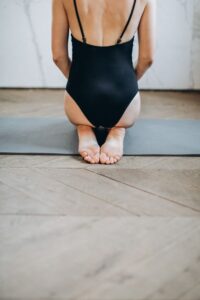
  1. Kneel and cross the front of the right ankle over the back of the left, feet pointing out to the sides. Sit back onto the top heel. (Or sit in thunderbolt pose, hero pose on a block, or on a chair.)
  2. Press the palms firmly into the knees, spread the fingers wide and straighten the arms.

In the pose

  1. Inhale deeply through the nose.
  2. Open the mouth wide, stretch the tongue out and down toward the chin, open the eyes wide and exhale slowly through the mouth with a clear "ha" sound. Gaze between the eyebrows or at the tip of the nose.
  3. Close the mouth and breathe normally. Repeat two or three times.

Coming out

  1. Change the cross of the ankles and repeat the same number of times, then stretch the legs out.

Breathing

Inhale through the nose; exhale slowly and fully through the wide-open mouth with a "ha" (or "ah") sound. Light on Yoga holds the pose about 30 seconds breathing through the mouth. Do not force the exhale; return to normal breathing if you feel light-headed.

Alignment cues

  • Arms straight, palms pressing the knees, fingers spread.
  • Chest lifted; shoulder blades spread across the back.
  • Tongue stretches down toward the chin; eyes wide.
  • Exhale long and steady, not forced.

Common alignment errors

  • Sitting in a kneeling position that hurts the knees.
  • Forcing the exhale until light-headed.
  • Collapsing the chest and shoulders.

Modifications and easier variations

  • Thunderbolt pose (sitting on the heels) or easy pose as the seat. none

Advanced variations

  • Simhasana II (Light on Yoga): the same face and breath from lotus, leaning forward on the hands.

Props and chair adaptations

  • Sit on a chair with the palms on the knees; the face and breath stay the same. chair
  • Hero pose on a block between the feet. block
  • Folded blanket under the shins or between the thighs and calves. blanket

Precautions

  • Knee injury: be cautious in kneeling; use a chair.
  • Jaw (TMJ) problems: open the mouth only partly.
  • Light-headedness: stop the forceful exhale and breathe normally.

Learn it with a teacher: Can be learned on your own.

General information, not medical advice. Poses do not cure illness. If you are pregnant, injured or have a health condition, check with your doctor and tell your teacher before you practise.

In short: lion pose is a kneeling or seated pose with a strong breath and facial action: hands pressed on the knees with the fingers spread, mouth wide open, tongue stretched toward the chin, eyes wide, and a long exhale through the mouth, often with a “ha” sound. It is simple, a little silly, and many people find it a quick way to release tension in the face and jaw.

Lion pose is one of the few postures in which the face does most of the work. It is taught at the start of a practice to wake up, or in the middle to lighten the mood. Below we explain the name and its old roots, the different leg positions, how to do the breath and facial action plainly, and the precautions.

The name and the texts

Siṃha means lion. In Light on Yoga (1966), B.K.S. Iyengar dedicates the pose to Narasimha, the man-lion form of Vishnu, and notes that his first version follows the old texts. The Hatha Yoga Pradipika (15th century) lists Simhasana among its four most important postures: the heels are crossed beneath the body near the perineum, the hands rest on the knees with the fingers spread, the mouth opens and the gaze goes to the tip of the nose. The text calls it highly esteemed and says it helps the three bandhas (body locks); that is the text’s claim, and you can read about bandhas separately.

Leg positions vary. Light on Yoga and Yoga Journal sit back on crossed ankles, so the feet point out to the sides. The Bihar School’s Asana Pranayama Mudra Bandha starts from thunderbolt pose with the knees apart, places the hands on the floor between the knees with the fingers pointing back toward the body, leans forward and tilts the head back, making a steady “ah” sound. Yoga Journal also offers hero pose or a chair as the seat. The face and breath are the same in all of them.

How to do it

Choose a seat you can hold comfortably. Press the palms into the knees and spread the fingers wide like claws, straightening the arms. Take a deep breath in through the nose. Then, all at once, open the mouth wide, stretch the tongue out and down toward the chin, open the eyes wide and breathe out slowly through the mouth with a clear “ha” sound passing over the back of the throat. Yoga Journal notes that some texts set the gaze between the eyebrows and others at the tip of the nose; either is fine. Close the mouth, breathe normally for a moment and repeat two or three times, changing the cross of the ankles halfway.

Precautions in plain words

The kneeling seat is the main concern. Yoga Journal advises caution in flexed-knee positions if you have a knee injury, and sitting on a chair if needed. With a jaw (TMJ) problem, open the mouth only partly. Keep the exhale long but not forced; if you feel light-headed, return to normal breathing. Lion pose is sometimes recommended for bad breath or stammering in traditional and popular sources, including Light on Yoga; those are traditional claims, not established findings. This page is general information, not individual advice.

Preparation and next poses

No special preparation is needed beyond a comfortable kneeling or seated position; thunderbolt pose and hero pose are the usual bases. Because it clears the air, Yoga Journal suggests lion pose near the beginning of an asana or breathing practice, after which almost any pose can follow. Child’s pose is a natural rest afterward.

Where it is taught

Lion pose appears in hatha and Bihar School teaching, in Iyengar practice and in chair yoga, where the seated version works well. Browse other seated poses in the pose library.
Frequently asked questions

Do I have to make a sound in lion pose?

No, but most versions use a long exhale through the mouth with a "ha" or "ah" sound. A silent long exhale with the mouth open also works.

Can I do lion pose in a chair?

Yes. Sit tall, press the palms on the knees and do the same breath and facial action.

Is lion pose in the old texts?

Yes. The Hatha Yoga Pradipika names Simhasana among its four most important postures.

Sources

  1. Lion Pose (Simhasana), Yoga Journal (accessed October 6, 2026)
  2. B.K.S. Iyengar, Light on Yoga (1966), asana 49 Simhasana I, plate 109, Allen & Unwin (Internet Archive record) (accessed October 6, 2026)
  3. Hatha Yoga Pradipika, translated by Pancham Sinh (1914), chapter 1, Simhasana, Internet Archive (accessed October 6, 2026)
  4. Swami Satyananda Saraswati, Asana Pranayama Mudra Bandha: Simhasana, Bihar School of Yoga (Internet Archive) (accessed October 6, 2026)
  5. Monier-Williams Sanskrit-English Dictionary: siṃha (p. 1213), Cologne Digital Sanskrit Dictionaries, University of Cologne (accessed October 6, 2026)

Facts checked on October 6, 2026