Extended Puppy Pose: steps, props and how it differs from yin melting heart

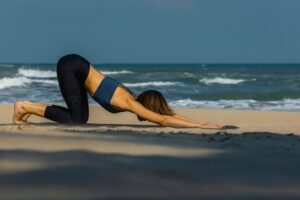
Extended puppy pose keeps the hips over the knees while the arms stretch forward and the chest sinks, between child's pose and downward dog. A modern pose; Uttana Shishosana is modern usage.

Not yet reviewed by a qualified teacher Names and shape checked against 5 sources

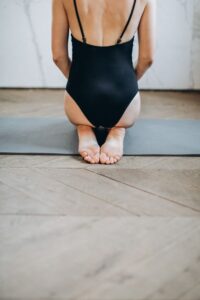
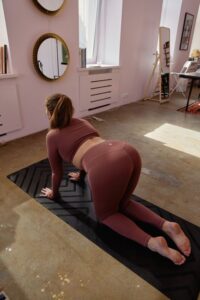
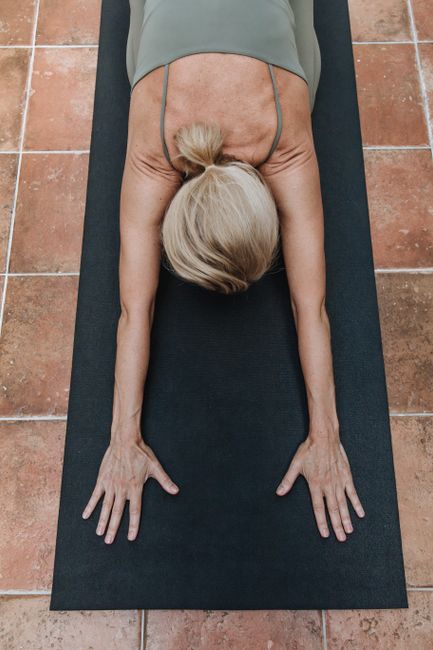
Overhead view of a woman in child's pose doing yoga on a black mat indoors.
Sanskrit name
No established Sanskrit name: a modern descriptive name
Also called
Puppy Pose, Melting Heart (non-yin usage), Puppy Dog Pose, Uttana Shishosana (modern usage, Yoga Journal, Yoga International), Uttana Shishoasana
Record
Modern descriptive name (no established Sanskrit)
Pose family
Backbend, Kneeling
Starting position
Kneeling
Movement
Backbend
Taught in
Hatha Yoga: The Historical Term and the Modern Class, Vinyasa Yoga: Flow, Breath and What to Expect, What Is Yin Yoga? Long Holds, Slow Pace and a Typical Class
Difficulty
Beginner
Prerequisite skills
Comfortable kneeling on hands and knees; reasonably mobile shoulders.
Body areas
Arms and wrists, Chest, Shoulders, Spine
Props
Blanket, Block, Bolster, Chair, Mat
Practised
Solo

Names in different traditions

TraditionName usedNote
Yoga JournalExtended Puppy Pose (Uttana Shishosana)From all fours, hips halfway back, forehead down, arms active, 30 s to 1 min.
Yoga InternationalExtended Puppy Pose (Uttana Shishosana); also Puppy Pose (Anahatasana)Hips over knees, hands walked forward, arms active; one article rests the forehead down, another keeps it off the floor as a transition to downward dog.
Yin yogaMelting Heart (Anahatasana)Long passive hold of a similar shape; separate record yin-melting-heart.

Step by step

Coming into the pose

  1. Come onto all fours, shoulders over the wrists and hips over the knees.
  2. Walk the hands forward a few inches; tuck the toes under if you like.

In the pose

  1. Exhale and move the buttocks halfway back toward the heels, keeping the hips above the knees and the elbows off the floor.
  2. Rest the forehead on the floor or a blanket. Press the hands down and draw the hips back to lengthen the spine, keeping a slight curve in the lower back.
  3. Breathe into the back for 30 seconds to a minute.

Coming out

  1. Lower the buttocks onto the heels into child's pose, or walk the hands back to all fours.

Breathing

Exhale as the hips move back; breathe slowly into the back body in the pose.

Alignment cues

  • Hips stay over the knees.
  • Arms active; elbows off the floor.
  • Slight natural curve in the lower back.
  • Neck relaxed, forehead supported.

Common alignment errors

  • Sitting back onto the heels (that is child's pose).
  • Letting the elbows rest on the floor and the shoulders collapse.
  • Letting the belly and lower back sag deeply.
  • Forcing the chest down with pinching shoulders.

Advanced variations

  • Chest lower toward the floor with the arms straight, hips still over the knees.

Props and chair adaptations

  • Forehead on a block or folded blankets if it does not reach the floor. block
  • Elbows on two blocks, hands together above the head, for a deeper shoulder opening. block
  • Standing, fold forward and rest the forearms and head on a chair seat covered with a blanket. chair
  • A rolled blanket or bolster between thighs and calves to protect the knees. blanket

Precautions

  • Shoulder pinching or injury: widen the hands, use blocks or the chair version; ask a teacher.
  • Knee sensitivity: pad the knees.
  • Pressure in the head or eyes: keep the forehead on a raised support.

Learn it with a teacher: Suitable for self-practice. Ask a teacher if it causes shoulder pain.

General information, not medical advice. Poses do not cure illness. If you are pregnant, injured or have a health condition, check with your doctor and tell your teacher before you practise.

The yin yoga version

Yin yoga version: Melting Heart (Yin Yoga): the chest-to-floor shoulder opener

The shapes look alike, but yin yoga holds them for several minutes with the muscles soft and props for support, while the active version is held with muscular engagement for a few breaths. The instructions and the intention differ, so follow the page for the version you are practising.

In short: extended puppy pose is a kneeling shoulder and upper-back opener halfway between child’s pose and downward-facing dog: the hips stay up over the knees while the hands walk forward and the chest and forehead sink toward the floor. It lengthens the spine and stretches the shoulders and the front of the chest. It is gentle for most people, but people with tight or injured shoulders should go easy.

Puppy is a common warm-up for backbends and a counterpose after them. Below we explain the name, the cues, the precautions, the props that make it more comfortable, how it relates to the yin pose called melting heart, and where it is taught.

The name: a modern pose with a modern Sanskrit label

“Extended puppy” is a modern descriptive name. Yoga Journal gives it the Sanskrit Uttāna Śiśosana (Uttana Shishosana), usually explained as an intensely stretched puppy. Yoga International uses the same Sanskrit for extended puppy pose, but the pose does not appear in Light on Yoga or the other older manuals we checked, so we treat Uttana Shishosana as modern usage. In many classes the same active shape is also called “melting heart”; a Yoga International article calls puppy pose anahatasana (heart melting pose). Yin yoga uses the name melting heart (and Anāhatāsana) for a long, passive hold of a similar shape, which has its own page, yin melting heart.

How to make puppy work

Start on hands and knees with the shoulders over the wrists and the hips over the knees. Walk the hands forward a few inches and, if you like, tuck the toes under. On an exhalation, move the buttocks halfway back toward the heels, keeping the hips above the knees rather than sitting down. Rest the forehead on the floor or on a blanket and let the neck relax.

Keep the arms active: Yoga Journal asks you not to let the elbows touch the ground, and to press the hands down while drawing the hips back so you feel a long stretch through the spine. Keep a slight natural curve in the lower back rather than letting the belly hang. Breathe into the back for 30 seconds to a minute, then sit the buttocks onto the heels into child’s pose.

Precautions in plain words

Puppy is demanding for tight shoulders: if you feel pinching at the front or top of the shoulder, widen the hands, bend the elbows onto blocks or use the chair version. With a shoulder injury, ask a teacher or physiotherapist first. Pad sensitive knees with a blanket. If the lower back sags uncomfortably, draw the belly in gently and bring the hips a little further back. People who feel pressure in the head or eyes in head-down positions should keep the forehead on a raised support.

Props and variations

Yoga Journal offers three prop versions. If the head does not reach the floor, rest it on a block or folded blankets. For a deeper shoulder opening, put the elbows on two blocks and bring the hands together above the head. Standing, you can rest the forearms and head on a chair seat covered with a blanket and fold forward from the hips. A rolled blanket between the thighs and calves lets you stay longer and protects the knees.

Preparation and what comes next

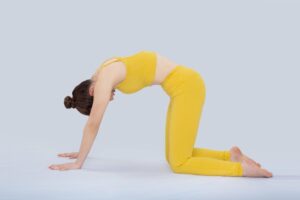
Warm up with cat-cow, downward-facing dog and hero pose. Follow puppy with child’s pose, or use it to prepare for backbends such as camel and wheel, which need open shoulders.

Where it is taught

Extended puppy is common in hatha and vinyasa classes as a warm-up and in gentle practice. The long passive version belongs to yin yoga (see yin melting heart).
Preparatory poses

Follow-up poses and transitions

Counterposes

Related poses

More backbend poses

Frequently asked questions

What is the Sanskrit name for puppy pose?

Yoga Journal and Yoga International use Uttana Shishosana; one Yoga International article calls puppy pose anahatasana. Neither name is in the older manuals we checked, so we list them as modern usage. Extended puppy is a modern pose name.

Is puppy pose the same as melting heart?

Many classes use melting heart for this active shape. In yin yoga, melting heart is a long, passive hold of a similar shape, with its own page.

How is puppy different from child's pose?

In puppy the hips stay up over the knees and the arms stretch forward, so the shoulders and spine lengthen. In child's pose the buttocks rest on the heels.

Sources

  1. Extended Puppy Pose: How to Practice Uttana Shishosana, Yoga Journal (accessed October 6, 2026)
  2. B.K.S. Iyengar, Light on Yoga (checked: no Uttana Shishosana), Internet Archive (Digital Library of India copy) (accessed October 6, 2026)
  3. What is Uttana Shishosana? (pointer only), Yogapedia (accessed October 6, 2026)
  4. Three Ways to Practice Downward Facing Dog (Route 3: from extended puppy pose, uttana shishosana), Amber Burke, Yoga International (accessed October 6, 2026)
  5. Puppy Power! (puppy pose, anahatasana), Samantha Schaefer, Yoga International (accessed October 6, 2026)

Facts checked on October 6, 2026