Bridge Pose (Setu Bandha Sarvangasana): steps, names and one-legged bridge

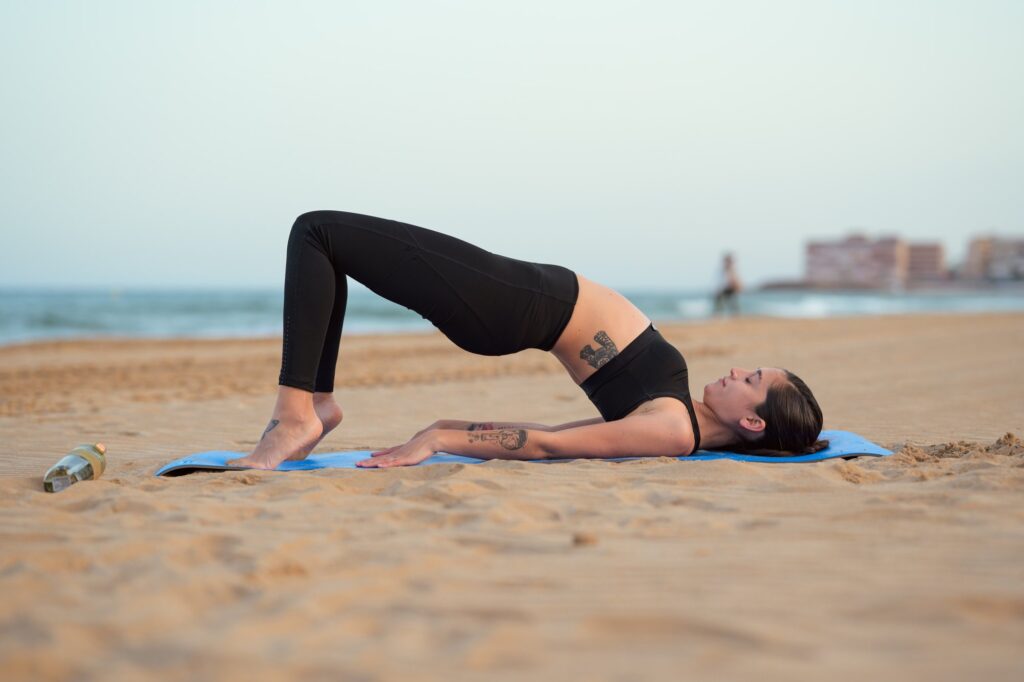
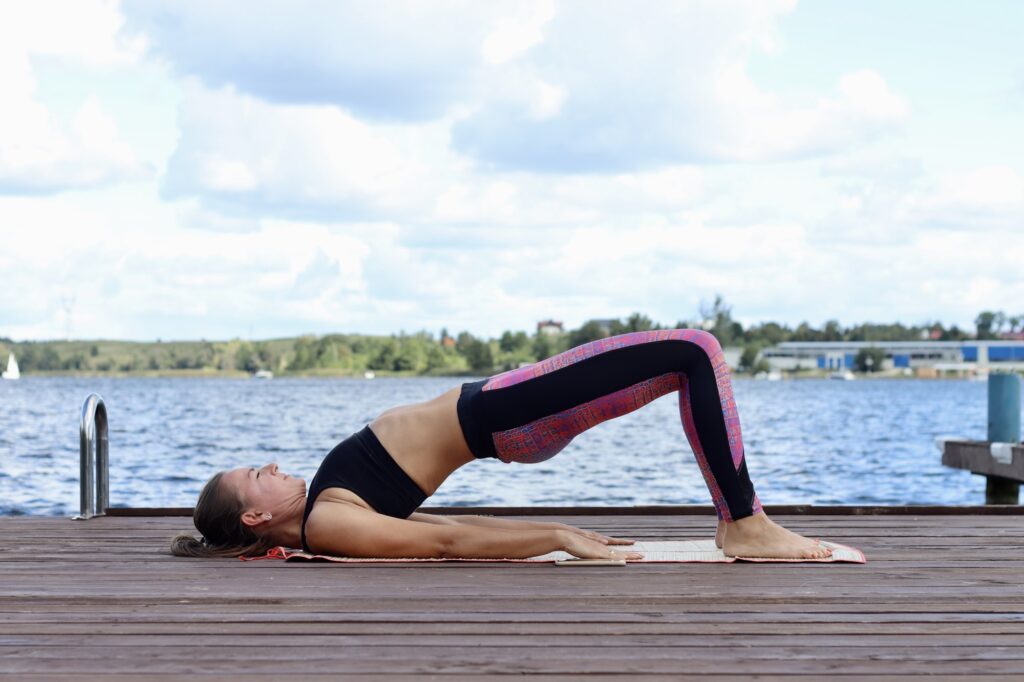
Bridge pose lifts the hips from lying on the back with the knees bent, forming an arch from the shoulders to the knees. Its Sanskrit name covers two entries; one-legged bridge raises one leg.

Not yet reviewed by a qualified teacher Names and shape checked against 8 sources

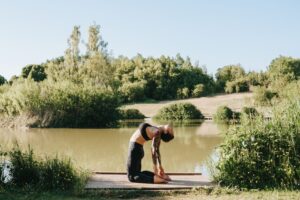
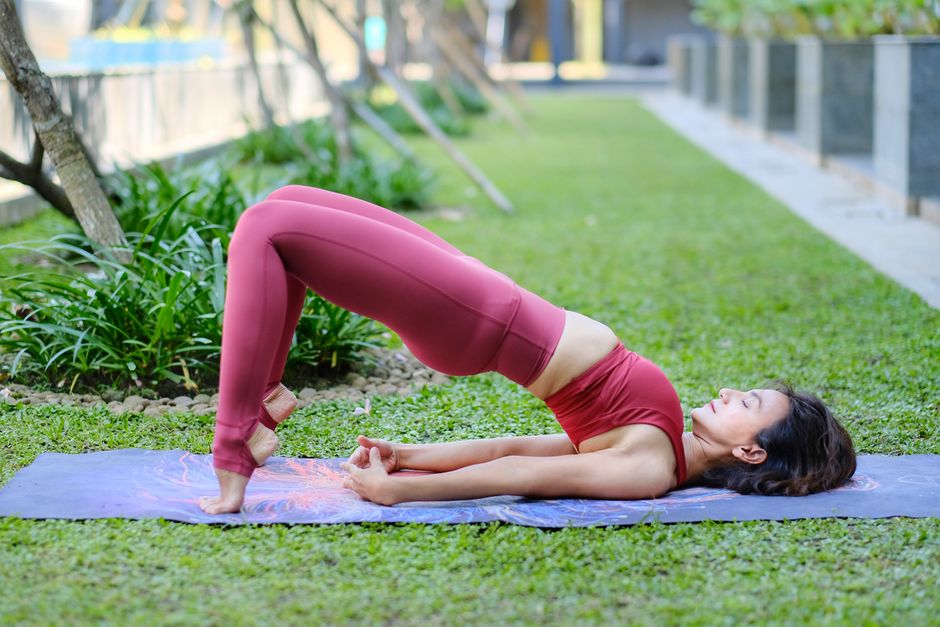
Bridge Pose: Woman practicing yoga outdoors, demonstrating bridge pose on a sunny day.
Sanskrit name
Setu Bandha Sarvāṅgāsana सेतु बन्ध सर्वाङ्गासन (source) (varies by tradition, see below)
Also called
Shoulder Pose, One-Legged Bridge, Kandharasana (Bihar School: shoulder pose)
Other spellings
Setu Bandha Sarvangasana, Setu Bandhasana, Eka Pada Setu Bandha Sarvangasana
Pose family
Backbend, Supine
Starting position
Reclining (on the back)
Movement
Backbend
Taught in
Hatha Yoga: The Historical Term and the Modern Class, Vinyasa Yoga: Flow, Breath and What to Expect, What Is Yin Yoga? Long Holds, Slow Pace and a Typical Class
Difficulty
Beginner
Prerequisite skills
Lying on the back and lifting the hips; a comfortable neck.
Body areas
Chest, Hips, Legs, Shoulders, Spine
Props
Block, Mat, None, Strap
Practised
Solo

Names in different traditions

TraditionName usedNote
Iyengar (Light on Yoga)Setu Bandha Sarvāṅgāsana (Uttāna Mayūrāsana)Asana 98, Plate 259: entered from Salamba Sarvangasana, hands at the back, legs straight on the floor; half a minute to a minute. Eka Pada version (asana 99, Plate 260) lifts one leg vertical, 10 seconds.
Iyengar (Light on Yoga)Setu BandhāsanaAsana 111, Plate 296: a different, advanced arch supported on the crown of the head and the feet.
Bihar School (Asana Pranayama Mudra Bandha)Kandharāsana (shoulder pose)Floor bridge holding the ankles, feet flat; 5 to 10 rounds; preparation for chakrasana.
Common Yoga Protocol (Ministry of AYUSH, India)Setubandhāsana (the bridge posture), also CatuśpādāsanaSupine: bend the knees, heels near the buttocks, hold the ankles, inhale and raise the buttocks and trunk; shoulders, neck and head stay on the floor; 10 to 30 seconds with normal breathing.
Yoga Journal and most modern classesSetu Bandha Sarvāṅgāsana (Bridge Pose)Floor bridge: knees bent, feet hip-width, hips lifted, hands clasped under the back or arms alongside.

Step by step

Coming into the pose

  1. Lie on the back with the knees bent, feet flat and hip-width apart, heels close to the buttocks, arms beside the body palms down.

In the pose

  1. Inhale, press into the feet and lift the hips, starting the movement from the pubic bone.
  2. Keep the knees over the feet and hip-width apart. Press the upper arms down, roll the shoulders under and broaden the collarbones; clasp the hands under the back or hold the ankles if comfortable.
  3. Keep the neck in its natural curve and the gaze up; do not turn the head. Breathe evenly for several breaths up to a minute.

Coming out

  1. Release the hands, exhale and lower slowly, upper back first and hips last. Hug the knees in.

Breathing

Inhale as you lift, breathe evenly in the pose, exhale as you lower. The Bihar School also teaches holding the breath in while lifting and in the final position, or slow deep breathing.

Alignment cues

  • Feet parallel, hip-width, heels under or near the knees.
  • Knees in line with hips and feet.
  • Lift from the pubic bone; thighs lengthen toward the knees.
  • Shoulders rolled under; collarbones broad.
  • Neck in its natural curve; head still.

Common alignment errors

  • Knees splaying apart or falling in.
  • Pushing the neck flat into the floor.
  • Turning the head while the hips are lifted.
  • Squeezing the lower back up instead of lengthening the thighs.
  • Feet turned out.

Modifications and easier variations

  • Smaller lift with the arms alongside the body, lifting and lowering with the breath. none

Advanced variations

Props and chair adaptations

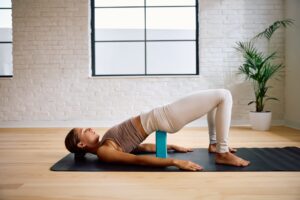
  • Squeeze a block between the thighs to keep the knees in line. block
  • Supported bridge: rest the sacrum on a block at low or medium height (see the supported bridge page). block
  • A strap looped around the thighs to keep the knees hip-width. strap

Precautions

  • Neck or shoulder injury: lift less and keep the head still; ask a teacher.
  • Peptic or duodenal ulcer, abdominal hernia: avoid (Bihar School).
  • Advanced pregnancy: keep the hips low (Bihar School suggests no more than about 15 cm) and ask your midwife or doctor.
  • Lower back pinching: lift less and lengthen the thighs toward the knees.

Learn it with a teacher: Suitable for self-practice. Learn the shoulderstand-entry version from Light on Yoga with a teacher.

General information, not medical advice. Poses do not cure illness. If you are pregnant, injured or have a health condition, check with your doctor and tell your teacher before you practise.

In short: bridge pose is a backbend done lying on the back: with the knees bent and the feet flat, you press into the feet and lift the hips, so the body forms an arch from the shoulders to the knees. It strengthens the buttocks, thighs and back and opens the chest and the front of the hips. It is one of the most adaptable backbends, from a gentle lift to a strong hold, and a common preparation for wheel.

Bridge is simple to start and easy to scale, which is why it turns up in beginner, therapeutic and advanced classes alike. Its name, though, is less simple: the same Sanskrit name describes two different ways into the pose. Below we explain the names, the cues, the precautions, one-legged bridge and where it is taught. The fully supported, restful version on a block has its own page, supported bridge.

The name: one Sanskrit name, two entries

Most classes, Yoga Journal and Yoga International call the floor bridge Setu Bandha Sarvāṅgāsana: setu bridge, bandha lock or construction, sarvāṅga all the limbs. In Light on Yoga, however, Setu Bandha Sarvāṅgāsana (also called Uttāna Mayūrāsana) is entered from shoulderstand: the hands support the back and the legs drop over to the floor, finishing with the legs straight and the body supported on the head, neck, shoulders, elbows and feet. Iyengar also has a separate Setu Bandhāsana, an advanced arch on the crown of the head. The Bihar School teaches the floor shape, holding the ankles, as Kandharāsana, the shoulder pose. The shorter Setubandhāsana (Setu Bandhasana) is also used for the floor bridge, for example in the Indian government’s Common Yoga Protocol, which also calls it Catuśpādāsana and has you hold the ankles, and by Kripalu. On this page “bridge” means the floor version with the knees bent.

How to make bridge work

Lie on the back with the knees bent, feet flat and hip-width apart, heels close to the buttocks and arms beside the body. Press into the feet and lift the hips; Yoga Journal suggests starting the movement from the pubic bone rather than the navel. Keep the knees in line with the hips and feet; if they splay, squeeze a block between the thighs. Press the upper arms down, roll the shoulders under and broaden the collarbones; you can interlace the hands under the back or, as the Bihar School does, hold the ankles.

Protect the neck: keep its natural curve, do not press it into the floor, and never turn the head to the side while the hips are up. Breathe evenly. Holds vary from a few breaths to a minute; the Bihar School practises five to ten rounds, lifting and lowering. Come down slowly, spine first and hips last.

Precautions in plain words

Bridge puts some weight on the shoulders and upper back, so go gently with neck or shoulder injuries and do not turn the head. The Bihar School advises against it with peptic or duodenal ulcers or abdominal hernia, and suggests that in advanced pregnancy the hips rise no more than about 15 cm; check with your midwife or doctor. If the lower back pinches, lift less and lengthen the thighs toward the knees. If the knees hurt, move the feet a little further away.

One-legged bridge

From bridge, keep the hips level and lift one leg: bend the knee toward the chest, then extend the leg up toward the ceiling, hold a few breaths, lower the foot on an exhalation and repeat on the other side. Yoga Journal offers this as a way to make bridge more demanding, holding about 30 seconds per side. It asks for strength in the standing leg and buttock to stop the pelvis dropping. In Light on Yoga, Eka Pāda Setu Bandha Sarvāṅgāsana is the one-leg-up form of the shoulderstand-entry bridge: the legs are straight, one is raised vertical, and the hands support the back. Treat one-legged bridge as an intermediate variation; skip it if the lower back or neck complains.

Preparation and what comes next

Prepare with cat-cow, cobra and hero pose for the front thighs. Bridge prepares for wheel, camel and, in Iyengar practice, for shoulderstand. Afterwards, hug the knees in (wind-relieving pose), rest in child’s pose or fold in seated forward bend.

Where it is taught

The floor bridge is taught in almost every hatha, vinyasa and restorative class (with a block), in the Bihar School system as Kandharasana, and in Iyengar classes alongside the shoulderstand-entry version from Light on Yoga.
Preparatory poses

Follow-up poses and transitions

Counterposes

Variations

Related poses

Styles that use this pose

More backbend poses

Frequently asked questions

Is bridge pose Setu Bandha Sarvangasana?

In most modern classes, yes (Yoga Journal and Yoga International both use it); Setubandhasana is a common shorter form. In Light on Yoga that name is used for a version entered from shoulderstand with straight legs; the Bihar School calls the floor bridge Kandharasana.

Why should I not turn my head in bridge?

Some body weight rests on the shoulders and upper back, so turning the head twists the neck under load. Keep the gaze up.

What is the difference between bridge and supported bridge?

Bridge is held with muscle effort. Supported bridge rests the sacrum on a block so you can stay longer and relax; it has its own page.

Sources

  1. Bridge Pose: How to Practice Setu Bandha Sarvangasana, Yoga Journal (accessed October 6, 2026)
  2. Swami Satyananda Saraswati, Asana Pranayama Mudra Bandha: Kandharasana (shoulder pose), Bihar School of Yoga (copy hosted by hathajoga.lt) (accessed October 6, 2026)
  3. B.K.S. Iyengar, Light on Yoga: asanas 98-99 (Setu Bandha Sarvangasana, Eka Pada), asana 111 (Setu Bandhasana), Internet Archive (Digital Library of India copy) (accessed October 6, 2026)
  4. The 5 Prana Vayus in Yoga: Udana (Sandra Anderson), 1. Setu Bandha Sarvangasana (bridge pose), Yoga International (accessed October 6, 2026)
  5. How to Stretch and Strengthen the Psoas (Julie Gudmestad): setu bandha sarvangasana, Yoga International (accessed October 6, 2026)
  6. Common Yoga Protocol: Setubandhasana (the bridge posture), supine postures, Ministry of AYUSH, Government of India (accessed October 6, 2026)
  7. Yoga for Healthy Knees: Bridge pose (Setu Bandhasana), Kripalu Center for Yoga & Health (accessed October 6, 2026)
  8. Dwi Pada Viparita Dandasana (bridge as the first stage), Yoga Journal (accessed October 6, 2026)

Facts checked on October 6, 2026