Thunderbolt Pose (Vajrasana): the kneeling seat, props and the name

Thunderbolt pose (Vajrasana) is the kneeling seat used for breathing and meditation. Steps, block and blanket options for knees and ankles, precautions, and how the name changed over time.

Not yet reviewed by a qualified teacher Names and shape checked against 5 sources

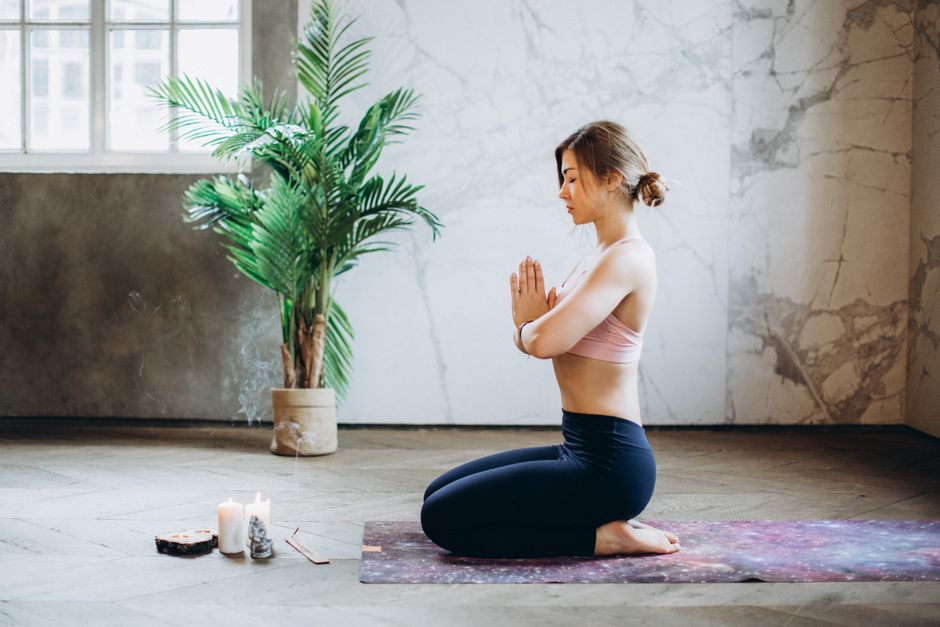
A woman practicing yoga and meditation indoors beside candles and a plant, promoting relaxation and wellness.
Sanskrit name
Vajrāsana वज्रासन (source) (varies by tradition, see below)
Also called
Diamond Pose, Kneeling Pose, Kneeling seat
Other spellings
Vajrasana
Pose family
Kneeling, Seated and meditation
Starting position
Kneeling
Movement
Neutral rest
Taught in
Hatha Yoga: The Historical Term and the Modern Class
Difficulty
Beginner
Prerequisite skills
Kneeling on a padded surface; knees that bend fully with props as needed.
Body areas
Feet and ankles, Legs, Spine
Props
Blanket, Block, Chair
Practised
Solo

Names in different traditions

TraditionName usedNote
Bihar School of YogaVajrasana (the thunderbolt pose)Kneeling, big toes crossed, heels apart, buttocks on the insides of the feet.
Hatha Yoga Pradipika (15th century)Vajrāsana = SiddhāsanaChapter 1 lists Vajrasana as another name for the cross-legged Siddhasana; a different posture.
Iyengar (Light on Yoga)Supta Vajrāsana, Laghu VajrāsanaVajra appears only in advanced backbends; the kneeling-on-the-feet seat is shown as a stage of Virasana.

Step by step

Coming into the pose

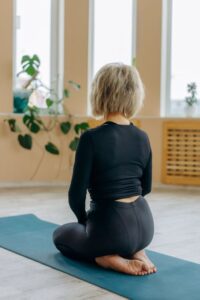
  1. Kneel on a mat or folded blanket with the knees together and the tops of the feet on the floor.
  2. Let the heels separate slightly (big toes may touch or cross) and sit back so the buttocks rest on the heels or the insides of the feet.

In the pose

  1. Find a neutral pelvis and let the spine rise. Rest the hands on the thighs or knees, palms down.
  2. Relax the shoulders and face. Stay as long as the knees, ankles and feet are comfortable.

Coming out

  1. Lean forward onto the hands, come up onto the knees and stretch the legs out one at a time, or sit to one side and extend the legs.

Breathing

Breathe quietly through the nose. As a seat for pranayama or meditation, follow the practice you are doing; the Bihar School suggests simple awareness of the natural breath with the eyes closed.

Alignment cues

  • Knees together, feet pointing straight back in line with the shins.
  • Weight evenly on both sitting bones.
  • Pelvis neutral; spine upright in its natural curves.
  • Use height under the seat rather than forcing the knees.

Common alignment errors

  • Sitting through knee pain.
  • Letting the feet splay out to the sides, which twists the knees.
  • Slumping the lower back.

Advanced variations

  • Toes tucked under (sitting on the heels with the toes curled under) for a strong foot stretch.

Props and chair adaptations

  • Block placed lengthwise under or between the heels to sit on. block
  • Folded blanket between the calves and thighs, or behind the knees. blanket
  • Folded blanket under the shins with the toes hanging off the edge, for tender feet or toe knuckles. blanket
  • Sit upright on a chair with the feet flat for meditation. chair

Precautions

  • Never sit through knee pain; add height under the seat.
  • Knee injury or surgery, or ankle or foot problems: ask your doctor or physical therapist; use a chair.
  • Numbness in the feet or legs: come out and stretch.

Learn it with a teacher: Usually learned without a teacher. Ask one for help with props if kneeling is uncomfortable.

General information, not medical advice. Poses do not cure illness. If you are pregnant, injured or have a health condition, check with your doctor and tell your teacher before you practise.

The yin yoga version

Yin yoga version: Ankle Stretch (Yin Yoga): sitting back on the tops of the feet, Toe Squat (Yin Yoga): kneeling on tucked toes

The shapes look alike, but yin yoga holds them for several minutes with the muscles soft and props for support, while the active version is held with muscular engagement for a few breaths. The instructions and the intention differ, so follow the page for the version you are practising.

In short: thunderbolt pose is the kneeling seat: knees together, shins on the floor, and the buttocks resting on the heels or the insides of the feet, spine upright and hands on the thighs. It is an alternative to cross-legged sitting for breathing practice and meditation. A blanket under the shins or between the thighs and calves, or a block under the seat, makes it comfortable for most knees and ankles.

Kneeling is one of the most natural ways to sit, and for people whose hips dislike crossing the legs it is often the most comfortable meditation seat. It also stretches the fronts of the thighs, shins and ankles. Below we explain the name and its history, how to set up the seat, precautions and related poses.

The name, and an older meaning

Vajra means thunderbolt, the weapon of the god Indra, and also diamond, for its hardness; the pose is called diamond pose too. The Bihar School’s Asana Pranayama Mudra Bandha describes Vajrāsana as kneeling with the big toes crossed, knees together and heels apart, the buttocks lowered onto the insides of the feet. Yoga Journal teaches the same kneeling seat, sitting on the heels, as an alternative to a cross-legged position.

The name has shifted over time. In the 15th-century Hatha Yoga Pradipika, Vajrasana is given as another name for accomplished pose, a cross-legged seat. Iyengar’s Light on Yoga uses Vajra in the names of advanced backbends such as Supta Vajrāsana and Laghu Vajrāsana, and the 26+2 hot yoga series uses Supta Vajrasana for a reclining kneeling pose. On this page Vajrasana means the simple kneeling seat that most classes teach today.

Setting up the seat

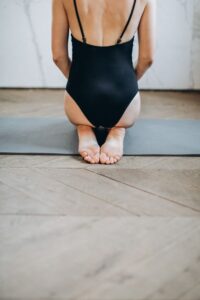
Kneel with the knees together and the tops of the feet on the floor, then sit back. If the tops of the feet or toe knuckles press painfully, Yoga Journal suggests resting the shins on a folded blanket with the toes hanging off the back edge. If the knees complain, place a folded blanket between the calves and thighs, or sit on a block placed lengthwise between or under the heels, which reduces the bend in the knee. Find a neutral pelvis, neither tipped forward nor back, so the spine can rise through its natural curves, and rest the hands on the thighs.

Look at the feet before you settle. In Yoga Journal, Roger Cole notes that the feet should point straight back, in line with the shins, so the knees are not twisted. The Bihar School version sits on the insides of the feet with the big toes crossed and the heels apart, and rests the hands on the knees. Once you are comfortable, the Bihar manual suggests closing the eyes and simply noticing the natural breath. That makes thunderbolt pose a quiet place to begin or end a practice.

Common mistakes, explained

  • Toughing it out on bare floor. The tops of the feet and the knees take the weight. A folded blanket under the shins costs nothing and often turns an uncomfortable seat into an easy one.
  • Slumping. If the lower back rounds, sit a little higher on a block or cushion so the pelvis can come upright.
  • Sitting too long at first. Start with a minute or two and build up. Tingling or numbness in the feet is a sign to come out and stretch the legs.
  • Standing up too fast. After a longer sit, lean forward onto the hands, untuck the legs one at a time and give the feet a moment before you stand.

Precautions in plain words

Do not sit through knee pain; Yoga Journal is clear on that. Use height under the seat until the knees are comfortable, and come out if the feet or legs go numb. People with knee injuries, recent knee surgery, or ankle or foot problems should ask a doctor or physical therapist which kneeling positions suit them; a chair is a good alternative. The Bihar School recommends sitting in Vajrasana after meals to help digestion; that is the school’s traditional advice rather than an established medical finding. This page is general information, not individual advice.

Preparation and related poses

Gentle quadriceps stretches and child’s pose prepare the knees and ankles. Related kneeling seats are hero pose, where the seat drops between the feet, and lion pose, often practised from kneeling. Reclining from the kneeling seat leads toward reclining thunderbolt, a much deeper backbend for experienced students.

The same kneeling seat is the starting point for two yin poses. In Bernie Clark’s descriptions on YinYoga.com, toe squat begins sitting on the heels with the toes tucked under, and ankle stretch begins sitting on the heels and leans back onto the hands. Clark also lists Vajrasana as a counterpose after a long squat, to release the knees and back.

Where it is used

Thunderbolt pose is a seat for breathing practices and meditation in hatha and Bihar School teaching, and a resting or transition position in many classes. Our guide on how to meditate covers seated posture.
Frequently asked questions

What is the difference between thunderbolt pose and hero pose?

In thunderbolt pose you sit on the heels or the insides of the feet. In hero pose the feet move apart and the seat drops between them, onto the floor or a block, which bends the knees further.

My knees hurt in Vajrasana. What can I do?

Sit on a block placed between or under the heels, or put a folded blanket between the calves and thighs. If it still hurts, use a chair or a cross-legged seat instead.

Is Vajrasana good after eating?

The Bihar School recommends sitting in Vajrasana after meals to help digestion. That is a traditional recommendation; we have not found it established by medical research.

Sources

  1. Swami Satyananda Saraswati, Asana Pranayama Mudra Bandha: Vajrasana, Bihar School of Yoga (Internet Archive) (accessed October 6, 2026)
  2. Find Comfort in Sitting (Vajrasana), Sage Rountree, Yoga Journal (accessed October 6, 2026)
  3. Keep the Knees Healthy in Virasana, Yoga Journal (accessed October 6, 2026)
  4. Hatha Yoga Pradipika, translated by Pancham Sinh (1914), chapter 1 (Siddhasana also called Vajrasana), Internet Archive (accessed October 6, 2026)
  5. Monier-Williams Sanskrit-English Dictionary: vajra (p. 913), Cologne Digital Sanskrit Dictionaries, University of Cologne (accessed October 6, 2026)

Facts checked on October 6, 2026