
Crow Pose Preparation: a peak-pose sequence for Kakasana

A newly designed 20-minute peak-pose sequence for crow pose (Kakasana): wrist warm-ups, plank, boat, garland, then crow with a block, one foot at a time.

Not yet reviewed by a qualified teacher Needs verification: names and instructions not yet confirmed by two sources

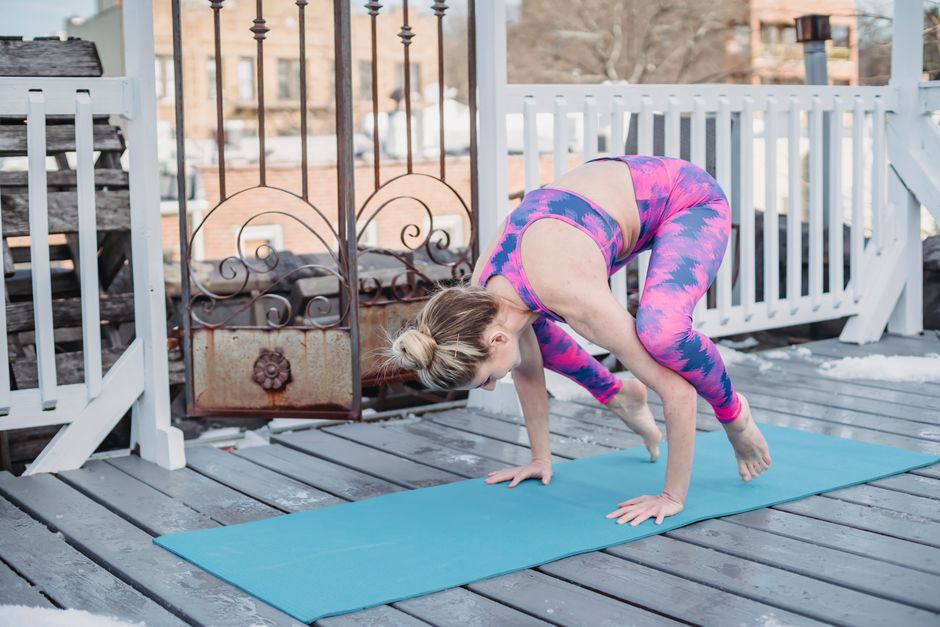
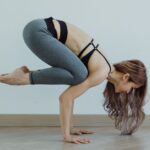
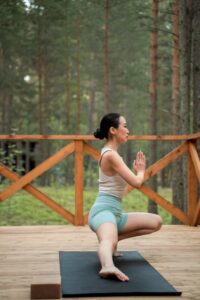
Full body of barefoot concentrated young female practicing yoga in Kakasana position on mat outdoors
Also called
Peak Pose: Crow, Kakasana preparation
Tradition
Modern hatha (YogaVacation peak-pose sequence)
Order
Newly designed educational flow
Level
Intermediate
Approximate duration
about 20 minutes
Focus
Strength
Audience
Experienced
Props
Blanket, Block, Cushion, Mat
Styles
Hatha Yoga: The Historical Term and the Modern Class, Vinyasa Yoga: Flow, Breath and What to Expect
Body areas
Arms and wrists, Core, Hips, Shoulders

A newly designed educational flow, not a traditional sequence. Teachers order these poses in many ways.

Printable view

Origin and source

Newly designed by YogaVacation (2026). Crow (Kakasana) and crane (Bakasana) distinctions follow the pose records.

Who it is for

Holds plank for 30 seconds; squats comfortably with heels supported; no wrist pain on weight-bearing.

The steps in order

Version shown: YogaVacation crow preparation: wrists, cat-cow, plank, boat, garland, squat on a block, crow attempts, counterposes

#StepBreathSideHoldCues and options
1Wrist warm-ups on hands and kneesFree breathing1 minute
YogaVacation (suggested)

Transition: Circle the wrists; rock forward and back over flat hands; turn the fingers towards the knees and gently lean back.

Easier option: Smaller range; fists.

2Cat-cow, emphasising the rounded cat
Marjaryasana-Bitilasana
Free breathing6 rounds
YogaVacation (suggested)

Transition: In cat, push the floor away and round the upper back: the crow shape.

3PlankFree breathing5 breaths, twice
YogaVacation (suggested)

Transition: Step back to plank, shoulders over wrists.

Easier option: Knees down.

4Plank knee-to-elbow tapsExhaleEach side5 each side
YogaVacation (suggested)

Transition: Exhale, draw the right knee to the back of the right upper arm, round the back; inhale back. Then left.

Easier option: Knee towards the chest only.

5Downward dog
Adho Mukha Śvānāsana
Free breathing5 breaths
YogaVacation (suggested)

Transition: Lift the hips; rest the wrists.

Easier option: Child pose.

6Boat (or half boat)
Paripūrṇa Nāvāsana
Free breathing5 breaths, twice
YogaVacation (suggested)

Transition: Sit, lean back, lift the shins.

Easier option: Hands behind the thighs; feet on the floor.

7Garland (deep squat)
Mālāsana
Free breathing5-8 breaths
YogaVacation (suggested)

Transition: Feet a little wider than the hips, sink down, elbows inside the knees.

Easier option: Rolled blanket under the heels; sit on a block.

8Squat on a block, hands down, lean forwardFree breathing5 breaths
YogaVacation (suggested)

Transition: Stand on a block, hands flat shoulder-width on the mat, knees wide against the upper arms, elbows bent; lean forward until the weight is in the hands.

Easier option: Stay here instead of lifting.

9Crow, one foot then the other
Kākāsana
Free breathingEach side2-3 breaths per foot
YogaVacation (suggested)

Transition: From the block, lift one foot, lower it, then the other.

Easier option: Cushion in front of the face.

10Crow (both feet lifted)
Kākāsana
Free breathing3-5 breaths, up to 3 attempts
YogaVacation (suggested)

Transition: Gaze forward, round the back, lift both feet; come down with control.

Easier option: Stay with one foot lifted.

11Child pose between attempts
Bālāsana
Free breathing5 breaths
YogaVacation (suggested)

Transition: Rest the wrists and the head.

12Wrist stretches (palms up, fingers towards the knees)Free breathing5 breaths
YogaVacation (suggested)

Transition: Counterpose for the wrists.

13Rest
Śavāsana
Free breathing2 minutes
YogaVacation (suggested)

Transition: Lie down.

Left and right

Symmetrical; in one-foot lifts alternate right and left.

Repetitions and counting

One pass; crow attempted up to three times with child pose between.

Props and adaptations

Block under the feet; cushion in front of the face; knees down in plank; half boat; blanket under the heels in garland; stop at the squat-on-a-block step.

Precautions

  • Wrist, elbow or shoulder injury, carpal tunnel symptoms: skip crow.
  • High blood pressure, glaucoma, pregnancy: ask a health professional and a teacher; never hold the breath.
  • Cushion in front of the face to protect against falling forward.
  • Crow is a demanding arm balance, not a beginner pose.

Learn it with a teacher: Learn the forward weight shift with a teacher present, especially the first time you lift both feet.

General information, not medical advice. Poses do not cure illness. If you are pregnant, injured or have a health condition, check with your doctor and tell your teacher before you practise.

Beginner and chair alternatives

Yoga for Flexibility: a 20-minute stretching sequence

This crow pose preparation sequence builds up, step by step, to crow pose (Kakasana), the arm balance in which the knees rest against the upper arms and the feet lift off the floor. It warms the wrists, wakes up the core, prepares the hips for a deep squat, and then tries crow with a block under the feet. It is a newly designed educational peak-pose sequence by YogaVacation, about 20 minutes long. There is no traditional crow preparation order.

Crow or crane?

Many classes use “crow” and “crane” for the same pose. On this site, crow (Kakasana) has bent arms with the knees resting on the backs of the upper arms, and crane (Bakasana) has straighter arms with the knees higher, near the armpits, as described in Light on Yoga. This sequence prepares crow; crane is a later step.

How the sequence is built

Crow needs four things: wrists that can bear weight with the hands flat, a strong front body to round the back and lift the hips, hips that fold deeply with the knees wide, and the courage to shift the weight forward. The sequence works on each in turn: wrist warm-ups and plank; cat-cow and boat for the core; garland pose for the squat; then crow itself, first with the feet on a block, then one foot lifting at a time. Hold steps for the breaths shown; try crow three times with a rest in child’s pose between attempts.

Why each step is there

Wrists first. Yoga Journal’s first tip for crow is to warm up the wrists before you try it, because the whole body ends up balanced on them. The hands-and-knees warm-up and the two plank holds load the wrists gradually, so the first real weight they meet is not crow itself.

Core, not just arms. Crow looks like an arm pose, but Yoga Journal points out that much of the work comes from the abdominals, and that as they get stronger you rely less on the arms. That is why the rounded cat, the knee-to-elbow taps in plank and boat pose come before any balancing. The knee-to-elbow taps also rehearse the exact action of crow: rounding the back and drawing the knees high toward the arms. If your elbows tend to splay out, Yoga Journal suggests practicing the move from plank down toward chaturanga with the elbows hugging in, which builds the same arm shape.

The squat. Crow starts from a squat with the knees wide, so garland pose prepares the hips and ankles for that position. Squatting on a block comes next. Yoga Journal notes that standing on a block lifts the feet a few inches and lets the shins sit higher on the upper arms, even with tight hips, which makes the lift much more likely.

Shifting forward. With hands flat and fingers spread, about six to eight inches in front of the feet, rock forward until the weight comes into the wrists. The Sivananda teaching is that if you can go no further, stop there: the pose is still useful, because the wrists take your weight and the forearms stretch.

Lifting off. Keep the gaze slightly forward, not straight down, press the knees into the arms and the arms into the knees, and lift one foot, then the other. Yoga Journal’s advice is to move slowly and find your balance at every point instead of throwing yourself forward. Sivananda teachers ask for at least 10 seconds in the pose, growing over time to 30 seconds and eventually a minute.

Fear of falling. Almost everyone has it. Swami Vishnudevananda’s advice, quoted by the Sivananda Ashram Yoga Ranch, is simply to put a cushion in front of you. A folded blanket or bolster works too.
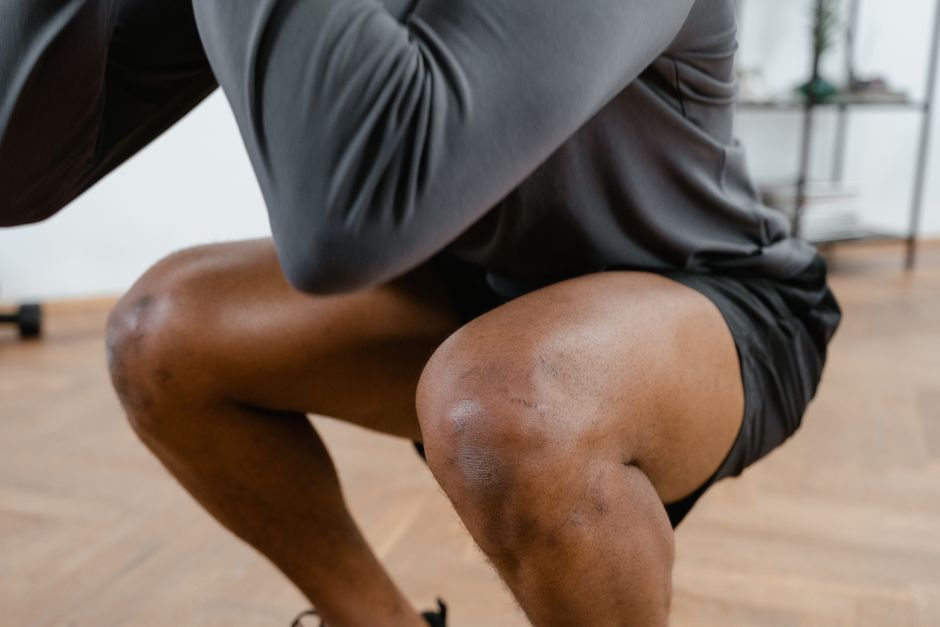
A focused view of a male athlete performing squats in a gym setting, emphasizing fitness and strength.

How to practise it safely

  • Put a cushion or folded blanket in front of your face. Falling forward onto the nose is the classic crow accident.
  • Wrist, elbow or shoulder injury, or carpal tunnel symptoms: skip crow and keep the core and hip work.
  • High blood pressure, glaucoma or pregnancy: crow puts the head low and asks for strong effort; ask a health professional and a teacher first, and do not hold the breath.
  • Crow is a demanding arm balance, not a beginner pose. A teacher can show you how to shift the weight safely.

This sequence has not yet been reviewed by a qualified teacher.

Easier alternatives

Stop at step 8 (squat on a block with hands down, leaning forward without lifting the feet) until the wrists and core feel ready. Plank, boat and garland practised regularly are the real preparation.
Frequently asked questions

Is crow pose for beginners?

It is often taught early, but it is a demanding arm balance. Build wrist, core and squat strength first, and use a block and a cushion.

Are crow and crane the same pose?

Many classes use the names interchangeably. On this site crow has bent arms with the knees on the upper arms; crane has straighter arms with the knees higher.

Sources

  1. B.K.S. Iyengar, Light on Yoga: Bakasana (crane) and the bent-arm variation, Internet Archive (catalogue record) (accessed October 6, 2026)
  2. Yoga: Effectiveness and Safety, National Center for Complementary and Integrative Health (NIH) (accessed October 6, 2026)

Facts checked on October 6, 2026