Marichi’s Twist (Marichyasana C and D, Iyengar III and IV)

Marichi’s twist (Marichyasana C, Iyengar III) turns the torso toward a bent knee with the other leg straight; D (IV) adds half lotus. The forward-bending A and B have their own page.

Not yet reviewed by a qualified teacher Names and shape checked against 4 sources

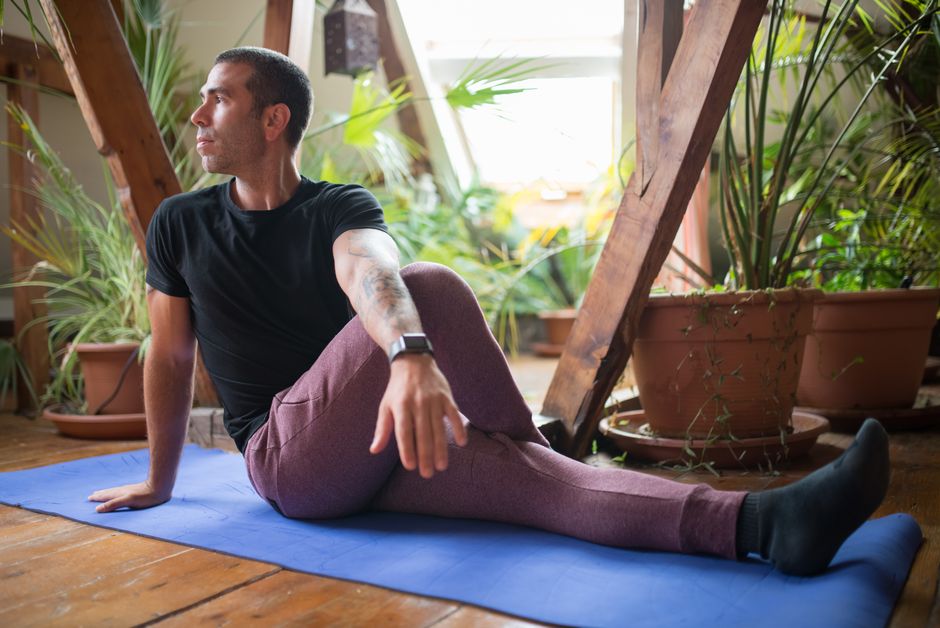
A man wearing activewear practices yoga on a mat indoors amid plants. Calm and focused.
Sanskrit name
Marīcyāsana C मरीच्यासन (source) (varies by tradition, see below)
Also called
Marichi’s Pose C, Pose Dedicated to the Sage Marichi III
Other spellings
Marichyasana C, Marichyasana III, Marichyasana D, Marichyasana IV
Pose family
Seated, Twist
Starting position
Seated
Movement
Twist
Taught in
Hatha Yoga: The Historical Term and the Modern Class, Vinyasa Yoga: Flow, Breath and What to Expect
Difficulty
Intermediate
Prerequisite skills
Sitting upright on the floor (with blankets if needed) and a comfortable gentle seated twist. The bind needs shoulder mobility; D needs a pain-free half lotus.
Body areas
Hips, Shoulders, Spine
Props
Blanket, Chair, Mat, Strap, Wall
Practised
Solo

Names in different traditions

TraditionName usedNote
Ashtanga vinyasa (Pattabhi Jois lineage)Marīcyāsana C and DC is the first seated twist of the primary series; D adds half lotus; five breaths each side (AshtangaYoga.info).
Iyengar / Yoga JournalMarichyasana III and IVIII = Ashtanga C; IV = Ashtanga D (Yoga Journal Marichyasana III how-to; Wikipedia pointer for IV).

Step by step

Coming into the pose

  1. Sit in staff pose on a folded blanket if the lower back rounds. Bend the right knee and set the right heel just in front of the right sitting bone; the left leg stays straight and firm.
  2. Press the right foot into the floor. Inhale and lengthen the spine.

In the pose

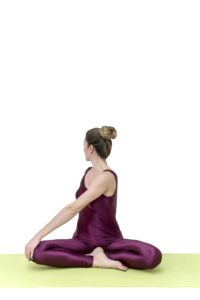
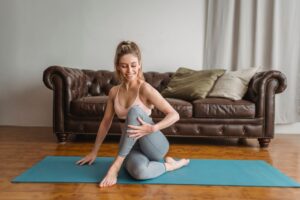
  1. Exhale and turn the torso to the right. Hug the right knee with the left arm and press the right hand into the floor behind you to lift the spine.
  2. Full version: draw the right thigh slightly across, bring the left side of the trunk past it, wrap the left arm around the right knee and clasp the right wrist behind the back. Look over the right shoulder.
  3. Lengthen on each inhalation, turn a little more on each exhalation. Stay five breaths (Ashtanga) or longer if the breath stays easy.

Coming out

  1. Exhale and unwind slowly, releasing the bind first. Straighten the right leg and repeat on the other side.

Breathing

Inhale to lengthen, exhale to turn. The twist limits the belly breath, so breathe into the ribs and back; if the breath becomes strained, ease the twist.

Alignment cues

  • Sit on top of the sitting bones; use blankets so the pelvis is neutral.
  • Lengthen before twisting; let the head follow the chest.
  • Rotate mainly from the upper and middle back; do not force the lower back.
  • Press the bent-leg foot down and keep the straight leg firm.
  • For the bind, get the shoulder well past the knee before reaching back.

Common alignment errors

  • Hooking the elbow outside the knee too early, which makes you hunch.
  • Leading with the head and neck.
  • Slumping back off the sitting bones.
  • Levering the twist with the arms.

Modifications and easier variations

  • Hug the bent knee with the opposite arm and keep the back hand on the floor; no bind. none

Advanced variations

Props and chair adaptations

  • Sit on one or two folded blankets; use a strap between the hands for the bind. blanket
  • Chair version: sit sideways or upright on a chair, one foot flat, and turn toward the knee of that leg holding the chair back. chair
  • Standing version: put one foot on a chair seat beside a wall and turn toward the raised knee, using the wall for the hands. wall

Precautions

  • Disc problems, recent back injury or sacroiliac pain: ask your doctor or physiotherapist before deep twists.
  • Pregnancy: avoid deep closed twists; turn gently away from the belly instead.
  • Shoulder injury: skip the bind.
  • Version D: knee risk of half lotus under load; teacher guidance and a pain-free half lotus first.

Learn it with a teacher: The hugging version can be practised alone. Learn the bind and version D with an experienced teacher.

General information, not medical advice. Poses do not cure illness. If you are pregnant, injured or have a health condition, check with your doctor and tell your teacher before you practise.

In short: Marichi’s twist C is a seated twist. One leg is straight, the other knee is bent with the foot flat on the floor near the hip, and you turn the torso toward the bent knee, hugging it or wrapping the opposite arm around it, with the other hand on the floor behind you. In the full version the arms bind behind the back. Version D is the same twist with the straight leg folded into half lotus.

These are the twisting members of the Marichi family. The forward-bending versions, A and B, are on the Marichi’s pose page. A gentle version of C is one of the most widely taught seated twists, while the full bind and version D are demanding.

The names: C and D, III and IV

Marīcyāsana is dedicated to the sage Marīci (the word means a ray of light). Ashtanga numbers the four Marichi poses with letters and Iyengar-style teaching uses numerals: C = III and D = IV are twists, while A = I and B = II are forward bends. In the Ashtanga primary series, Marichyasana C is the first seated twist. When a class says “Marichyasana III” or “Marichi’s twist”, it means the pose on this page.

Making the twist work

Start with a neutral pelvis. A Yoga Journal how-to for this pose points out that very few people can sit upright on the floor with straight legs without the lower back rounding; sit on one or two folded blankets until you are on top of your sitting bones. Set the bent-leg heel just in front of its sitting bone, press that foot into the floor and keep the straight leg firm.

Then lengthen first and turn second. On each inhalation lift the spine; on each exhalation turn a little more, letting the head follow the chest rather than lead. For most people new to the pose, Yoga Journal advises not to hook the elbow outside the knee, because that usually makes you hunch and shortens the spine. Instead, hug the bent knee with the opposite arm and press the other hand into the floor behind you. AshtangaYoga.info adds that the rotation should come mainly from the upper and middle back, which turn more freely than the lower back. For the bind, the thigh is drawn diagonally across so the opposite side of the trunk can reach past it, the arm wraps the knee and the hands meet behind the back; the gaze goes over the back shoulder. Ashtanga holds five breaths a side.

Precautions in plain words

Do not crank the twist with the arm. Forcing rotation in the lower back can cause discomfort; keep the spine long and the turn moderate. With a disc problem, a recent back injury or sacroiliac pain, ask your doctor or physiotherapist before twisting deeply. During pregnancy, twist gently away from the belly or skip deep closed twists like this one. With a shoulder injury, skip the bind. This page is general information, not individual advice.

Marichi’s Twist D (Marichyasana D, Iyengar Marichyasana IV)

Version D combines the twist of C with the half-lotus leg of B. The straight leg is folded into half lotus first, with the foot as close to the trunk as possible; then the other foot is placed close to the hip, you turn toward the raised knee, wrap the opposite arm around it and bind behind the back. AshtangaYoga.info calls it a very complex posture and suggests taking extra breaths to get into it at first, folding the lotus tightly and tilting the pelvis so the half-lotus thigh stays on the floor. If half lotus is not available, a folded towel in place of the lotus foot keeps some of the shape. D is advanced: the half-lotus knee is under load while you twist, so learn it with a teacher and stop at any knee pain.

Preparation and what comes next

Prepare with gentle twists such as revolved easy seat and Bharadvaja’s twist, and with Marichi’s pose A, which teaches the bent-leg position. Half lord of the fishes is a closely related twist with the bottom leg folded. In the Ashtanga primary series, C and D are followed by boat pose. Afterwards, a simple seated forward bend settles the spine.

You will meet Marichi’s twist in Ashtanga, Iyengar, hatha and vinyasa classes.

Preparatory poses

Follow-up poses and transitions

Counterposes

Related poses

More seated poses

Frequently asked questions

Is Marichyasana C the same as Marichyasana III?

Yes. Ashtanga uses letters and Iyengar-style teaching uses numerals: C = III and D = IV, both twists.

Should I hook my elbow outside my knee?

Not at first. Yoga Journal advises most newcomers to hug the knee instead, because hooking the elbow usually makes you hunch and shortens the spine.

Is Marichi’s twist safe in pregnancy?

Deep closed twists like this are usually avoided. Turn gently away from the belly instead and follow your prenatal teacher or midwife.

Sources

  1. Marīcyāsana C: Pose of the sage Marīci, AshtangaYoga.info (Dr. Ronald Steiner) (accessed October 6, 2026)
  2. Marīcyāsana D: Posture of the Sage Marīci, AshtangaYoga.info (Dr. Ronald Steiner) (accessed October 6, 2026)
  3. A Seated Twist to Tone Your Belly (Marichyasana III), Yoga Journal (accessed October 6, 2026)
  4. Marichyasana (III and IV descriptions; pointer only), Wikipedia (accessed October 6, 2026)

Facts checked on October 6, 2026