Yin Yoga Sequence for Hips and Spine: long holds, step by step

A newly designed 45-minute yin sequence for the hips and spine: butterfly, dragon, sleeping swan, sphinx and twisted roots with holds after Bernie Clark, rebounds and safe options.

Not yet reviewed by a qualified teacher Needs verification: names and instructions not yet confirmed by two sources

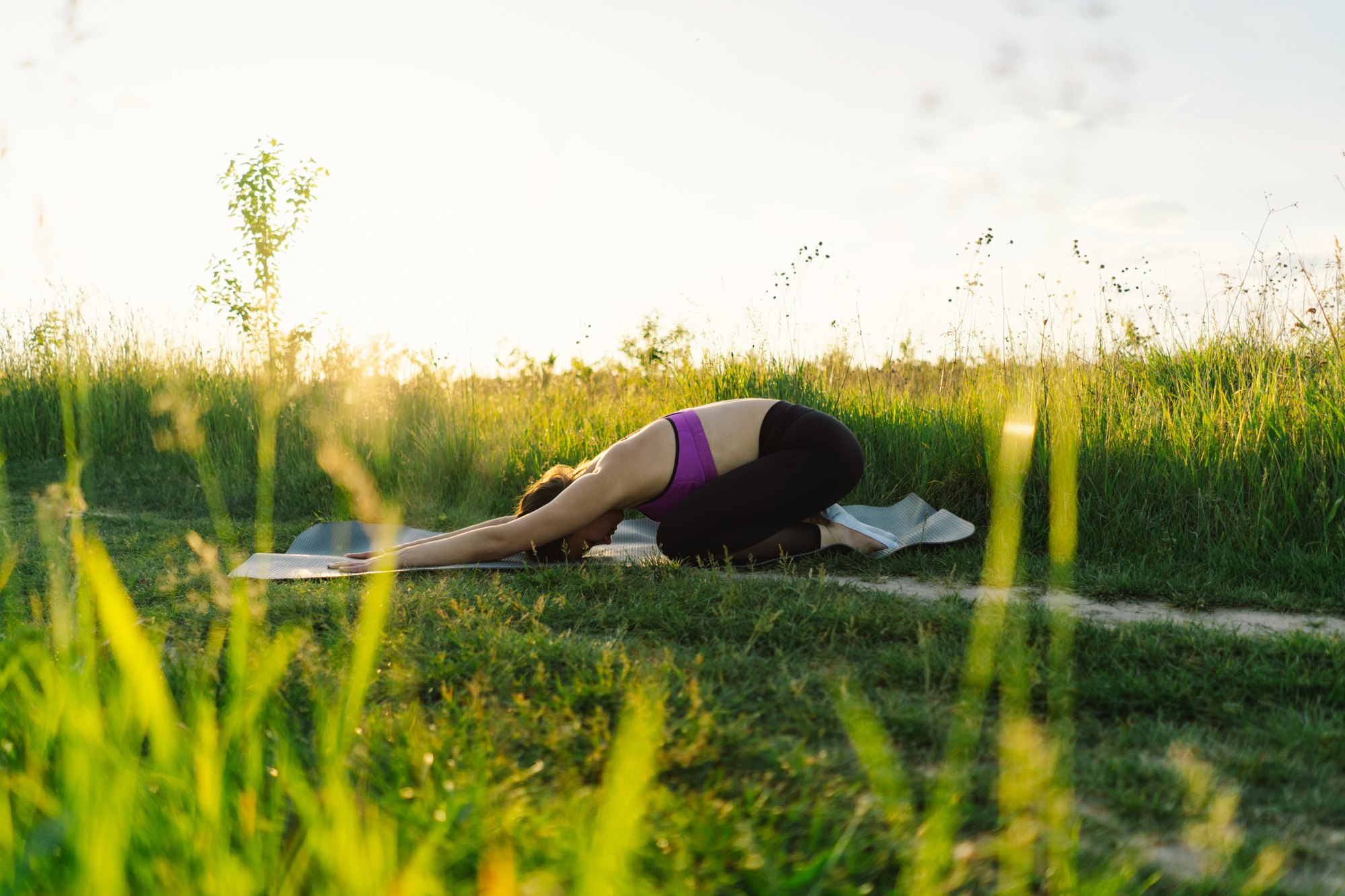
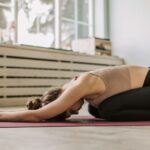
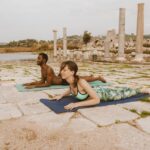
Child's pose in tall grass at golden hour
Also called
Yin Sequence, Yin Yoga for Hips
Tradition
Yin yoga (as taught by Paul Grilley and Bernie Clark)
Order
Newly designed educational flow
Level
All levels, Beginner
Approximate duration
about 45 minutes
Focus
Mobility
Audience
Athletes, Beginners, Experienced
Props
Blanket, Block, Bolster, Cushion, Mat
Styles
What Is Yin Yoga? Long Holds, Slow Pace and a Typical Class
Body areas
Hips, Legs, Spine

A newly designed educational flow, not a traditional sequence. Teachers order these poses in many ways.

Printable view

Origin and source

Newly designed by YogaVacation (2026). Yin yoga has no fixed traditional order; hold lengths follow Bernie Clark (yinyoga.com).

Who it is for

Able to get down to and up from the floor. No experience needed; know the difference between a dull stretch and sharp pain.

The steps in order

Version shown: YogaVacation yin sequence for hips and spine: butterfly, dragon, sleeping swan, sphinx, twisted roots, rest

#StepBreathSideHoldCues and options
1ButterflyFree breathing3-5 minutes
Typical yin hold, Bernie Clark (yinyoga.com)

Transition: Sit, soles together with the feet away from the groin, fold forward with a round back.

Easier option: Sit on a cushion; rest the head on a block or bolster.

2Rebound on the back
Śavāsana
Free breathing1 minute
YogaVacation (suggested)

Transition: Roll up slowly, lie down, legs long.

Easier option: Knees bent, feet on the floor.

3Dragon, right foot forwardFree breathingRight3 minutes
Within the 3-5 minute range, Bernie Clark (yinyoga.com)

Transition: From hands and knees step the right foot between the hands, slide the left knee back.

Easier option: Blanket under the back knee; hands on blocks.

4Dragon, left foot forwardFree breathingLeft3 minutes
Within the 3-5 minute range, Bernie Clark (yinyoga.com)

Transition: Child pose for a few breaths between sides, then switch.

Easier option: As on the right.

5Rebound in child pose
Bālāsana
Free breathing1 minute
YogaVacation (suggested)

Transition: Knees wide, forehead down.

Easier option: Bolster under the chest.

6Sleeping swan, right shin forwardFree breathingRight3 minutes
Within the 3-5 minute range, Bernie Clark (yinyoga.com)

Transition: Bring the right knee forward behind the right wrist, slide the left leg back, fold over the front shin.

Easier option: Cushion under the right hip; or reclining figure four on the back.

7Sleeping swan, left shin forwardFree breathingLeft3 minutes
Within the 3-5 minute range, Bernie Clark (yinyoga.com)

Transition: Through hands and knees, switch sides.

Easier option: As on the right.

8SphinxFree breathing3-5 minutes
Typical yin hold, Bernie Clark (yinyoga.com)

Transition: Lie on the belly, elbows under or slightly ahead of the shoulders, let the lower back sag gently.

Easier option: Elbows further forward for less backbend; skip with a recent back injury.

9Rebound in child pose
Bālāsana
Free breathing1 minute
YogaVacation (suggested)

Transition: Press back to child pose to release the back.

Easier option: Lie face down instead.

10Twisted roots, knees to the leftFree breathingRight3 minutes
Within the 3-5 minute range, Bernie Clark (yinyoga.com)

Transition: Lie on the back, cross the right thigh over the left, let both knees fall to the left.

Easier option: Cushion under the knees; uncross the legs.

11Twisted roots, knees to the rightFree breathingLeft3 minutes
Within the 3-5 minute range, Bernie Clark (yinyoga.com)

Transition: Knees back to centre, cross the other way.

Easier option: As before.

12Final rest
Śavāsana
Free breathing5 minutes or more
YogaVacation (suggested)

Transition: Legs long, arms by the sides, cover up warmly.

Easier option: Bolster under the knees.

Left and right

Right side first in dragon, sleeping swan and twisted roots, then left.

Repetitions and counting

One pass; each pose once (asymmetric poses once per side), with a one-minute rebound between poses.

Props and adaptations

Cushions under the hips in butterfly and swan; blocks under the hands in dragon; blanket under the knees; reclining figure four instead of sleeping swan; shorter holds (1-2 minutes) for newcomers.

Precautions

  • Sharp, burning or joint pain: come out at once.
  • Knee injury: skip sleeping swan; use reclining figure four.
  • Recent back injury: skip sphinx.
  • Pregnancy, hypermobility or osteoporosis: ask a qualified teacher or health professional; use shorter holds and more support.

Learn it with a teacher: A yin teacher can help you find a safe edge and suitable props, especially if you are very flexible or have joint problems.

General information, not medical advice. Poses do not cure illness. If you are pregnant, injured or have a health condition, check with your doctor and tell your teacher before you practise.

Beginner and chair alternatives

Restorative Yoga Sequence: five supported poses for deep rest, Chair Yoga Sequence: a 20-minute seated routine

This yin yoga sequence for the hips and spine strings together six yin poses held for several minutes each, with short rests in between: butterfly, dragon, sleeping swan, sphinx, twisted roots and a final rest. It is a newly designed educational sequence by YogaVacation, about 40 to 45 minutes long. Yin yoga has no fixed traditional order; teachers build each class around a target area, and this one targets the hips and the lower back.

Yin names and whose approach this follows

Yin poses carry English names (butterfly, dragon, swan) that are deliberately different from the active yang poses they resemble: butterfly looks like bound angle but is done with a rounded spine and relaxed muscles. The hold lengths follow Bernie Clark, author of The Complete Guide to Yin Yoga, who writes that holds of about three to five minutes are typical and that newcomers can start with one or two minutes. See yin yoga for the background of the style.

How the holds and sides work

Each pose has three parts: find an edge that is clearly felt but never sharp; stay still and let the muscles soften for the hold; then come out slowly and rest for a minute in a neutral shape (lying on the back, or in child’s pose) before the next pose. That pause is called the rebound. Asymmetric poses (dragon, sleeping swan, twisted roots) are done on the right side first, then the left. There are no rounds: one pass through the list is the practice. Breathe naturally; there is no breath count.

The sequence, step by step

1. Butterfly (three to five minutes). Sit on a folded blanket, bring the soles of the feet together and slide them away from you so the legs make a diamond shape. Fold forward and let the back round, resting the hands on the feet or the floor. Bernie Clark notes that feet further away work more of the hamstrings and back, and feet closer work more of the inner thighs. To come out, push the floor away and roll up slowly, then straighten the legs one at a time. Rest on your back for a minute.

2. Dragon, each side (three minutes). From hands and knees, step one foot forward between the hands and slide the back knee back until you feel the front of the back hip. Pad the back knee with a blanket. Keep the hands on the floor or on blocks; the torso can stay fairly upright. To come out, tuck the back toes and step back, then rest in child’s pose after the second side.

3. Sleeping swan, each side (three minutes). From hands and knees, slide one knee forward behind the wrist with the shin angled across the mat, and slide the back leg away. A blanket under the front hip and a bolster lengthwise under the chest make the fold restful. Clark’s warning is that tight hips push the pressure into the knee; if that happens, bring the front foot back toward the hip, or switch to reclining figure four.

4. Sphinx (three to five minutes). Lie on the belly with the elbows just in front of the shoulders and let the belly drape toward the floor. If the lower back feels too intense, slide the elbows further forward, or simply lie flat on the stomach, which Clark says may be enough of a backbend. Come down by lowering the chest and resting the cheek on the hands, then rest in child’s pose.

5. Twisted roots, each side (three minutes). Lie on your back, cross one thigh over the other and lower both knees to the side, arms out at shoulder height. Clark’s cue is not to push into the twist but to relax and let gravity do the work. A cushion under the knees helps if they float. After both sides, hug the knees to the chest.

6. Final rest (five minutes or more). Lie in corpse pose, with a rolled blanket under the knees if the lower back likes it. After long holds, this rest lets the whole body settle before you get up.
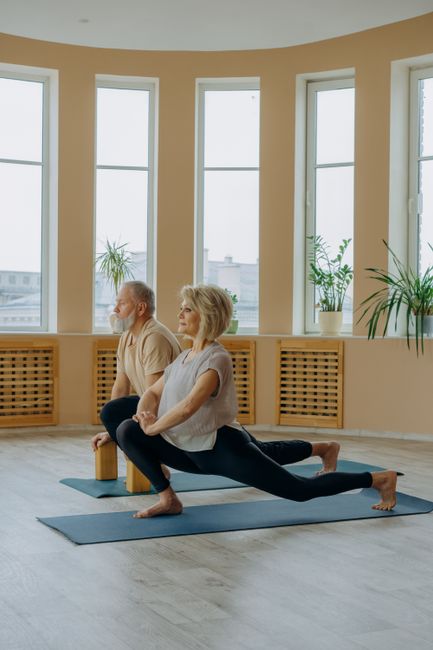
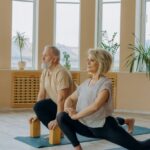
Elderly couple stretching in a yoga pose on mats indoors, focused on health and fitness.

How to practise it safely

  • Long holds are not a reason to push. Sharp, burning, electric or joint pain means come out at once; a dull, spreading sensation is what yin aims for.
  • Knees: in sleeping swan and dragon, pad the back knee and keep the front shin where the knee feels no twist. Skip sleeping swan with a knee injury and use reclining figure four instead.
  • Lower back: in sphinx, lower the elbows forward if the back pinches; skip it with a recent back injury.
  • Pregnancy, hypermobility or osteoporosis: ask a qualified teacher or health professional; shorter holds and more support are usually advised.
  • Come out slowly: joints can feel stiff after a long hold.

This sequence has not yet been reviewed by a qualified teacher.

Easier alternatives

Shorten every hold to one or two minutes; sit on a cushion or bolster in butterfly; replace sleeping swan with reclining figure four; or try the fully supported restorative sequence, where props take all the weight.
Frequently asked questions

How long should I hold yin poses?

Bernie Clark describes three to five minutes as typical and suggests newcomers start with one or two minutes and build up.

Why rest between yin poses?

The short rebound lets the body settle after a long hold before you move into the next shape, and makes it easier to come out slowly.

Is this the same as restorative yoga?

No. In yin you feel a gentle stretch for minutes; in restorative yoga props hold you so there is almost no stretch at all.

Sources

  1. Time is the Magic Ingredient (hold lengths), Bernie Clark, YinYoga.com (accessed October 6, 2026)
  2. Holding For Time, Bernie Clark, YinYoga.com (accessed October 6, 2026)
  3. Yoga: Effectiveness and Safety, National Center for Complementary and Integrative Health (NIH) (accessed October 6, 2026)

Facts checked on October 6, 2026