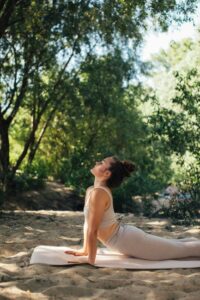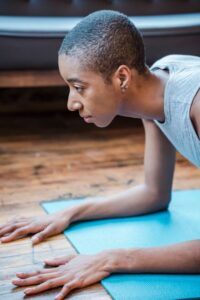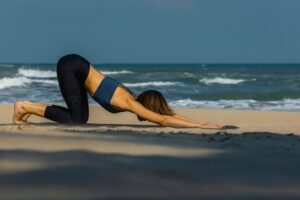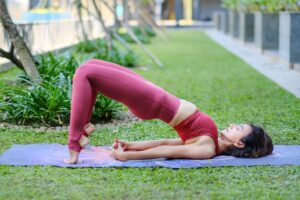
Sphinx and Seal (Yin Yoga): long-held belly-down backbends

Yin sphinx is a belly-down backbend on the forearms, held for minutes with the belly and legs relaxed; Seal is the stronger straight-arm version. Setup, elbow placement, props, holds and precautions.

Not yet reviewed by a qualified teacher Names and shape checked against 4 sources

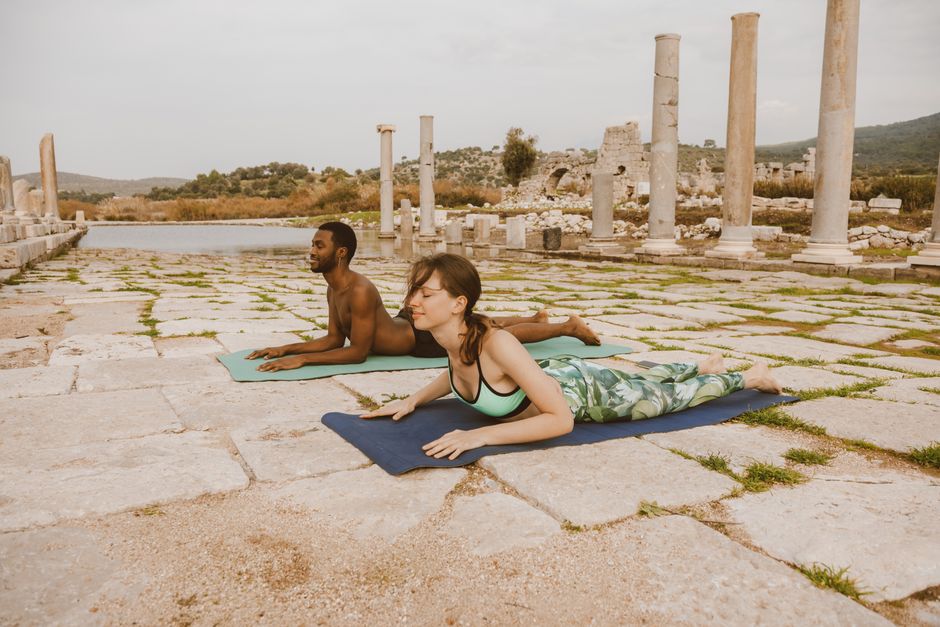
Sphinx (Yin): Two people practicing yoga on mats near ancient ruins, embracing a healthy lifestyle.
Sanskrit name
No established Sanskrit name: a modern descriptive name
Also called
Yin Sphinx, Sphinx Pose (yin), Seal, Yin Seal, Seal Pose
Record
Yin yoga pose
Pose family
Backbend, Prone
Starting position
Prone (on the belly)
Movement
Backbend
Taught in
What Is Yin Yoga? Long Holds, Slow Pace and a Typical Class
Difficulty
Beginner
Prerequisite skills
Lying on the belly comfortably; a lower back that tolerates arching.
Body areas
Chest, Spine
Props
Blanket, Bolster, Cushion
Practised
Solo

Names in different traditions

TraditionName usedNote
Yin yoga (Bernie Clark, YinYoga.com)Sphinx and SealSphinx on the forearms, Seal on straight arms; Sphinx can be held longer than Seal.
Yin yoga (Sarah Powers, in Yoga Journal)Sphinx Pose; Seal PoseElbows about an inch ahead of the shoulders; Seal on straight arms with the hands turned out like flippers.
Yin yoga (Paul Grilley, Yoga Journal)Seal Pose (yin variation of Bhujangasana)Weight on the arms, spine released; at least 1 minute, up to 5.

Step by step

Coming into the pose

  1. Lie on the belly. Prop yourself up on the forearms with the elbows a little ahead of the shoulders, about shoulder-width apart. Clasp the elbows or rest the palms flat.

In the pose

  1. Let the belly drape toward the floor and the buttocks and legs relax. Do not slump into the shoulders.
  2. Adjust the elbows: farther forward is gentler on the lower back, closer is deeper. Stay several minutes if comfortable.
  3. Seal (optional, stronger): from Sphinx, press up onto straight arms, hands a few inches ahead of the shoulders and a little wider, turned out slightly.

Coming out

  1. Lower the chest slowly, turn the head to one side and rest the cheek on the hands. Slide one knee up to the side to ease the lower back.
  2. Move into child's pose or a few slow cat-cow rounds.

Breathing

Natural breathing. The belly presses the floor on each inhalation; let it, rather than holding the abdomen in.

Alignment cues

  • Elbows a little ahead of the shoulders; move them forward to lessen the arch.
  • Shoulders neither hunched up nor collapsed.
  • Belly, buttocks and legs relaxed if the lower back tolerates it.
  • Back off at any sharp sensation.

Common alignment errors

  • Staying with a pinching pain in the lower back.
  • Going straight to Seal without building up from Sphinx.
  • Locking the elbows in Seal with the wrists straining.

Modifications and easier variations

  • Elbows farther forward and the chest lower. none

Advanced variations

  • Seal on straight arms (see the section below).
  • Bend the knees in Seal for more compression in the lower back (Bernie Clark).

Props and chair adaptations

  • Cushion under the elbows, or a bolster under the armpits for a completely relaxed version. bolster
  • Blanket or bolster under the pubic bone to soften the pressure. blanket
  • Chair alternative: sit at the front of a chair, hands on the seat behind you, and lift the chest gently. chair

Precautions

  • Lower back problems, a tight sacrum or sharp pain: keep it low or skip (Bernie Clark).
  • Pregnancy: only with a bolster under the hips and chest, or skip; follow your health care provider's advice.
  • Headaches: skip on those days (Bernie Clark).
  • Wrist pain in Seal: stay in Sphinx.

Learn it with a teacher: Sphinx is safe to explore alone. Build up to Seal gradually, and ask a teacher if you have a back condition.

General information, not medical advice. Poses do not cure illness. If you are pregnant, injured or have a health condition, check with your doctor and tell your teacher before you practise.

Yin and active versions

Related active (yang) pose: Sphinx Pose: the forearm backbend, steps and cues

How the yin version differs: active sphinx pose is usually held for a short time with the legs and back muscles working and the chest drawn forward. Yin sphinx lets the belly, buttocks and legs relax so the lower back settles into the arch, and is held for several minutes; Seal does the same on straight arms.

In short: sphinx is the gentlest yin backbend. You lie on the belly, prop yourself up on the forearms and let the lower back settle into a soft arch while the belly, buttocks and legs relax, then stay for several minutes. Seal is the stronger version on straight arms. Bernie Clark teaches the two together.

This page compares yin sphinx with the active sphinx pose and with cobra, explains elbow and hand placement, and covers the cautions.

The name and the related asanas

Sphinx and Seal are English names, used in yin and in other styles; neither has an established Sanskrit name. The shape of yin sphinx is the same as the active sphinx pose. The difference is in the effort: in yin you let the lower back hang into the arch with the muscles relaxed, if your back tolerates that, and stay for minutes. Paul Grilley describes Seal as the yin variation of cobra (Bhujaṅgāsana): unlike cobra, you support your weight on the arms and release the spine.

Setting up with props

Clark has you clasp the elbows and place them just ahead of the shoulders; Sarah Powers puts them shoulder-distance apart and about an inch in front of the shoulders. Moving the elbows forward lessens the arch. A cushion under the elbows lifts the chest, and a bolster under the armpits lets you relax completely. A blanket or bolster under the pubic bone softens the pressure on the front of the pelvis.

You have choices for the arms and legs too. Clark offers palms flat on the floor in front of you, like the statue, instead of clasped elbows. For a very gentle version he lets you rest lower on the ribs with the elbows slid well forward, and notes that simply lying on the belly may be enough of a backbend for some people. Legs apart tends to deepen the feeling in the lower back; legs together spreads it more evenly along the spine. Powers adds one cue for the shoulders: rest on the arms without slumping down into the shoulders or hunching them up.

The long hold

Let the belly drape toward the floor and the legs go soft. Yoga Journal’s 12-pose sequence holds sphinx for four to five minutes. If the lower back complains, Powers suggests engaging the outer buttocks and inner legs for part of the hold, or skipping the pose; Clark suggests moving the elbows forward.

If the head starts to feel heavy, Clark suggests resting the chin on your fists or the head in your hands, so the neck can let go. Keep the breath slow and easy. Sphinx can be held longer than Seal, which makes it a good place to settle and simply watch the breath. In a class, Clark places Sphinx before saddle, because it is the milder backbend, and Seal after it, because straight arms make it deeper than saddle.

Seal

Seal is Sphinx on straight arms, and it arches the lower back much more. Powers slides the hands about four inches in front of the shoulders and a little wider, turned out slightly like flippers; Grilley places them in front of and to the sides of the shoulders with the fingers angled out, and lets the shoulders rise unless the neck feels pinched. Clark suggests starting with one-minute holds, resting and repeating, and building up slowly; Grilley holds at least a minute, working up to five. Powers notes it may take months before the buttocks and legs can stay relaxed; until then, contract them from time to time. Leave Seal at any sharp sensation.

Coming out and the rebound

Lower the chest slowly, turn the head and rest the cheek on the hands, and lie still for a few breaths. Powers lowers down on an exhalation and then stays still, breathing into the back while it rests. Clark suggests sliding one knee up to the side to ease the lower back (the knee on the side you are facing, with the knee and foot staying on the floor), then child’s pose or a few slow rounds of cat-cow. Keep that cat-cow soft and in time with the breath; Clark’s advice is not to make these your deepest cats ever. Move into child’s pose slowly, since the back has been still in one shape for minutes.

Precautions in plain words

Clark lists a poor back condition, a tight sacrum, sharp pain, pregnancy without modification and headaches as reasons to skip or adapt these poses. Keep Sphinx low and short if your lower back is sensitive, and stay out of Seal until Sphinx is easy. In pregnancy use generous bolsters under the hips and chest or choose another pose. This page is general information, not individual advice.

Before, after and where it is taught

Crocodile is a good way to arrive on the belly. Cobra is the active cousin, and melting heart and saddle are the other yin backbends. You will meet it in yin yoga classes, which hold mostly floor poses for several minutes with the muscles relaxed, and in some gentle and restorative classes.
Preparatory poses

Follow-up poses and transitions

Counterposes

Related poses

More backbend poses

Frequently asked questions

What is the difference between Sphinx and Seal?

Sphinx rests on the forearms; Seal props up on straight arms, which arches the lower back more. Bernie Clark notes Sphinx can be held longer than Seal.

How long can I hold yin sphinx?

Several minutes; Yoga Journal's 12-pose sequence suggests 4 to 5. For Seal, Bernie Clark suggests starting with one-minute holds, resting and repeating.

Is seal the same as cobra?

No. Paul Grilley calls Seal the yin variation of cobra (Bhujangasana): unlike cobra, you rest your weight on the arms and release the back muscles.

Sources

  1. Sphinx & Seal, YinYoga.com (Bernie Clark) (accessed October 6, 2026)
  2. These Yin Yoga Poses Will Feel Soooo Good on Your Low Back (with Sarah Powers), Yoga Journal (accessed October 6, 2026)
  3. Yin Yoga Asanas (Paul Grilley), Yoga Journal (accessed October 6, 2026)
  4. 12 Yin Yoga Poses to Help You Feel Recharged, Yoga Journal (accessed October 6, 2026)

Facts checked on October 6, 2026