Butterfly (Yin Yoga): setup, props and the long hold

Yin butterfly is a seated fold with the soles together and the feet well away from the body, held for 3 to 5 minutes with the back rounded and the muscles relaxed. Setup, props, coming out and how it differs from bound angle.

Not yet reviewed by a qualified teacher Names and shape checked against 3 sources

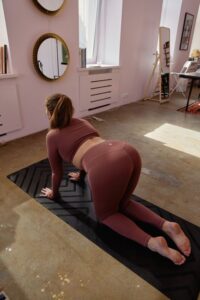
Feet resting on a yoga mat indoors with wooden flooring emphasizes wellness and mindfulness.
Sanskrit name
No established Sanskrit name: a modern descriptive name
Also called
Yin Butterfly, Butterfly Pose (yin)
Record
Yin yoga pose
Pose family
Forward bend, Hip opener and leg extension, Seated
Starting position
Seated
Movement
Forward fold, Hip external rotation
Taught in
What Is Yin Yoga? Long Holds, Slow Pace and a Typical Class
Difficulty
Beginner
Prerequisite skills
Sitting on the floor (on a cushion if needed) and folding forward with a rounded back without pain.
Body areas
Hamstrings, Hips, Spine
Props
Block, Bolster, Cushion, Mat
Practised
Solo

Names in different traditions

TraditionName usedNote
Yin yoga (Bernie Clark, YinYoga.com)ButterflySoles together, feet slid away, back rounds; 3 to 5 minutes or longer.
Yin yoga (Sarah Powers, in Yoga Journal)Butterfly PoseDiamond-shaped legs, fold from the hips then let the upper spine round; 3 to 5 minutes.

Step by step

Coming into the pose

  1. Sit on a cushion or folded blanket. Bring the soles of the feet together and slide them away from you so the legs make a diamond shape.
  2. Let the knees fall out to the sides. Fold forward from the hips to your first point of resistance.

In the pose

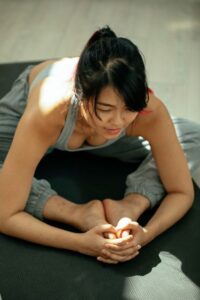
  1. Let the back round and the head hang toward the feet. Rest the hands on the feet or the floor, or rest the head in the hands with the elbows on the feet.
  2. Relax the legs, back and shoulders and stay still, 3 to 5 minutes or longer.

Coming out

  1. Push the floor away with the hands and roll up slowly. Lean back on the hands, then straighten the legs one at a time.
  2. Rest for a few breaths with the legs long before the next pose.

Breathing

Natural, unforced breathing. Some teachers suggest letting each exhalation soften the body a little further into the fold.

Alignment cues

  • Feet well away from the pelvis; closer feet move the stretch toward the inner thighs, farther feet toward the back and hamstrings.
  • Fold first from the hips, then let the spine round.
  • Neck relaxed; support the head if it does not want to hang.
  • Muscles relaxed: no pulling on the feet.

Common alignment errors

  • Pulling the chest toward the feet with the arms.
  • Sitting on the flat floor with the pelvis tipping back; use a cushion.
  • Forcing the knees toward the floor.
  • Coming up quickly after a long hold.

Modifications and easier variations

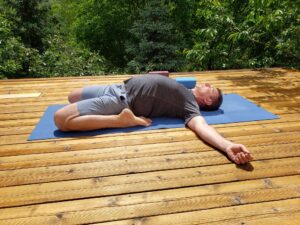
  • Reclining butterfly: lie on the back with the legs in the same shape if the lower back does not like folding. bolster

Props and chair adaptations

  • Sit on a bolster or cushion to raise the hips; with sciatica, high enough that the knees are below the hips. cushion
  • Bolster across the thighs or feet to rest the chest or head on. bolster
  • Blocks or blankets under the knees if the groins feel strained. block
  • Chair alternative: sit near the front of a chair, cross one ankle over the other knee and fold forward a little; switch sides. chair

Precautions

  • Sciatica: raise the hips until the knees are below them, or skip the pose (Bernie Clark).
  • Lower back that should not flex: skip the fold or use the reclining version.
  • Neck injury such as whiplash: do not let the head drop; support it.
  • Pregnancy: keep the fold small so the belly is not compressed.

Learn it with a teacher: Safe to practise on your own with props. Ask a teacher about props if you have sciatica or a disc problem.

General information, not medical advice. Poses do not cure illness. If you are pregnant, injured or have a health condition, check with your doctor and tell your teacher before you practise.

Yin and active versions

Related active (yang) pose: Bound Angle Pose (Baddha Konasana): steps, props and the butterfly names

How the yin version differs: in yin butterfly the feet are well away from the pelvis, the spine is allowed to round, the muscles stay relaxed and the shape is held for minutes. In bound angle pose (Baddha Konasana) the heels are drawn close, the spine lengthens and the pose is held actively for a shorter time.

In short: butterfly is the yin yoga version of a soles-together seated fold. You sit, bring the soles of the feet together, slide the feet well away from you and let the back round forward over the legs, then stay still for several minutes with the muscles relaxed. It is often the first pose of a yin class.

This page explains how the yin butterfly differs from the active bound angle pose, how to set it up with props, what to do during the long hold and how to come out.

The name and the related asana

Butterfly is an English yin name, with no Sanskrit of its own. It looks like bound angle pose (Baddha Koṇāsana), but the instructions and the intention differ. In bound angle the heels are drawn close to the pelvis and the spine stays long and lifted; in yin butterfly, as Bernie Clark and Sarah Powers teach it, the feet slide away from the body, the back is allowed to round, and the muscles stay soft so the stretch can settle into the deeper tissues over time. Clark notes that moving the feet farther away shifts the stretch toward the back and hamstrings, while closer feet stretch the inner thighs more.

Setting up with props

Sit on a cushion or the edge of a folded blanket so the pelvis can tip forward; Sarah Powers suggests shifting onto the front edge of the sitting bones. With sciatica, Clark advises raising the hips until the knees are lower than the hips, or skipping the pose. A bolster across the feet or thighs gives the chest or head somewhere to rest, and Yoga Journal shows a cushion on the feet as a head rest. If the neck does not like hanging, cup the head in the hands with the elbows on the feet or the floor.

Common habits to unlearn

People who come to yin from active styles often pull the heels in tight to the groin out of habit. Bernie Clark encourages them to move the feet away so the legs form a wide diamond. With the feet close, tight inner thighs or a stiff lower back can stop you folding at all; with the feet farther away, butterfly becomes one of the easiest ways to stretch the lower back without needing loose hamstrings.

Watch the pelvis too. If it rolls backward as you sit, the fold happens only in the upper back. Sit higher on a cushion until the pelvis can tip forward. The arms are free: hold the feet, rest the hands on the floor in front of you or let the arms relax behind you. Clark also notes that the pose can be done after a meal as long as the head does not press down onto the floor, and that the wide legs leave room for the belly, which is why it is often offered in pregnancy.

The long hold

Fold until you meet the first clear resistance, then stop and let the body be still. That is the core yin instruction: come to an edge, keep the muscles relaxed and stay. Both Clark and Powers suggest three to five minutes, longer as you get used to it. If the sensation grows sharp, back off; if it fades, you may fold a little further. Our diaphragmatic breathing guide is a good companion for the stillness.

Coming out and the rebound

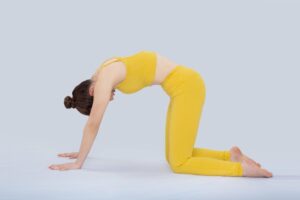
After a long hold, come out slowly. Push the floor away with the hands and roll up, lean back on the hands to release the hips, then straighten one leg at a time. Pause for a few breaths with the legs long: many yin teachers call this pause the rebound. Clark suggests gentle counterposes such as a seated backbend, lying on the belly, tabletop or a seated twist.

Precautions in plain words

The main cautions are for the back and the sciatic nerve. With sciatica, raise the hips or skip the pose. If your lower back should not round, use the reclining version: lie on your back with the legs in the same diamond shape. With a neck injury, support the head rather than letting it drop. In pregnancy keep the fold small. This page is general information, not individual advice.

Before, after and where it is taught

Butterfly often opens a yin class or follows caterpillar; half butterfly and dragonfly are natural next steps, and reclining bound angle is the restful, lying-down cousin. You will meet it in yin yoga classes, which hold mostly floor poses for several minutes with the muscles relaxed, and in some gentle and restorative classes.
Frequently asked questions

How is yin butterfly different from bound angle pose?

In yin butterfly the feet are farther from the pelvis, the back rounds and the muscles relax for a hold of minutes. Bound angle pose keeps the heels close and the spine long, held actively.

How long should I hold yin butterfly?

Three to five minutes, or longer, per Bernie Clark and Sarah Powers.

What if my knees are high?

Sit on a cushion or bolster and support the knees with blocks or blankets. With sciatica, raise the hips until the knees are below them.

Sources

  1. Butterfly Pose, YinYoga.com (Bernie Clark) (accessed October 6, 2026)
  2. These Yin Yoga Poses Will Feel Soooo Good on Your Low Back (with Sarah Powers), Yoga Journal (accessed October 6, 2026)
  3. 12 Yin Yoga Poses to Help You Feel Recharged, Yoga Journal (accessed October 6, 2026)

Facts checked on October 6, 2026