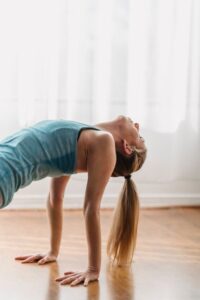
Saddle and Half Saddle (Yin Yoga): a supported kneeling backbend

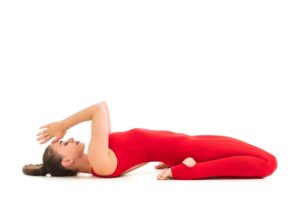
Saddle is a yin kneeling backbend: sit on or between the heels and recline onto bolsters or the floor, letting the lower back arch, for 1 to 5 minutes. Half Saddle with one leg straight is the gentler option.

Not yet reviewed by a qualified teacher Names and shape checked against 3 sources

Sanskrit name
No established Sanskrit name: a modern descriptive name
Also called
Yin Saddle, Saddle Pose, Half Saddle, Yin Half Saddle
Record
Yin yoga pose
Pose family
Backbend, Kneeling
Starting position
Kneeling
Movement
Backbend
Taught in
What Is Yin Yoga? Long Holds, Slow Pace and a Typical Class
Difficulty
Intermediate
Prerequisite skills
Kneeling and sitting on or between the heels without knee or ankle pain.
Body areas
Feet and ankles, Legs, Spine
Props
Blanket, Block, Bolster
Practised
Solo

Names in different traditions

TraditionName usedNote
Yin yoga (Bernie Clark, YinYoga.com)Saddle / Half SaddleSit on or between the heels and recline onto hands, elbows or bolsters; Half Saddle straightens one leg; 1 to 5 minutes.
Yin yoga (Paul Grilley, Yoga Journal)Saddle Pose (yin variation of Supta Virasana)Knees comfortably apart, lower onto the elbows, head or shoulders; at least 1 minute, up to 5 or more.
Yin yoga (Sarah Powers, in Yoga Journal)Saddle PoseLower onto elbows or upper back keeping the lower back arched; bolster under the shoulders and head.

Step by step

Coming into the pose

  1. Kneel and sit on the heels, or between the feet on a block. If the knees or ankles hurt here, stop: use Half Saddle or skip the pose.
  2. Lean back onto the hands. If that is comfortable, lower onto the elbows, letting the knees spread if they want to.

In the pose

  1. Rest the back on a bolster (lengthwise under the spine, or across under the shoulders), or, if it is easy, all the way to the floor. Let the lower back arch.
  2. Stay 1 to 5 minutes. Arms overhead deepen the stretch.

Coming out

  1. Come up the way you went down: onto the elbows, then the hands, then sit up. Or roll to one side and straighten the opposite leg.
  2. Lie on the back with the legs straight and gently tighten and release the kneecaps, then hug the knees in.

Breathing

Natural breathing; the front of the body will feel the breath more. Come out immediately if any sharp or burning pain appears.

Alignment cues

  • Ankles padded; feet beside or under the hips.
  • Knees can be wider than the hips.
  • Lower back arches naturally; support the upper back if it strains.
  • No sharp or burning sensation in the knees, ever.

Common alignment errors

  • Pushing through knee pain to get the back to the floor.
  • Coming out by sitting straight up with no hands.
  • Starting with no props.

Modifications and easier variations

  • Half Saddle: one leg folded, the other straight. bolster

Props and chair adaptations

  • Bolster lengthwise under the spine, or two crossways under the shoulders; stack higher if the thighs strain. bolster
  • Block between the feet to sit on. block
  • Blanket or rolled towel under the ankles. blanket
  • Chair alternative: stand behind a chair holding the back, bend one knee and hold the foot (or a strap) behind you for a front-of-thigh stretch. chair

Precautions

  • Knee problems: skip the full pose; try Half Saddle with a bolster, or skip.
  • Bad back or tight sacroiliac joints: use high support or skip (Bernie Clark).
  • Ankle pain: pad the ankles or sit on a block.
  • Pregnancy: keep the back well raised on bolsters, or choose another pose.

Learn it with a teacher: Learn saddle with a teacher if you have any knee, back or sacroiliac history.

General information, not medical advice. Poses do not cure illness. If you are pregnant, injured or have a health condition, check with your doctor and tell your teacher before you practise.

Yin and active versions

Related active (yang) pose: Reclining Hero Pose (Supta Virasana): steps, knee care and the bolster version

How the yin version differs: reclining hero (Supta Virasana) is usually taught with the knees close together, the lower back lengthened and the tailbone drawn down. Yin saddle lets the knees spread, lets the lower back arch, uses bolsters freely and is held for minutes with the thighs and back relaxed.

In short: saddle is a yin backbend from kneeling. You sit on the heels or between the feet, lean back onto the hands, the elbows or a bolster, and let the lower back arch while the fronts of the thighs and ankles stretch. It is held for a few minutes with plenty of support. Half Saddle, with one leg straight, is the gentler version.

Because it loads the knees, saddle is not a pose to force. This page explains the props, the safe way in and out, and how it differs from reclining hero pose.

The name and the related asana

Saddle is an English yin name with no Sanskrit of its own. Paul Grilley calls it the yin variation of Supta Vīrāsana (reclining hero), and Bernie Clark also names Supta Vajrāsana (reclining thunderbolt). In those poses the knees usually stay close and the lower back is lengthened; in yin saddle the knees may spread wider than the hips, the lower back is allowed to arch and bolsters take the weight.

Setting up with props

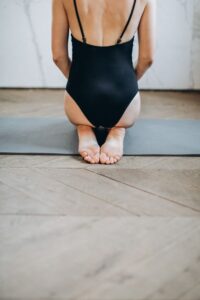
Start by simply sitting on the heels and checking the knees and ankles; Clark advises modifying or skipping the pose if this already hurts. A blanket or rolled towel under the ankles eases the fronts of the feet, and a block between the feet raises the hips. Lean back onto the hands, then the elbows. Grilley lets you rest on the elbows, the head or, if you are quite flexible, the backs of the shoulders, and suggests sitting between the feet rather than on them if the lower back strains. Sarah Powers rests the shoulders and head on a bolster if the thighs feel strained. Clark offers several bolster setups: two crossways under the shoulders, one lengthwise under the spine, or one under the upper back.

The long hold

Clark gives one to five minutes; Grilley says hold at least a minute and work up to five or more. Arms overhead deepen the stretch. Clark is blunt about the rule: any sharp or burning pain, come out.

Half Saddle

In Half Saddle, one leg is folded as in saddle and the other is straight, with the foot on the floor in front of you (Bernie Clark). It halves the load on the knees and lets you work one side at a time, so it is the place to start, usually with a bolster lengthwise under the back. Switch legs after the hold. Half Saddle is still a backbend: keep the same caution for the lower back.

Coming out and the rebound

Come up the way you went down: onto the elbows, then the hands, then sit up; Powers places the hands where the elbows were and lifts on an inhalation. If you are stuck, roll to one side and straighten the other leg. Afterwards Clark suggests lying on the back with straight legs, gently tightening and releasing the kneecaps, then hugging the knees in with wind-relieving pose, or resting in child’s pose or crocodile.

Precautions in plain words

Clark advises against saddle with a bad back, tight sacroiliac joints or sensitive knees. Pad the ankles, support the back well, and come out at any sharp pain. In pregnancy keep the back well raised on bolsters or choose another pose. This page is general information, not individual advice.

Before, after and where it is taught

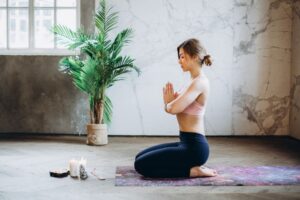
Thunderbolt, hero and the yin ankle stretch prepare the knees and ankles. You will meet it in yin yoga classes, which hold mostly floor poses for several minutes with the muscles relaxed, and in some gentle and restorative classes.
Preparatory poses

Follow-up poses and transitions

Counterposes

Related poses

More backbend poses

Frequently asked questions

Is saddle the same as reclining hero pose?

It is the yin version of the same family. Saddle lets the knees spread and the lower back arch, and uses bolsters for a long relaxed hold; reclining hero (Supta Virasana) is held actively with the knees close.

What if saddle hurts my knees?

Come out. Try Half Saddle with one leg straight and a bolster under the back, or skip the pose. Bernie Clark says to come out at any sharp or burning pain.

How long do I hold saddle?

One to five minutes (Bernie Clark); Paul Grilley says at least a minute, working up to five or more.

Sources

  1. Saddle and Half Saddle, YinYoga.com (Bernie Clark) (accessed October 6, 2026)
  2. Yin Yoga Asanas (Paul Grilley), Yoga Journal (accessed October 6, 2026)
  3. These Yin Yoga Poses Will Feel Soooo Good on Your Low Back (with Sarah Powers), Yoga Journal (accessed October 6, 2026)

Facts checked on October 6, 2026