Both Big Toes Pose (Ubhaya Padangusthasana): the seated big-toe balance

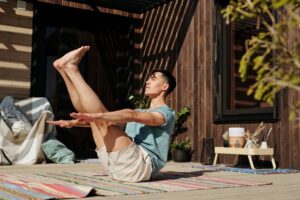
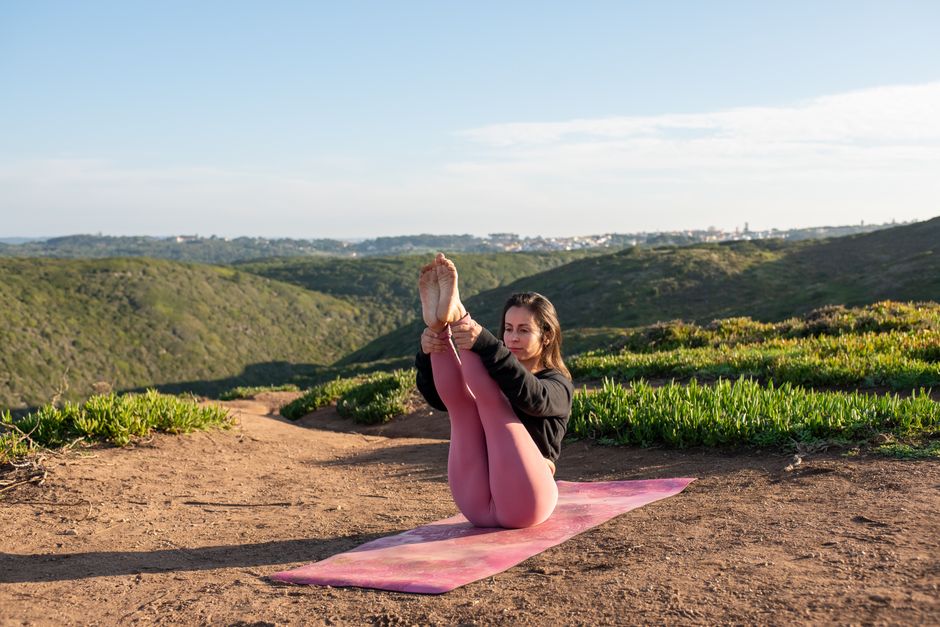
Both big toes pose (Ubhaya Padangusthasana) balances on the sitting bones with straight legs in a V, holding both big toes. Ashtanga rolls up into it; bent knees are the easier start.

Not yet reviewed by a qualified teacher Names and shape checked against 2 sources

Both Big Toes Pose yoga pose
Sanskrit name
Ubhaya Pādāṅguṣṭhāsana उभय पादाङ्गुष्ठासन (source)
Also called
Seated Big Toe Balance, Both Feet Big Toe Pose
Other spellings
Ubhaya Padangusthasana, Ubhaya Padangushthasana
Pose family
Balancing, Floor foundations and core, Forward bend, Seated
Starting position
Seated
Movement
Balance, Forward fold
Taught in
Vinyasa Yoga: Flow, Breath and What to Expect
Difficulty
Intermediate
Prerequisite skills
A steady boat pose and a comfortable seated forward bend. The Ashtanga roll-up also needs a healthy neck and some experience with the legs-overhead position.
Body areas
Core, Hamstrings, Spine
Props
Blanket, Mat, Strap
Practised
Solo

Names in different traditions

TraditionName usedNote
Ashtanga vinyasa (Pattabhi Jois lineage)Ubhaya PādāṅguṣṭhāsanaPrimary series, near the end of the seated poses; entered by rolling up from the legs-overhead position; five breaths (AshtangaYoga.info; Yoga Journal challenge pose).

Step by step

Coming into the pose

  1. Seated entry: sit with knees bent, feet on the floor. Hook the big toes with the first two fingers, thumbs pressing from the other side.
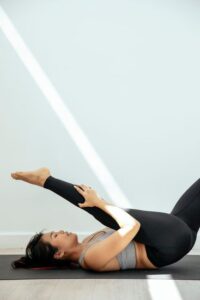
  2. Ashtanga entry instead: lie on your back, legs together. Inhale and lift the straight legs overhead until the toes touch the floor behind you; take the big toes; then on a smooth inhalation roll up to sitting, keeping the grip and the arms and legs straight.

In the pose

  1. Balance just behind the sitting bones with the legs lifted in a V. Straighten the knees only as far as the back stays long.
  2. Firm the thighs, lift the chest without thrusting the ribs, draw the shoulders away from the ears and look gently up. Stay for five breaths.

Coming out

  1. Exhale, bend the knees, release the toes and lower the feet to the floor with control.

Breathing

Steady breaths through the nose. In the roll-up, a single smooth inhalation carries you up. In the balance, draw the lower belly gently in at the end of each exhalation and let the breath move into the ribs.

Alignment cues

  • Balance just behind the sitting bones, not on the tailbone.
  • Long spine and lifted chest come before straight legs.
  • Legs together and active, thighs firm.
  • Shoulders away from the ears; neck long.

Common alignment errors

  • Rounding the back and rocking back onto the tailbone.
  • Bending the arms and pulling the legs toward the face.
  • Rolling up with momentum and crashing back down.

Modifications and easier variations

  • Keep the knees bent, holding the big toes or the backs of the thighs. none
  • Practise boat pose with the hands beside the thighs instead. none

Advanced variations

Props and chair adaptations

  • Loop a strap around both soles and hold it with straight arms. strap
  • Fold a blanket under the sitting bones (and behind you for the roll-up) for padding. blanket

Precautions

  • Neck problems: skip the legs-overhead roll-up; use the seated entry.
  • Tailbone injury or lower-back pain with sitting balances: avoid or keep the knees bent with padding.
  • Pregnancy: avoid.

Learn it with a teacher: The seated entry with bent knees can be practised alone. Learn the Ashtanga roll-up with a teacher.

General information, not medical advice. Poses do not cure illness. If you are pregnant, injured or have a health condition, check with your doctor and tell your teacher before you practise.

In short: in both big toes pose you balance on the sitting bones with both legs straight up in a V, holding the big toes with both hands, the arms and back straight and the chest lifted. It combines the core strength of boat pose with the hamstring length of a seated forward bend. Bent knees are the honest way to start.

The pose belongs to the Ashtanga primary series, where you roll up into it from lying on your back with the feet behind the head, and it is a common seated balance in other styles, often entered simply from sitting. Below we explain the name, both ways in and the precautions.

What the name means

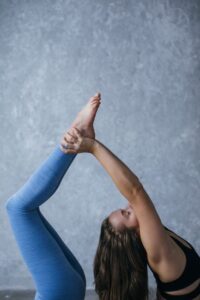
Ubhaya Pādāṅguṣṭhāsana joins ubhaya (both), pāda (foot), aṅguṣṭha (big toe) and āsana (posture): the posture holding both big toes. It is related by name to standing big-toe pose (Padangusthasana) and reclining hand-to-big-toe pose (Supta Padangusthasana), which use the same grip. The hand position is the “yogi toe lock”: the first two fingers hook around the big toe and the thumb presses from the other side.

Two ways in

From sitting (easier). Sit, bend the knees and hold the big toes. Lean back until you balance just behind the sitting bones, lift the chest, then straighten the legs only as far as the back stays long. Most people stay with bent knees for a while; that is the right version until the hamstrings allow more.

The Ashtanga roll-up. Lie on your back, swing the straight legs overhead until the toes touch the floor behind you, take the big toes, then roll up on an inhalation to balance on the sitting bones, keeping the grip and the legs and arms straight. Yoga Journal’s step-by-step and AshtangaYoga.info describe the same sequence. The roll asks for control: AshtangaYoga.info suggests pressing the heels back to build elastic tension in the back of the legs and braking at the top by lifting the chest. Because it starts with the legs over the head, the neck carries some load; anyone with a neck problem should use the seated entry instead.

Once balanced, firm the thighs, lift the chest without pushing the ribs forward, draw the shoulders away from the ears and look up gently. Stay for five breaths, as both Ashtanga sources suggest.

Precautions in plain words

Rolling onto the back of the neck and balancing on the sitting bones are both demanding. Avoid the roll-up with neck problems, and avoid the pose with a tailbone injury, lower-back problems that flare with sitting balances, or during pregnancy. Pad the floor behind you with a folded blanket for the roll. If the lower back rounds and you sink onto the tailbone, bend the knees. This page is general information, not individual advice.

Preparation and what comes next

Boat pose builds the balance and core strength; reclining hand-to-big-toe pose and seated forward bend build the hamstring length. In the Ashtanga primary series the next pose is upward-facing intense stretch, which uses the same roll-up with a different grip and folds the legs to the chest.

A simple way to practise it. Build the balance and the hamstring length separately. Practise boat pose for a few breaths with bent knees to find the balance point behind the sitting bones, and practise reclining hand-to-big-toe pose with a strap for the hamstrings. Then try the seated entry: hold the big toes with bent knees, find the balance, and straighten the legs a little at a time. Learn the Ashtanga roll-up only after that feels steady, ideally with a teacher watching the first attempts.

You will meet both big toes pose in Ashtanga and in vinyasa classes as a core-focused balance.
Preparatory poses

Follow-up poses and transitions

Counterposes

Related poses

More balancing poses

Frequently asked questions

What is the difference between both big toes pose and boat pose?

Both balance on the sitting bones with the legs lifted. In boat pose the arms reach forward beside the legs; in both big toes pose the hands hold the big toes, so it also needs more hamstring length.

Do I have to roll up from my back?

No. The roll-up is the Ashtanga entry. You can also come in from sitting with bent knees, which is easier and avoids loading the neck.

How long should I hold it?

Five breaths, as in Ashtanga practice.

Sources

  1. Ubhaya Pādāṅguṣṭhāsana (both big toes pose), AshtangaYoga.info (Dr. Ronald Steiner) (accessed October 6, 2026)
  2. Challenge Pose: Ubhaya Padangusthasana, Yoga Journal (accessed October 6, 2026)

Facts checked on October 6, 2026