Upward-Facing Intense Stretch (Urdhva Mukha Paschimottanasana)

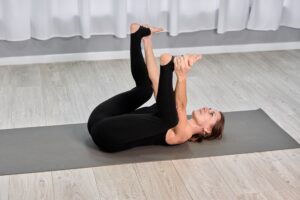
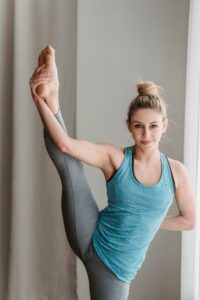
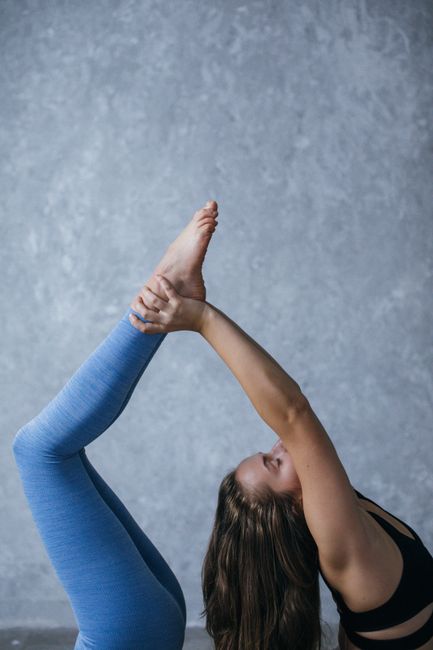
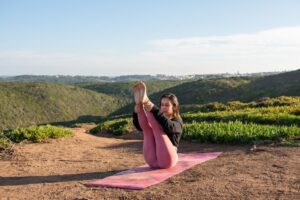
Upward-facing intense stretch (Urdhva Mukha Paschimottanasana) is a seated forward bend balanced on the sitting bones, legs straight up and drawn to the chest. Demanding; start with bent knees.

Not yet reviewed by a qualified teacher Names and shape checked against 2 sources

Upward-Facing Intense Stretch yoga pose
Sanskrit name
Ūrdhva Mukha Paścimottānāsana ऊर्ध्व मुख पश्चिमोत्तानासन (source)
Also called
Upward-Facing Seated Forward Bend, Upward-Facing Intense Stretch Pose
Other spellings
Urdhva Mukha Paschimottanasana, Urdhva Mukha Pashchimottanasana
Pose family
Balancing, Floor foundations and core, Forward bend, Seated
Starting position
Seated
Movement
Balance, Forward fold
Taught in
Vinyasa Yoga: Flow, Breath and What to Expect
Difficulty
Intermediate
Prerequisite skills
A steady both big toes pose or boat pose, and a seated forward bend with the chest close to straight legs.
Body areas
Core, Hamstrings, Spine
Props
Blanket, Mat, Strap, Wall
Practised
Solo

Names in different traditions

TraditionName usedNote
Ashtanga vinyasa (Pattabhi Jois lineage)Ūrdhva Mukha PaścimottānāsanaPrimary series, after Ubhaya Padangusthasana; roll-up entry holding the outer edges of the feet; five breaths (AshtangaYoga.info).

Step by step

Coming into the pose

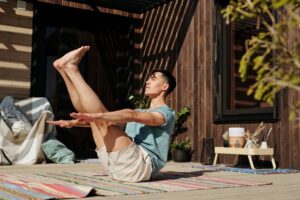
  1. Seated entry: sit, bend the knees and hook the big toes. Lean back to the edge of the sitting bones and firm the legs to straighten them, balancing.
  2. Ashtanga entry instead: lie on your back, swing the straight legs overhead to the floor, hold the outer edges of the feet, and roll up on an inhalation to balance with straight arms and legs.

In the pose

  1. Inhale to widen the chest. Exhale, move the hands to the feet, bend the elbows outward and draw the legs and torso together, heels reaching up.
  2. On each inhalation draw the shoulder blades in to lift the chest; on each exhalation fold the legs a little deeper. Stay for five breaths.

Coming out

  1. Inhale and straighten the arms, lifting the chest. Exhale, bend the knees and lower the feet to the floor with control.

Breathing

Inhale to widen and lift the chest, exhale to draw the legs and torso together. Five steady breaths through the nose.

Alignment cues

  • Balance on the sitting bones with the lower back drawn slightly in, not rounded onto the tailbone.
  • Use the core: hip flexors, abdominals and back muscles work together.
  • Elbows bend outward; shoulders stay away from the ears.
  • Point or press through the feet to steady the legs.

Common alignment errors

  • Pulling the legs to the face with bent arms while the back collapses.
  • Bending the knees during the roll-up and losing the grip.
  • Holding the breath.

Modifications and easier variations

  • Half version: hold the soles with bent knees and straighten the legs gradually while balancing (Yoga Journal). none
  • Balance holding the big toes with bent knees, back long (Yoga Journal’s "happy baby" balance). none

Props and chair adaptations

  • Wall stretch: fold forward standing with the back resting against a wall to learn the shape (Yoga Journal). wall
  • Strap around the soles, held with straight arms; folded blanket under the sitting bones. strap

Precautions

  • Neck problems: skip the roll-up entry.
  • Tailbone, lower-back or hamstring injury: avoid or keep the knees bent.
  • Pregnancy: avoid.

Learn it with a teacher: Work on the bent-knee versions on your own; learn the roll-up and full fold with a teacher.

General information, not medical advice. Poses do not cure illness. If you are pregnant, injured or have a health condition, check with your doctor and tell your teacher before you practise.

In short: upward-facing intense stretch is a seated forward bend turned upward. You balance on the sitting bones, hold the feet with straight legs pointing to the sky, and draw the legs and torso together so the chest moves toward the shins. It combines a deep hamstring stretch with a demanding balance and strong core work, so it is not a beginner pose.

It is the last of the balancing seated poses of the Ashtanga primary series, right after both big toes pose, and Yoga Journal has published it as the peak pose of a vinyasa-style sequence. Below are the name, two ways in, cues and precautions.

What the name means

Ūrdhva Mukha Paścimottānāsana joins ūrdhva (upward, raised), mukha (face) and paścimottānāsana, the seated forward bend or intense stretch of the back of the body. It is the same fold as seated forward bend, but with the whole body turned upward and balanced. The English “upward-facing intense stretch” is Yoga Journal’s translation; some classes call it upward-facing seated forward bend. Do not confuse it with upward-facing dog (Urdhva Mukha Svanasana), a backbend.

Two ways in

From sitting. Yoga Journal’s breakdown by Annie Carpenter starts seated: bend the knees, hook the big toes, lean back to the edge of the sitting bones and firm the legs to straighten them. Inhale to widen the chest; exhale to fold thighs and torso toward each other. Then move the hands to the soles of the feet and stretch the heels up. The work, she explains, is in the hip flexors, the abdominal wall and the deep spinal muscles acting together so you find your centre and balance.

The Ashtanga roll-up. As in both big toes pose, you lie back, swing the straight legs overhead to the floor, take hold of the outer edges of the feet, and roll up on an inhalation to balance with straight arms and legs. On the next exhalation bend the elbows outward and draw the torso along the legs; stay for five breaths, then straighten the arms, lift the chest and look up for a breath before coming down. AshtangaYoga.info notes that many practitioners find this the most demanding pose of the first series because the intense stretch meets an equally intense balance.

Precautions in plain words

The roll-up loads the neck, and the balance loads the sitting bones and tailbone. Avoid the roll-up with neck problems, and avoid the pose with a tailbone injury, lower-back or hamstring injuries, or during pregnancy. If the back rounds hard or you tip onto the tailbone, bend the knees. Practise on a padded surface. This page is general information, not individual advice.

Preparation and what comes next

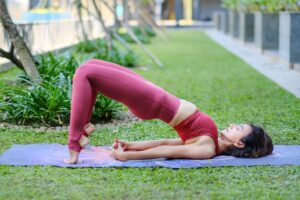
Yoga Journal suggests a “happy baby” balance (holding the big toes with bent knees while balancing on the sitting bones), a half version holding the soles with bent knees, and a forward fold with the back against a wall. Boat pose and both big toes pose build the balance, and seated forward bend builds the fold. In the Ashtanga primary series it is followed by bridge pose (Setu Bandhasana), which opens the front of the body.

A simple way to practise it. Work in three steps over several sessions. First, the bent-knee balance holding the big toes, keeping the lower back drawn slightly in. Second, the half version, holding the soles with bent knees and straightening the legs gradually. Third, folding the straight legs toward the chest. Yoga Journal’s breakdown recommends staying for about five breaths at whatever stage you reach. If you practise the Ashtanga roll-up, pad the floor and learn it with a teacher.

You will meet it in Ashtanga practice and in some vinyasa classes.
Preparatory poses

Follow-up poses and transitions

Counterposes

Related poses

More balancing poses

Frequently asked questions

What does Urdhva Mukha Paschimottanasana mean?

Upward-facing (ūrdhva mukha) intense stretch of the back of the body (paschimottanasana): a seated forward bend balanced with the legs and face turned upward.

Is it the same as upward-facing dog?

No. Upward-facing dog (Urdhva Mukha Svanasana) is a backbend. This pose is a balanced forward fold.

How do I start if I can’t straighten my legs?

Balance on the sitting bones with bent knees, holding the soles or big toes, and straighten the legs a little at a time.

Sources

  1. Ūrdhva Mukha Paścimottānāsana, AshtangaYoga.info (Dr. Ronald Steiner) (accessed October 6, 2026)
  2. Pose Breakdown: Upward-Facing Intense Stretch Pose, Yoga Journal (Annie Carpenter) (accessed October 6, 2026)

Facts checked on October 6, 2026