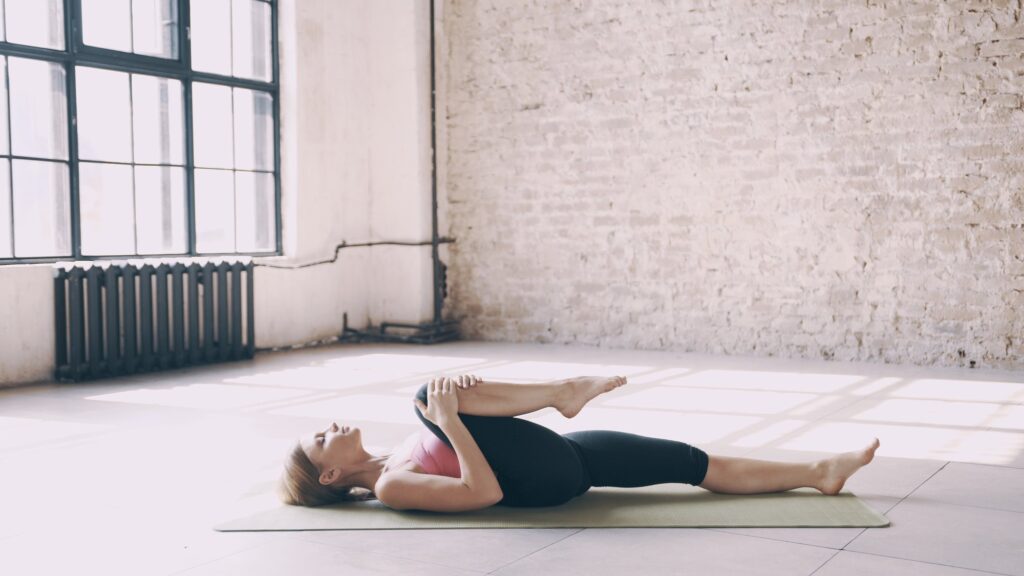
Happy Baby Pose (Ananda Balasana): the reclining hip release

Happy baby (Ananda Balasana) is a reclining hip release: knees wide toward the armpits, shins vertical, hands holding the feet. Steps, strap and one-leg versions, precautions and where it fits in a class.

Not yet reviewed by a qualified teacher Names and shape checked against 2 sources

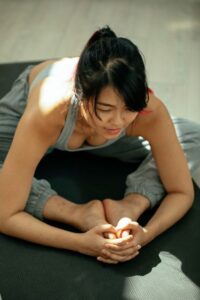
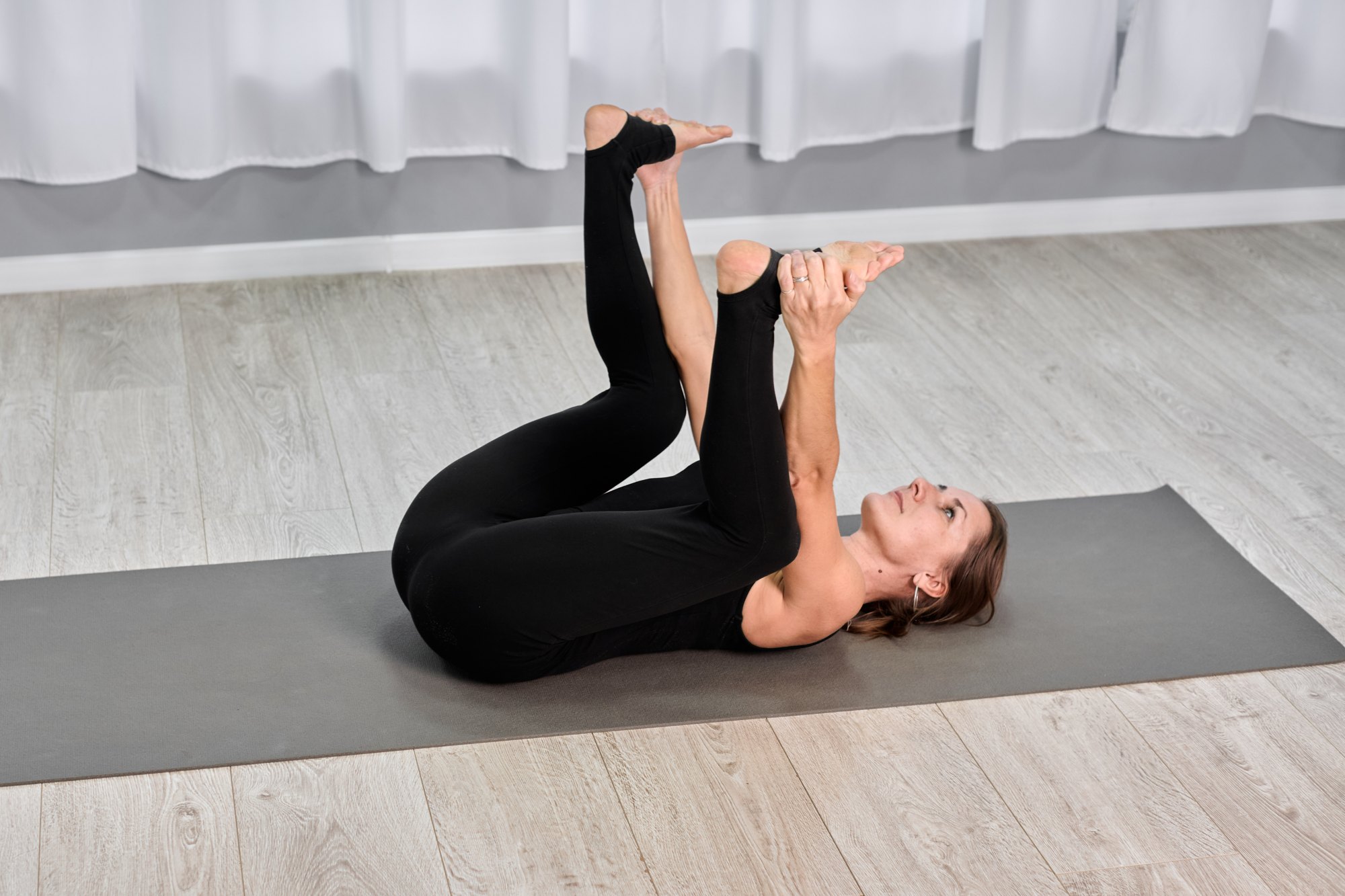
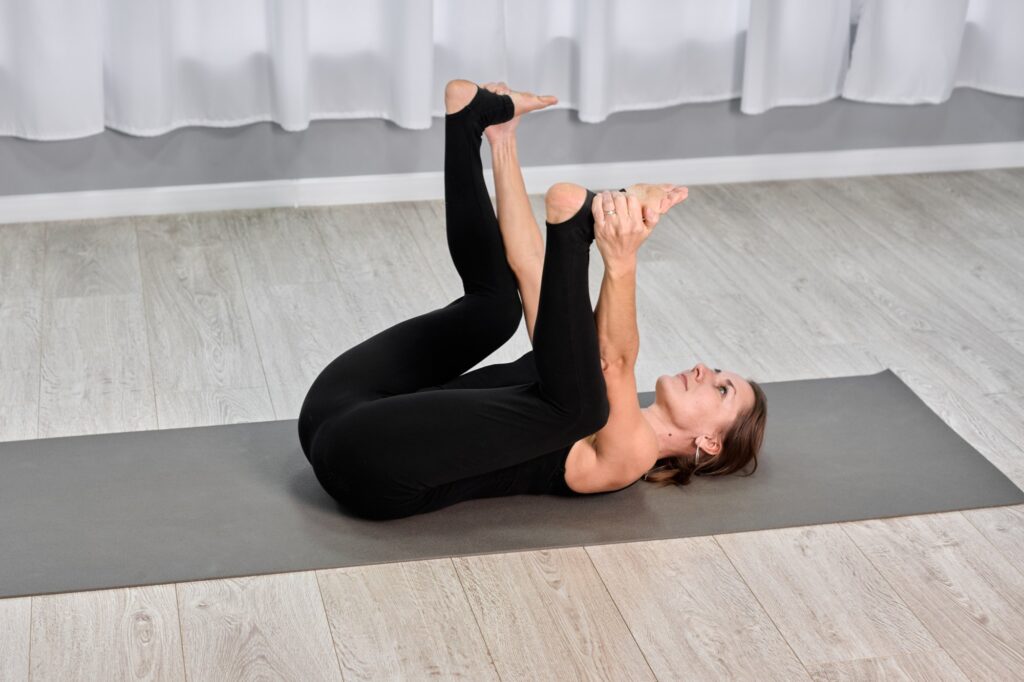
Happy baby pose on a mat
Sanskrit name
Ānanda Bālāsana आनन्द बालासन (source)
Pronunciation
Uh-NUHN-duh Buh-LUH-suh-nuh (source)
Also called
Happy Baby, Dead Bug (some schools)
Other spellings
Ananda Balasana
Pose family
Hip opener and leg extension, Supine
Starting position
Reclining (on the back)
Movement
Hip external rotation
Taught in
Hatha Yoga: The Historical Term and the Modern Class, Vinyasa Yoga: Flow, Breath and What to Expect
Difficulty
Beginner
Prerequisite skills
Able to lie on the back and draw the knees toward the chest.
Body areas
Hamstrings, Hips, Spine
Props
Blanket, Chair, Strap
Practised
Solo

Names in different traditions

TraditionName usedNote
Yoga JournalHappy Baby Pose (Ananda Balasana)Pose library page with pronunciation.
Yoga InternationalAnanda balasana (happy baby)Not one of the traditional poses of older hatha texts; popular in contemporary practice.

Step by step

Coming into the pose

  1. Lie on your back. On an exhale, bend the knees into the belly.
  2. Inhale and hold the outer edges of the feet (or loop a strap over each foot). Open the knees slightly wider than the torso and bring them toward the armpits.

In the pose

  1. Stack each ankle over its knee so the shins are vertical; flex the feet. Press the feet up into the hands as the hands draw down.
  2. Let the tailbone and back of the pelvis settle toward the floor; head and shoulders stay down. Stay 5 to 10 breaths, or rock gently side to side.

Coming out

  1. Release the feet, bring the knees together and lower the feet to the floor.

Breathing

Easy, slow breathing. Exhale as you draw the knees in; let each exhale soften the inner thighs and lower back.

Alignment cues

  • Ankles over knees, shins vertical, soles to the ceiling.
  • Knees wide, toward the armpits.
  • Head and shoulders on the floor; neck relaxed.
  • Tailbone lengthens toward the floor.

Common alignment errors

  • Lifting the head and shoulders to reach the feet.
  • Knees drifting together over the belly instead of wide.
  • Pulling the feet down hard instead of the gentle push-pull.

Modifications and easier variations

  • Hold the ankles, calves or backs of the thighs. none
  • One leg at a time (half happy baby), the other foot on the floor or the leg straight. none

Props and chair adaptations

  • Strap looped over the arch of each foot. strap
  • Folded blanket under the head. blanket
  • Chair version (Yoga Journal): sit with the knees wide, fold forward between the thighs and hold the outer edges of the feet. chair

Precautions

  • Hip replacement: follow your surgeon's guidance on bringing the knees toward the chest.
  • Recent abdominal surgery: skip until cleared.
  • Neck problems: keep the head down, on a blanket if needed.
  • Later pregnancy: lying flat on the back for long may not suit; ask your health care provider.

Learn it with a teacher: Suitable to learn on your own.

General information, not medical advice. Poses do not cure illness. If you are pregnant, injured or have a health condition, check with your doctor and tell your teacher before you practise.

In short: happy baby is a reclining pose in which you lie on your back, draw the knees wide toward the armpits and hold the outer edges of the feet, with the shins vertical and the soles facing the ceiling. It gently stretches the inner thighs, groin and lower back. Hold the shins, ankles or a strap instead of the feet if you need to, and keep the head down.

The name says it: anyone who has watched a baby lying on its back holding its feet knows the shape. It is one of the friendliest poses in yoga, often used near the end of a class, after backbends and twists, to let the lower back and hips release. Yoga International describes it as a reclining squat, a way to get some of the hip opening of a squat without putting weight through the knees.

About the name

Ānanda means bliss or happiness, bāla child and āsana posture. Yoga Journal and Yoga International both use Ananda Balasana for this pose. It is a modern posture: Yoga International notes that it is not among the traditional poses of the older hatha yoga texts, although it is very popular in contemporary classes. Some schools call a similar shape “dead bug”, which in fitness also names a different core exercise. Do not confuse it with child’s pose, Balasana, which is a kneeling forward fold.

How to make it work

Bring the knees in toward the belly, then open them slightly wider than the torso and toward the armpits. Stack each ankle over its knee, so the shins point straight up, and flex the feet. Yoga Journal suggests a gentle push-pull: press the feet up into the hands while the hands draw down, which creates a stretch without forcing. Let the back of the pelvis and the tailbone move toward the floor so the sacrum feels broad. If holding the feet lifts your head or shoulders off the floor, hold the ankles, calves or backs of the thighs, or loop a strap over each foot. Rocking slowly from side to side gives the lower back a mild massage.

One leg at a time, or in a chair

Yoga Journal offers two useful variations. Half happy baby lifts one leg at a time while the other stays on the floor, which is easier on tight hips and lets you notice differences between the sides. The chair version suits people who cannot lie on the floor: sit in a sturdy chair, open the knees wide, fold forward between the thighs and reach back to hold the outer edges of the feet. Both give some of the same inner-thigh and lower-back release with less effort, and the half version is a good preparation for lizard pose, as Yoga International notes.

Precautions in plain words

Happy baby is gentle, but drawing the knees toward the chest can bother a recently operated hip (follow your surgeon’s guidance on hip flexion) and pressure on the belly may be uncomfortable after abdominal surgery. With a neck problem, keep the head on the floor, on a folded blanket if needed. In pregnancy, lying flat on the back for long may not suit later stages; ask your health care provider. This page is general information, not individual advice.

Preparation and what comes next

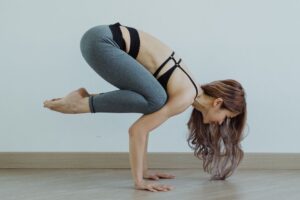
Knees-to-chest in wind-relieving pose is a good lead-in. Happy baby is often the next step from reclining figure four and before reclining spinal twist and corpse pose. Yoga Journal suggests it as a lying-down alternative to garland pose for people who cannot squat, and as a preparation for crow pose, because it teaches the knees to move toward the armpits.

Where it is taught

You will find it in hatha, vinyasa and gentle classes, usually in the floor section near the end. It suits our bedtime yoga plan. Browse more resting and reclining poses in the pose library.
Frequently asked questions

What if I cannot reach my feet in happy baby?

Hold the ankles, calves or backs of the thighs, or loop a strap over each foot. Keeping the head and shoulders down matters more than holding the feet.

Is happy baby a traditional yoga pose?

It is a modern posture. Yoga International notes it is not one of the traditional poses in older hatha yoga texts, but it is very common today.

Is happy baby the same as child's pose?

No. Child's pose (Balasana) is a kneeling forward fold; happy baby (Ananda Balasana) is done lying on your back holding the feet.

Sources

  1. Happy Baby Pose: How to Practice Ananda Balasana, Yoga Journal (accessed October 6, 2026)
  2. The Mythology Behind Ananda Balasana (Happy Baby Pose), Yoga International (accessed October 6, 2026)

Facts checked on October 6, 2026