Boat Pose (Paripurna Navasana): bent-knee to full boat, and the two half boats

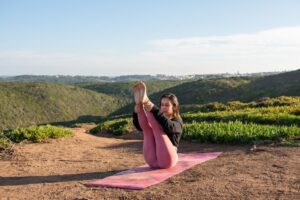
Boat pose (Paripurna Navasana) balances on the sitting bones in a V shape with the arms forward. Steps from bent-knee to full boat, the two meanings of half boat, precautions and where it is taught.

Not yet reviewed by a qualified teacher Names and shape checked against 4 sources

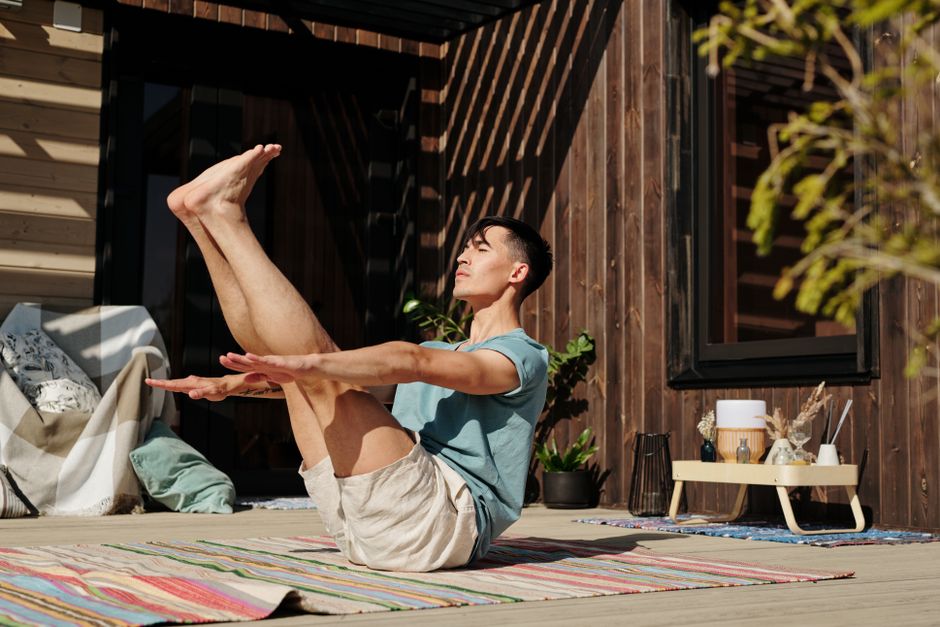
Man practicing yoga outdoors on a sunny day, showcasing balance and flexibility.
Sanskrit name
Paripūrṇa Nāvāsana परिपूर्ण नावासन (source) (varies by tradition, see below)
Also called
Full Boat, Boat, Half Boat
Other spellings
Paripurna Navasana, Navasana, Ardha Navasana
Pose family
Balancing, Floor foundations and core, Seated
Starting position
Seated
Movement
Balance, Strength hold
Taught in
Vinyasa Yoga: Flow, Breath and What to Expect, Hatha Yoga: The Historical Term and the Modern Class
Difficulty
Intermediate
Prerequisite skills
Sitting tall in staff pose; some core strength (plank for several breaths).
Body areas
Core, Hips, Legs, Spine
Props
Chair, Strap
Practised
Solo

Names in different traditions

TraditionName usedNote
Iyengar (Light on Yoga)Paripūrṇa Nāvāsana; Ardha NāvāsanaAsanas 35-36, plates 78-79: full boat legs 60-65 degrees, arms forward, 30 s to 1 min; half boat hands behind the head, legs 30-35 degrees, 20-30 s.
Ashtanga (AshtangaYoga.info, primary series)NavāsanaV shape, arms forward, five breaths; lift up through the hands between 3 to 5 repetitions.
Yoga JournalBoat Pose (Paripurna Navasana, commonly Navasana)Bent-knee and hands-on-thighs stages.
Bihar School of YogaNaukasana (the boat pose)A DIFFERENT exercise: lying on the back, lift head, arms and legs together about a foot off the floor.

Step by step

Coming into the pose

  1. Sit in staff pose. Bend the knees and place the feet on the floor in front of you.
  2. Hold the backs of the thighs and lift the lower back in and up so you sit on the sitting bones, chest lifted, shoulders down.

In the pose

  1. Lean back slightly and lift the feet until the shins are parallel to the floor (bent-knee boat).
  2. If steady, reach the arms forward parallel to the floor, palms facing each other, and straighten the legs toward 60 degrees, feet above head height (full boat).
  3. Hold half a minute building to a minute (Light on Yoga), or five breaths (Ashtanga), breathing normally.

Coming out

  1. Exhale, lower the hands and feet, and rest lying on the back or sitting.

Breathing

Breathe normally (Light on Yoga); the tendency is to hold the breath, so keep it moving. In Ashtanga, five breaths per round.

Alignment cues

  • Weight on the sitting bones, not the tailbone.
  • Chest lifted, lower back long; bend the knees to keep it so.
  • Arms parallel to the floor at shoulder height, palms facing.
  • Head in line with the shoulders.

Common alignment errors

  • Rolling back onto the tailbone and rounding the lower back.
  • Straightening the legs at the cost of the spine.
  • Shoulders hunched, chin jutting forward.
  • Holding the breath.

Modifications and easier variations

  • Hands behind the thighs, feet on the floor or lifted with bent knees. none
  • Hands on the floor behind the hips for support. none

Advanced variations

  • Ashtanga: between rounds, cross the legs, press the hands down and lift the body, then sit back into boat; 3 to 5 rounds.
  • Half boat as in Light on Yoga: hands behind the head, legs at 30-35 degrees (section on this page).

Props and chair adaptations

  • Strap around the soles, held in both hands, to help keep the legs up with a tall spine. strap
  • Chair boat: sit tall near the front of a chair, hold the sides of the seat, lean back slightly and lift one or both feet. chair

Precautions

  • Lower-back strain: bend the knees or come out.
  • Pregnancy, recent abdominal surgery, diastasis recti: avoid or ask your health care provider.
  • Neck problems: head in line with the spine; in the hands-behind-head half boat, do not pull on the neck.

Learn it with a teacher: The bent-knee version can be learned on your own. Ask a teacher if the lower back rounds or aches.

General information, not medical advice. Poses do not cure illness. If you are pregnant, injured or have a health condition, check with your doctor and tell your teacher before you practise.

In short: boat pose balances on the sitting bones with the legs lifted and the torso leaning back, so the body makes a V; the arms reach forward parallel to the floor. It works the deep abdominal muscles, hip flexors and back. Begin with the knees bent and the hands behind the thighs, keep the chest lifted and the lower back long, and straighten the legs only when the spine stays tall.

Boat is one of the classic core poses, and most people find it hard at first: the legs feel heavy and the back wants to round and roll down onto the tailbone. The trick is in the order of things. Sit up on the sitting bones first, lift the chest, and only then lift the feet. A boat with bent knees and a tall spine does more good than straight legs with a collapsed back.

The name

Nāvā means boat and paripūrṇa entire or complete. In Light on Yoga the full pose, Paripūrṇa Nāvāsana, has the legs raised to about 60 to 65 degrees with the arms parallel to the floor, which Iyengar likens to a boat with oars. The Ashtanga primary series calls the same V shape simply Navāsana, and Yoga Journal uses both names. Be aware of two other “boats”. The Bihar School’s naukasana (from naukā, another word for boat) is a different exercise: you lie on your back and lift the head, arms and legs together about a foot off the floor. And “half boat” means different things in different books, as the section below explains.

How to make it work

Start in staff pose, bend the knees and put the feet on the floor. Hold the backs of the thighs and use them to lift the lower back in and up, so you are on the sitting bones rather than the tailbone; Yoga Journal suggests rocking back and forward a few times to feel the difference. Lean back a little with the arms nearly straight, then lift the feet until the shins are parallel to the floor. If that is steady, reach the arms forward, palms facing each other, and, later, straighten the legs. Keep the shoulders down and the head in line with the shoulders rather than jutting forward. Light on Yoga suggests half a minute, building to a minute; in Ashtanga you hold five breaths, lower or lift up through the hands, and repeat three to five times.

Precautions in plain words

Boat is demanding on the lower back if the spine rounds: keep the knees bent until the back stays long, and stop if you feel strain in the lower back or the hip flexors. Avoid it in pregnancy and after recent abdominal surgery, and take care with diastasis recti; ask your health care provider. With neck problems, keep the head in line with the spine and do not jut the chin. Do not hold the breath. This page is general information, not individual advice.

Half Boat (Ardha Navasana)

“Half boat” has two meanings. In many modern classes it is the bent-knee boat: the same balance on the sitting bones with the shins parallel to the floor, the usual first stage of the full pose. In Light on Yoga, however, Ardha Nāvāsana is a separate pose: the fingers are interlocked behind the head, the trunk reclines further back and the straight legs are lifted only about 30 to 35 degrees, with the crown of the head in line with the toes, held 20 to 30 seconds. Iyengar notes that in the full boat the legs are higher and closer to the trunk. Both versions are intermediate core work; with the hands behind the head, take care not to pull on the neck. If your teacher says “half boat”, it is worth checking which one they mean.

Preparation, what comes next and where it is taught

Prepare with staff pose, plank and the leg lifts of upward extended legs. Afterward, release the back with wind-relieving pose or a gentle twist, or fold forward in seated forward bend. Boat strength helps in arm balances such as crow. You will find it in the Ashtanga primary series, in Iyengar, vinyasa and hatha classes.
Preparatory poses

Follow-up poses and transitions

Counterposes

Related poses

More balancing poses

Frequently asked questions

Is Navasana the same as Paripurna Navasana?

Yes, for the full V-shaped boat: Light on Yoga calls it Paripurna Navasana, the Ashtanga primary series calls it Navasana.

What is half boat pose?

In many classes, the bent-knee boat. In Light on Yoga, Ardha Navasana is a different pose with the hands behind the head and the legs lower, at about 30 to 35 degrees.

Why does boat pose hurt my lower back?

Usually the back is rounding and you are on the tailbone. Bend the knees, hold the backs of the thighs and lift the chest; come out if it still aches.

Sources

  1. B.K.S. Iyengar, Light on Yoga (1966), asanas 35 Paripurna Navasana and 36 Ardha Navasana, plates 78-79, Allen & Unwin (Internet Archive record) (accessed October 6, 2026)
  2. Navasana: Boat pose (primary series), AshtangaYoga.info (accessed October 6, 2026)
  3. Boat Pose: How-Tos for Yoga Beginners (and Everyone, Really), Yoga Journal (accessed October 6, 2026)
  4. Swami Satyananda Saraswati, Asana Pranayama Mudra Bandha: Naukasana (the boat pose), Bihar School of Yoga (Internet Archive) (accessed October 6, 2026)

Facts checked on October 6, 2026