Upward Plank (Purvottanasana): steps, cues and reverse tabletop

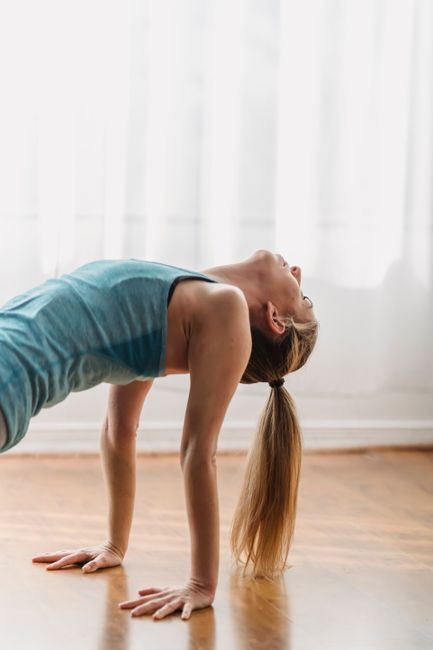
Upward plank (Purvottanasana), also called reverse plank, lifts the body face-up from staff pose on straight arms and legs. Reverse tabletop keeps the knees bent.

Not yet reviewed by a qualified teacher Names and shape checked against 3 sources

Upward Plank yoga pose
Sanskrit name
Pūrvottānāsana पूर्वोत्तानासन (source)
Also called
Reverse Plank, Intense East Stretch, Reverse Tabletop, Crab-like Table (reverse tabletop), Ardha Purvottanasana (unconfirmed usage)
Other spellings
Purvottanasana, Poorvottanasana
Pose family
Backbend, Seated
Starting position
Hands-supported
Movement
Backbend, Strength hold
Taught in
Vinyasa Yoga: Flow, Breath and What to Expect, Hatha Yoga: The Historical Term and the Modern Class
Difficulty
Intermediate
Prerequisite skills
Comfortable weight on the hands with the wrists extended; reverse tabletop without strain.
Body areas
Arms and wrists, Chest, Core, Feet and ankles, Legs, Shoulders
Props
Block, Chair, Mat, None, Wall
Practised
Solo

Names in different traditions

TraditionName usedNote
Iyengar (Light on Yoga)PūrvottānāsanaAsana 72, Plate 171: from Dandasana, palms by the hips fingers toward the feet, lift; arms vertical, trunk parallel to the floor, head back; one minute.
Ashtanga vinyasa (primary series)PūrvottānāsanaAfter the Paschimottanasana group, as its counterpose; feet together, legs long, slight backbend; vinyasa 8, 5 breaths (AshtangaYoga.info).

Step by step

Coming into the pose

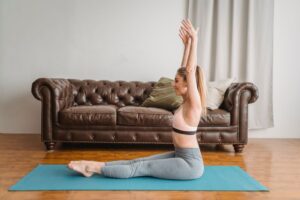
  1. Sit in staff pose, legs straight and together. Place the palms on the floor behind the hips, fingers toward the feet.
  2. Lean back slightly, draw the shoulder blades into the back and lift the chest.

In the pose

  1. Exhale, press into the hands and feet and lift the hips until the body forms a straight line, soles reaching toward the floor.
  2. Arms vertical, inner thighs rolling down, chest lifting; let the head drop back gently only if the neck is comfortable.
  3. Breathe evenly for 5 breaths up to a minute.

Coming out

  1. Exhale, bend the elbows and knees and lower the hips to sit down.

Breathing

Lift on an exhalation (Light on Yoga) or inhalation (Ashtanga count); breathe normally in the pose and lower on an exhalation.

Alignment cues

  • Wrists under the shoulders; fingers toward the feet.
  • Chest lifts first; shoulder blades into the back.
  • Hips level with the shoulders; legs long and active.
  • Head back only if comfortable; otherwise chin slightly tucked.

Common alignment errors

  • Hips sagging toward the floor.
  • Shoulders rolling forward and the chest caving.
  • Throwing the head back with a tense neck.
  • Knees and feet turning out.

Modifications and easier variations

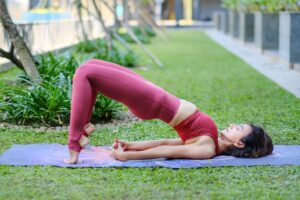
  • Reverse tabletop: knees bent, feet flat, lift the hips to a flat table. none

Advanced variations

  • Lift one leg toward the ceiling while holding upward plank.

Props and chair adaptations

  • Hands on blocks (slanted against a wall for sore wrists) so the feet reach the floor more easily. block
  • Sit at the front of a chair, hold its back edge, lift the pelvis, then extend the legs one at a time (Yoga Journal). chair
  • Blocks braced against a wall under the hands for wrist comfort. wall

Precautions

  • Wrist pain: hands on slanted blocks, or reverse tabletop.
  • Shoulder injury: stay in reverse tabletop or skip it.
  • Neck injury: keep the head in line; do not drop it back.
  • Hamstring cramp: bend the knees.

Learn it with a teacher: Suitable for self-practice. Ask a teacher if the shoulders feel pinched at the front.

General information, not medical advice. Poses do not cure illness. If you are pregnant, injured or have a health condition, check with your doctor and tell your teacher before you practise.

In short: upward plank, also called reverse plank, starts seated with the legs straight and the hands behind the hips; you press into the hands and feet and lift the hips until the body forms a straight, slightly arched line facing the ceiling. It stretches the whole front of the body, especially the shoulders, chest and the fronts of the ankles, and strengthens the arms, back and legs. The bent-knee “reverse tabletop” is the usual way in.

Upward plank is the natural counterpose to forward bends and to the many chaturangas of a flowing class. Below: the name, the cues for the shoulders and neck, the precautions, reverse tabletop and where the pose is taught.

The name: a stretch of the east

The Sanskrit name is Pūrvottānāsana. Iyengar explains pūrva as the east, and by extension the front of the whole body from forehead to toes, and uttāna as an intense stretch; Yoga Journal and AshtangaYoga.info give the same reading, “the pose that stretches the front of the body”. English names include upward plank, reverse plank and intense east stretch. They all describe the same pose, so this page is the single record for all of them.

How to make upward plank work

Sit in staff pose and place the palms on the floor behind the hips with the fingers pointing toward the feet, about a hand’s length back. Yoga Journal suggests leaning back slightly and lifting the chest before the hips: draw the shoulder blades into the back and open the chest first. Then press into the hands and feet and lift the hips, reaching the soles of the feet toward the floor. Light on Yoga describes the arms vertical from wrist to shoulder and the trunk parallel to the floor; AshtangaYoga.info keeps the feet together, the legs long and a slight backbend in the torso.

Keep the legs active, with the inner thighs rolling down so the knees face the ceiling, and the buttocks lifting without clenching. The head can drop back gently if the neck is comfortable; otherwise keep the chin slightly tucked. Holds: one minute in Light on Yoga, five breaths in Ashtanga, five to ten breaths in Yoga Journal. Lower the hips on an exhalation and sit down.

Reverse tabletop: the bent-knee preparation

In reverse tabletop the knees stay bent with the feet flat and hip-width apart, the hands behind you with the fingers toward the feet, and you lift the hips until the thighs and torso form a flat “table” over the arms and shins. Yoga Journal’s cue is to keep the neck in line with the spine, or the chin slightly tucked, rather than dropping the head back. Hold a few breaths and lower slowly. It is a good beginner pose for wrist and shoulder strength, a gentle chest opener and a stepping stone to upward plank. “Reverse tabletop” is a modern descriptive name; we have not found an established Sanskrit name in our sources, so the form “Ardha Purvottanasana” is not used here.

Precautions in plain words

Upward plank loads the wrists in extension and the shoulders at the back of their range. With wrist pain, Yoga Journal suggests hands on blocks slanted against a wall; with a shoulder injury, stay in reverse tabletop or skip the pose. With a neck injury, do not drop the head back. If the hamstrings cramp, bend the knees into reverse tabletop.

Preparation and what comes next

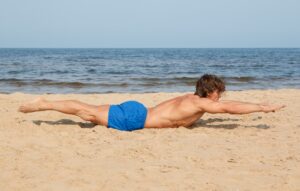
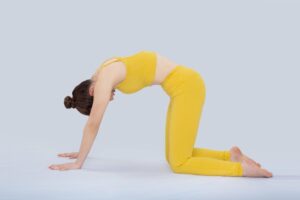
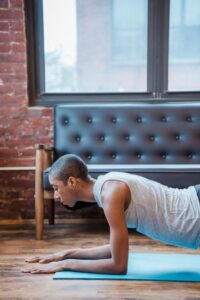
Prepare with cat-cow, plank, locust and bridge. In the Ashtanga primary series, upward plank directly follows the seated forward bends as their counterpose. Afterwards, fold forward in seated forward bend or twist gently in half lord of the fishes.

Where it is taught

Upward plank is in Light on Yoga (Iyengar), the Ashtanga primary series after the Paschimottanasana group, and many vinyasa and hatha classes. Reverse tabletop is common in beginner and gentle classes.
Preparatory poses

Follow-up poses and transitions

Counterposes

Related poses

More backbend poses

Frequently asked questions

Is reverse plank the same as upward plank?

Yes. Reverse plank, upward plank and intense east stretch are English names for Purvottanasana.

What is reverse tabletop?

The bent-knee version: feet flat, hips lifted to a flat table. It is the usual preparation for upward plank.

Why does Ashtanga do upward plank after forward bends?

AshtangaYoga.info describes it as the counterpose to the Paschimottanasana forward bends: it stretches the front of the body after the back has been lengthened.

Sources

  1. B.K.S. Iyengar, Light on Yoga: asana 72, Purvottanasana, Plate 171, Internet Archive (Digital Library of India copy) (accessed October 6, 2026)
  2. Pūrvottānāsana: Pose to stretch the front of the body, AshtangaYoga.info (Dr. Ronald Steiner) (accessed October 6, 2026)
  3. Reverse Plank | Upward Plank Pose: How to Practice Purvottanasana, Yoga Journal (accessed October 6, 2026)

Facts checked on October 6, 2026