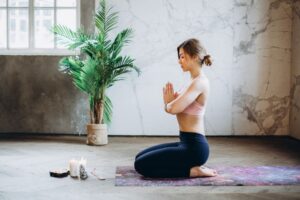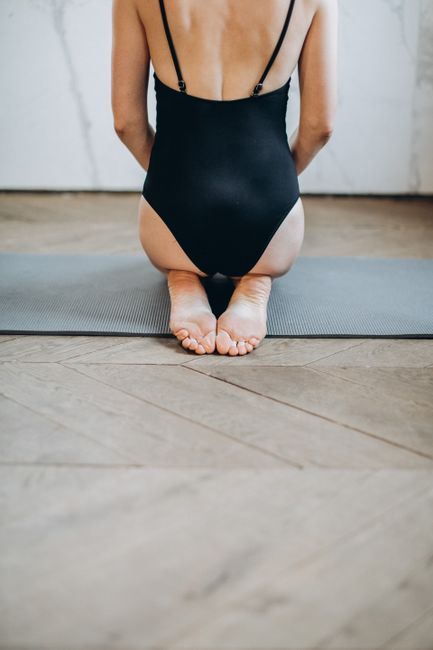
In short: hero pose is a kneeling seat with the knees together and the feet apart, so the buttocks rest on the floor or a block between the feet, spine upright. It bends the knees further than thunderbolt pose. Start on a block by default, keep the feet pointing straight back, and never sit through knee pain.
Hero pose is a favourite Iyengar seat for breathing and meditation, an alternative to lotus for people whose hips prefer kneeling. With the right height under the seat it can be very comfortable; without it, it can strain the knees. Below we explain the name and its different meanings, how to set up the pose, precautions and related poses.
One name, several postures
Vīra means hero, warrior or champion. In B.K.S. Iyengar’s Light on Yoga (1966), Vīrāsana is the kneeling seat described here: knees together, feet about 18 inches apart beside the hips, toes pointing back and the buttocks on the floor, not on the feet. Iyengar recommends it for meditation and pranayama, and offers a stepping-stone of sitting on the feet first. Yoga Journal teaches the same pose and adds the block under the seat that most people need.
Other sources use the name for different shapes. The Hatha Yoga Pradipika (15th century) describes Virasana as a cross-legged seat: one foot placed on the opposite thigh and the other thigh resting on the other foot. The Bihar School’s Asana Pranayama Mudra Bandha gives Veerasana as a seated thinking pose, one foot beside the opposite knee, the elbow on that knee and the head resting on the hand. If you meet the name outside an Iyengar-influenced class, check which shape is meant.
Setting up the pose
Put a block, or a stack of folded blankets, behind you before you kneel. Yoga Journal’s instructions are to kneel with the inner knees touching, slide the feet slightly wider than the hips, then sit back halfway and draw the calf muscles toward the heels with the thumbs before lowering onto the block. Both sitting bones should be evenly supported. The feet point straight back, in line with the shins: Roger Cole explains in Yoga Journal that turning the feet out rotates the shins and strains the inner knee. Lift the chest, relax the shoulders and rest the hands on the thighs.
Yoga Journal suggests staying 30 seconds to a minute at first and building up gradually to a few minutes. Lower the seat only over weeks or months, as the fronts of the thighs lengthen; there is no need ever to sit on the floor.
Precautions in plain words
Hero pose bends the knees fully and turns the shins slightly. Use enough height that the knees feel only a stretch in the front of the thighs, and come out at any pain inside the knee. People with knee injuries, meniscus problems, recent knee surgery or ankle problems should ask their doctor or physical therapist first; a chair version keeps the upright spine with no knee load. Come out if the feet go numb. This page is general information, not individual advice.
Preparation and next poses
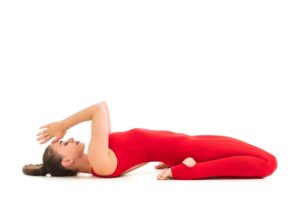
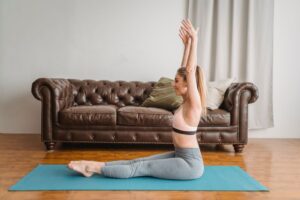
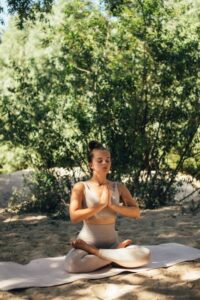
Prepare with thunderbolt pose, which bends the knees less, and quadriceps stretches. Light on Yoga adds variations in hero pose itself: the fingers interlaced and the arms stretched overhead, and a forward fold. The deep backbend reclining hero starts here, for experienced students only. Related seats include easy pose and lion pose.
Where it is taught
Hero pose is central to Iyengar practice and common in hatha and restorative classes, and it is used as a seat for breathing practices and meditation.