Tree Pose (Vrksasana): steps, balance tips and variations

Tree pose (Vrksasana) is a standing balance with one foot pressed into the inner standing leg. Steps, cues for a steady balance, wall and chair options, and how the name varies between schools.

Not yet reviewed by a qualified teacher Names and shape checked against 5 sources

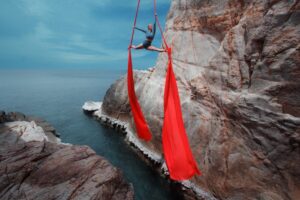
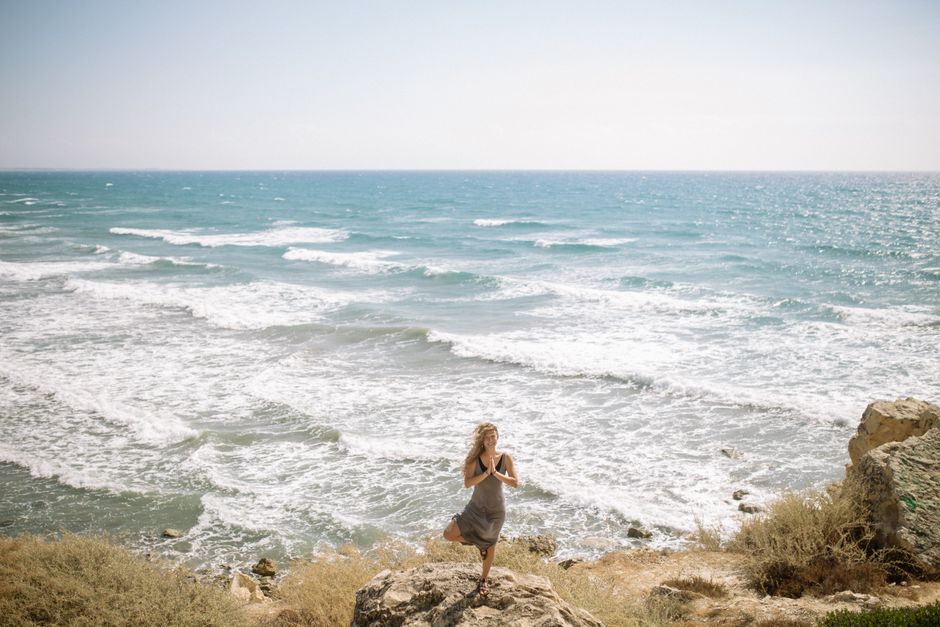
A woman performs a yoga pose on a rocky cliff by the ocean, embracing nature's tranquility.
Sanskrit name
Vṛkṣāsana वृक्षासन (source)
Also called
Tree, Eka Pada Pranamasana (Bihar School name, hands at the chest)
Other spellings
Vrksasana, Vrikshasana, Vriksasana
Pose family
Balancing, Standing
Starting position
Standing
Movement
Balance
Taught in
Hatha Yoga: The Historical Term and the Modern Class, Vinyasa Yoga: Flow, Breath and What to Expect, Chair Yoga: Seated and Chair-Supported Practice, Aerial Yoga: How Hammock Yoga Works and Who It Suits, Hot Yoga: What It Is, Room Temperatures and Who It Suits
Difficulty
Beginner
Prerequisite skills
Standing steadily in mountain pose; able to shift the weight onto one foot. A wall or chair is fine while learning.
Body areas
Core, Feet and ankles, Hips, Legs
Props
Chair, None, Wall
Practised
Solo

Names in different traditions

TraditionName usedNote
Iyengar (Light on Yoga)VṛkṣāsanaAsana 2, plate 2: heel at the root of the opposite thigh, palms joined overhead.
Bihar School of Yoga (Asana Pranayama Mudra Bandha)Eka Pāda Praṇāmāsana (one-leg prayer pose)Same leg position, palms together in front of the chest.
Hot Yoga 26+2Tadasana (Tree Pose)Lifted foot in half lotus on the thigh; a different shape. Bikram Yoga Works posture guide.

Step by step

Coming into the pose

  1. Stand in mountain pose, feet together or hip-width apart, weight even across both feet.
  2. Shift your weight onto your left foot. Firm the left thigh without locking the knee back.
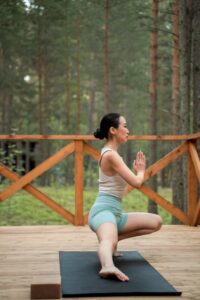
  3. Bend your right knee and place the sole of the right foot on the inner left thigh, or lower on the inner calf or shin. Keep it off the knee.

In the pose

  1. Press the foot and the standing leg into each other. Keep both hip points facing forward; let the right knee point out only as far as your hip allows.
  2. Bring the palms together at the chest, or raise the arms overhead with the palms joined or shoulder-width apart. Fix your gaze on one still point.
  3. Stay for a few steady breaths, lengthening up through the spine.

Coming out

  1. Lower the arms, release the right foot to the floor and stand evenly in mountain pose. Repeat on the other side for the same length of time.

Breathing

Breathe slowly and evenly through the nose. Light on Yoga asks for deep breathing while you hold the pose; if the breath becomes held or jerky, lower the arms or the foot until it flows again.

Alignment cues

  • Weight spread across the whole standing foot: big-toe mound, little-toe mound and heel.
  • Foot and standing leg press into each other with equal force.
  • Hips level and facing forward; the bent knee opens only as far as the hip allows.
  • Standing toes and knee face forward, not turned out.
  • Gaze steady on one point; the spine grows long.

Common alignment errors

  • Pressing the foot into the side of the standing knee.
  • Forcing the bent knee out to the side so the pelvis twists.
  • Sinking into the standing hip so it juts out to the side.
  • Locking the standing knee backward.
  • Holding the breath to stay up.

Modifications and easier variations

  • Kickstand: rest the heel against the standing ankle with the toes on the floor. none

Advanced variations

Props and chair adaptations

  • Stand a few inches from a wall on the straight-leg side and touch it when you need to. wall
  • Seated on the front of a sturdy chair: one leg forward, the other knee out to the side with the foot against the opposite shin or on a block; arms up in a V. chair
  • Hold the back of a chair with one hand while standing. chair

Precautions

  • Keep the foot off the side of the standing knee.
  • Dizziness, low blood pressure, inner-ear problems or pregnancy: practise beside a wall or chair and stop if you feel faint.
  • Recent ankle, knee or hip injury: check with your doctor or physical therapist first.

Learn it with a teacher: Most people can learn tree pose from clear instructions with a wall nearby. Ask a teacher if the standing knee or hip hurts, or before trying the half-lotus version.

General information, not medical advice. Poses do not cure illness. If you are pregnant, injured or have a health condition, check with your doctor and tell your teacher before you practise.

In short: tree pose is a standing balance on one leg, with the sole of the other foot pressed against the inner standing leg and the arms at the chest or overhead. Place the foot above or below the knee, never on it, keep the hips level and use a wall until the balance is steady.

Tree pose is often the first balance people learn, and it stays useful for years: it shows clearly how the standing foot, the hip and the attention work together. It needs no equipment, and a wall or chair makes it available to almost everyone. Below we explain the name, the cues behind the steps, what to watch for and where tree pose sits in a practice.

The name and how traditions teach it

Vṛkṣa means tree and āsana means seat or posture (see asana); you will also see it spelled Vrksasana or Vrikshasana. In B.K.S. Iyengar’s Light on Yoga (1966), Vṛkṣāsana is the second pose of the book: the heel is placed at the root of the opposite thigh, toes pointing down, and the joined palms are raised overhead. Yoga Journal teaches the same shape and adds a lower option, with the foot on the inner shin.

Names shift between schools. The Bihar School of Yoga describes the same leg position with the palms together at the chest under the name Eka Pāda Praṇāmāsana, the one-leg prayer pose. In the Hot Yoga 26+2 series, the posture called Tree Pose is listed as Tadasana and is done with the lifted foot in a half-lotus position on the thigh, which is a different and more demanding shape (see standing half lotus). Most other schools use Tadasana for mountain pose.

Making tree pose steady

Balance starts in the standing foot. Spread the toes and feel the weight across the big-toe mound, the little-toe mound and the heel, then firm the standing thigh without locking the knee back. The lifted foot and the standing leg press into each other with equal force; that mutual pressure, rather than gripping with the toes, is what keeps you upright.

The second key is the pelvis. Yoga Journal notes that if you force the bent knee out to the side when the hip is not ready, the whole pelvis twists with it and pulls you off balance. Keep both hip points facing forward and let the bent knee point a little forward if it needs to. Fix your gaze on one still point at eye level or slightly below. Arms overhead make the pose harder; hands at the chest or on the hips make it easier. Many people find a few quiet breaths in tree pose settling, which is why it is often taught near the start or the end of a class.
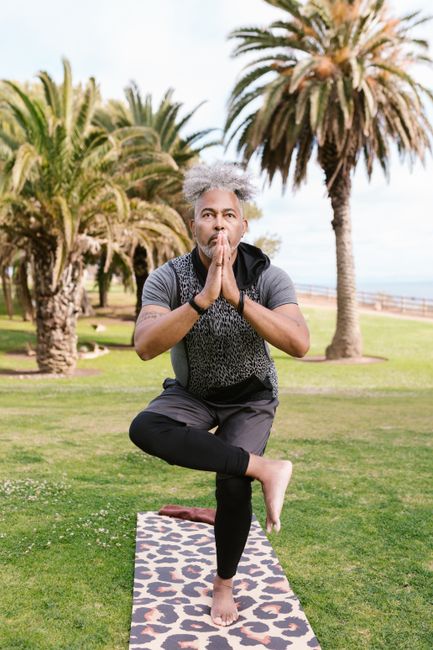
Man in a balancing yoga pose on a mat in a sunny park with palm trees.

Precautions in plain words

Never press the foot into the side of the standing knee; Yoga Journal warns that it can destabilize the joint. Choose the inner thigh or the inner calf and shin instead. If balance is unreliable, because of dizziness, low blood pressure, an inner-ear problem, pregnancy or simply fatigue, practise next to a wall or with a hand on a chair, and stop if you feel faint. People with a recent ankle, knee or hip injury should check with their doctor or physical therapist first. This page is general information, not individual advice.

Preparation and what comes next

Stand in mountain pose for a few breaths first and notice how your weight sits on your feet. Hip openers such as bound angle pose make the outward turn of the bent leg easier. From tree pose, natural next balances are eagle pose, extended hand-to-big-toe pose and half moon pose.

Where tree pose is taught

You will meet tree pose in hatha, Iyengar and vinyasa classes, in chair yoga as a seated or chair-supported version, and in the 26+2 hot yoga series in its half-lotus form. Browse other standing balances in the pose library.
Preparatory poses

Follow-up poses and transitions

Counterposes

Related poses

Styles that use this pose

More balancing poses

Frequently asked questions

Where should my foot go in tree pose?

On the inner thigh, or lower on the inner calf or shin. Avoid pressing it into the side of the standing knee.

Why do I keep falling out of tree pose?

Usually the pelvis twists because the bent knee is pushed out too far, or the weight sits on the outside of the standing foot. Level the hips, spread the toes, fix your gaze and try it beside a wall.

What is tree pose called in Sanskrit?

Vrksasana (IAST: Vṛkṣāsana), from vṛkṣa, tree, and āsana, posture. It is also spelled Vrikshasana.

Is tree pose the same as Tadasana?

In most schools no: Tadasana is mountain pose. The Hot Yoga 26+2 series uses the name Tadasana for its tree pose, which is done with the foot in half lotus.

Sources

  1. Tree Pose: How to Practice Vrksasana, Yoga Journal (accessed October 6, 2026)
  2. B.K.S. Iyengar, Light on Yoga (1966), asana 2 Vrksasana, plate 2, Allen & Unwin (Internet Archive record) (accessed October 6, 2026)
  3. Swami Satyananda Saraswati, Asana Pranayama Mudra Bandha: Eka pada pranamasana, Bihar School of Yoga (Internet Archive) (accessed October 6, 2026)
  4. Tadasana | Tree Pose (26+2 posture guide), Bikram Yoga Works (accessed October 6, 2026)
  5. Monier-Williams Sanskrit-English Dictionary: vṛkṣa, āsana, Cologne Digital Sanskrit Dictionaries, University of Cologne (accessed October 6, 2026)

Facts checked on October 6, 2026