Viparita Karani (Inverted Action): the hatha mudra, the asana and the supported version

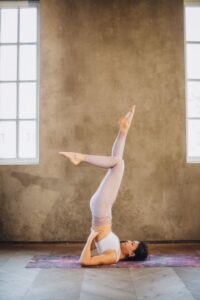
Viparita Karani, the “inverted action”, lifts the hips on the hands so the legs point up while the shoulders and head stay down. A hatha mudra, a Bihar School asana and an Iyengar supported pose; legs up the wall has its own page.

Not yet reviewed by a qualified teacher Names and shape checked against 6 sources

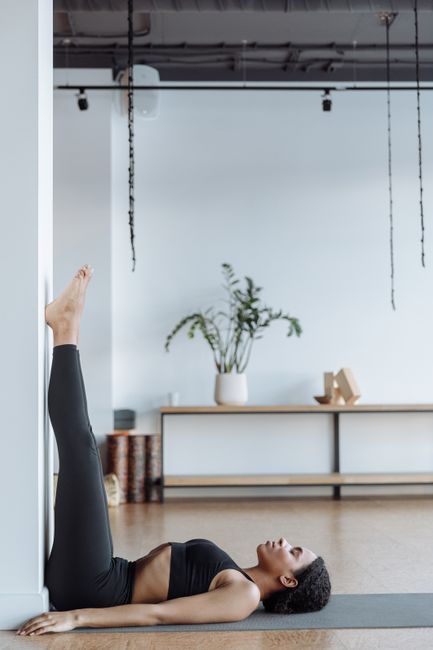
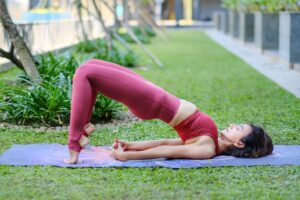
Woman practicing a relaxing yoga pose at home focusing on wellness.
Sanskrit name
Viparīta Karaṇī विपरीत करणी (source) (varies by tradition, see below)
Also called
Inverted Action, Inverted Pose
Other spellings
Viparita Karani, Vipareeta Karani, Viparita Karani Mudra, Vipareeta Karani Asana
Pose family
Inversion, Resting and restorative
Starting position
Reclining (on the back)
Movement
Inversion
Taught in
Hatha Yoga: The Historical Term and the Modern Class
Difficulty
Intermediate
Prerequisite skills
Comfortable bridge pose and legs up the wall, enough core strength to lift the hips, and healthy wrists, elbows and neck.
Body areas
Arms and wrists, Core, Legs, Shoulders
Props
Blanket, Block, Bolster, Mat, Wall
Practised
Solo

Names in different traditions

TraditionName usedNote
Hatha Yoga Pradipika (15th century)Viparīta Karaṇī (mudra)Listed among the mudras: head on the ground, feet up, held a moment and increased daily; to be learned from a guru (Pancham Sinh 1914, chapter 3).
Sivananda (Hatha Yoga; Yoga Asanas)Vipareetakarani / Viparitakarani MudraListed among the mudras; Yoga Asanas: lie down, legs straight up, hands support the buttocks, elbows on the ground. The same book notes that headstand is also called by this name.
Bihar School (Asana Pranayama Mudra Bandha)Vipareeta Karani Mudra (the inverted attitude)Method as for shoulderstand, but chin not pressed to the chest and trunk at 45 degrees; for beginners and stiff necks.
Bihar School of Yoga (Satyananda)Vipareeta Karani AsanaInverted asana with the weight partly on the wrists and elbows (Yoga Magazine, Bihar School).
Iyengar (via Yoga Journal, Mary Dunn)Viparita KaraniSupported version: bolster or blankets under the pelvis, legs up the wall.

Step by step

Coming into the pose

  1. Lie on your back with the legs together and the arms beside the body, palms down.
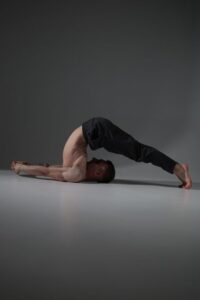
  2. Raise the straight legs, then bring them over the body toward the head; press the arms down to lift the buttocks and roll the lower back off the floor.
  3. Bend the elbows and rest the back of the pelvis on the heels of the hands, elbows no wider than the shoulders.

In the pose

  1. Raise the legs to vertical, feet relaxed. The trunk stays at an angle and the chin does not press into the chest. Breathe softly; start with a short hold and build gradually.

Coming out

  1. Lower the legs toward the head, release the hands to the floor and roll the spine down slowly. Rest in corpse pose.

Breathing

Slow, natural breathing; the abdominal organs move toward the chest, so the breath may feel shallower. Breath retention or mudra practices belong with a teacher.

Alignment cues

  • Elbows no wider than the shoulders; hands under the pelvis, not the waist.
  • Legs vertical so their weight drops into the hands.
  • Trunk at an angle; chin away from the chest.
  • Face, throat and belly soft.

Common alignment errors

  • Elbows sliding wide so the hips drop.
  • Turning it into shoulderstand by pushing the chest to the chin.
  • Coming down quickly with a thump.

Advanced variations

Props and chair adaptations

  • Iyengar supported version: bolster or folded blankets parallel to the wall, pelvis on the support, legs up the wall. bolster
  • Legs up the wall with the back on the floor (see its own page). wall
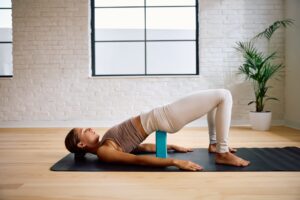
  • Block under the sacrum, legs straight up. block

Precautions

  • High blood pressure, glaucoma or raised eye pressure, retinal problems, brain or heart conditions: refrain (Bihar School, Yoga Magazine).
  • Wrist, elbow, neck or lower back injury: avoid the hand-supported version.
  • Pregnancy: use legs up the wall instead and ask your provider.

Learn it with a teacher: The hatha texts say this practice is learned from a teacher; learn the hand-supported version, and any mudra or breathing work with it, from an experienced teacher.

General information, not medical advice. Poses do not cure illness. If you are pregnant, injured or have a health condition, check with your doctor and tell your teacher before you practise.

In short: Viparīta Karaṇī, the “inverted action”, is a half-inverted position: lying on the back, the hips are lifted and supported, usually by the hands, so the legs point up while the trunk slants toward the floor and the shoulders, neck and head stay down. It began as a practice described among the mudras of hatha yoga, is taught as an asana in schools such as the Bihar School, and in the Iyengar tradition has a restful version on a bolster at the wall. It is an intermediate inversion.

The name is used for more than one practice, so this page explains each. The fully supported restorative shape most people know as legs up the wall has its own page.

The name: one term, three practices

Viparīta means inverted or reversed and karaṇī doing or action. In the 15th-century Hatha Yoga Pradipika it is a mudra, not an asana: Pancham Sinh’s 1914 translation describes placing the head on the ground and the feet up in the air, for only a moment on the first day and a little longer each day, and says the exercise is to be learned from a guru. The text explains it with the image of reversing the sun above the navel and the moon below the palate, and makes very large claims for daily practice, including the disappearance of wrinkles and grey hair; those are the text’s traditional claims, not medical findings. Swami Sivananda’s book Hatha Yoga likewise lists it in its chapter on mudras and bandhas, and his Yoga Asanas gives the technique in a few lines: lie down, raise the legs straight up, support the buttocks with the hands and rest the elbows on the ground. Read more about these practices on our mudras page.

The Bihar School’s manual Asana Pranayama Mudra Bandha describes Vipareeta Karani Mudra as done like shoulderstand (using the arms as levers to raise the legs and back, then the hands supporting the back) except that the chin is not pressed to the chest and the trunk is held at about 45 degrees to the ground instead of vertical; it recommends it for beginners and for people with a stiff neck who cannot do shoulderstand. The Bihar School also teaches Viparīta Karaṇī as an inverted asana in which, unlike shoulderstand, much of the weight passes through the wrists and elbows as the hands support the pelvis. Its magazine describes it as strengthening the abdominal, shoulder, arm and neck muscles and notes that people who cannot do it, such as pregnant women or elderly people, can simply rest their legs against a wall instead. In the Iyengar tradition, Yoga Journal’s Mary Dunn teaches Viparīta Karaṇī as a supported pose with a bolster or folded blankets under the pelvis and the legs resting up the wall.

Making the pose work

In the hand-supported version, the hands act as a shelf: elbows on the floor no wider than the shoulders, the heels of the hands under the back of the pelvis. Lift the legs to vertical, or angle them slightly over the head, so the weight of the legs falls straight down into the hands rather than tipping you. The trunk stays at an angle, about 45 degrees to the floor in the Bihar manual, and the chin does not press into the chest as it does in shoulderstand. Keep the face, throat and breath soft. Start with short holds and come down slowly by lowering the knees toward the forehead and rolling the back down.

In the bolster version there is no muscular work at all: the pelvis is supported from the tailbone to the lower ribs, the buttocks are close to the wall and the legs rest on it. Yoga Journal’s Iyengar-based instructions suggest bringing the bottom of the buttocks slightly over the bolster toward the floor so you do not feel you are sliding toward your head.

Precautions in plain words

The Bihar School’s magazine advises that people with high blood pressure, glaucoma or high pressure in the eyes, retinal problems, or brain or heart conditions refrain from the inverted asana, because blood flow from the head is affected. Also avoid the hand-supported version with wrist, elbow, neck or lower back injuries. In pregnancy, choose legs up the wall on the floor rather than lifting the hips, and ask your provider. The hatha texts present the mudra as something to learn from a teacher, and that is still good advice. This page is general information, not individual advice.

Preparation and what comes next

Prepare with bridge, supported bridge and legs up the wall. The hand-supported version is a natural step toward shoulderstand. Afterwards, rest flat in corpse pose. Many teachers place inversions near the end of practice, before breathing practices or relaxation; see our pages on pranayama and mudras.

You will meet Viparīta Karaṇī in traditional hatha and Bihar/Satyananda yoga, in Iyengar classes and, in its supported form, in restorative yoga.
Preparatory poses

Follow-up poses and transitions

Counterposes

Variations

Related poses

More inversion poses

Frequently asked questions

Is Viparita Karani the same as legs up the wall?

Not exactly. Many classes use the name for legs up the wall, a fully supported restorative shape. In the hatha texts Viparita Karani is a mudra, and the Bihar School teaches it as an inverted asana with the hands supporting the hips.

Is Viparita Karani a mudra or an asana?

Both, depending on the source. The Hatha Yoga Pradipika lists it among the mudras; the Bihar School and others teach an inverted asana of that name.

Who should avoid it?

People with high blood pressure, glaucoma, retinal problems, or brain or heart conditions (Bihar School), and anyone with wrist, elbow, neck or back injuries for the hand-supported version.

Sources

  1. Hatha Yoga Pradipika, translated by Pancham Sinh (1914): The Viparita Karani (chapter 3), Internet Archive (accessed October 6, 2026)
  2. Know the Asana: Vipareeta Karani Asana, Yoga Magazine, Bihar School of Yoga (accessed October 6, 2026)
  3. Mastering Viparita Karani (Mary Dunn), Yoga Journal (accessed October 6, 2026)
  4. Swami Satyananda Saraswati, Asana Pranayama Mudra Bandha: Sarvangasana and Vipareeta Karani Mudra (the inverted attitude), Bihar School of Yoga (copy hosted by hathajoga.lt) (accessed October 6, 2026)
  5. Sri Swami Sivananda, Yoga Asanas: 5. Viparitakarani Mudra, The Divine Life Society (Internet Archive copy) (accessed October 6, 2026)
  6. Hatha Yoga (Swami Sivananda): table of contents (Vipareetakarani Mudra), The Divine Life Society (accessed October 6, 2026)

Facts checked on October 6, 2026