Bird Dog (Balancing Table): opposite arm and leg, for a steady core

Bird dog (balancing table) reaches one arm forward and the opposite leg back from hands and knees, keeping the spine still. Steps, easier and chair versions, common mistakes and precautions.

Not yet reviewed by a qualified teacher Names and shape checked against 2 sources

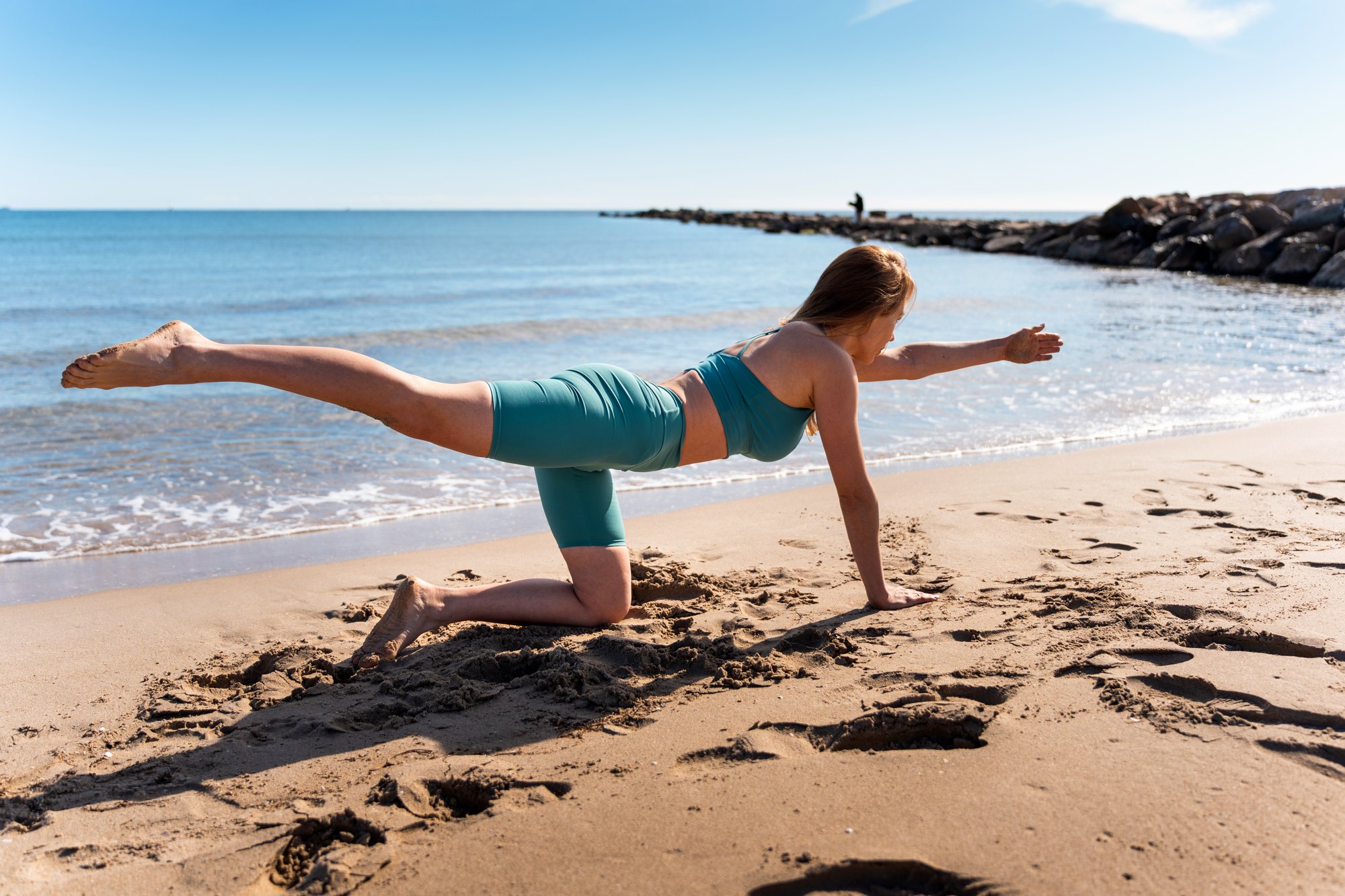
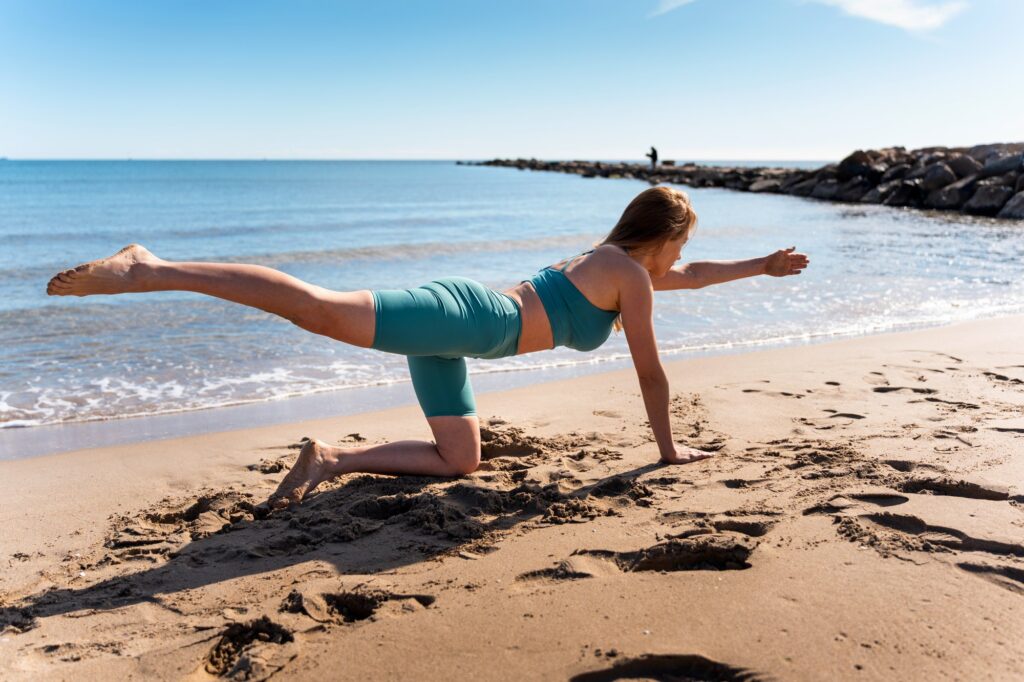
Bird dog pose on a sunny beach
Sanskrit name
No established Sanskrit name: a modern descriptive name
Also called
Balancing Table, Quadruped, Opposite Arm and Leg Reach, Opposite Arm and Leg Raise, Dandayamna Bharmanasana (modern usage)
Record
Modern descriptive name (no established Sanskrit)
Pose family
Balancing, Floor foundations and core, Kneeling
Starting position
Hands-supported
Movement
Balance, Strength hold
Taught in
Hatha Yoga: The Historical Term and the Modern Class, Vinyasa Yoga: Flow, Breath and What to Expect, Chair Yoga: Seated and Chair-Supported Practice
Difficulty
Beginner
Prerequisite skills
Comfortable tabletop.
Body areas
Core, Hips, Shoulders, Spine
Props
Blanket, Chair, Wall
Practised
Solo

Names in different traditions

TraditionName usedNote
Harvard HealthBird dog (opposite arm and leg raise)Core-stability exercise on hands and knees.
Mayo ClinicQuadruped (bird dog)Core-strength exercise.

Step by step

Coming into the pose

  1. Start in tabletop: hands under the shoulders, knees under the hips, head in line with the back.
  2. Gently firm the belly so the back stays still.

In the pose

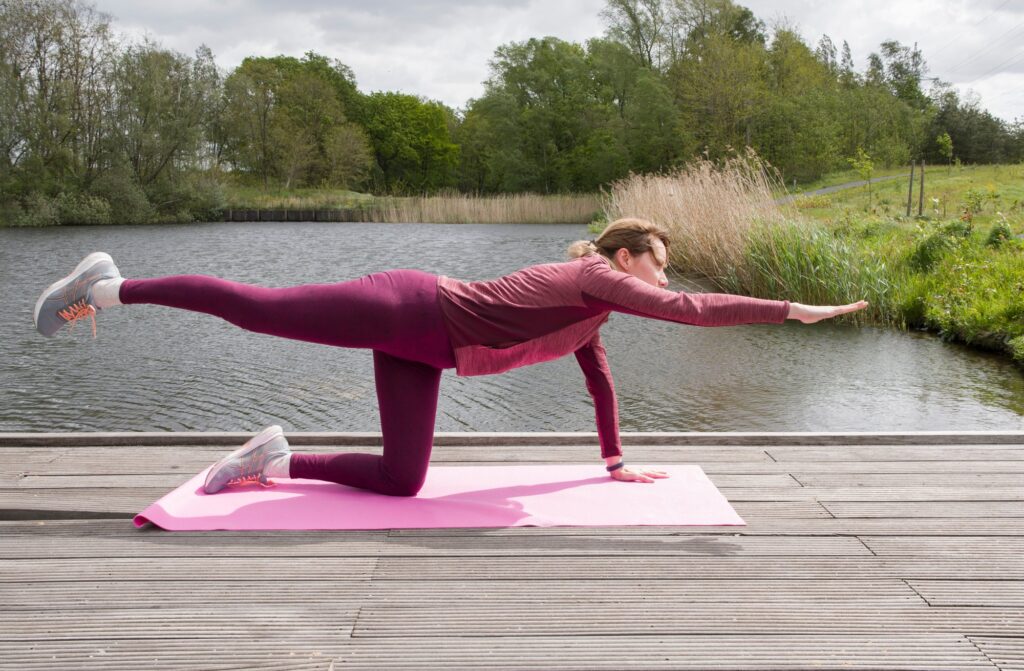
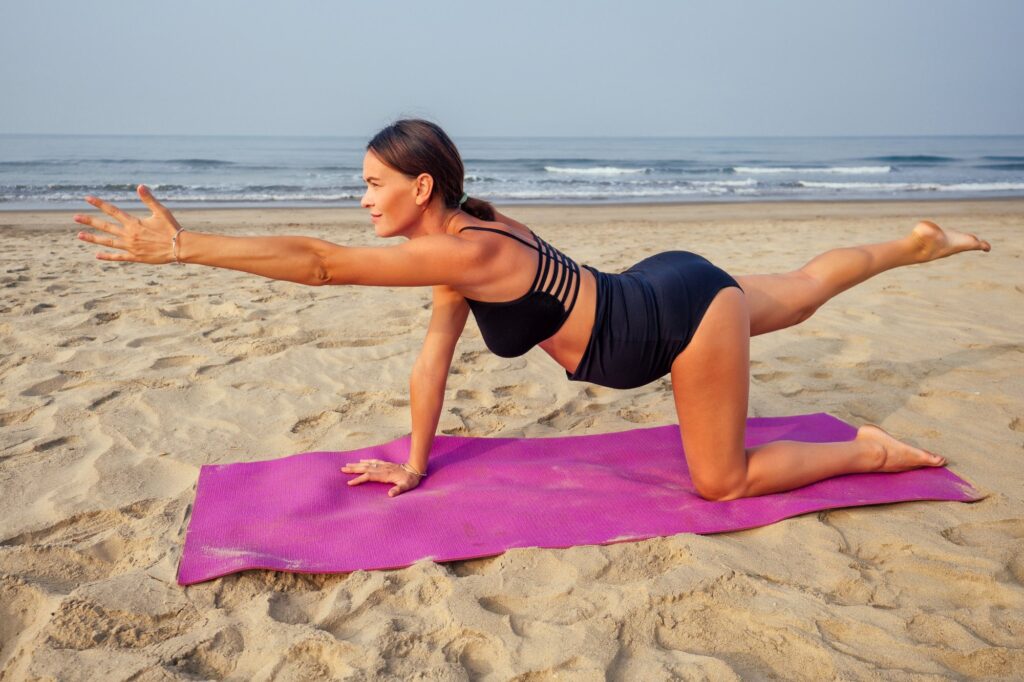
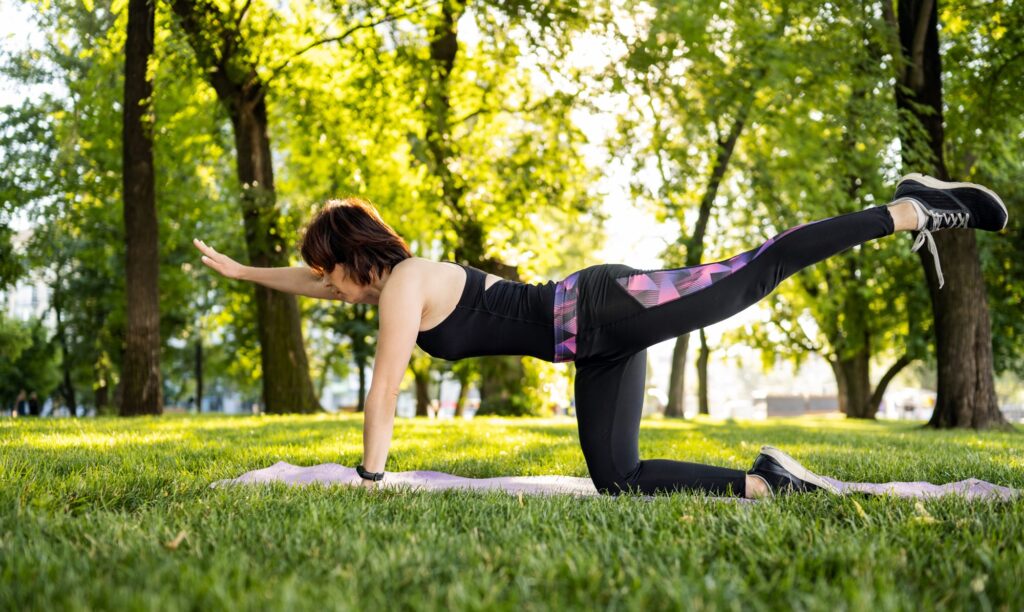
  1. Slide the right leg back and lift it to hip height; reach the left arm forward to shoulder height, thumb up.
  2. Keep the hips level and the lower back from arching. Hold a breath or a few seconds.

Coming out

  1. Return the arm and leg slowly to tabletop and repeat with the left leg and right arm.

Breathing

Many teachers cue an inhale as you reach out and an exhale as you return; whatever the pairing, keep breathing steadily and do not hold the breath.

Alignment cues

  • Leg no higher than the hip; arm no higher than the shoulder.
  • Hips level: the lifted-leg hip does not open toward the ceiling.
  • Back still, as if balancing a small object on it.
  • Neck long; gaze at the floor.

Common alignment errors

  • Lifting the leg too high and arching the lower back.
  • Rotating the hips or rocking side to side.
  • Moving fast with momentum.
  • Looking up and crunching the neck.

Modifications and easier variations

  • Extend only an arm, or only a leg, at first (Harvard Health). none

Advanced variations

  • Bend the lifted knee and catch the foot with the opposite hand for a thigh stretch (common yoga variation).
  • Draw elbow and opposite knee together under the body on the exhale, then extend again.

Props and chair adaptations

  • Small pillow or folded towel on the lower back as a cue to keep it still; blanket under the knees. blanket
  • Standing version: hands on a wall, extend one leg back at a time while keeping the hips level. wall
  • Seated version: sit tall at the front of a chair and reach one arm forward while lifting the opposite foot slightly. chair

Precautions

  • Wrist or knee discomfort: fists, forearms on blocks, knee padding, or the standing version.
  • Back pain: see a clinician first; this is an exercise, not a treatment.

Learn it with a teacher: Suitable to learn on your own.

General information, not medical advice. Poses do not cure illness. If you are pregnant, injured or have a health condition, check with your doctor and tell your teacher before you practise.

In short: bird dog starts on hands and knees and reaches one arm forward and the opposite leg back until both are level with the back, while the spine and hips stay still. It trains core stability and balance with little load on the joints. Move slowly, keep the hips level, and start with just an arm or just a leg if the whole movement wobbles.

Bird dog is used in yoga classes, physical therapy and strength training alike. Harvard Health calls it one of the most effective exercises for improving core stability, the ability of the muscles around the spine, pelvis and hips to keep the trunk steady while the limbs move. It looks easy; done slowly, with the back genuinely still, it is not.

About the name

Bird dog is a modern exercise name; Harvard Health explains that the position resembles a hunting dog pointing at its prey. Mayo Clinic calls the same exercise the quadruped. In yoga classes it is often called balancing table, and it has no established Sanskrit name: the “Dandayamna Bharmanasana” seen on some websites does not appear in the main lineage references, so we treat it as modern usage only. It starts from tabletop and belongs with cat-cow and tiger pose among the hands-and-knees movements.

How to make it work

Set up tabletop with the hands under the shoulders and the knees under the hips, the head in line with the back. Firm the belly gently, then slide one leg back along the floor and lift it to hip height, and reach the opposite arm forward to shoulder height, thumb up. The aim is length, not height: lifting the leg higher than the hip arches the lower back. Harvard Health’s physical therapist suggests imagining, or actually placing, a small pillow on the lower back as a cue not to arch or tip it. Hold for a breath or a few seconds, return slowly, and switch sides. Beginners can extend just the arms or just the legs first.

Making it harder, slowly

Because the movement is simple, the way to progress is not to lift higher but to stay steadier for longer. Hold each reach for a full slow breath, then two or three, before returning; move the arm and leg out and back at the same speed; and check that the supporting shoulder and hip stay over the hand and knee rather than drifting sideways. Harvard Health’s physical therapist warns that it is easy to do wrong and strain the back or neck, so quality matters more than repetitions. A few slow rounds on each side, as part of a warm-up, is a sensible start.

Precautions in plain words

Bird dog is gentle on the joints, but it still asks for weight on the hands and knees: pad the knees and use fists or forearms on blocks if the wrists hurt. Keep the neck long rather than looking up. If you are doing it because of back pain, see a clinician first; exercise is part of many back-care programmes, but this page is general information, not individual advice or treatment.

Preparation and what comes next

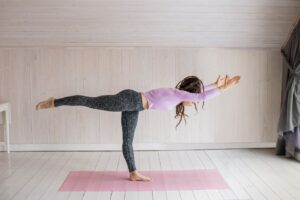
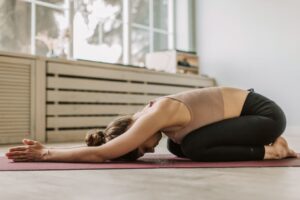
Warm up with cat-cow. Bird dog prepares the balance and core control needed for plank, side plank and standing balances such as warrior III, which is the same long line turned upright. A common yoga variation bends the lifted knee and catches the foot with the opposite hand for a thigh stretch. Rest afterward in child’s pose.

Where it is taught

Bird dog is common in gentle hatha and vinyasa warm-ups, prenatal and older-adult classes, and physical therapy. A seated version works in chair yoga. Browse more floor and core poses in the pose library.

Frequently asked questions

Is bird dog a yoga pose?

It comes from exercise and physical therapy, but yoga classes use it often, usually calling it balancing table. It has no established Sanskrit name.

How high should I lift my leg in bird dog?

To hip height. Lifting higher usually arches the lower back, which defeats the purpose.

What if bird dog feels too wobbly?

Extend just one arm or just one leg first, and move slowly.

Sources

  1. Bird dog exercise for your core: How to do it safely, Harvard Health Publishing (accessed October 6, 2026)
  2. Exercises to improve your core strength (quadruped, sometimes called the bird dog), Mayo Clinic (accessed October 6, 2026)

Facts checked on October 6, 2026