Crane Pose (Bakasana): steps, crow vs crane and one-legged crane

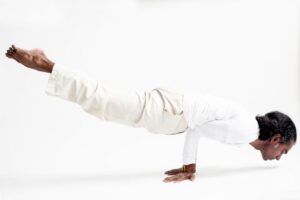
Crane pose (Bakasana) is an arm balance on straight arms with the knees tucked into the armpits. Crow is the bent-arm version; one-legged crane is a very advanced variation.

Not yet reviewed by a qualified teacher Names and shape checked against 6 sources

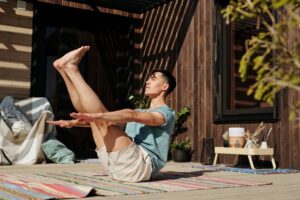
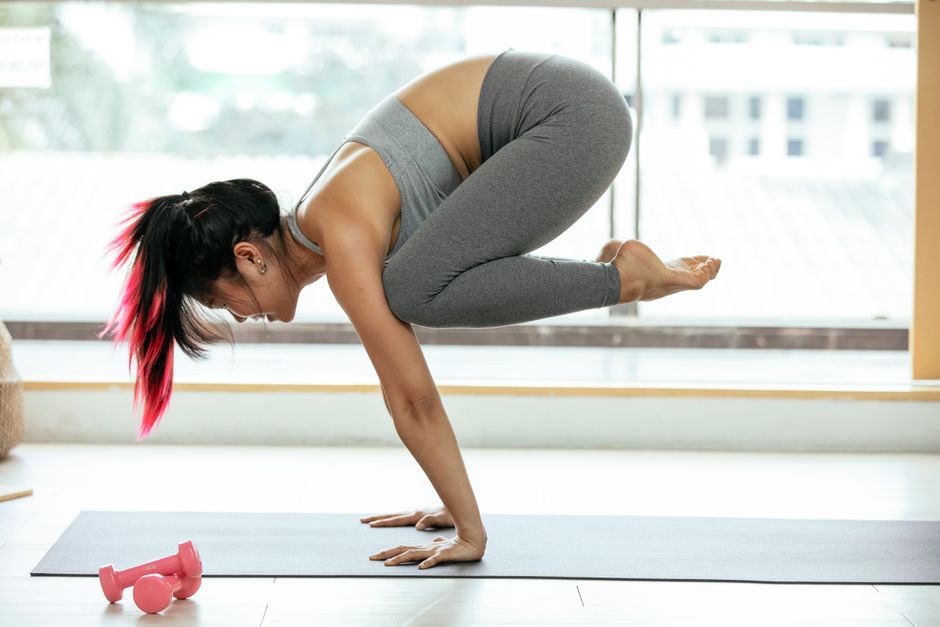
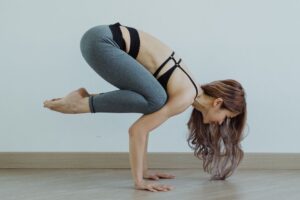
Side view of fit brunette in sportswear training Bakasana pose on mat near window
Sanskrit name
Bakāsana बकासन (source)
Also called
Crane, One-Legged Crane, Straight-arm crow
Other spellings
Bakasana, Eka Pada Bakasana, Eka Pāda Bakāsana
Pose family
Arm balance, Balancing
Starting position
Hands-supported
Movement
Balance, Strength hold
Taught in
Vinyasa Yoga: Flow, Breath and What to Expect
Difficulty
Advanced
Prerequisite skills
A steady crow pose held for several breaths, a strong plank and chaturanga, core strength and wrists that tolerate full body weight.
Body areas
Arms and wrists, Core, Hips, Shoulders
Props
Blanket, Block, Chair, Mat
Practised
Solo

Names in different traditions

TraditionName usedNote
Iyengar (Light on Yoga)BakāsanaPlate 410; Eka Pāda Bakāsana I (pl. 446–447) and II (pl. 451–452). Plate numbers from the Iyengar Yoga (UK) I8 Teaching Syllabi.
Ashtanga vinyasa (Pattabhi Jois lineage)Bakāsana A and BIntermediate series; straight arms, knees in the armpits, toes touching, five breaths each (AshtangaYoga.info). Eka Pāda Bakāsana A and B in the third series.
Modern vinyasa classesCrow / BakasanaOften used for the bent-arm crow as well; Yoga Journal separates crow (Kakasana, bent arms) from crane (Bakasana, straight arms).

Step by step

Coming into the pose

  1. Place a folded blanket in front of your mat. Squat with the feet together and the knees apart, and put the hands on the floor shoulder-width apart, a little in front of the feet, fingers spread.
  2. Come onto the balls of the feet, round the upper back and bring the knees as high as you can on the upper arms, aiming for the armpits.
  3. Lean forward until the feet become light and lift them, first in the bent-arm crow shape.

In the pose

  1. Draw the thighs tight to the torso and press the floor away until the arms straighten. Point the feet and let the big toes touch.
  2. Lengthen the arms from the shoulder blades and keep the gaze a little ahead. Stay for a few breaths; Ashtanga holds Bakāsana for five breaths.

Coming out

  1. Bend the elbows, lower the feet with control and sit back into the squat. Shake out the wrists.

Breathing

Exhale as you draw the knees in and lift; breathe steadily through the nose in the pose. If you hold the breath to stay up, come down and rest.

Alignment cues

  • Knees high, toward the armpits, not halfway down the upper arms.
  • Thighs squeeze toward the chest so the knees carry less weight.
  • Arms long: push the floor away from the shoulder blades.
  • Upper back rounded, gaze slightly forward.

Common alignment errors

  • Straightening the arms before the knees are high enough, so the body tips back.
  • Jumping from downward dog onto the arms so the knees land with force on the shoulders.
  • Locking the elbows hard instead of lengthening from the shoulder blades.
  • Holding the breath.

Modifications and easier variations

  • Stay in bent-arm crow and straighten the arms only a little at a time. none

Advanced variations

  • One-legged crane (Eka Pāda Bakāsana): one leg extends back or up; entered from headstand in Light on Yoga and Ashtanga.
  • Ashtanga Bakāsana B: entering from a float in a free balance on the hands, from downward dog.
  • Side crow (Pārśva Bakāsana). Side Crow Pose (Parsva Bakasana): steps, the twist and props

Props and chair adaptations

  • Stand on a block so the knees start higher on the arms. block
  • Folded blanket or bolster in front of the face as a landing. blanket
  • Feet on the seat of a stable chair, hands on the floor, knees high on the arms, to rehearse the arm action without full weight. chair

Precautions

  • Wrist pain, arthritis or carpal tunnel problems: avoid or adapt.
  • Vertigo, dizziness or certain eye conditions: avoid or take care.
  • Back injury, disc problems, osteoporosis or hip pain: avoid or ask a professional first.
  • Shoulder injury: avoid the jump-in versions.
  • Pregnancy: ask your health care provider before arm balances.

Learn it with a teacher: Learn the floating and jump-in entries (Ashtanga Bakāsana B, one-legged crane from headstand) only with an experienced teacher.

General information, not medical advice. Poses do not cure illness. If you are pregnant, injured or have a health condition, check with your doctor and tell your teacher before you practise.

In short: crane pose is an arm balance on straight arms. The knees are drawn high, close to the armpits, the shins hug the upper arms, the feet lift and the big toes touch. It grows out of crow pose but asks for more core strength and more forward lean, so treat it as an advanced pose.

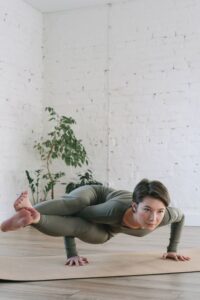
Many people meet this shape first as “crow” in a vinyasa class. On this site we keep the two apart, following Yoga Journal and the Iyengar and Ashtanga traditions: bent arms with the knees on the backs of the upper arms is crow pose (Kākāsana); straight arms with the knees tucked into the armpits is crane pose (Bakāsana).

The name: crow or crane?

Baka is a kind of heron or crane, and āsana means seat or posture. AshtangaYoga.info describes Bakāsana as an arm balance on straight arms with the legs compactly bent, the knees resting in the armpits and the toes touching. The Iyengar Yoga (UK) teaching syllabus lists Bakāsana at plate 410 of B.K.S. Iyengar’s Light on Yoga, and Yoga Journal makes the same split between straight-arm crane and bent-arm crow. The confusion comes from everyday class language, where “crow” and “Bakasana” are used for both. If a teacher says “crow”, ask whether they mean bent or straight arms. The Sivananda tradition teaches the bent-arm crow (Kākāsana) in its basic sequence, not this straight-arm version.

Making the pose work

Most people learn crane from crow. Start in the crow shape, then draw the knees higher, toward the armpits, round the upper back and press the floor away until the elbows straighten. The more the thighs hug the torso, the less weight the knees put on the arms. AshtangaYoga.info suggests actively lengthening the arms from the shoulder blades, as if pushing the hands forward, which takes weight off the knees and lets you draw them higher.

In the Ashtanga intermediate series the pose appears twice, as Bakāsana A and B, and is entered from downward dog by floating forward into a balance on the hands and then lowering the knees into the armpits; each version is held for five breaths. AshtangaYoga.info warns against jumping straight from downward dog onto the arms, because the knees can land with force and lever the shoulder joints. It recommends learning to control the balance point first. Most practitioners will step or squat into the pose, which is the approach shown in the steps here.
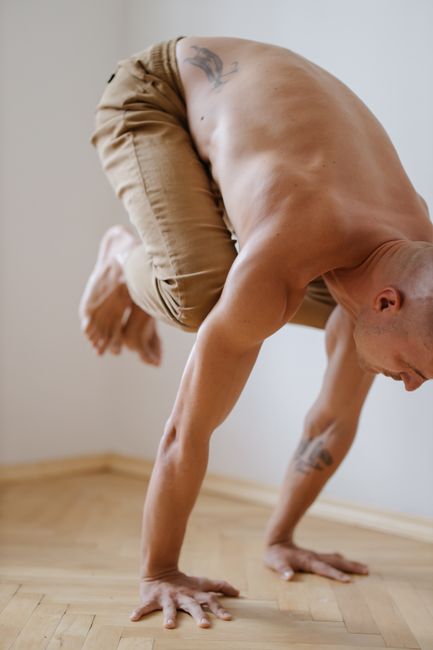
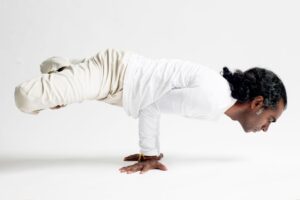
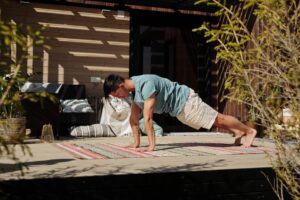
Man practicing advanced yoga pose indoors, demonstrating balance and strength.

Precautions in plain words

All your weight goes onto straight arms and wrists, and a fall forward is always possible. Yoga Journal advises avoiding crow and crane, or practising with caution, with vertigo, dizziness or certain eye conditions, wrist pain or carpal tunnel problems, back injuries, osteoporosis or disc problems, and hip pain. Warm the wrists first and keep a folded blanket in front of you. In pregnancy, check with your health care provider before any arm balance. Learn the jump-in versions only with a teacher. This page is general information, not individual advice.

One-Legged Crane (Eka Pada Bakasana)

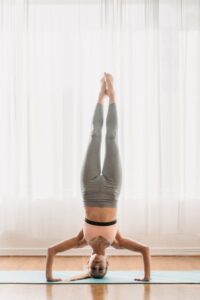
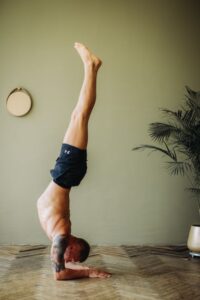
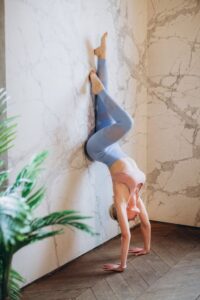
In one-legged crane, one knee stays on the arm in the crane position while the other leg extends straight back. Eka means one and pāda foot or leg. The Iyengar Yoga (UK) syllabus lists two versions from Light on Yoga, Eka Pāda Bakāsana I (plates 446 to 447) and II (plates 451 to 452), and the Ashtanga third series has Eka Pāda Bakāsana A and B. In the Ashtanga A version described by AshtangaYoga.info, one knee rests on the elbow while the other leg stretches up toward the sky, and the pose is entered from a tripod headstand. Light on Yoga I and II are also entered from headstand, and the two books differ on the exact leg positions, so follow one teacher’s version rather than mixing them.

This is a very advanced variation. It needs a confident crane, a steady tripod headstand and strong hip flexors and hamstrings. Practise it only after crane holds comfortably for several breaths, with a teacher nearby.

Preparation and what comes next

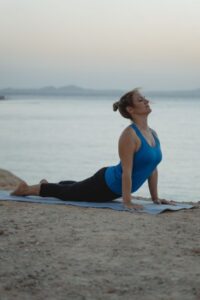
Build the strength for crane with plank, chaturanga, boat pose and crow. Pendant pose trains the same rounded back and pressing action. Afterwards, stretch the wrists and open the front body with upward-facing dog or rest in child’s pose. Crane leads on to side crow, one-legged crane and the jump-back transitions of flowing practice.

You will meet crane in Ashtanga (intermediate series), Iyengar classes and advanced vinyasa and power yoga classes.
Preparatory poses

Follow-up poses and transitions

Counterposes

Related poses

More arm balance poses

Frequently asked questions

Is crane pose the same as crow pose?

They are close relatives. Crow (Kakasana) has bent arms with the knees on the backs of the upper arms; crane (Bakasana) has straight arms with the knees tucked near the armpits. Many classes call both "crow".

How do I straighten my arms in crane?

Get the knees higher first, toward the armpits, squeeze the thighs into the chest and push the floor away from the shoulder blades. Straighten a little more each time rather than forcing it.

Is crane pose for beginners?

No. Learn crow first. Crane needs more core strength and wrist tolerance and is treated here as an advanced arm balance.

What is one-legged crane?

Eka Pada Bakasana keeps one knee on the arm in crane while the other leg extends. Light on Yoga and the Ashtanga third series enter it from headstand; it is a very advanced variation.

Sources

  1. Bakāsana A: Kranich (Crane), AshtangaYoga.info (Dr. Ronald Steiner) (accessed October 6, 2026)
  2. Bakāsana B: Kranich (Crane), AshtangaYoga.info (Dr. Ronald Steiner) (accessed October 6, 2026)
  3. Crow Pose or Crane Pose: How to Practice Kakasana or Bakasana, Yoga Journal (accessed October 6, 2026)
  4. I8 Teaching Syllabi (asanas with Light on Yoga plate numbers), Iyengar Yoga (UK) (accessed October 6, 2026)
  5. Eka Pāda Bakāsana A: One-Legged Crane Pose, AshtangaYoga.info (Dr. Ronald Steiner) (accessed October 6, 2026)
  6. The Crow (Kakasana), Sivananda Ashram Yoga Ranch (accessed October 6, 2026)

Facts checked on October 6, 2026