Kapotasana (Pigeon Backbend): what it is, how it is learned and precautions

Kapotasana is an advanced kneeling backbend with the elbows down, hands to the heels and head toward the feet. Ashtanga intermediate series and Light on Yoga; teacher only.

Not yet reviewed by a qualified teacher Names and shape checked against 4 sources

Sanskrit name
Kapotāsana कपोतासन (source)
Also called
Pigeon Backbend, Kneeling Pigeon Backbend
Other spellings
Kapotasana, Kapotasana A, Kapotasana B
Pose family
Backbend, Kneeling
Starting position
Kneeling
Movement
Backbend
Difficulty
Advanced
Prerequisite skills
Reliable wheel with straight arms, camel and little thunderbolt; years of backbend practice; a teacher.
Body areas
Chest, Hips, Legs, Neck, Shoulders, Spine
Props
Blanket, Block, Mat, Wall
Practised
Either

Names in different traditions

TraditionName usedNote
Iyengar (Light on Yoga)KapotāsanaAsana 175, Plates 503-512, rated 21: beginners from Supta Virasana; advanced from kneeling; crown of the head on the soles, ankles held; up to about a minute.
Ashtanga vinyasa (intermediate series)Kapotāsana A and BA: hands to the heels, elbows on the floor, forehead on the soles; B: arms straight, hands on the floor; 5 breaths; after Laghu Vajrasana (AshtangaYoga.info).

Step by step

Coming into the pose

  1. With a teacher: kneel with the knees hip-width or together, thighs vertical, hands on the pelvis.
  2. Inhale, lift and widen the chest; exhale and begin to bend back, pressing the pelvis forward.

In the pose

  1. Let the arms come overhead toward the floor behind you (Ashtanga advice: arms relaxed at the sides until you can see the floor).
  2. Place the hands on the floor with straight arms and walk them toward the feet while the pelvis keeps moving up and forward.
  3. Hold the heels, lower the elbows to the floor and rest the forehead or crown of the head on the soles. Stay 5 breaths (Ashtanga) up to about a minute (Light on Yoga).

Coming out

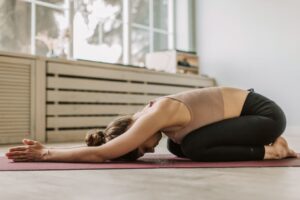
  1. Release the feet, press the hands down, straighten the arms and come up with the pelvis leading until kneeling. Rest in child's pose.

Breathing

Exhale to go back; in the pose the breathing will be fast and laboured because the diaphragm is compressed (Light on Yoga). Keep it as steady as you can for five breaths.

Alignment cues

  • Pelvis moving up and forward the whole time.
  • Backbend spread through the upper back, not only the lumbar spine.
  • Arms straight while walking the hands in; bend the elbows only at the end.
  • Thighs as close to vertical as possible.

Common alignment errors

  • Taking the arms overhead too early and overloading the lower back.
  • Bending the elbows too soon and compressing the body.
  • Hips sinking back toward the heels.
  • Forcing the head onto the feet.

Modifications and easier variations

  • Kapotasana B or stop with straight arms and the hands on the floor. none

Advanced variations

Props and chair adaptations

  • Blocks behind the feet as a higher place for the hands, with a teacher. block
  • Kneel with the back toward a wall and walk the hands down it (teacher-guided preparation). wall
  • A folded blanket under the knees (Light on Yoga uses one). blanket

Precautions

  • Only with an experienced teacher.
  • Back, neck, knee or shoulder injury: do not attempt.
  • Pregnancy, high blood pressure, heart conditions, eye pressure problems: avoid.
  • Dizziness or panicky breathing: come out slowly.
  • Lower back pain: the bend is collapsing there; return to preparation.

Learn it with a teacher: Teacher only. In Ashtanga it is given when the teacher judges you ready, after the preceding poses of the intermediate series.

General information, not medical advice. Poses do not cure illness. If you are pregnant, injured or have a health condition, check with your doctor and tell your teacher before you practise.

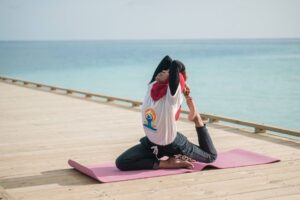
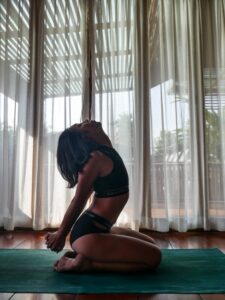
In short: Kapotasana is a very deep kneeling backbend. From standing on the knees you arch all the way back until the elbows rest on the floor behind the feet, the hands hold the heels or ankles and the head comes down toward or onto the soles of the feet. The chest puffs out like a pigeon’s, which gives the pose its name. It is an advanced pose of the Ashtanga intermediate series and of Light on Yoga, and it should be learned only with an experienced teacher.

This page explains the name, how the pose is built, the precautions and the long path of preparation. It is not a self-teaching guide: the instructions describe the pose so you can recognise it and understand what a teacher will ask of you.

The name, and why it is not “pigeon pose”

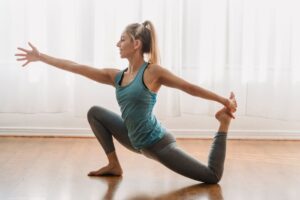
Kapotāsana comes from kapota, dove or pigeon. Iyengar says the expanded chest looks like that of a pouter pigeon. In English it is sometimes called pigeon backbend or kneeling pigeon. It is a different posture from the hip-opening pigeon pose of most classes and from One-Legged King Pigeon (Eka Pāda Rājakapotāsana), which is why this page keeps the Sanskrit name in its address. Light on Yoga also has a full Rājakapotāsana, the king pigeon, built from a prone position, which is a different pose again.

How the pose is built

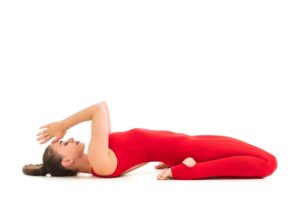
Light on Yoga gives two techniques. The one for beginners starts lying back in reclining hero: the hands are placed by the ears and you press up through the arms onto the knees, then bend the elbows to the floor, walk the hands to the heels and place the crown of the head on the soles. The advanced technique starts kneeling, thighs vertical, and bends back with the arms over the head to grip the heels, then lowers the elbows and rests the head on the feet, catching the ankles. Iyengar asks for up to about a minute; breathing is fast and laboured.

In the Ashtanga intermediate series the pose comes after camel and little thunderbolt, in two forms: in Kapotāsana A the hands hold the heels and the elbows rest on the floor; in B the arms stay straight with the hands on the floor. AshtangaYoga.info warns against two common errors: taking the arms overhead too early on the way down, which overloads the lumbar spine, and bending the elbows too soon, which compresses the body. Its advice is to keep the hands on the floor with straight arms and walk them toward the feet while the pelvis keeps moving up and forward. The hold is five breaths.

Precautions in plain words

Kapotasana takes the spine, shoulders, hip flexors and neck to the end of their range. Do not attempt it without a teacher, without a reliable wheel and camel, or with any back, neck, knee or shoulder injury. Avoid it in pregnancy, with high blood pressure, heart conditions or eye pressure problems, and when tired. Expect fast, laboured breathing; if it becomes panicky or you feel dizzy, come out with control. Pain in the lower back means the bend is collapsing there rather than spreading through the upper back: come up and work on preparation.

Preparation and what comes next

Preparation takes months or years: camel, reclining hero, bow, wheel with straight arms, little thunderbolt and deep hip-flexor stretches such as a low lunge. Iyengar considers Kapotasana essential before the more difficult backbends, together with two-legged inverted staff. In Ashtanga it is followed by Supta Vajrasana. Afterwards, rest in child’s pose.

Where it is taught

Kapotasana is a key pose of the Ashtanga intermediate series and appears in Light on Yoga (Iyengar). Advanced vinyasa classes sometimes include it with a teacher’s guidance.
Preparatory poses

Follow-up poses and transitions

Counterposes

Related poses

More backbend poses

Frequently asked questions

Is Kapotasana the same as pigeon pose?

No. Pigeon pose in most classes is a hip opener with one leg forward. Kapotasana is a deep kneeling backbend with the head toward the feet.

Can I learn Kapotasana on my own?

No. It is an advanced backbend; learn it with an experienced teacher after a steady wheel, camel and little thunderbolt.

What is the difference between Kapotasana A and B?

In the Ashtanga intermediate series, A holds the heels with the elbows on the floor; B keeps the arms straight with the hands on the floor.

Sources

  1. B.K.S. Iyengar, Light on Yoga: asana 175, Kapotasana, Plates 503-512, Internet Archive (Digital Library of India copy) (accessed October 6, 2026)
  2. Kapotāsana A: Taube (Pigeon), AshtangaYoga.info (Dr. Ronald Steiner) (accessed October 6, 2026)
  3. Nāḍi Śodhana 2nd Series practice sheet (Kapotāsana A + B), AshtangaYoga.info (Dr. Ronald Steiner) (accessed October 6, 2026)
  4. Master Class: Kapotasana (King Pigeon Pose), Yoga Journal (accessed October 6, 2026)

Facts checked on October 6, 2026