Heron Pose (Krounchasana): steps, strap version and precautions

Heron pose (Krounchasana): one leg folded back beside the hip, the other lifted straight up and drawn toward the chest. A strap makes it accessible while the hamstrings lengthen.

Not yet reviewed by a qualified teacher Names and shape checked against 2 sources

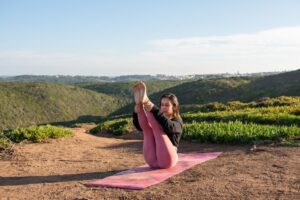
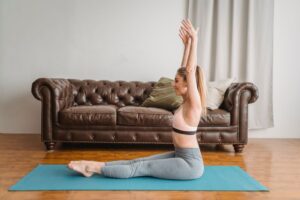
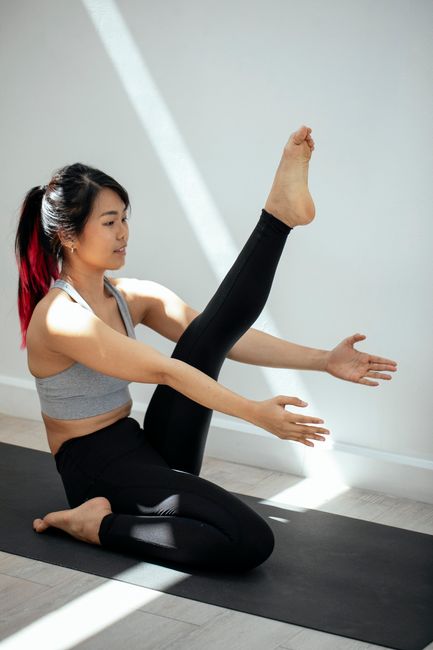
Side view of calm ethnic flexible female sitting in Navasana on mat and practicing yoga at home
Sanskrit name
Krauñcāsana क्रौञ्चासन (source)
Also called
Curlew Pose
Other spellings
Krounchasana, Kraunchasana, Krauncasana
Pose family
Forward bend, Seated
Starting position
Seated
Movement
Forward fold
Taught in
Hatha Yoga: The Historical Term and the Modern Class
Difficulty
Intermediate
Prerequisite skills
Sitting in hero pose (or a substitute leg position) without knee pain; hamstrings long enough to lift the leg with a strap while the spine stays upright.
Body areas
Feet and ankles, Hamstrings, Legs, Spine
Props
Blanket, Mat, Strap, Wall
Practised
Solo

Names in different traditions

TraditionName usedNote
Ashtanga vinyasa (Pattabhi Jois lineage)KrauñcāsanaIntermediate series (Nadi Shodhana); five breaths each side; chin to shin, gaze to the pointed foot (AshtangaYoga.info).

Step by step

Coming into the pose

  1. Sit in staff pose. Fold the left leg back into half hero: the top of the left foot on the floor beside the left hip, the knees close.
  2. Bend the right knee and set the right foot on the floor in front of the right sitting bone. Hold the foot with both hands (or loop a strap around the sole).
  3. Lean back slightly, keeping the front of the torso long and the shoulder blades firm on the back.

In the pose

  1. Inhale and straighten the right leg upward on a diagonal, about 45 degrees or higher, as long as the spine stays upright.
  2. If the arms are straight and the chest stays lifted, exhale, bend the elbows outward and draw the leg and torso toward each other.
  3. Stay for five breaths (Ashtanga) or 30 seconds to a minute (Yoga Journal).

Coming out

  1. Exhale and lower the raised leg. Carefully bring the folded leg forward and straighten it. Repeat on the other side for the same time.

Breathing

Inhale to lift the chest and leg, exhale to draw them together. Keep the breath smooth; if the chest collapses or the breath gets short, lower the leg or use a strap.

Alignment cues

  • Lift the chest first; the lifted leg comes to the torso, not the torso down to the leg.
  • Keep the elbows straight on a strap until the chest can stay lifted.
  • Point the folded foot straight back beside the hip.
  • Bend the elbows outward when drawing the leg in.

Common alignment errors

  • Rounding the back to reach the foot.
  • Lifting the leg too high too soon, so the pelvis rolls back.
  • Sitting in half hero with knee pain instead of changing the leg position.

Modifications and easier variations

  • Keep the bottom leg straight on the floor, or bend it out to the side as in head-to-knee pose. none

Advanced variations

  • Leg and torso drawn fully together, chin toward the shin (Ashtanga).
  • Twisted variation: swing the raised leg slightly across and turn the torso toward it (Yoga Journal).

Props and chair adaptations

  • Loop a strap around the sole of the lifted foot and hold it close to the foot with straight elbows. strap
  • Sit on a folded blanket to help the spine stay upright and ease the folded knee. blanket
  • Sit with the back against a wall to learn the upright spine while lifting the leg with a strap. wall

Precautions

  • Serious knee or ankle problems: avoid the half-hero leg unless an experienced teacher is helping; use the head-to-knee leg position.
  • Hamstring injury: strap version with the leg low, or skip.
  • Lower-back problems: keep the leg low and the spine upright.

Learn it with a teacher: The strap version can be learned alone. Ask a teacher if the folded knee is uncomfortable or before working toward the full chin-to-shin version.

General information, not medical advice. Poses do not cure illness. If you are pregnant, injured or have a health condition, check with your doctor and tell your teacher before you practise.

In short: in heron pose you sit with one leg folded back beside the hip, as in hero pose, and lift the other leg straight up in front of you, holding the foot with both hands and drawing the leg and the chest toward each other. The lifted leg looks like a heron’s long neck. It is an intense hamstring stretch that asks for a long, upright spine. A strap around the foot makes it accessible long before the leg will straighten fully.

Heron pose is part of the Ashtanga intermediate series and appears in Yoga Journal’s pose library for general hatha practice. Below are the name, the cues behind the steps, the knee precautions and where heron fits in a practice.

What the name means

The Sanskrit name is Krauñcāsana, also written Krounchasana or Kraunchasana. Krauñca is a long-legged bird: Yoga Journal translates it as crane, heron or other long-legged water bird, and AshtangaYoga.info as curlew. Yoga Journal also notes that Vyasa, the oldest surviving commentator on the Yoga Sutras, mentions a curlew seat in his comment on sutra 2.46, without describing how to do it, so we cannot say whether that seat was this shape. The pose as taught today is described by the 20th-century Mysore lineages.

Making heron pose work

The lifted leg is the goal, but the back is the priority. Lean back slightly, keep the front of the torso long and firm the shoulder blades so the chest stays lifted. If the chest collapses as you lift the leg, loop a strap around the sole and hold it close to the foot with straight elbows; Yoga Journal recommends exactly this for most beginners. Raise the leg diagonally, at about 45 degrees, or higher only as long as the spine stays long. When you can hold the foot with straight arms, bend the elbows outward and draw the leg and torso together; in Ashtanga the chin moves toward the shin and the gaze goes to the pointed foot.

The folded leg needs care. If the knee or ankle complains in the hero-pose position, keep that leg straight on the floor instead, or bend it out to the side as in head-to-knee pose. Hold for 30 seconds to a minute (Yoga Journal) or five breaths (Ashtanga), then change sides.

Precautions in plain words

Yoga Journal advises people with serious knee or ankle problems to avoid the half-hero leg position unless an experienced teacher is helping, and to use the head-to-knee leg position instead. Hamstring injuries call for the strap version with the leg low. With lower-back problems, keep the leg low and the spine upright. This page is general information, not individual advice.

Preparation and what comes next

Regular hero pose prepares the folded leg. Reclining hand-to-big-toe pose stretches the same hamstring with the back supported, and seated forward bend and three-limbed forward bend, which uses the same folded leg, are good preparation too. A gentle twist or staff pose settles the legs afterwards.

A simple way to practise it. Start with the strap and the bottom leg straight, sitting on a folded blanket, and lift the leg only until you feel the hamstring stretch while the chest stays lifted. Hold for several breaths, lower the leg, and repeat once. Over time, walk the hands up the strap toward the foot. Yoga Journal also describes a partner version in which a helper gently supports the heel while you keep the torso upright; the helper should stop as soon as you feel a comfortable stretch.

You will meet heron pose in Ashtanga (intermediate series) and in some hatha classes.
Preparatory poses

Follow-up poses and transitions

Counterposes

Related poses

More forward bend poses

Frequently asked questions

What does Krounchasana mean?

Krauñca is a long-legged bird, translated as heron, crane or curlew. The raised leg recalls the bird’s long neck.

My leg won’t straighten. Is that a problem?

No. Use a strap, keep the arms straight and the chest lifted, and lift the leg only as high as the spine stays upright.

What if sitting on the folded leg hurts my knee?

Keep that leg straight on the floor, or bend it out to the side as in head-to-knee pose.

Sources

  1. Heron Pose (Krounchasana), Yoga Journal (accessed October 6, 2026)
  2. Krauñcāsana: Brachvogel (Curlew), AshtangaYoga.info (Dr. Ronald Steiner) (accessed October 6, 2026)

Facts checked on October 6, 2026