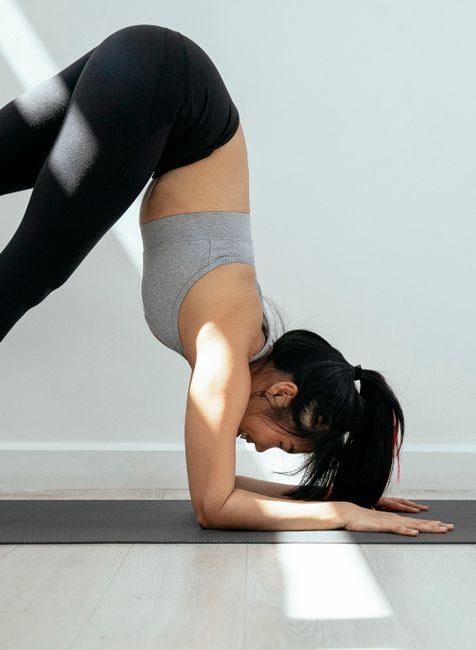
Dolphin Pose: forearm down dog for shoulder strength and inversion prep

Dolphin pose is downward dog on the forearms: a shoulder-strength pose and the classic preparation for forearm stand and headstand. Steps, strap and block setup, wall version and precautions.

Not yet reviewed by a qualified teacher Names and shape checked against 3 sources

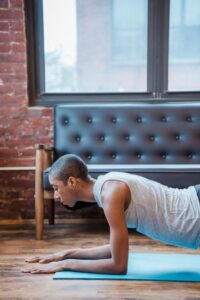
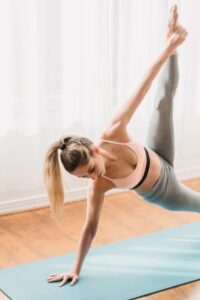
Side view of slender ethnic lady in sportswear performing Ardha Pincha Mayurasana position in light room
Sanskrit name
No established Sanskrit name: a modern descriptive name
Also called
Dolphin, Forearm Dog, Forearm Downward Dog, Ardha Pincha Mayurasana (modern usage)
Record
Modern descriptive name (no established Sanskrit)
Pose family
Floor foundations and core, Forward bend, Inversion
Starting position
Hands-supported
Movement
Inversion, Strength hold
Taught in
Vinyasa Yoga: Flow, Breath and What to Expect, Hatha Yoga: The Historical Term and the Modern Class
Difficulty
Intermediate
Prerequisite skills
Comfortable downward dog; shoulders that take the arms overhead.
Body areas
Arms and wrists, Core, Hamstrings, Shoulders, Spine
Props
Block, Chair, Strap, Wall
Practised
Solo

Names in different traditions

TraditionName usedNote
Yoga JournalDolphin PosePreparation for inversions and forearm balance.
Yoga InternationalDolphin poseStarting place for pincha mayurasana; holds build strength.

Step by step

Coming into the pose

  1. Come to hands and knees, knees under the hips. Lower the forearms to the floor with the elbows under the shoulders, shoulder-width apart; clasp the hands or keep the forearms parallel.
  2. Press the forearms firmly down and lift the shoulders away from the floor.

In the pose

  1. Tuck the toes and, on an exhale, lift the knees and send the hips up and back, knees bent at first. Lengthen the spine; straighten the legs only if the back stays long.
  2. Let the head hang between the upper arms without resting on the floor. Stay 10 to 15 breaths (30 seconds to a minute).

Coming out

  1. Exhale, lower the knees and sit back into child's pose.

Breathing

Exhale to lift the hips; breathe slowly and evenly while holding. If the breath shortens or the shoulders collapse, come down.

Alignment cues

  • Elbows shoulder-width, under the shoulders.
  • Press down through the forearms and inner wrists to lift the shoulders.
  • Long spine first; bend the knees as needed.
  • Head hangs freely, ears in line with the upper arms.

Common alignment errors

  • Elbows sliding wider than the shoulders.
  • Shoulders sinking toward the ears and the chest collapsing.
  • Straightening the legs and rounding the back.
  • Resting the head on the floor.

Modifications and easier variations

  • Clasp the hands (forearms in a V) and keep the knees bent. none

Advanced variations

Props and chair adaptations

  • Strap looped just above the elbows to keep them shoulder-width. strap
  • Block held between the hands to keep the forearms parallel. block
  • Wall dolphin: standing, forearms on a wall, hinge at the hips and walk the feet back. wall
  • Forearms on the seat of a chair placed against a wall, hips lifting back. chair

Precautions

  • Shoulder or neck injury: avoid (Yoga Journal).
  • Glaucoma, uncontrolled high blood pressure or other conditions where head-down positions are a concern: ask your doctor; use the wall version.
  • Pregnancy: check with your health care provider.

Learn it with a teacher: Can be learned on your own. Work with a teacher when you start using it as preparation for forearm stand or headstand.

General information, not medical advice. Poses do not cure illness. If you are pregnant, injured or have a health condition, check with your doctor and tell your teacher before you practise.

In short: dolphin is downward-facing dog on the forearms: elbows under the shoulders, forearms on the floor, hips lifted high and the head hanging free between the upper arms. It builds strength and opening in the shoulders and upper back, takes the weight off the wrists, and is the standard preparation for forearm stand and headstand. Keep the knees bent if the back rounds.

Dolphin looks like a small variation of downward dog, but it feels very different: with the forearms down, the shoulders have to work much harder to keep the chest from sinking, and tight shoulders show up at once. That is exactly why teachers use it before inversions. Yoga Journal describes it as a preparation for, or a substitute for, going upside down.

About the name

Dolphin is a modern descriptive name. In classes and online you will also hear Ardha Pincha Mayurasana, “half feathered peacock”, because it is the first stage of forearm stand (Pincha Mayurasana); we treat that as modern usage, since we have not found it as an established name in the lineage references we checked. It is also called forearm dog. Do not confuse dolphin with forearm plank, which Yoga Journal also calls dolphin plank: the forearms are the same, but the body is in a straight line.

How to make it work

The forearms are the foundation. Either clasp the hands, which makes a V shape with the forearms and is easier on tight shoulders, or keep the forearms parallel, which is the forearm-stand position and harder. Elbows stay shoulder-width apart; if they slide out, loop a strap just above the elbows, and if the hands drift together, hold a block between them, as Yoga Journal suggests. Press the forearms firmly down and use that push to lift the shoulders away from the floor, so they do not sink toward the ears. Then lift the hips up and back, keeping the knees bent until the spine is long. The head hangs freely, neither resting on the floor nor lifted. Yoga Journal gives 10 to 15 breaths, or 30 seconds to a minute.

Two arm positions

Yoga Journal’s teacher Natasha Rizopoulos teaches dolphin in two arm positions. With the fingers interlaced, the forearms form a V and the outer edges of the hands and wrists press down, the same base used for supported headstand; this is easier for tight shoulders. With the forearms parallel, as for forearm stand, the elbows tend to splay and the hands drift together, which lets the upper arms collapse forward and crowds the neck; the strap and block are there to stop that. Start with the clasped version, and move to parallel forearms when the shoulders can stay lifted without props.

Precautions in plain words

Dolphin is a mild inversion with the head below the heart, so the same cautions as downward dog apply: with glaucoma, uncontrolled high blood pressure or any condition where head-down positions are a concern, ask your doctor first and use the wall version. Yoga Journal suggests avoiding it with shoulder or neck injuries. In pregnancy, check with your health care provider. This page is general information, not individual advice.

Preparation and what comes next

Warm up the shoulders in tabletop on the forearms, downward dog and extended puppy pose. Yoga International uses dolphin holds, along with forearm plank, to build strength for forearm balance. From dolphin, the next steps are forearm stand and, with the hands clasped, the setup for supported headstand; our headstand preparation plan uses it. Rest afterward in child’s pose.

Where it is taught

Dolphin is common in vinyasa, hatha and power classes, especially before inversions. Browse more foundation poses in the pose library.

Preparatory poses

Follow-up poses and transitions

Counterposes

Related poses

More floor foundations and core poses

Frequently asked questions

What is the difference between dolphin and downward dog?

Dolphin is on the forearms instead of the hands. It spares the wrists but asks much more of the shoulders, which is why it is used to prepare for inversions.

Is dolphin pose an inversion?

A mild one: the head is below the heart. Use the wall version if head-down positions are a concern for you.

What is dolphin pose in Sanskrit?

It is often called Ardha Pincha Mayurasana, half forearm stand, but that is modern usage; dolphin is a modern English name.

Sources

  1. Dolphin Pose: How to Practice This Inversion in Yoga, Yoga Journal (accessed October 6, 2026)
  2. Dolphin Pose: Build Strength and Comfort for Inversions (Natasha Rizopoulos), Yoga Journal (accessed October 6, 2026)
  3. 4 Drills to Help You Prepare for Forearm Balance (dolphin holds), Yoga International (accessed October 6, 2026)

Facts checked on October 6, 2026