Reclining Bound Angle (Supta Baddha Konasana): the restorative setup with props

Reclining bound angle (Supta Baddha Konasana) is the restorative pose lying back with the soles together and knees open. Prop setup with bolster and blocks, how long to stay, and precautions.

Not yet reviewed by a qualified teacher Names and shape checked against 6 sources

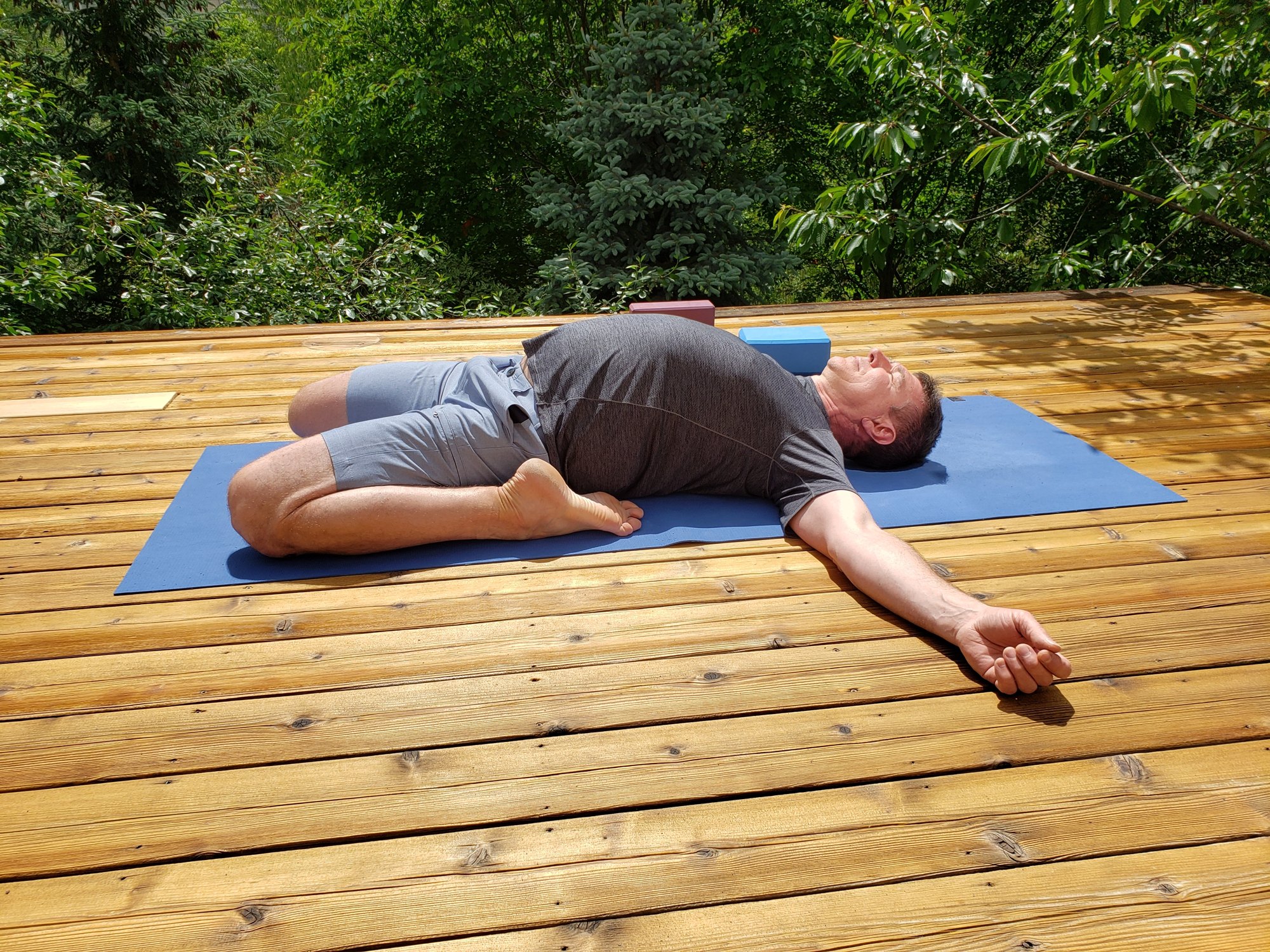
Man in reclining bound angle pose on a wooden deck
Sanskrit name
Supta Baddha Koṇāsana सुप्त बद्ध कोणासन (source)
Pronunciation
SOUP-tah BAH-dah cone-NAHS-anna (source)
Also called
Reclining Butterfly, Reclined Bound Angle Pose, Reclined Cobbler's Pose
Other spellings
Supta Baddha Konasana
Pose family
Hip opener and leg extension, Resting and restorative, Supine
Starting position
Reclining (on the back)
Movement
Hip external rotation, Neutral rest
Taught in
Hatha Yoga: The Historical Term and the Modern Class, Vinyasa Yoga: Flow, Breath and What to Expect
Difficulty
Beginner
Prerequisite skills
Getting down to and up from the floor; bound angle seated without knee pain (props make up for limited hip range).
Body areas
Chest, Hips, Legs
Props
Blanket, Block, Bolster, Strap
Practised
Solo

Names in different traditions

TraditionName usedNote
Yoga JournalReclining Bound Angle Pose (Supta Baddha Konasana)From bound angle, lie back; blanket roll under the knees; wall variation; 1 minute building to 5–10 minutes. Restorative article: bolster lengthwise, props under the thighs, 2–5 minutes.
Iyengar (Iyengar Yoga UK; Iyengar Yoga Association of Canada)Supta Baddha KoṇāsanaRestorative asana in the introductory syllabi, from Yoga: A Gem for Women plates 38–39; IYAC: support of blanket or bolster along the length of the spine and under the head.
Yin yoga (Bernie Clark)Reclining Butterfly (variation of Butterfly)Lie down keeping the legs in butterfly when the back does not like folding forward.

Step by step

Coming into the pose

  1. Place a bolster lengthwise on the mat and a folded blanket at its far end. Sit with your back against the near end.
  2. Bring the soles of the feet together and let the knees open. Slide a block or cushion under each outer thigh.
  3. Lean back onto the hands, then the forearms, and lie down along the bolster with the head on the blanket.

In the pose

  1. Adjust the props: thighs supported so the stretch is gentle, chin slightly lower than the forehead, lower back comfortable.
  2. Rest the arms about 45 degrees from the body, palms up. Let the knees float rather than pressing them down. Stay 2 to 10 minutes.

Coming out

  1. Use the hands to bring the knees together, roll onto one side and press up slowly, head last.

Breathing

Natural, slow breathing. With the chest open over the bolster, let the breath move freely into the ribs and belly; lengthen the exhalation slightly to help the body settle.

Alignment cues

  • Thighs supported: the inner thighs should feel a gentle stretch, not a pull.
  • Knees float; do not push them toward the floor.
  • Feet further from the pelvis for a milder pose.
  • Head supported so the chin does not tip up.

Common alignment errors

  • Leaving the knees unsupported so the groins and belly tense.
  • Pressing the knees down to "stretch more".
  • A bolster so high that the lower back pinches.

Props and chair adaptations

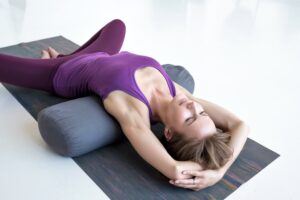
  • Bolster lengthwise under the spine, blanket under the head, blocks or cushions under the thighs. bolster
  • Block under the outer edges of the feet if the inner thighs still strain (Yoga Journal). block
  • Strap around the lower back and over the feet to keep the feet in place during a long hold. strap
  • Wall version: from legs up the wall, bend the knees and bring the soles together against the wall. wall
  • Chair version: sit back in a chair, cross the ankles or bring the soles together on a cushion and let the knees fall open. chair

Precautions

  • Knee, groin or inner-thigh pain: more support under the thighs, feet further away.
  • Hip replacement or groin injury: ask your doctor or physiotherapist first.
  • Pregnancy after the first trimester: incline the torso well or rest on your side; avoid lying flat for long.
  • Lower-back pinching: lower the bolster or put a blanket under the pelvis.

Learn it with a teacher: Safe to set up on your own. A restorative teacher can help with prop heights if the hips or back stay uncomfortable.

General information, not medical advice. Poses do not cure illness. If you are pregnant, injured or have a health condition, check with your doctor and tell your teacher before you practise.

In short: reclining bound angle is lying on your back with the soles of the feet together and the knees falling open to the sides, usually with a bolster under the back and blocks under the thighs. It gently opens the inner thighs and the front of the body and is one of the best-known restorative poses. Support the knees well, so the inner thighs can let go instead of straining.

This is bound angle pose (butterfly) laid down on its back. Without props it is a mild hip stretch; with a bolster and blocks it becomes a pose you can rest in for ten minutes, which is why it appears at the end of so many gentle and restorative classes. Below we explain the name, the prop setup that makes it comfortable, the precautions and where it fits in a practice.

About the name

The Sanskrit name used by Yoga Journal is Supta Baddha Koṇāsana: supta, lying down, baddha, bound, koṇa, angle, and āsana, posture (see what asana means and our Sanskrit pose-name glossary). In English you will also hear reclining butterfly or reclined cobbler’s pose. Yin teachers use the same shape without the Sanskrit name: Bernie Clark offers the reclining version of butterfly for students whose backs do not like folding forward. The pose is not in Light on Yoga; in the Iyengar method it is taught from Geeta Iyengar’s Yoga: A Gem for Women, and both the UK and Canadian Iyengar associations list it among the restorative poses of their introductory teaching syllabi, with a blanket or bolster along the spine and under the head.

Setting up with props

For the restorative version, place a bolster lengthwise on the mat and sit with your back against its short end. Bring the soles of the feet together and let the knees open. Lean back onto your hands, then forearms, and lie down along the bolster, with a folded blanket under the head so the chin is slightly lower than the forehead. Slide a block, cushion or folded blanket under each outer thigh. Yoga Journal’s restorative guide suggests two to five minutes; its pose page suggests starting with one minute and building up to five or ten.

Two details make a big difference. First, support the thighs high enough that you feel a gentle stretch, not a pull; if the knees hang, the inner thighs and belly tense. Yoga Journal makes the same point: pressing the knees down usually hardens the groins, while letting them float lets the groins soften. Second, the feet do not have to be close to the pelvis. Sliding them further away makes the pose milder, and a block under the feet helps if the inner thighs still strain. A strap looped around the lower back and over the feet keeps the feet from sliding, if you want to stay longer.

Without props, lie flat with a blanket roll under the knees, or rest the legs in the same shape up a wall, as Yoga Journal shows. Rest the arms at about 45 degrees from the body, palms up, and let the breath settle. To come out, use your hands to bring the knees together, roll onto one side and press up slowly.

Precautions in plain words

Groin, inner-thigh or knee pain means the knees need more support or the feet need to move further away. With a hip replacement or a groin injury, check with your doctor or physiotherapist first. Lying on the back is not recommended for long periods after the first trimester of pregnancy; prop the bolster higher on a block so the torso is clearly inclined, or rest on your side instead, and follow your health care provider’s advice. If the lower back pinches over the bolster, lower it or place a folded blanket under the pelvis. This page is general information, not individual advice.

Preparation and what comes next

Seated bound angle and reclining hand-to-big-toe pose prepare the inner thighs. Yoga Journal lists the pose as useful preparation for many standing poses, cow face pose, garland pose and lotus. In a restorative sequence it often comes before supported bridge, legs up the wall and corpse pose. The yin cousin is yin butterfly, a rounded forward fold held for minutes.

Where it is taught

Reclining bound angle is a staple of restorative and Iyengar-influenced classes and appears at the end of many hatha and vinyasa sessions. It is a good place to practise slow diaphragmatic breathing or a short guided Yoga Nidra.
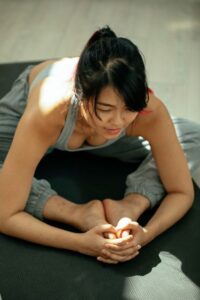
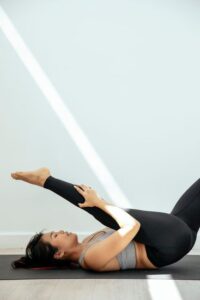
Preparatory poses

Follow-up poses and transitions

Counterposes

Related poses

More hip opener and leg extension poses

Frequently asked questions

How long should I stay in reclining bound angle?

Yoga Journal suggests starting with one minute and building to five or ten; its restorative guide suggests two to five minutes with a bolster. Stay as long as the hips and back stay comfortable.

Why do my inner thighs hurt in this pose?

Usually because the knees are not supported. Put blocks or cushions under the thighs, slide the feet further away and let the knees float rather than pushing them down.

Is reclining bound angle the same as yin butterfly?

No. Both use the soles-together leg shape, but yin butterfly is a seated, rounded forward fold held for minutes; reclining bound angle is lying back, usually on a bolster.

Sources

  1. Reclining Bound Angle Pose: How to Practice Supta Baddha Konasana, Yoga Journal (accessed October 6, 2026)
  2. 8 Restorative Yoga Poses to Calm You Down in Minutes (Reclining Bound Angle), Yoga Journal (accessed October 6, 2026)
  3. I8 Teaching Syllabi, Level 1: Restorative asanas (Supta Baddha Konasana, Yoga: A Gem for Women 38–39), Iyengar Yoga (UK) (accessed October 6, 2026)
  4. IYAC/ACYI Syllabi for Candidates (2018): Supta Baddhakonasana with blanket or bolster along the spine, Iyengar Yoga Association of Canada (accessed October 6, 2026)
  5. Butterfly Pose – Yin Yoga (reclining variation), YinYoga.com (Bernie Clark) (accessed October 6, 2026)
  6. Exercise During Pregnancy (FAQ), American College of Obstetricians and Gynecologists (accessed October 6, 2026)

Facts checked on October 6, 2026