Gentle Standing Sun Salutation: no floor work, with a wall

A newly designed sun salutation done standing at a wall, with no floor work: 11 steps with the breath, alternating legs, for older adults, sore knees or a small room.

Not yet reviewed by a qualified teacher Needs verification: names and instructions not yet confirmed by two sources

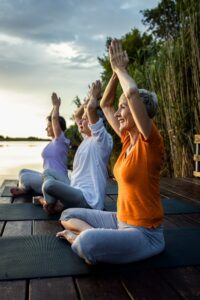
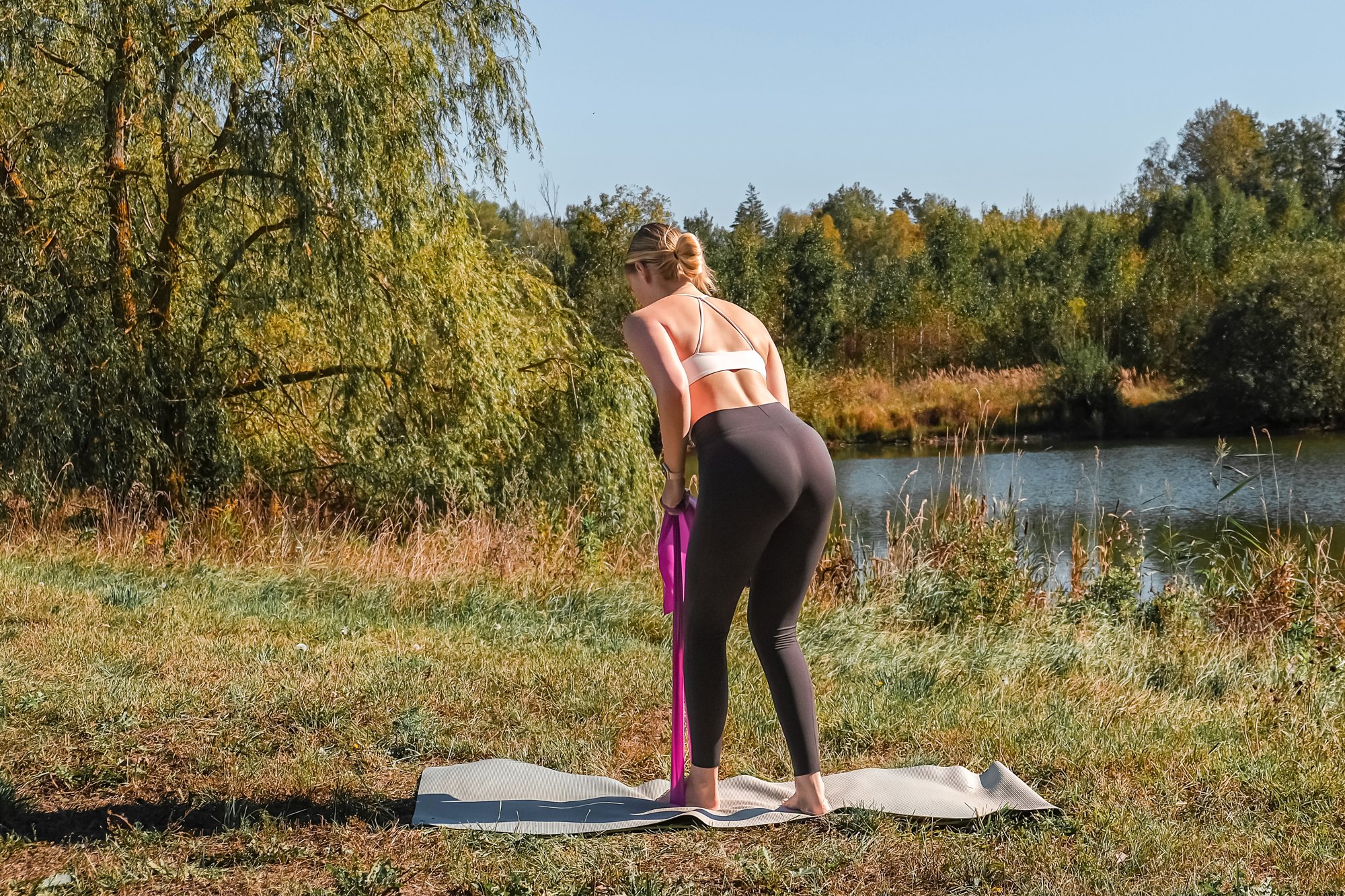
Woman starting a gentle sun salutation on a lakeside meadow
Also called
Standing Sun Salutation, Wall Sun Salutation
Tradition
YogaVacation educational flow
Order
Newly designed educational flow
Level
Beginner
Approximate duration
about 6 minutes
Focus
Gentle
Audience
Beginners, Limited mobility, Office workers, Older adults
Props
Chair, Wall
Styles
Chair Yoga: Seated and Chair-Supported Practice, Hatha Yoga: The Historical Term and the Modern Class
Body areas
Legs, Shoulders, Spine

A newly designed educational flow, not a traditional sequence. Teachers order these poses in many ways.

Printable view

Origin and source

Newly designed by YogaVacation in 2026 for people who cannot work on the floor; modelled on the lunges and alternating leg of the 12-position sun salutation. Not a traditional sequence.

Who it is for

Able to stand for several minutes and step one foot back with a hand on a wall. Suitable for beginners, older adults and limited mobility.

The steps in order

Version shown: YogaVacation standing wall flow, 11 steps

#StepCountBreathSideCues and options
1Stand facing the wall, palms together
Tāḍāsana
1Exhale

Transition: About an arm's length from the wall, feet hip-width.

Easier option: Chair beside you for balance.

2Arms up
Ūrdhva Hastāsana
2Inhale

Transition: Reach up; shoulders relaxed.

Easier option: Arms to shoulder height.

3Hinge forward, hands on the wall
Ardha Uttānāsana
3Exhale

Transition: Place the palms on the wall at shoulder height and walk back until the back is long.

Easier option: Hands higher on the wall; knees soft.

4Soft fold
Uttānāsana
4Inhale

Transition: Bend the knees and lengthen the spine, head in line with the arms.

Easier option: Skip and stay in step 3.

The head stays at or above heart level.

5Short lunge, right foot back, hands on the wall5ExhaleRight

Transition: Step the right foot back, bend the left knee.

Easier option: Shorter step; back heel lifted.

6Chest opener at the wall
Hasta Uttānāsana
6Inhale

Transition: Step the foot back in, slide the hands up the wall and lift the chest.

Easier option: Keep the hands lower.

7Wall hinge again
Ardha Uttānāsana
7Exhale

Transition: Walk the feet back, hips back, back long.

Easier option: Hands higher.

8Short lunge, right foot back8InhaleRight

Transition: Same leg as step 5.

Easier option: Shorter step.

9Wall hinge
Ardha Uttānāsana
9Exhale

Transition: Step the foot in.

Easier option: Knees soft.

10Walk in, rise, arms up
Ūrdhva Hastāsana
10Inhale

Transition: Walk toward the wall and come up slowly.

Easier option: Hands on the thighs to rise.

11Palms together
Tāḍāsana
11Exhale

Transition: Pause before the next round.

Easier option: Rest as needed.

Left and right

Right foot steps back in step 5 in the first round, left foot in the next; alternate.

Repetitions and counting

One pass of 11 steps = one round; 4-8 rounds, an even number.

Props and adaptations

Use a wall for the hands throughout; a chair or counter for balance; shoes or a non-slip mat; shorter steps. Easier: chair sun salutation.

Precautions

  • Balance: stand near support; stop if dizzy.
  • Knees and hips: keep the lunge short and the front knee over the ankle.
  • Medical conditions (blood pressure, heart, recent surgery): check with a health professional first.

Learn it with a teacher: Suitable to practise on your own; a chair-yoga or gentle-yoga teacher can adapt it further.

General information, not medical advice. Poses do not cure illness. If you are pregnant, injured or have a health condition, check with your doctor and tell your teacher before you practise.

Beginner and chair alternatives

Chair Sun Salutation: a seated version for any body, Beginner Sun Salutation: a slower, knees-down way to learn the sequence

The gentle standing sun salutation is a newly designed educational flow by YogaVacation for anyone who cannot, or prefers not to, get down to the floor. Everything happens standing, using a wall for support. It keeps the idea behind every sun salutation, reaching up, folding, stepping a leg back and opening the chest in rhythm with the breath, but the hands rest on the wall instead of the floor, and the head never drops far below the heart.

It is not a traditional sequence, and no school publishes it as such. The traditional orders are on the Sun Salutation A, B and 12-position pages; this flow mirrors the 12-position version’s lunges and its alternating leg.

Who it is for

People with knee pain that makes kneeling hard, people who find getting up from the floor difficult, older adults, travellers in a small hotel room, and anyone who wants a warm-up at the office. It also suits days when the full sequence feels like too much. Stand about an arm’s length from a clear wall; wear shoes or stand on a non-slip mat.

How the counting and sides work

There are 11 steps. In step 5 the right foot steps back into a short lunge; in the next round the left foot does. One pass is one round, so do an even number, four to eight, which takes about five to eight minutes. Breathe in as you lift or open, out as you fold or step back. If you need more breaths in any position, take them.

Note one difference in counting. In the Sivananda 12-position sun salutation, one round has two halves: the first leads with the right foot, the second with the left. Here we count each half as its own round, so four of our rounds equal two Sivananda rounds. Sivananda suggests starting with four rounds and building up to twelve; with this gentler flow, four to eight of ours is plenty for most people.

The flow, step by step

Stand facing the wall with the palms together and breathe out (1). Breathe in and reach the arms up (2). Breathe out, place the palms on the wall at shoulder height and walk the feet back until the back is long, hips back (3). Breathe in, soften the knees and lengthen the spine, head in line with the arms (4). Breathe out and step the right foot back into a short lunge (5). Breathe in, step the foot back in, slide the hands up the wall and lift the chest (6). Breathe out into the wall hinge again (7). Breathe in and step the same right foot back (8). Breathe out and step it in to the hinge (9). Breathe in, walk toward the wall and rise slowly with the arms up (10). Breathe out, palms together, and pause (11). Then repeat with the left foot.

Like the floor version, the steps take turns: Sivananda describes each position as balancing the one before, with the chest opening and closing in time with the breath. Move slowly enough that every breath is full and easy.
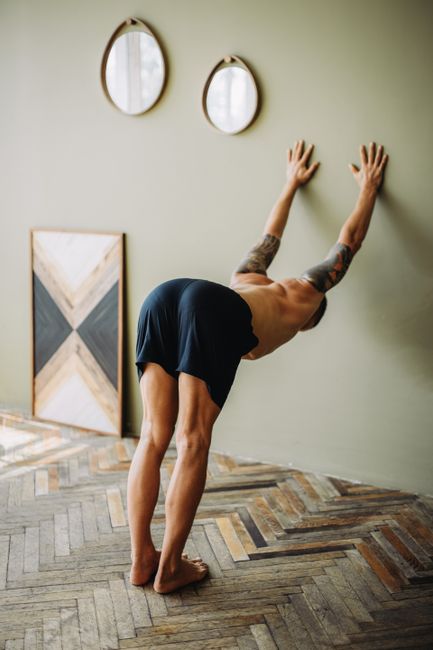
A tattooed man performs a yoga stretch against a wall indoors, showcasing flexibility and balance.

How each step maps to the floor version

It helps to know what each standing step stands in for. Reaching the arms up is the same in both. The wall hinge, with the hands on the wall and the back long, takes the place of the forward fold and of downward-facing dog: the hamstrings and the backs of the arms lengthen in a similar way, without weight on the wrists. The short lunge stands in for the equestrian lunge. The chest opener, sliding the hands up the wall and lifting the breastbone, takes the place of cobra. The flow keeps the rhythm and the alternating leg, but asks much less of the wrists, knees and shoulders.

What it does not do: it does not build the arm strength that plank and chaturanga build, and the backbend is small. That is the point. If you later want more, the beginner sun salutation adds those elements gradually.

How to practise it safely

  • Keep the hands at shoulder height or higher on the wall; that keeps the head above or level with the heart, which many people with blood pressure concerns or dizziness find easier. If you have a medical condition, check with a health professional first.
  • In the lunge, keep the front knee over the ankle and take a short stance; the back heel can stay lifted.
  • In the chest opener, lift the breastbone forward and up rather than bending the lower back.
  • Stand close to a chair or counter if your balance is uncertain.

Stop with any sharp pain. This is general information; the flow has not yet been reviewed by a qualified teacher.

Easier and harder

Easier: the chair sun salutation, done seated. A step up: the beginner sun salutation, which goes to the floor with the knees down. Sun salutations are traditionally done at dawn facing the rising sun, Sivananda notes, and this flow works well first thing in the morning too, or as a short break later in the day. For more standing practice, see our chair yoga sequence and chair yoga guide.
Frequently asked questions

Can I do a sun salutation without getting on the floor?

Yes. This standing version uses a wall for the hands, so there is no kneeling or lying down. A chair version is also available.

Is the standing sun salutation traditional?

No. It is our own educational adaptation, modelled on the traditional 12-position sun salutation.

Sources

  1. Sun Salutation: 12 positions with alternating lunges (structure modelled here), Sivananda Yoga Vedanta Centre, Canada (accessed October 6, 2026)
  2. Yoga: Effectiveness and Safety, National Center for Complementary and Integrative Health (NIH) (accessed October 6, 2026)

Facts checked on October 6, 2026