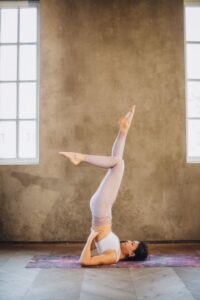
Ear Pressure Pose (Karnapidasana): the knees-to-ears fold from plow

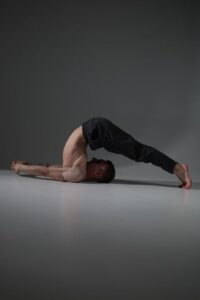
Ear pressure pose (Karnapidasana) is a plow-pose variation with the knees lowered beside the ears. An advanced inversion that loads the neck; learn it with a teacher.

Not yet reviewed by a qualified teacher Names and shape checked against 3 sources

Sanskrit name
Karṇapīḍāsana कर्णपीडासन (source)
Also called
Knee to Ear Pose, Knees to Ears Pose, Raja Halasana
Other spellings
Karnapidasana, Karna Pidasana
Pose family
Forward bend, Inversion
Starting position
Reclining (on the back)
Movement
Forward fold, Inversion
Taught in
Hatha Yoga: The Historical Term and the Modern Class
Difficulty
Advanced
Prerequisite skills
A steady, pain-free supported shoulderstand and plow pose learned with a teacher; healthy neck; hamstring and back flexibility.
Body areas
Hamstrings, Neck, Shoulders, Spine
Props
Blanket, Chair, Mat
Practised
Solo

Names in different traditions

TraditionName usedNote
Ashtanga vinyasa (Pattabhi Jois lineage)Karṇa PīḍāsanaFinishing sequence, directly after Halasana with the hands clasped behind the back; five breaths (AshtangaYoga.info).

Step by step

Coming into the pose

  1. Come into plow pose from shoulderstand: legs over the head, toes on the floor behind you, weight on the shoulders and upper arms, hands supporting the back or arms on the floor.
  2. Keep the head still and facing straight up. Exhale and bend the knees, lowering them slowly toward the floor beside the ears.

In the pose

  1. If the knees reach the floor, let them rest beside the ears with the tops of the feet on the floor; the arms can extend behind you or clasp. If they do not reach, keep the hands on the lower back.
  2. Breathe calmly for five breaths (Ashtanga) or as long as the breath stays easy.

Coming out

  1. Release the arms to the floor, keep the knees bent and roll down slowly, one vertebra at a time, until the back and then the feet rest on the floor. Rest before the next pose.

Breathing

The fold compresses the belly and chest, so breathe slowly into the back of the ribs. With the ears closed you hear your breath clearly; let it stay calm. If it becomes laboured, come out.

Alignment cues

  • Weight on the shoulders and upper arms, never on the neck; consider a folded blanket under the shoulders.
  • Head still and centred; never turn it.
  • Lower the knees only as far as they go without strain; support the back with the hands until they rest down.

Common alignment errors

  • Attempting it without a steady shoulderstand and plow.
  • Dropping the knees forcefully, rounding the neck under the weight of the legs.
  • Turning the head to look around while inverted.
  • Rolling out quickly instead of vertebra by vertebra.

Modifications and easier variations

  • Stay in plow with the feet on a chair or block, or with the hands on the lower back and the knees bent but not lowered. chair
  • Without inversion: child’s pose or a seated forward fold gives a rounded-back fold with no load on the neck. none

Props and chair adaptations

  • Folded blankets under the shoulders (head off the blanket) to protect the neck’s curve, as in Iyengar-style shoulderstand. blanket

Precautions

  • Avoid with neck injury or neck pain.
  • Avoid with high blood pressure, glaucoma or other eye pressure problems, heart conditions, or a recent head or spine injury.
  • Avoid during pregnancy; some prefer to avoid inversions during menstruation.
  • Do not practise on a full stomach; come out if breathing becomes difficult.

Learn it with a teacher: Learn shoulderstand, plow and ear pressure pose with an experienced teacher who can check the neck and the use of blankets. Do not teach yourself this pose from pictures.

General information, not medical advice. Poses do not cure illness. If you are pregnant, injured or have a health condition, check with your doctor and tell your teacher before you practise.

In short: ear pressure pose is a variation of plow pose. From plow, with the legs over the head and the toes on the floor behind you, you bend the knees and lower them beside the ears, so the knees gently press against them. The body is folded deeply, upside down, with the weight on the shoulders. It is an inverted forward bend for people who are already comfortable in shoulderstand and plow.

Karnapidasana belongs to the Ashtanga finishing sequence, where it follows plow, and it is also taught as part of the shoulderstand and plow cycle in other styles. Because it loads the neck in a flexed position, it is an advanced pose that should be learned with a teacher.

What the name means

Karṇapīḍāsana joins karṇa (ear), pīḍā (pressure or squeezing) and āsana (posture): the posture of pressing the ears. AshtangaYoga.info points out that with the knees closing the ears you hear mainly the sound of your own breath, which is why many people find the pose turns attention inward; Yoga Journal’s description is similar, a feeling of being in your own small bubble. English names include knee-to-ear pose and ear pressure pose. The posture is not described in the medieval hatha texts; secondary sources trace it to 20th-century manuals of both the Sivananda and the Iyengar lineages.

Making the pose work

Everything depends on a stable plow. In plow the weight rests on the shoulders and upper arms, not on the neck; a folded blanket under the shoulders (with the head off the blanket) is common in Iyengar-style teaching to keep the neck’s natural curve. From there, bend the knees and lower them slowly toward the floor beside the ears. If the knees do not reach the floor, Yoga Journal advises keeping the hands on the lower back for support; only extend the arms along the floor behind you, or clasp them as in the Ashtanga version, once the knees and the tops of the feet rest down. Never turn the head while you are in the pose. Ashtanga stays for five breaths.

Precautions in plain words

This is an inversion with strong neck flexion. Avoid it with any neck injury or neck pain, high blood pressure, glaucoma or other eye pressure problems, heart conditions, or a recent head or spine injury, and during pregnancy. Many teachers also suggest skipping inversions during menstruation. Do not practise it on a full stomach. Breathing feels restricted in the fold; if you cannot breathe calmly, come out. Learn shoulderstand, plow and this pose with an experienced teacher. This page is general information, not individual advice.

Preparation and what comes next

Yoga Journal suggests building toward it with child’s pose, seated forward folds and bridge pose to learn to stand on the shoulder blades, and then shoulderstand and plow, both learned with a teacher. Come out by rolling down slowly, one vertebra at a time, with the knees bent. In the Ashtanga finishing sequence the next pose is lotus in shoulderstand, followed by fish pose, which opens the front of the neck and chest after the long fold.

How to know you are ready. You should be able to hold a supported shoulderstand and plow comfortably for several breaths, breathe calmly upside down, and roll out with control, all without any pain or pressure in the neck. If you are new to these inversions, learn them in a class where a teacher can show you how to use blankets under the shoulders. Until then, child’s pose and seated forward folds give a similar rounding of the back with no load on the neck.

You will meet ear pressure pose in Ashtanga practice and in hatha classes that teach the shoulderstand and plow sequence.
Preparatory poses

Follow-up poses and transitions

Counterposes

Related poses

More forward bend poses

Frequently asked questions

What does Karnapidasana mean?

Karṇa means ear and pīḍā pressure: the posture of pressing the ears, because the knees rest beside and against the ears.

Is ear pressure pose an inversion?

Yes. It is a variation of plow pose, with the hips above the head and the weight on the shoulders, so it carries the same precautions as shoulderstand and plow.

My knees don’t reach the floor. What should I do?

Keep the hands on the lower back for support and let the knees stay where they are; do not push them down.

Sources

  1. Karṇa Pīḍāsana (ear pressure pose), AshtangaYoga.info (Dr. Ronald Steiner) (accessed October 6, 2026)
  2. 5 Crazy Yoga Poses: Knee-to-Ear Pose (Karnapidasana), Yoga Journal (accessed October 6, 2026)
  3. Halasana: Karnapidasana variation and origins (pointer only), Wikipedia (accessed October 6, 2026)

Facts checked on October 6, 2026