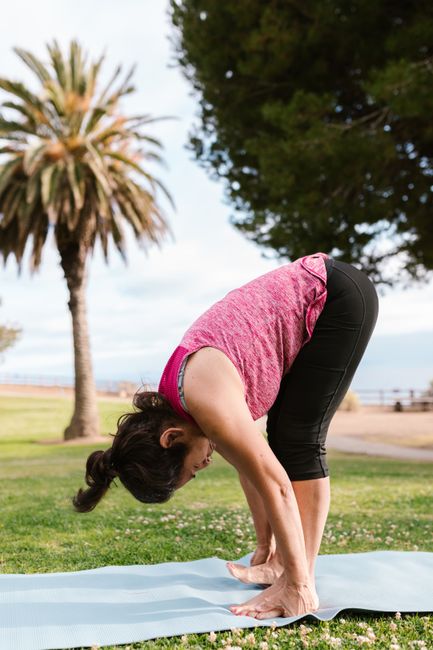
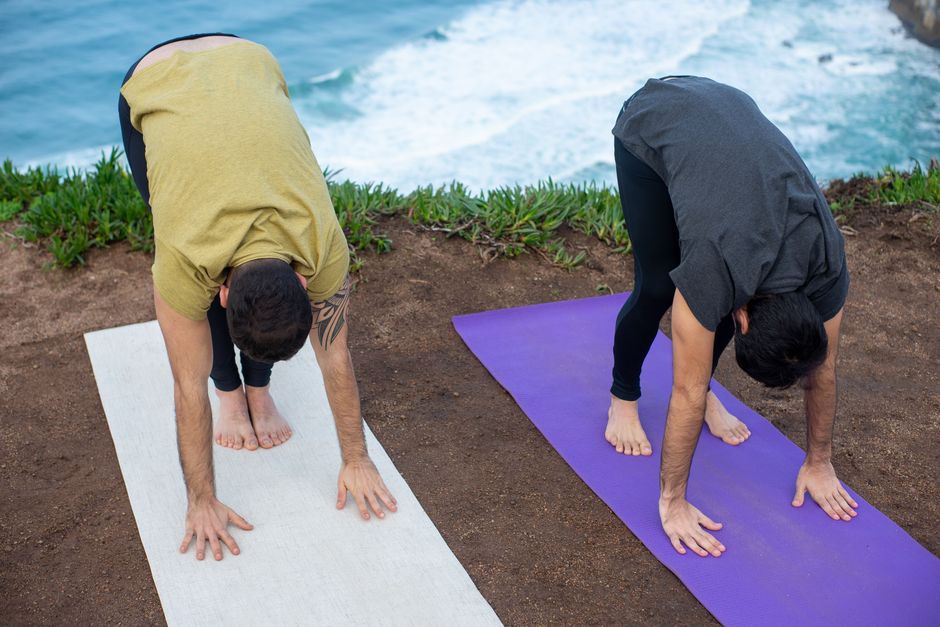
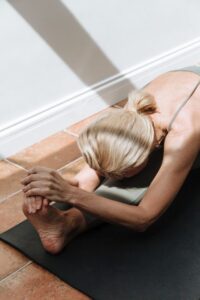
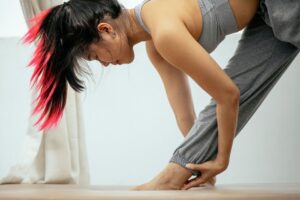
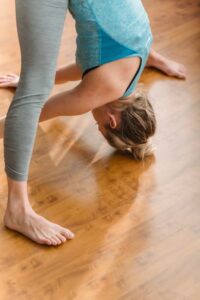
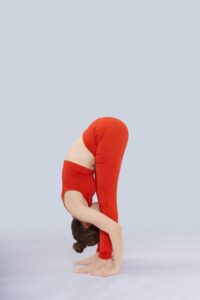
Standing Forward Fold (Uttanasana): fold from the hips, bend the knees
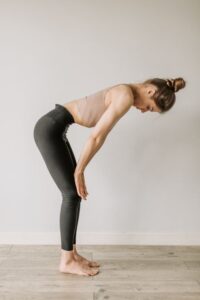
Standing forward fold (Uttanasana) hinges the trunk forward from the hips over the legs. Bend the knees so the fold comes from the hips; it is not about touching the toes.
By YogaVacation Editorial Team · Updated October 7, 2026 · Facts checked October 6, 2026
Not yet reviewed by a qualified teacher·Names and shape checked against 6 sources
Standing Forward Bend, Forward Fold, Pada Hastasana (Sivananda, Common Yoga Protocol), Padahastasana (Bihar sun salutation position 3), Hasta Padasana / Hastapadasana (Art of Living)
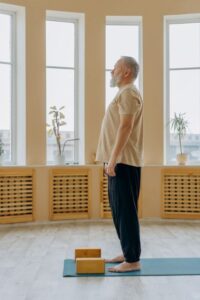
Hands on blocks outside the feet, lowering them over time (Yoga Journal). block
Hands on the seat of a chair for a half fold with the head above the heart. chair
Stand with the hips against a wall and fold forward for support. wall
Precautions
Lower back injury, hamstring tear, sciatica: avoid the full fold (Yoga Journal); use a supported half fold.
Glaucoma or detached retina: avoid head-down folds (Yoga Journal).
Dizziness or low blood pressure: come up slowly with bent knees.
Disc problems: do not take the head to the knees; learn the concave-back stage with guidance (Light on Yoga).
Learn it with a teacher: The bent-knee fold can be learned on your own. With back, disc or eye conditions, ask a teacher or doctor which version is safe.
General information, not medical advice. Poses do not cure illness. If you are pregnant, injured or have a health condition, check with your doctor and tell your teacher before you practise.
The shapes look alike, but yin yoga holds them for several minutes with the muscles soft and props for support, while the active version is held with muscular engagement for a few breaths. The instructions and the intention differ, so follow the page for the version you are practising.
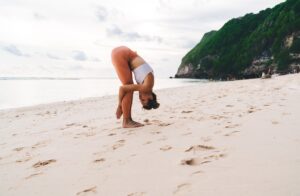
Standing Forward Fold around the world
Share your Standing Forward Fold, wherever you are
In short: standing forward fold is a forward bend from standing: feet together or hip-width apart, the trunk hinges forward from the hips and hangs over the legs, hands to the floor, blocks or shins. It stretches the whole back of the body, from the heels to the neck. It is not about touching your toes: bend the knees as much as you need so the fold comes from the hips, not the lower back.
Standing forward fold is part of nearly every sun salutation, so most people do it many times in a class, often in a hurry. Below we explain the name and the related names that cause confusion, how to fold well, the precautions and where it fits.
The name, and Padahastasana
The Sanskrit name is Uttānāsana. Light on Yoga explains ut as a particle of intensity and tan as to stretch or lengthen: the spine is given a deliberate, intense stretch. Yoga Journal translates it the same way. In the Ashtanga sun salutation, AshtangaYoga.info labels the full fold Uttanasana A and the half lift Uttanasana B (our half standing forward fold).
Several schools call a standing forward bend Pādahastāsana or Pada Hastasana, “hand to foot pose”. The Bihar School uses that name for position 3 of its 12-position sun salutation, with the hands on the floor beside or in front of the feet; India’s Common Yoga Protocol names its standing forward bend Pada-Hastasana and says it is also referred to as Uttanasana; the Sivananda centres call their standing forward bend Pada Hastasana. In Light on Yoga and Ashtanga, however, Padahastasana is a different pose with the hands slid under the feet: see hands under feet pose.
Making the fold work
The fold happens at the hip joints: the pelvis tilts forward and the spine follows. Tight hamstrings stop the pelvis from tilting, and then the lower back rounds to make up the distance. Yoga Journal’s suggestion is to place a block outside each foot, keep the hands on the thighs as you begin to fold, and bend the knees whenever you feel strain in the hamstrings, lower back or neck. Only straighten the legs as far as the back stays long and the chest open.
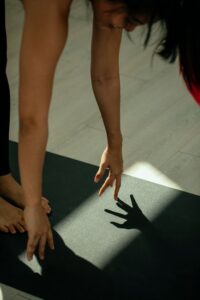
Once folded, let the head and neck hang heavy and keep the weight over the balls of the feet rather than the heels. Iyengar’s full version places the palms beside or behind the heels with straight legs and holds for about a minute; in a sun salutation it lasts one exhalation. To come up, bend the knees, put the hands on the hips and rise with a long back, slowly.
Precautions in plain words
Yoga Journal lists lower back injury, hamstring tear, sciatica, and glaucoma or detached retina as contraindications. With these, skip the full fold or use a half fold with the hands on a chair or high blocks and the head above the heart. If you get dizzy or have low blood pressure, come up slowly with bent knees. With a disc problem, Iyengar advises against taking the head toward the knees and suggests learning the concave-back stage with guidance.
Ut indicates intensity and tan means to stretch or lengthen: an intense stretch of the spine and back body.
Is it OK to bend my knees in a forward fold?
Yes. Bending the knees lets the fold come from the hips and protects the lower back. Straighten only as far as the back stays long.
Is Padahastasana the same as Uttanasana?
Depends on the school. Bihar, Sivananda and the Common Yoga Protocol use Padahastasana for a standing forward bend; Light on Yoga and Ashtanga use it for the version with the hands under the feet.