Twisted Roots (Yin Yoga): the crossed-leg reclining twist

Twisted roots is a yin reclining twist with the thighs crossed: knees bent, one thigh over the other, both lowered to one side and held for minutes. Setup, props and how it relates to the reclining spinal twist.

Not yet reviewed by a qualified teacher Names and shape checked against 4 sources

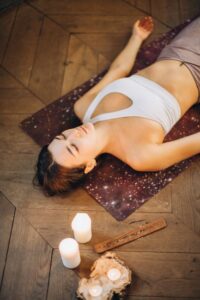
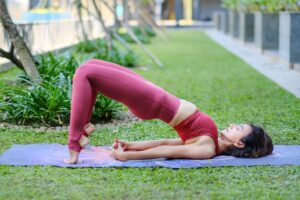
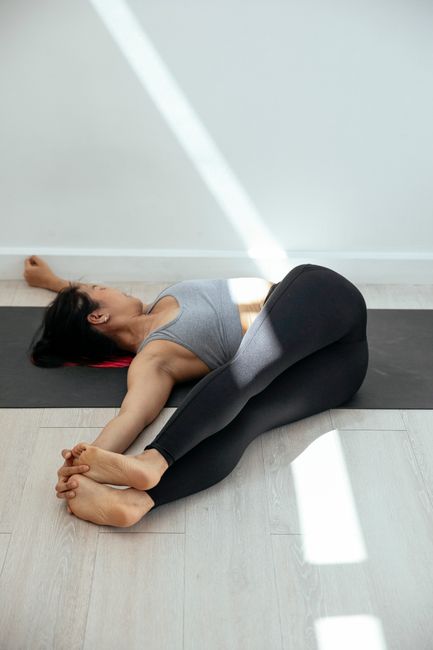
High angle of slim female in sportswear lying on mat and doing yoga in Supine Belly Twist pose at home
Sanskrit name
No established Sanskrit name: a modern descriptive name
Also called
Yin Twisted Roots, Twisted Root Pose, Cross-Legged Reclining Spinal Twist (Paul Grilley)
Record
Yin yoga pose
Pose family
Supine, Twist
Starting position
Reclining (on the back)
Movement
Twist
Taught in
What Is Yin Yoga? Long Holds, Slow Pace and a Typical Class
Difficulty
Beginner
Prerequisite skills
Lying on the back and crossing one thigh over the other comfortably.
Body areas
Hips, Shoulders, Spine
Props
Blanket, Bolster, Mat
Practised
Solo

Names in different traditions

TraditionName usedNote
Yoga Journal (12 Yin Yoga Poses)Twisted Root PoseKnees bent, right thigh over the left, hips shifted, thighs lowered to the side; 5 minutes.
Yoga Journal (5 Yin Yoga Poses for Tight Hips)Twisted RootsThighs crossed, knees lowered to one side, shoulders grounded; foot can wrap for a double twist.
Yin yoga (Paul Grilley, Yoga Journal)Cross-Legged Reclining Spinal Twist (yin variation of Jathara Parivartanasana)Right leg crossed over the left, both drawn to the left; 1 to 2 minutes.
Yin yoga (Bernie Clark, YinYoga.com)Twisted Roots (reclining twist alternative)Knees crossed as in eagle pose; reclining twists 3 to 5 minutes.

Step by step

Coming into the pose

  1. Lie on your back with the knees bent and the feet on the floor. Cross the right thigh over the left.
  2. Lift the hips and shift them a couple of inches to the right, so you end up centred after the twist.

In the pose

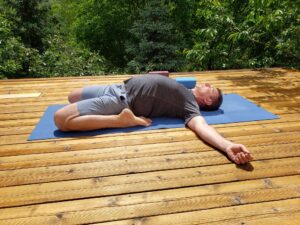
  1. Lower both knees to the left. Keep the shoulder blades on the floor and take the right arm out to the side, or keep the right hand on the hip.
  2. To deepen, wrap the right foot behind the left calf; to soften, uncross the legs. Stay 3 to 5 minutes.

Coming out

  1. Bring the knees back to the centre, uncross the legs and rest.
  2. Hug the knees in or rock them side to side, then repeat with the left thigh on top.

Breathing

Natural breathing; the twist may make the breath feel shallower on one side, which is normal.

Alignment cues

  • Shoulder blades rest on the floor; let the top shoulder float a little if it must.
  • Knees fall with gravity; no pushing them down.
  • Arm out at shoulder height or lower if the hands tingle.

Common alignment errors

  • Forcing the knees down with the hand.
  • Twisting the neck hard to look away.
  • Holding with the top shoulder lifted and tense.

Modifications and easier variations

  • Uncross the legs and simply lower both bent knees to one side. none

Advanced variations

  • Wrap the top foot around the bottom calf (eagle legs) for a second twist in the legs (Yoga Journal).

Props and chair adaptations

  • Bolster or blanket under the knees if they do not reach the floor. bolster
  • Blanket under the top shoulder if it floats. blanket
  • Chair alternative: sit sideways on a chair, cross the legs and turn gently toward the back of the chair, holding it. chair

Precautions

  • Shoulder problems or hand tingling: keep the arm lower or by the side (Bernie Clark).
  • Lower back or sacroiliac pain: smaller twist, knees supported.
  • Knee discomfort from the crossed legs: uncross them.
  • Pregnancy: twist from the upper back only, gently, or skip; after the first trimester avoid long holds lying on the back.

Learn it with a teacher: Safe to practise on your own.

General information, not medical advice. Poses do not cure illness. If you are pregnant, injured or have a health condition, check with your doctor and tell your teacher before you practise.

Yin and active versions

Related active (yang) pose: Reclining Spinal Twist: the restful supine twist

How the yin version differs: a reclining spinal twist in an active class is often held for a few breaths with the legs stacked. Twisted roots crosses the thighs (like eagle legs), lets the knees fall to the side with gravity and stays for several minutes with the muscles relaxed.

In short: twisted roots is a reclining twist with the thighs crossed. You lie on your back with the knees bent, cross one thigh over the other, let both knees fall to one side and rest there for a few minutes with the shoulders on the floor. The crossed legs add a stretch to the outer hip.

Below: how it relates to the reclining spinal twist, the setup, the hold and the cautions.

The name and the related asana

Twisted roots is an English yin name with no Sanskrit of its own. Paul Grilley describes the same shape in Yoga Journal as the cross-legged reclining spinal twist, a yin variation of Jaṭhara Parivartanāsana, and Bernie Clark mentions it as a reclining twist with the knees crossed as in eagle pose (Garuḍāsana). The yin difference from an ordinary reclining twist: the legs are crossed, gravity does the work, and you stay for minutes.

Setting up

Lie on the back with the knees bent and the feet flat. Cross the right thigh over the left, then lift the hips and shift them a couple of inches to the right, as Yoga Journal’s 12-pose sequence suggests, so that you are centred once you twist. Lower the knees to the left; Grilley draws the crossed legs halfway up toward the chest first and notes that the height of the knees changes where you feel the twist. If the knees do not reach the floor, rest them on a bolster; if the top shoulder floats, slide a blanket under it.

Clark explains the knee height in simple terms: knees drawn higher toward the chest move the twist up into the upper back, and knees lower move it toward the lower back and sacrum. Try a few heights for a breath or two, then choose one and settle. Yoga Journal’s hip sequence adds two more props: a block or cushion under the top knee if it floats high off the mat, and a cushion or bolster between the knees to soften the twist and protect the lower back. Try to stack the top hip over the bottom hip while both shoulders stay on the floor.

The long hold

Keep the shoulder blades heavy and take the top arm out to the side, or rest that hand on the hip and reach the arm out gradually. Yoga Journal’s sequence holds for five minutes; Clark gives three to five minutes for reclining twists; Grilley one to two. For more, wrap the top foot behind the bottom calf; for less, uncross the legs.

Clark’s advice for reclining twists is not to push into the twist: relax and let gravity do the work. Grilley allows the bottom hand to draw the knees gently toward the floor, but in a long hold most people do better leaving the legs to sink on their own. You can turn the head away from the knees to add to the twist, as Yoga Journal’s hip sequence suggests, or keep the gaze up at the ceiling if turning bothers your neck. Clark suggests experimenting with the head to either side and noticing how the feeling changes. Keep the breath slow; many people find a long twist near the end of class calming.

Coming out and the rebound

Bring the knees back to the centre, uncross the legs and lie still. Clark suggests hugging the knees in, or windshield-wiper knees with the feet wide, before the second side. To come out, roll slowly onto your back first, then hug the knees to the chest; Clark says this helps release the sacrum and lower back. You can also rock gently from side to side with the knees hugged in. After the second side, Yoga Journal’s hip sequence hugs the knees to the chest once more before resting in corpse pose.

Precautions in plain words

With shoulder problems or tingling hands, keep the arm lower. Clark is firm about tingling: do not put up with it, because it could be a sign that a nerve is being pressed. Move the arm closer to the body or rest the hand on the ribs until the feeling goes. He also notes that when the knees are drawn up to 90 degrees or closer to the chest, more of the stress falls on the lower back and sacroiliac joints, so keep the knees lower if that area is sensitive. With lower back or sacroiliac pain, keep the twist small and the knees supported. If crossing the legs bothers a knee, uncross them. In pregnancy, twist gently from the upper body or skip it, and keep lying on the back short after the first trimester. This page is general information, not individual advice.

Before, after and where it is taught

It often follows banana near the end of a yin class and comes before corpse pose. Clark calls a reclining twist an excellent final pose, and you can slide straight from it into corpse pose. Because the crossed thighs turn the hips inward, he also recommends twisted roots after a lot of outward-rotating hip work, such as shoelace, swan or square. The active relatives are the reclining spinal twist and revolved abdomen pose. You will meet it in yin yoga classes, which hold mostly floor poses for several minutes with the muscles relaxed, and in some gentle and restorative classes.
Preparatory poses

Follow-up poses and transitions

Counterposes

Related poses

More supine poses

Frequently asked questions

What is the difference between twisted roots and a reclining spinal twist?

Twisted roots crosses the thighs, like eagle legs, before the knees drop to the side; a plain reclining twist keeps the knees stacked. Both are held for minutes in yin.

How long should I hold twisted roots?

About 3 to 5 minutes per side in yin classes (Yoga Journal suggests 5); Paul Grilley holds his cross-legged twist for 1 to 2 minutes.

Sources

  1. 12 Yin Yoga Poses to Help You Feel Recharged, Yoga Journal (accessed October 6, 2026)
  2. 5 Yin Yoga Poses to Help Unlock Tight Hips, Yoga Journal (accessed October 6, 2026)
  3. Yin Yoga Asanas (Paul Grilley), Yoga Journal (accessed October 6, 2026)
  4. Reclining Twist, YinYoga.com (Bernie Clark) (accessed October 6, 2026)

Facts checked on October 6, 2026