

Ashtanga Intermediate Series (Nadi Shodhana): the posture order

The Ashtanga Intermediate Series (Nadi Shodhana) in lineage order, from Pasasana to the headstand variations, with sides, source differences and why every posture needs a teacher.

Not yet reviewed by a qualified teacher Names and order checked against 5 sources

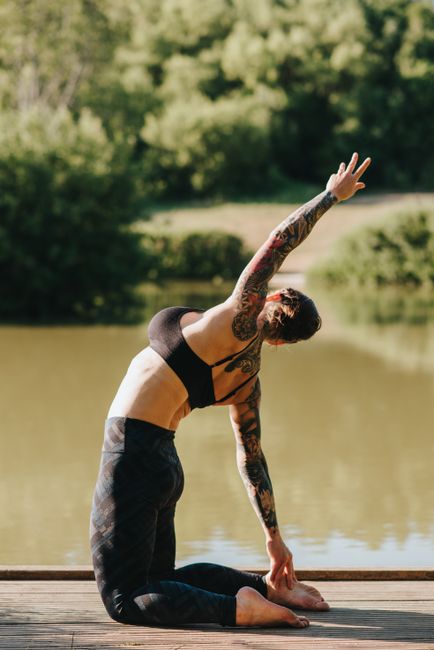
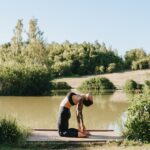
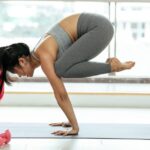
Side view of anonymous barefoot female in sportswear standing on knees while stretching back on pier against pond
Sanskrit name
Nāḍī Śodhana
Also called
Second Series, Nadi Shodhana (series name), Nadi Sodhana
Part of
Ashtanga Vinyasa Series: how the practice is organised
Tradition
Ashtanga vinyasa (K. Pattabhi Jois lineage)
Order
Fixed, traditional order
Level
Advanced
Approximate duration
about 90 minutes
Focus
Style-specific
Audience
Experienced
Props
Mat
Body areas
Arms and wrists, Core, Hips, Shoulders, Spine

Fixed order: the tradition named here practises these steps in this order.

Printable view

Origin and source

Second series of the Ashtanga system taught by K. Pattabhi Jois. Order per the AshtangaYoga.info 2nd Series sheet (Steiner, 2015).

Who it is for

Established Primary Series practice; postures given one at a time by an experienced Ashtanga teacher.

The steps in order

Version shown: AshtangaYoga.info Nadi Sodhana 2nd Series sheet (Dr. Ronald Steiner, 2015); same order as Maehle, Ashtanga Yoga: The Intermediate Series (2009)

#StepBreathSideHoldCues and options
1Pasasana
Pāśāsana
Free breathingEach side5 breaths
AshtangaYoga.info 2nd Series sheet

Transition: Squat, twist and bind around the knees.

Easier option: Heels on a blanket; strap.

Teacher only.

2Krounchasana
Krauñcāsana
Free breathingEach side5 breaths
AshtangaYoga.info 2nd Series sheet

Transition: One leg folded back, the other lifted and held.

Easier option: Strap; bent lifted leg.

Teacher only.

3Salabhasana A, B
Śalabhāsana
Free breathing5 breaths each
AshtangaYoga.info 2nd Series sheet

Transition: Prone; arms back (A), then hands under the shoulders (B).

Easier option: Half locust.

4Bhekasana
Bhekāsana
Free breathing5 breaths
AshtangaYoga.info 2nd Series sheet

Transition: Prone, hands press the feet beside the hips, chest lifts.

Easier option: One side at a time.

Teacher only.

5Dhanurasana
Dhanurāsana
Free breathing5 breaths
AshtangaYoga.info 2nd Series sheet

Transition: Hold the ankles and lift.

Easier option: Strap.

6Parsva Dhanurasana
Dhanurāsana
Free breathingEach side5 breaths each side
AshtangaYoga.info 2nd Series sheet

Transition: Roll onto each side holding the bow.

Easier option: Skip.

7Ustrasana
Uṣṭrāsana
Free breathing5 breaths
AshtangaYoga.info 2nd Series sheet

Transition: Kneel, hands to the heels.

Easier option: Hands on the back.

8Laghu Vajrasana
Laghu Vajrāsana
Free breathing5 breaths
AshtangaYoga.info 2nd Series sheet

Transition: Hands on the ankles, lower the crown to the floor and come up.

Easier option: Skip.

Teacher only.

9Kapotasana A, B
Kapotāsana
Free breathing5 breaths each
AshtangaYoga.info 2nd Series sheet

Transition: Kneeling backbend, hands to the heels (A) or holding the heels with the forearms down (B).

Easier option: Skip.

Deep backbend: teacher only.

10Supta VajrasanaSupta Vajrasana
Supta Vajrāsana
Free breathing5 breaths
AshtangaYoga.info 2nd Series sheet

Transition: Bound lotus, lean back to the crown with assistance.

Easier option: Skip.

Lotus backbend, traditionally assisted: teacher only.

11Bakasana A, B
Bakāsana
Free breathing5 breaths each
AshtangaYoga.info 2nd Series sheet

Transition: Step (A) or jump (B) into the arm balance.

Easier option: Block under the feet.

12Bharadvajasana
Bharadvājāsana
Free breathingEach side5 breaths
AshtangaYoga.info 2nd Series sheet

Transition: Seated twist with one foot in half lotus.

Easier option: No half lotus.

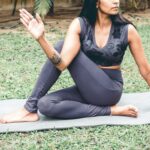
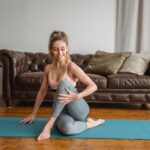
13Ardha Matsyendrasana
Ardha Matsyendrāsana
Free breathingEach side5 breaths
AshtangaYoga.info 2nd Series sheet

Transition: Seated twist.

Easier option: Bottom leg straight.

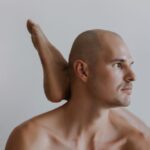
14Eka Pada Sirsasana
Eka Pāda Śīrṣāsana
Free breathingEach side5 breaths
AshtangaYoga.info 2nd Series sheet

Transition: One leg behind the head.

Easier option: Cradle the leg.

Teacher only.

15Dwi Pada Sirsasana
Dvi Pāda Śīrṣāsana
Free breathing5 breaths
AshtangaYoga.info 2nd Series sheet

Transition: Both legs behind the head.

Easier option: Skip.

Teacher only.

16Yoganidrasana
Yoganidrāsana
Free breathing5 breaths
AshtangaYoga.info 2nd Series sheet

Transition: Lying, both legs behind the head, hands bound.

Easier option: Happy baby.

Teacher only. Not the guided practice Yoga Nidra.

17Tittibhasana A, B, C
Ṭiṭṭibhāsana
Free breathing5 breaths each
AshtangaYoga.info 2nd Series sheet

Transition: Arm balance with legs straight (A), folded forward (B, C).

Easier option: Skip.

Some lists add D (walking).

18Pincha Mayurasana
Piñcha Mayūrāsana
Free breathing5 breaths
AshtangaYoga.info 2nd Series sheet

Transition: Forearm balance.

Easier option: Dolphin; at a wall.

Inversion: teacher.

19KarandavasanaFree breathing5 breaths
AshtangaYoga.info 2nd Series sheet

Transition: From forearm balance, lotus legs lower to the upper arms and lift back up.

Easier option: Skip.

No pose record yet. Teacher only.

20Mayurasana
Mayūrāsana
Free breathing5 breaths
AshtangaYoga.info 2nd Series sheet

Transition: Hands under the belly, body horizontal.

Easier option: Feet on the floor.

21NakrasanaFree breathinghops as taught
AshtangaYoga.info 2nd Series sheet

Transition: Low plank (crocodile), hopping forward and back.

Easier option: Hold chaturanga.

No pose record yet.

22VatayanasanaFree breathingEach side5 breaths
AshtangaYoga.info 2nd Series sheet

Transition: Half lotus with the knee on the floor, standing leg bent, arms bound in eagle.

Easier option: Skip.

No pose record yet. Lotus: teacher.

23Parighasana (Ashtanga version)Free breathingEach side5 breaths
AshtangaYoga.info 2nd Series sheet

Transition: Seated, one leg folded back, side bend over the straight leg.

Easier option: Smaller side bend.

Differs from the kneeling gate pose of Light on Yoga; no record yet.

24Gomukhasana A, B
Gomukhāsana
Free breathingEach side5 breaths each
AshtangaYoga.info 2nd Series sheet

Transition: Knees stacked; arms bound behind (B).

Easier option: Strap; sit on a block.

25Supta Urdhva Pada VajrasanaFree breathingEach side5 breaths
AshtangaYoga.info 2nd Series sheet

Transition: From lying with one leg in half lotus, rock up into a twist.

Easier option: Skip.

No pose record yet. Teacher.

26Mukta Hasta Sirsasana A, B, C
Sālamba Śīrṣāsana
Free breathing5 breaths each
AshtangaYoga.info 2nd Series sheet

Transition: Headstand variations with free hands.

Easier option: Skip.

Inversion: teacher only.

27Baddha Hasta Sirsasana A, B, C, D
Sālamba Śīrṣāsana
Free breathing5 breaths each
AshtangaYoga.info 2nd Series sheet

Transition: Headstand variations with bound hands.

Easier option: Skip.

Inversion: teacher only.

28Urdhva Dhanurasana and Paschimottanasana
Ūrdhva Dhanurāsana
Free breathing5 breaths, repeated
AshtangaYoga.info 2nd Series sheet

Transition: As at the end of Primary.

Easier option: Bridge.

29Finishing sequence sequenceFree breathingper the finishing sequence
AshtangaYoga.info finishing sheet

Transition: Vinyasa or backward roll to the shoulderstand.

Left and right

Asymmetric postures: right side first, then left.

Repetitions and counting

Each posture once per side; added to the end of Primary before Urdhva Dhanurasana until it replaces Primary on most days.

Props and adaptations

Learned posture by posture with a teacher; skip or replace any posture the teacher has not given; straps and blocks for binds and balances.

Precautions

  • Every posture is advanced; learn only with an experienced Ashtanga teacher.
  • Kapotasana, Laghu Vajrasana, Supta Vajrasana: deep backbends; risk to spine and neck.
  • Eka Pada and Dwi Pada Sirsasana, Yoganidrasana: legs behind the head; risk to hips, knees and spine.
  • Headstand variations and Karandavasana: inversions; not with neck injury, high blood pressure, glaucoma or in pregnancy.

Learn it with a teacher: Taught one posture at a time in a Mysore-style class once Primary is established; never learn this series from a page.

General information, not medical advice. Poses do not cure illness. If you are pregnant, injured or have a health condition, check with your doctor and tell your teacher before you practise.

Beginner and chair alternatives

Ashtanga Primary Series (Yoga Chikitsa): the full posture order

The Ashtanga Intermediate Series, or Second Series, is called Nadi Shodhana, “cleansing of the channels”. It follows the Primary Series in the Ashtanga vinyasa system of K. Pattabhi Jois and is built around deep backbends (Kapotasana), legs-behind-the-head postures, arm balances, forearm and head balances. This page lists its order as given on the AshtangaYoga.info practice sheet (Dr. Ronald Steiner), which matches the posture-by-posture contents of Gregor Maehle’s book Ashtanga Yoga: The Intermediate Series (twenty-seven postures, Pasasana to Baddha Hasta Sirsasana). It is meant as a reference for practitioners who are already learning the series with a teacher.

Not the breathing practice of the same name

Nadi Shodhana is also the name of an alternate-nostril breathing practice. The series and the breathing exercise share the idea of purifying the energy channels (nadis) but are entirely different practices. When someone says “I practise Nadi Shodhana” in an Ashtanga shala, they usually mean the Second Series.

How it is learned

According to the AshtangaYoga.info sheet, Second Series postures are added one by one to the end of the Primary Series, just before the closing backbend, under the guidance of an experienced teacher; over time the Second Series replaces Primary on most practice days (traditionally Sunday to Thursday, with Primary on Friday). Students are generally given Intermediate only after Primary is well established, which often takes years.

The shape of the series

The twenty-seven postures are easier to understand in groups. Gregor Maehle’s introduction to the series sorts them roughly like this:

  • Opening: Pasasana (noose) and Krounchasana (heron), a deep twisting squat and a seated forward bend with one leg lifted.
  • Eight backbends: from Salabhasana (locust) through Bhekasana, Dhanurasana, Parsva Dhanurasana, Ustrasana, Laghu Vajrasana and Kapotasana to Supta Vajrasana. This block is the heart of the series and the part that asks the most of the spine.
  • Bakasana and two twists: the arm balance Bakasana, then the seated twists Bharadvajasana and Ardha Matsyendrasana.
  • Three leg-behind-head postures: Eka Pada Sirsasana, Dwi Pada Sirsasana and Yoganidrasana, followed by Tittibhasana.
  • Four arm balances: Pincha Mayurasana (forearm stand), Karandavasana, Mayurasana (peacock) and Nakrasana.
  • Wind-down: Vatayanasana, Parighasana, Gomukhasana and Supta Urdhva Pada Vajrasana, then the headstand variations, Mukta Hasta and Baddha Hasta Sirsasana.

Seen this way, the series moves from a strong backbending section, through twists and leg-behind-head work, to strength and balance on the arms, and ends with quieter postures, the headstand variations and the finishing sequence.

A practice week

The AshtangaYoga.info sheet describes Second Series practice from Sunday to Thursday, leaving out the new- and full-moon days that many Ashtanga students take off (see our moon-day calendar). While the series is being learned, the new postures sit at the end of Primary, so for a long time the daily practice is Primary plus a growing tail of Second Series postures. Over time, as the sheet describes, Second Series gradually replaces Primary on five days a week.

How the counting and sides work

As in Primary, most postures are held for five breaths with ujjayi breathing and a set gaze point, asymmetric postures are done right then left, and a vinyasa links postures. Some postures follow their own rhythm: Bharadvajasana and Ardha Matsyendrasana are twists on each side; Mukta Hasta and Baddha Hasta Sirsasana are a group of seven headstand variations near the end. After the series, the practice continues with Urdhva Dhanurasana and the finishing sequence.

Differences between sources

The order of the twenty-seven postures is the same on the AshtangaYoga.info sheet and in Maehle’s book, but lettered variations differ between lists: AshtangaYoga.info and Maehle describe Tittibhasana A, B and C, while some other lists add a D; Eka Pada Sirsasana appears with or without A and B; Gomukhasana is given as A and B (some lists add C). Maehle notes that many of these postures have A, B, C or even D versions. Follow your teacher’s version.

Precautions

Every posture in this series is advanced. Kapotasana and the other deep backbends, the legs-behind-the-head postures (Eka Pada and Dwi Pada Sirsasana, Yoganidrasana), Karandavasana and the headstand variations carry real risk to the spine, neck, knees and hips. Learn them only with an experienced Ashtanga teacher, and not at all with neck or back injuries, high blood pressure, glaucoma or during pregnancy unless your doctor and teacher agree. This page has not yet been reviewed by a qualified teacher.

Not ready for this series? Stay with the Primary Series, or see the Ashtanga overview.

Frequently asked questions

Is the Nadi Shodhana series the same as Nadi Shodhana breathing?

No. It is the Ashtanga Second Series of postures; Nadi Shodhana is also the name of an alternate-nostril breathing practice.

When do students start the Intermediate Series?

When a teacher judges that Primary is well established. Postures are then added one by one to the end of Primary.

Sources

  1. Nadi Sodhana, 2nd Series: practice sheet, AshtangaYoga.info (Dr. Ronald Steiner), 2015 (accessed October 6, 2026)
  2. Nadi Shodhana: the intermediate series of Ashtanga Yoga, AshtangaYoga.info (accessed October 6, 2026)
  3. The Ashtanga Yoga Intermediate Series (posture list), Himalayan Yoga Nepal (accessed October 6, 2026)
  4. Intermediate Series of Ashtanga Yoga: Nadi Shodhana, Source of Yoga (Caroline Klebl) (accessed October 6, 2026)
  5. Ashtanga Yoga: The Intermediate Series. Mythology, Anatomy, and Practice (contents pages ix-x and introduction p. xix: the 27 postures in order), Gregor Maehle, New World Library, 2009 (accessed October 6, 2026)

Facts checked on October 6, 2026