Camel Pose (Ustrasana): steps, safe cues and half camel

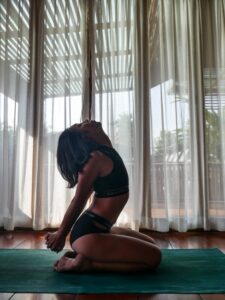
Camel pose (Ustrasana) is a kneeling backbend with the hands on the heels and the hips over the knees. Lift the chest first; half camel keeps the hands on the pelvis.

Not yet reviewed by a qualified teacher Names and shape checked against 4 sources

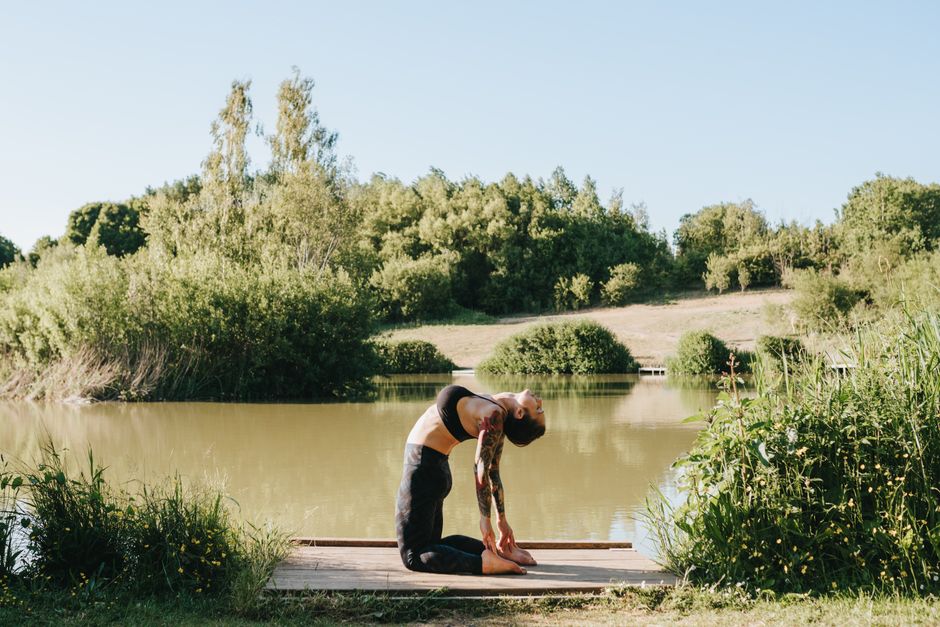
Side view of young barefoot tattooed lady showing Ustrasana pose while practicing yoga on pier near river and bushes
Sanskrit name
Uṣṭrāsana उष्ट्रासन (source)
Also called
Half Camel, One-Handed Camel, Ardha Ustrasana (descriptive)
Other spellings
Ustrasana, Ushtrasana
Pose family
Backbend, Kneeling
Starting position
Kneeling
Movement
Backbend
Taught in
Hot Yoga: What It Is, Room Temperatures and Who It Suits, Hatha Yoga: The Historical Term and the Modern Class, Vinyasa Yoga: Flow, Breath and What to Expect, What Is Yin Yoga? Long Holds, Slow Pace and a Typical Class
Difficulty
Intermediate
Prerequisite skills
Comfortable kneeling; warmed up with gentler backbends (cobra, bridge, locust).
Body areas
Chest, Hips, Legs, Neck, Shoulders, Spine
Props
Blanket, Block, Chair, Mat
Practised
Solo

Names in different traditions

TraditionName usedNote
Iyengar (Light on Yoga)UṣṭrāsanaAsana 16, Plates 40-41: kneel with thighs and feet together, palms on the heels or soles, thighs perpendicular, about half a minute, normal breathing.
Bihar School (Asana Pranayama Mudra Bandha)Ushtrasana (camel pose)From vajrasana; normal breathing; follow with a forward bend such as shashankasana; variation with the toes tucked under.
Ashtanga vinyasa (intermediate series)UṣṭrāsanaAfter Pārśva Dhanurāsana and before Laghu Vajrāsana; 5 breaths (AshtangaYoga.info practice sheet).

Step by step

Coming into the pose

  1. Kneel with the knees hip-width apart (or together), thighs vertical, tops of the feet on the floor or toes tucked under.
  2. Place the hands on the back of the pelvis. Inhale, lengthen the tailbone down, draw the lower belly in and lift the breastbone.

In the pose

  1. Exhale and curve back from the upper back, reaching one hand and then the other to the heels (or soles).
  2. Press the hips forward so the thighs stay vertical; keep lifting the chest. Let the head extend back only if the neck is comfortable.
  3. Breathe normally for about 30 seconds (Ashtanga: 5 breaths).

Coming out

  1. Bring the chin toward the chest, return the hands to the hips one at a time and rise with the belly engaged, chest leading. Sit back on the heels or rest in child's pose.

Breathing

Inhale to lift the chest before bending back, exhale as you reach for the heels, then breathe normally. The Bihar School advises against deep breathing in the final pose because the chest is already stretched.

Alignment cues

  • Hips over the knees; thighs vertical.
  • Lift the chest before you bend back.
  • Tailbone long; lower belly gently drawn in.
  • Back of the neck long; head follows the upper back.
  • Knees no wider than the hips.

Common alignment errors

  • Hips sinking back over the heels.
  • Bending only at the lower back.
  • Dropping the head back hard and compressing the neck.
  • Knees splaying wide.
  • Coming up head first.

Modifications and easier variations

  • Half camel: hands stay on the back of the pelvis while the chest lifts. none
  • Toes tucked under so the heels are higher. none

Advanced variations

Props and chair adaptations

  • Blocks beside the ankles as a higher place for the hands; a blanket under the knees. block
  • Sit on a chair with a blanket over the backrest, hold the back legs or frame and lift the chest into a gentle arch. chair

Precautions

  • Neck injury or stroke risk: do not drop the head back; keep the chin slightly lifted (Yoga Journal).
  • Back, shoulder or spinal injury: avoid or modify; severe back conditions only with a teacher (Bihar School).
  • Knee pain: pad the knees or use half camel with a blanket.
  • Dizziness: come up slowly and rest.

Learn it with a teacher: Learn the full pose with a teacher if you have any back or neck history, and before moving on to deeper kneeling backbends.

General information, not medical advice. Poses do not cure illness. If you are pregnant, injured or have a health condition, check with your doctor and tell your teacher before you practise.

In short: camel pose is a kneeling backbend: you stand on the knees with the thighs upright, lift the chest and curve back until the hands rest on the heels. It opens the whole front of the body, from the thighs and hip flexors to the chest and throat. Lift and lengthen before you bend, keep the hips over the knees, and stop at the hands-on-hips stage if the lower back or neck complains.

Camel is many people’s first deep backbend, and it can feel intense, physically and emotionally. Below we explain the name, the cues that keep the bend out of the lower back and neck, the precautions, the half camel stage and where it is taught.

The name

The Sanskrit name is Uṣṭrāsana, from uṣṭra, camel; it is also spelled Ushtrasana. Light on Yoga, the Bihar School, Ashtanga and Yoga Journal all teach it with the same basic shape: kneeling, thighs vertical, hands to the heels or soles. In the 26-posture hot yoga sequence it is also called camel.

How to make camel work

Start tall. Kneel with the knees hip-width apart (Iyengar keeps them together; either is fine), place the hands on the hips and lift the chest before going back. Yoga Journal’s advice is not to “flop” into the pose: draw the lower belly in, lengthen the tailbone down and lift the breastbone, so the bend spreads through the upper back. Then reach for the heels one hand at a time. Keep pressing the hips forward so the thighs stay vertical; if the hips drift back over the heels, the pose becomes a collapse into the lower back.

Let the head go back only if the neck is comfortable, and keep length in the back of the neck. The Bihar School advises normal breathing rather than deep breathing, because the chest is already stretched. Hold for about half a minute (Light on Yoga) or 30 to 60 seconds (Yoga Journal); Ashtanga takes five breaths. To come out, bring the chin toward the chest, put the hands on the hips and rise with the belly engaged, leading with the chest.

Half camel: the preparation stage

Half camel is the stage most people practise for a while. Keep the hands on the back of the pelvis, fingers pointing down, and lift the chest into a gentle backbend with the hips pressing forward and the chin slightly tucked; Yoga Journal recommends this if you feel compression in the lower back. A second half version reaches one hand to the same-side heel while the other arm reaches up or stays on the hip, then switches sides. Tucking the toes under raises the heels, which makes them easier to reach (the Bihar School lists this as its first variation). These are teaching stages of camel; “half camel” and “Ardha Uṣṭrāsana” are descriptive names rather than separate classical postures.

Precautions in plain words

Camel is a deep backbend. Warm up first, and skip or modify it with back, shoulder or spinal injuries. With a neck injury or a risk of stroke, Yoga Journal advises not dropping the head back; keep the chin slightly lifted and the neck engaged instead. The Bihar School asks people with severe back conditions such as lumbago to learn it with a teacher. Pad the knees with a blanket, and come up slowly if you feel dizzy. Follow it with a gentle forward bend such as child’s pose.

Preparation and what comes next

Warm up with cobra, upward-facing dog, locust, bridge and upward plank, and stretch the hip flexors in a low lunge. After camel, the Bihar School suggests a forward bend; child’s pose is the simplest. In Ashtanga, camel leads to little thunderbolt and Kapotasana.

Where it is taught

Camel is in Light on Yoga (Iyengar), the Bihar School system, the Ashtanga intermediate series, the 26-posture hot yoga sequence and most hatha and vinyasa classes.
Preparatory poses

Follow-up poses and transitions

Counterposes

Related poses

Styles that use this pose

More backbend poses

Frequently asked questions

Why does camel pose make me dizzy?

The head goes back and the breath changes in a deep backbend. Come up slowly with the chin toward the chest, rest in child's pose, and keep the head more upright next time.

What if I cannot reach my heels?

Tuck the toes under, put blocks beside the ankles, or stay in half camel with the hands on the back of the pelvis.

How long should I hold camel?

Light on Yoga suggests about half a minute and Yoga Journal 30 to 60 seconds; Ashtanga holds it for five breaths.

Sources

  1. B.K.S. Iyengar, Light on Yoga: asana 16, Ustrasana, Plates 40-41, Internet Archive (Digital Library of India copy) (accessed October 6, 2026)
  2. Camel Pose: How to Practice Ustrasana, Yoga Journal (accessed October 6, 2026)
  3. Swami Satyananda Saraswati, Asana Pranayama Mudra Bandha: Ushtrasana, Bihar School of Yoga (copy hosted by hathajoga.lt) (accessed October 6, 2026)
  4. Nāḍi Śodhana 2nd Series practice sheet, AshtangaYoga.info (Dr. Ronald Steiner) (accessed October 6, 2026)

Facts checked on October 6, 2026