Cobra Pose (Bhujangasana): steps, cues and the low cobra variation

Cobra pose (Bhujangasana) lifts the head and chest from a belly-down position while the pelvis stays on the floor. It strengthens the back; lift only as high as feels comfortable, or use the smaller low cobra.

Not yet reviewed by a qualified teacher Names and shape checked against 5 sources

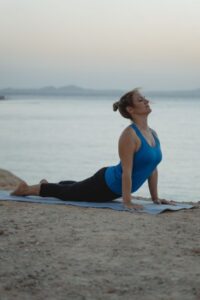
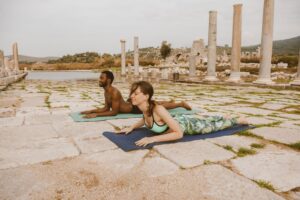
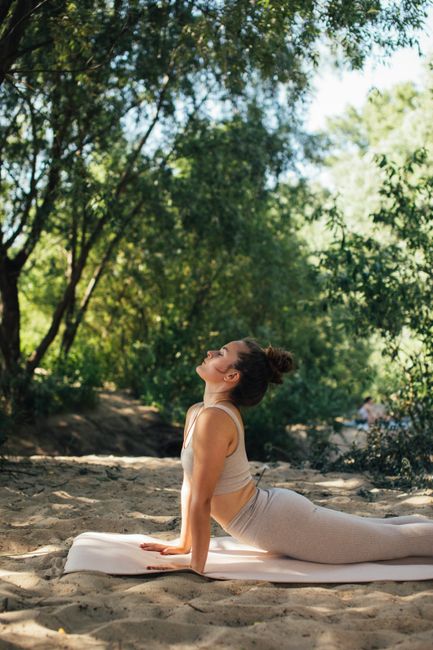
A woman practicing yoga in the cobra pose on a sunny day in a serene outdoor setting.
Sanskrit name
Bhujaṅgāsana भुजङ्गासन (source)
Also called
Serpent Pose, Low Cobra, Baby Cobra
Other spellings
Bhujangasana, Bhujangasana I
Pose family
Backbend, Prone
Starting position
Prone (on the belly)
Movement
Backbend
Taught in
Hatha Yoga: The Historical Term and the Modern Class, Vinyasa Yoga: Flow, Breath and What to Expect, Hot Yoga: What It Is, Room Temperatures and Who It Suits
Difficulty
Beginner
Prerequisite skills
Lying on the belly comfortably and bearing a little weight on the hands.
Body areas
Chest, Core, Shoulders, Spine
Props
Blanket, Chair, Mat, None, Wall
Practised
Solo

Names in different traditions

TraditionName usedNote
Iyengar (Light on Yoga)Bhujaṅgāsana IAsana 31, Plate 73: palms by the pelvis, trunk lifted until the pubis touches the floor, about 20 seconds, repeated two or three times. Bhujangasana II (asana 189) is a different, advanced pose.
Sivananda Yoga Vedanta CentresBhujangasana (Cobra)First backbend of the 12 basic asanas; hands under the shoulders, roll up vertebra by vertebra, hold 10 to 60 seconds.
Bihar School (Asana Pranayama Mudra Bandha)Bhujangasana (cobra pose)Navel lifted at most about 3 cm, pubic bone on the floor; position 7 of the 12-position surya namaskara.

Step by step

Coming into the pose

  1. Lie on the belly with the legs straight, feet together or hip-width apart, tops of the feet on the floor.
  2. Place the palms beside the chest or under the shoulders, fingers forward, elbows bent and close to the body. Rest the forehead on the floor.

In the pose

  1. Inhale and slowly raise the head, then the neck, shoulders and chest, lifting mainly with the back muscles.
  2. Press the hands lightly and straighten the arms only as far as the back is comfortable, keeping the pubic bone on the floor and a slight bend in the elbows if needed.
  3. Keep the legs active, shoulders away from the ears and the breastbone lifting. Breathe evenly for about 20 seconds (10 to 60 in the Sivananda method).

Coming out

  1. Exhale and lower the chest, shoulders and forehead to the floor. Rest with the head turned to one side; repeat two or three times if you like.

Breathing

Inhale as you lift, breathe evenly in the pose, exhale as you lower. The Bihar School also allows a short breath retention when the pose is held only briefly; beginners can simply breathe normally.

Alignment cues

  • Pubic bone stays on the floor.
  • Legs long and active; tops of the feet pressing down.
  • Elbows close to the ribs; shoulders back and down.
  • Lift the breastbone, not the chin; neck long.
  • Height comes from the back; arms only help.

Common alignment errors

  • Pushing up with the arms until the lower back pinches.
  • Shoulders lifting toward the ears.
  • Throwing the head back and compressing the neck.
  • Clenching the buttocks hard.
  • Hips lifting off the floor (that is upward-facing dog, not cobra).

Modifications and easier variations

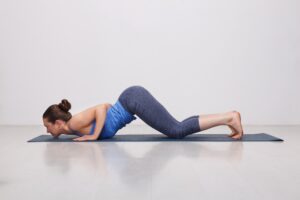
  • Low cobra: lift only a few inches with the hands light or hovering. none
  • Sphinx: forearms on the floor with the elbows under the shoulders. none

Advanced variations

Props and chair adaptations

  • A folded blanket under the hips eases pressure on the lower back and hip bones. blanket
  • Standing cobra: hands on a wall at chest height, hips toward the wall, chest lifting into a gentle backbend. wall
  • Seated in a chair, hands on the thighs or chair seat, lift the chest forward and up into a gentle backbend. chair

Precautions

  • Lower back pain or pinching: stay lower or use sphinx; with a back injury ask a teacher or physiotherapist first.
  • Neck problems: keep the gaze forward or down instead of taking the head back.
  • Peptic ulcer, hernia or hyperthyroidism: practise only with a competent teacher (Bihar School).
  • Pregnancy: belly-down poses are usually avoided; use a standing wall version and ask your midwife or doctor.
  • Wrist pain: use forearms (sphinx) instead.

Learn it with a teacher: Most people can learn cobra on their own. Ask a teacher to watch you if the lower back aches afterwards, or if you are returning from a back injury.

General information, not medical advice. Poses do not cure illness. If you are pregnant, injured or have a health condition, check with your doctor and tell your teacher before you practise.

In short: cobra pose is a gentle-to-moderate backbend done lying on the belly: the legs stay on the floor, the hands press beside the chest and the head and chest lift and curve back like a cobra raising its hood. It strengthens the back muscles and opens the front of the body. Lift only as high as you can without a pinch in the lower back; the smaller “low cobra” is often the better choice.

Cobra is one of the first backbends most people learn. It sits in the Sivananda twelve basic asanas, in the 12-position sun salutation and in many flowing classes as a softer alternative to upward-facing dog. Below we explain the name, the cues that keep the lower back comfortable, the precautions, the low cobra variation and where the pose is taught.

The name: the serpent pose

The Sanskrit name is Bhujaṅgāsana. B.K.S. Iyengar glosses bhujaṅga as serpent and describes lifting the trunk and taking the head back “like a serpent about to strike”; the Sivananda Yoga Vedanta Centres and Yoga Journal also translate it as cobra or snake. Light on Yoga calls this pose Bhujangasana I, because it also lists a much deeper Bhujangasana II, an advanced prone backbend in which the hands reach back to hold the knees, taught as a preparation for Rajakapotasana. When a class says “cobra”, it means the pose on this page.

How to make cobra work

The lift comes mostly from the back, with the hands as helpers. The Bihar School asks you to raise the head, neck and shoulders using the back muscles first and the arms second, and to keep the pubic bone on the floor; Sivananda teaches a slow roll up, “vertebra by vertebra”, starting with the forehead and nose. Keep the legs active and long: Yoga Journal’s cue is to press all ten toenails into the floor and roll the inner thighs up, which helps the lower back feel broad rather than pinched. Keep the buttocks fairly relaxed.

Draw the shoulders back and down, away from the ears, and lift the breastbone rather than throwing the chin up. How far you straighten the arms is up to your back, not your ambition: the Bihar School notes the arms may be straight or bent depending on flexibility, and Yoga Journal suggests keeping at least a slight bend in the elbows. If you feel compression in the lower back, come down a little, widen the feet, or move to sphinx pose. Hold times vary by school: about 20 seconds in Light on Yoga, 10 to 60 seconds in the Sivananda method, repeated two or three times.

Precautions in plain words

Cobra should never hurt the lower back. Stay lower if you feel pinching, and skip the pose or ask a teacher if you have a recent back or neck injury. The Bihar School advises people with peptic ulcer, hernia or hyperthyroidism to practise it only with a competent teacher. Lying on the belly is usually avoided in pregnancy; ask your midwife or doctor, and use a standing wall version instead. If your wrists are sore, work in sphinx with the forearms down.
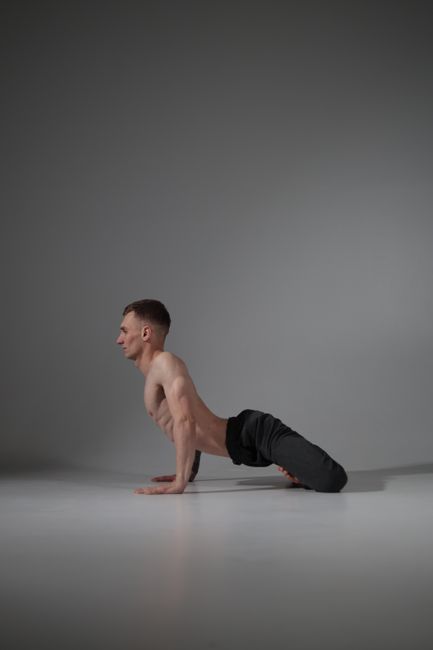
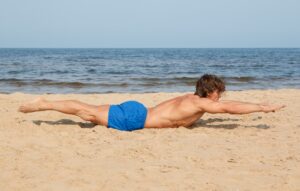
Side view of a man performing yoga in a studio, highlighting physical fitness and concentration.

Low cobra (baby cobra): the smaller range

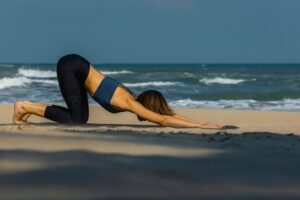
Low cobra, also called baby cobra, is the same pose with only a small lift. Lie on the belly with the hands under or just beside the shoulders, press the tops of the feet down and lift the head and upper chest just a few inches, using the back muscles while the hands rest lightly (you can even hover them off the floor for a moment to check). The elbows stay bent and close to the ribs, the neck stays long and the gaze is down or just ahead. Yoga Journal recommends baby cobra as a warm-up before upward-facing dog, and the Sivananda method includes a version with the hands lifted to test back strength. “Low cobra” and “baby cobra” are modern descriptive names, not separate Sanskrit postures. It is a good choice for beginners, for stiff backs and in flowing sequences where you meet cobra many times.

Preparation and what comes next

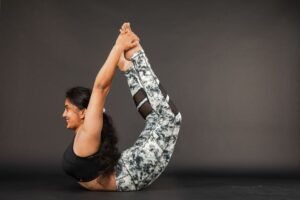
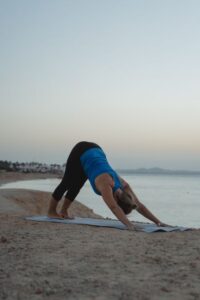
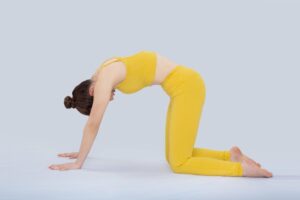
Warm the spine with cat-cow and sphinx pose. Cobra is often followed by locust and bow (the Sivananda order), or by upward-facing dog as your back opens. Afterwards, rest in child’s pose or push back to downward-facing dog.

Where it is taught

Cobra is the first backbend of the Sivananda twelve basic asanas, position seven of the 12-position sun salutation taught by the Bihar School, and part of hatha, Iyengar, vinyasa and the 26-posture hot yoga sequence. Ashtanga’s sun salutations use upward-facing dog instead.
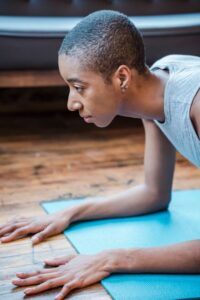
Preparatory poses

Follow-up poses and transitions

Counterposes

Related poses

Styles that use this pose

More backbend poses

Frequently asked questions

What is the difference between cobra and upward-facing dog?

In cobra the legs and pelvis stay on the floor and the arms may stay bent. In upward-facing dog the arms are straight and the thighs and knees lift off the floor, so only the hands and tops of the feet touch it.

What is baby cobra or low cobra?

The same pose with a small lift: chest a few inches off the floor, elbows bent, hands light. It is a good warm-up and a gentler choice for stiff backs.

How long should I hold cobra pose?

Light on Yoga suggests about 20 seconds, repeated two or three times; the Sivananda method holds it for 10 to 60 seconds.

Should cobra hurt my lower back?

No. If you feel pinching, lower the chest, widen the feet or switch to sphinx pose. With a back injury, check with a teacher or physiotherapist first.

Sources

  1. B.K.S. Iyengar, Light on Yoga: asana 31, Bhujangasana I, Plate 73, Internet Archive (Digital Library of India copy) (accessed October 6, 2026)
  2. Cobra (Bhujangasana): the 12 basic asanas, Sivananda Yoga Vedanta Centre London (accessed October 6, 2026)
  3. Cobra Pose (Bhujangasana), Yoga Journal (accessed October 6, 2026)
  4. Swami Satyananda Saraswati, Asana Pranayama Mudra Bandha: Bhujangasana, Bihar School of Yoga (copy hosted by hathajoga.lt) (accessed October 6, 2026)
  5. Upward-Facing Dog Pose (mentions Baby Cobra as a warm-up), Yoga Journal (accessed October 6, 2026)

Facts checked on October 6, 2026