Seated Forward Bend (Paschimottanasana): steps, props and safe folding

Seated forward bend (Paschimottanasana) folds the torso over straight legs to lengthen the whole back of the body. Bend the knees, sit on a blanket and use a strap until the hamstrings allow more.

Not yet reviewed by a qualified teacher Names and shape checked against 5 sources

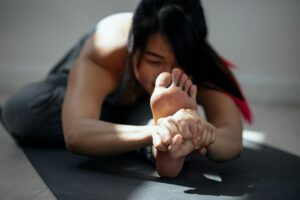
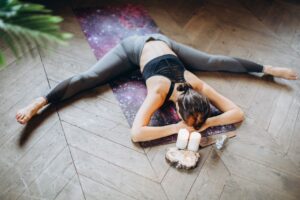
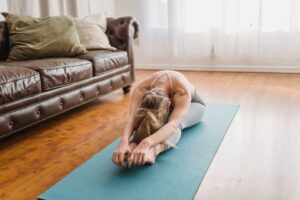
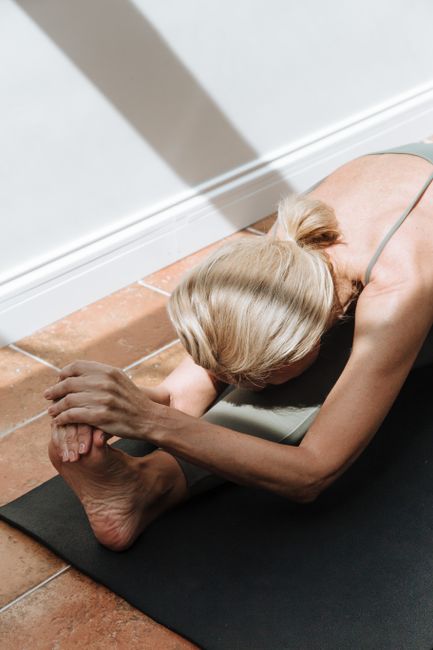
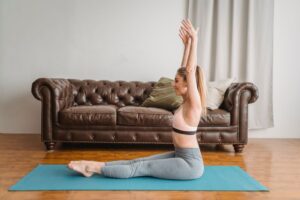
Woman performing a seated forward bend on a yoga mat, indoors in natural sunlight.
Sanskrit name
Paścimottānāsana पश्चिमोत्तानासन (source)
Also called
Seated Forward Fold, Sitting Forward Bend, Intense Stretch of the West, Paschima Tana (Hatha Yoga Pradipika)
Other spellings
Paschimottanasana, Pashchimottanasana, Paschimotanasana
Pose family
Forward bend, Seated
Starting position
Seated
Movement
Forward fold
Taught in
Hatha Yoga: The Historical Term and the Modern Class, Vinyasa Yoga: Flow, Breath and What to Expect
Difficulty
Beginner
Prerequisite skills
Sitting upright on the floor with legs straight (staff pose), with a blanket under the hips if needed. No hamstring flexibility is required for the bent-knee version.
Body areas
Hamstrings, Legs, Spine
Props
Blanket, Bolster, Chair, Mat, Strap
Practised
Solo

Names in different traditions

TraditionName usedNote
Sivananda Yoga Vedanta CentresPaschimottanasana (Sitting Forward Bend)Fifth of the 12 basic asanas; held about 30 seconds and repeated; followed by the inclined plane (Sivananda London, 12 basic asanas).
Ashtanga vinyasa (Pattabhi Jois lineage)Paścimottānāsana A–DHand positions A–D in the primary series; also taken after Urdhva Dhanurasana before the finishing sequence, five breaths or longer (AshtangaYoga.info, Ronald Steiner).
Hatha Yoga Pradipika (15th century)Paschima TanaHYP 1.28–29: legs stretched like a stick, toes held, forehead on the knees (Pancham Sinh translation, 1914).

Step by step

Coming into the pose

  1. Sit in staff pose with the legs straight in front of you. If the lower back rounds, sit on the edge of a folded blanket.
  2. Flex the feet so the toes point up and press the heels away. Bend the knees a little if the hamstrings are tight.
  3. Inhale and raise the arms beside the ears, lengthening the spine upward.

In the pose

  1. Exhale and hinge forward from the hips, keeping the spine long. Hold the outer edges of the feet, the ankles, the shins or a strap around the soles.
  2. With each inhalation lift and lengthen the chest slightly; with each exhalation fold a little further. Let the elbows bend out to the sides if you hold the feet.
  3. Keep the thighs firm and the knees and toes pointing up. Stay for five breaths to a minute or more, as long as the breath stays easy.

Coming out

  1. Release the hands, inhale and roll up slowly to sitting with a long spine. Follow with a gentle counterpose such as the inclined plane or upward plank.

Breathing

Inhale to lengthen the spine, exhale to fold. In the pose, breathe slowly through the nose; each exhalation is a chance to release a little further, never to force. Ashtanga practice counts five breaths; the Sivananda centres hold about 30 seconds and repeat.

Alignment cues

  • Fold from the hip joints; the pelvis tilts forward and the spine follows, rather than the lower back rounding first.
  • Reach the chest toward the feet, not the head toward the knees.
  • Firm the fronts of the thighs and keep the kneecaps and toes pointing up.
  • Feel the stretch in the middle of the hamstrings, not behind the knee or at the sitting bones.
  • Keep the shoulders away from the ears; if holding the feet, bend the elbows outward.

Common alignment errors

  • Pulling the body down with the arms, which rounds the back and compresses the chest.
  • Locking or hyperextending the knees.
  • Sitting behind the sitting bones so the lower back rounds before the fold starts.
  • Holding the breath or bouncing to go deeper.

Modifications and easier variations

  • Bend the knees as much as you need, with a rolled blanket under them, and lean forward with a long spine. blanket

Advanced variations

Props and chair adaptations

  • Loop a strap around the soles and hold it with straight arms; let the strap guide the chest forward. With sore wrists or hands, rest the hands in the loop instead of gripping. strap
  • Sit on the edge of a folded blanket so the pelvis can tilt forward. blanket
  • Supported version: rest the chest and head on a bolster or pillows on the thighs for a restful hold. bolster
  • Chair version: sit near the front of a chair, feet flat or heels on the floor with straight legs, and hinge forward from the hips with the hands on the thighs or shins. chair

Precautions

  • Disc problems, sciatica or a recent lower-back or hamstring injury: check with your doctor or physiotherapist first; keep the knees bent and the spine long, or skip the fold.
  • Do not pull or bounce into the fold.
  • Pregnancy: widen the legs to make room for the belly and fold only slightly.

Learn it with a teacher: Most people can learn the bent-knee and strap versions on their own. Ask a teacher to check your fold if you feel pain in the lower back, behind the knee or at the sitting bones.

General information, not medical advice. Poses do not cure illness. If you are pregnant, injured or have a health condition, check with your doctor and tell your teacher before you practise.

The yin yoga version

Yin yoga version: Caterpillar (Yin Yoga): the rounded seated forward fold

Caterpillar is the yin version of this shape: muscles relaxed, spine allowed to round, held for several minutes with props. Seated forward bend is usually practised actively with a long spine and engaged thighs.

In short: seated forward bend is the classic fold over two straight legs. You sit tall, hinge from the hips and let the whole back of the body lengthen toward your feet. It looks simple, but for most people with tight hamstrings it is a slow, patient pose: bend the knees, sit on a blanket and fold only as far as the spine stays long.

Seated forward bend appears in almost every school of yoga. It is one of the Sivananda 12 basic asanas, it closes the Ashtanga primary series as the counterpose to the deep backbend before the finishing sequence, and in Iyengar-style classes it is often held for a long time with props. Below we explain the name, the cues that make the fold work, the precautions and where it sits in a practice.

What the name means

The Sanskrit name is Paścimottānāsana (often written Paschimottanasana or Pashchimottanasana). It joins paścima (west, back or behind), uttāna (stretched out, extended) and āsana (seat or posture; see what asana means). In older teaching the front of the body faces east and the back faces west, so the name is often translated as “intense stretch of the west”, that is, of the back body. The pose is old: the Hatha Yoga Pradipika, the 15th-century manual of hatha yoga, describes sitting with the legs stretched out like a stick, holding the toes and resting the forehead on the knees. The text also makes large claims for it (that it kindles the digestive fire and cures diseases); those are the text’s own claims, not medical facts.

Making the fold work

The fold should come from the hip joints, not from rounding the lower back. Tight hamstrings tilt the pelvis backward, and then the only way to “go down” is to curl the spine. Two simple fixes help almost everyone: sit on the edge of a folded blanket so the pelvis can tilt forward, and bend the knees as much as you need, even with a rolled blanket under them. If you cannot reach your feet, loop a strap around the soles and hold it with straight arms, as Yoga Journal suggests; the Sivananda centres say to hold the ankles, shins or knees instead of straining for the toes.

Use the breath. Inhale to lift and lengthen the chest, exhale to fold a little further. Firm the fronts of the thighs (the quadriceps) and press the backs of the legs gently down; this keeps the knees safe and many teachers find it lets the hamstrings release. Aim the chest toward the feet rather than the head toward the knees. Feel the stretch in the belly of the hamstrings, not at the back of the knee or high at the sitting bones, and stop at a stretch, never a strain.

How long to stay depends on the tradition. Ashtanga practitioners take five breaths (many stay longer at this point of the series), the Sivananda centres hold about 30 seconds and repeat, and Yoga Journal’s instructions suggest one to three minutes. For a restful version, rest the chest on a bolster or a few pillows on your lap; this supported fold is a good option at the end of the day.
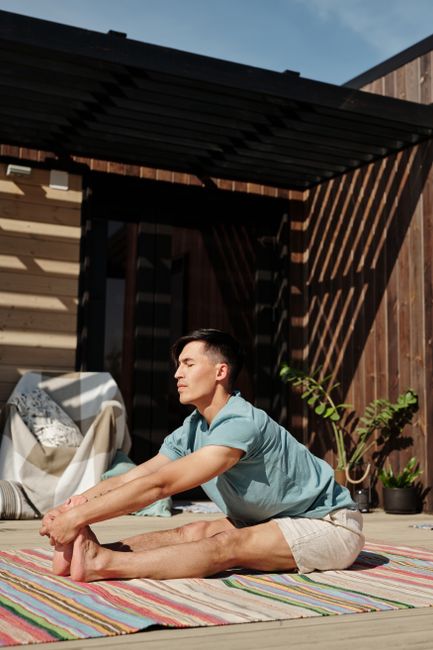
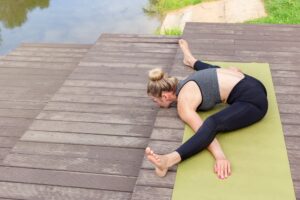
Man practicing yoga on porch, enjoying a peaceful outdoor routine in the sunshine.

Precautions in plain words

Forward folds load the lower back and the hamstring attachments. If you have a disc problem, sciatica or a recent hamstring injury, ask your doctor or physiotherapist before folding, and keep the spine long with bent knees or skip the fold. Do not pull yourself down with the arms. Pregnant students usually widen the legs to make room for the belly and fold only a little. This page is general information, not individual advice.

Preparation and what comes next

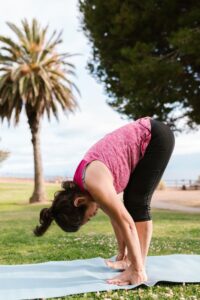
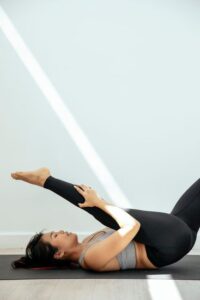
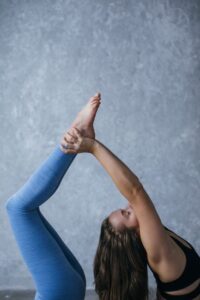
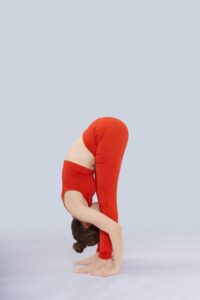
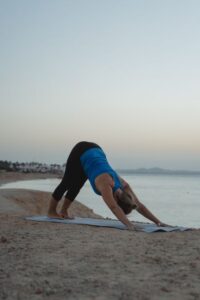
Warm the backs of the legs first: downward-facing dog, a standing forward bend with bent knees and reclining hand-to-big-toe pose are all good preparation. Staff pose is the starting shape. Afterwards, the Sivananda sequence follows the fold with the inclined plane, a shape very like upward plank, which opens the front of the body. One-legged folds such as head-to-knee pose are a gentler way into the same stretch, and the yin version, caterpillar, is held passively for minutes.

You will meet seated forward bend in hatha, Ashtanga, Iyengar and vinyasa classes, usually near the end, when the body is warm. A slow fold with long exhalations pairs well with diaphragmatic breathing.
Preparatory poses

Follow-up poses and transitions

Counterposes

Related poses

More forward bend poses

Frequently asked questions

What is seated forward bend called in Sanskrit?

Paścimottānāsana, usually written Paschimottanasana. Paścima means west or back, uttāna means stretched out, so the name is often translated as intense stretch of the west, meaning the back of the body.

I can’t touch my toes. Should I still do it?

Yes. Bend your knees, sit on a folded blanket and use a strap around the feet. The aim is a long spine and an even stretch, not reaching the toes.

How long should I hold seated forward bend?

It depends on the tradition: five breaths in Ashtanga, about 30 seconds repeated in Sivananda classes, and one to three minutes in Yoga Journal’s instructions. Stay only while the breath is easy.

Is seated forward bend safe for back problems?

Forward folds load the lower back. With a disc problem or sciatica, ask your doctor or physiotherapist first, keep the knees bent and the spine long, or skip the fold.

Sources

  1. Seated Forward Bend: How to Practice Paschimottanasana, Yoga Journal (accessed October 6, 2026)
  2. Sitting Forward Bend (Paschimottanasana), the 12 basic asanas, Sivananda Yoga Vedanta Centre London (accessed October 6, 2026)
  3. Paścimottānāsana (primary series), AshtangaYoga.info (Dr. Ronald Steiner) (accessed October 6, 2026)
  4. Hatha Yoga Pradipika, translated by Pancham Sinh (1914), 1.28–29 Paschima Tana, Internet Archive (accessed October 6, 2026)
  5. Paschimottanasana (pointer only), Wikipedia (accessed October 6, 2026)

Facts checked on October 6, 2026