In short: this is our directory of yoga poses (asanas), each with step-by-step instructions, alignment cues, modifications, cautions and, where one is established, its Sanskrit name. Every pose page shows whether its names and instructions have been checked against two sources and whether a qualified teacher has reviewed it. Start with a handful of foundation poses, practice them in a short sequence, and add new poses one at a time. Use the filters below to find poses by family, level, body area or props.
Whether you are stepping onto a mat for the first time or you have practiced for years and want to refine a pose, the guides here are written to be clear for beginners and accurate enough for experienced practitioners. Every pose has one page, under its most common English name, with the Sanskrit name and other spellings listed so you can find it however you search. Nothing here is a treatment for any condition: poses are movement practices, and the guides tell you when to adapt one or check with a doctor first.
Poses, families, sequences and series
Four words organize this library, and it helps to keep them apart:
- An asana is one posture. Triangle pose or downward dog is a single shape you come into, hold and leave. Each asana has one page here, with its other names and spellings listed on it.
- A pose family groups related postures. Standing poses, forward bends, twists or arm balances share a basic shape or action. A pose can belong to several families. See poses by family.
- A sequence arranges postures in an order. The sun salutation is a sequence, not an individual pose: it links several poses with the breath. Some sequences have a traditional order, others are newly designed flows, and each page says which. See sequences and flows.
- A practice series is an established, larger practice within one tradition, such as the Ashtanga primary series or the Sivananda 12 basic postures. See traditional practice series.
No list of yoga poses is complete. There is no universally agreed catalogue of every yoga pose: traditions name, spell and shape postures differently, teachers keep creating variations, and the same name sometimes describes two different poses. This library is built to grow. It covers the postures taught across the major traditions, keeps one page per pose, separates established poses from named variations, supported adaptations and modern descriptive names, and says so when a name differs between schools. It does not claim to include every pose ever created.
Ways to browse
- Yoga poses A to Z (English names) and Sanskrit pose names A to Z
- By pose family, by difficulty and by tradition
- Props, chair and wall adaptations
- A beginner learning pathway, step by step
- Sanskrit words in pose names (ardha, parivrtta, supta…)
Start here: three steps
- Learn a few foundations. Our list of beginner yoga poses picks the ones to learn first. Start with mountain pose, cat-cow and downward dog.
- Put them in a sequence. A short plan is easier to repeat than a list of poses. Try the step-by-step sun salutation or browse all practice plans by length and level.
- Add one pose at a time. Use the directory below to pick a new pose, read its guide, and use props where it suggests them. Our guide to yoga blocks explains the most useful one.
Yoga poses for beginners: a starter set
These eight poses cover the main movements of the spine, standing balance, gentle strength and rest, and they appear in most beginner classes.
| Pose | Family | Why start here |
|---|---|---|
| Mountain pose | Standing | The base for every standing pose: how to stand evenly and tall |
| Cat-cow | Kneeling | A gentle warm-up that moves the spine with the breath |
| Downward dog | Standing, mild inversion | Appears in almost every flowing class; bend the knees freely |
| Cobra pose | Prone backbend | A small, controllable backbend |
| Bridge pose | Supine backbend | Works the back of the legs with the head and shoulders supported |
| Tree pose | Standing balance | Balance practice you can do near a wall |
| Triangle pose | Standing | Teaches alignment of the legs and side body |
| Corpse pose | Resting | The rest at the end of practice |
Once these feel familiar, guides such as pigeon pose, chaturanga and crow pose show how to build toward more demanding shapes in stages. Some poses, like lotus and headstand, are best left until you have practiced for a while, ideally with a teacher.
How the pose directory is organized
Each pose is tagged so you can narrow the directory with the filters below:
- Family: standing, seated, supine (on the back), prone (on the belly), kneeling, balancing, forward bends, backbends, twists, side bends, inversions, arm balances, and resting and restorative poses. A pose can belong to more than one family.
- Level: beginner, intermediate or advanced. Level describes the full pose; most guides include an easier version.
- Body area: where you are likely to feel the pose, from feet and ankles to neck.
- Movement: forward fold, backbend, twist, side bend, hip opening, balance, strength hold, inversion or rest.
- Props: none, mat, block, strap, bolster, blanket, chair or wall.
- Starting position: standing, seated, kneeling, reclining (on the back), prone (on the belly) or hands-supported.
- Tradition or style: the styles that teach the pose, such as Ashtanga, Iyengar, Sivananda or yin.
- Record: established pose, named variation, supported adaptation, modern descriptive name or yin pose.
- Solo or partner: almost all poses here are for one person.
What “asana” means
The Sanskrit word āsana first means sitting or a seat, and by extension a posture; the Monier-Williams dictionary notes postures held by devotees, counted as five in some sources and 84 in others. Our glossary entry on asana goes further. In Patanjali’s Yoga Sutras, posture is the third of the eight limbs of yoga, and sutra 2.46 describes it in Charles Johnston’s 1912 translation as “firm and without strain.” The Hatha Yoga Pradipika, a 15th-century manual, says Shiva taught 84 postures and describes 15 of them, most of them seated. Many poses taught today, including downward dog and chaturanga, are not among them: yoga historians such as Mark Singleton have traced how modern posture practice took shape in the early 20th century, drawing on several influences. Our guide to the history of yoga tells that story, and our guide to the Yoga Sutras covers the text itself.
How to read a pose guide
Every guide follows the same order, so you always know where to look:
- At a glance: English and Sanskrit names, family, level, body areas, movement and props.
- Step by step: numbered instructions from the starting position to coming out.
- Alignment cues: the few details that make the biggest difference.
- Modifications and props: easier, supported or chair versions.
- Common mistakes and cautions: what to avoid and who should adapt or skip the pose.
- The background: what the Sanskrit name means, how old the pose is and the reasoning behind the cues.
- Preparation, counterposes and next poses: linked at the end of each guide.
How we check Sanskrit names. We give the name in IAST (the standard scholarly transliteration, with marks such as ā and ś) and in Devanagari script only when we can confirm them in a reliable source, such as the Monier-Williams Sanskrit-English Dictionary or a translated classical text, and we record that source on the page. Many pose names are modern, and a few cannot be traced with confidence; in those cases we say so instead of guessing. Cat-cow is one example. Pages whose names and instructions are not yet confirmed by two sources are marked “Needs verification”, and every page says whether a qualified teacher has reviewed it.
Practicing yoga poses safely
The US National Center for Complementary and Integrative Health describes yoga as generally safe for healthy people when practiced properly under a qualified instructor. Injuries do happen, most often sprains and strains, and the knee and lower leg are the areas most commonly hurt. NCCIH advises newcomers to avoid extreme practices such as headstands, shoulder stands, the lotus position and forceful breathing, and notes that older adults may need to take particular care. A few simple habits help:
- Warm up before deeper poses, and come out of any pose that causes sharp pain, numbness or tingling.
- Use props freely; they are tools, not a sign of weakness.
- Learn from a qualified teacher when you can, and tell them about injuries or health conditions.
- If you are pregnant, have a health condition or are recovering from an injury, check with your doctor first. See prenatal yoga, yoga for older adults and yoga and back pain.
Poses, styles, breath and travel
The same pose feels different in different classes: held for a few breaths in vinyasa, held for minutes with props in yin yoga, or fully supported in restorative yoga. Compare them in our guide to types of yoga. Poses also go hand in hand with the breath; our breathing exercises hub starts with simple practices you can use on the mat. And if you would like to practice with a teacher every day for a week, our guide to yoga retreats and our yoga destinations are the place to start planning.
Browse the pose directory
Use the filters below to browse every pose guide by family, starting position, movement, difficulty, tradition and props, or search any English or Sanskrit name in any spelling. The A to Z list shows everything on one page.
168 of 168 poses
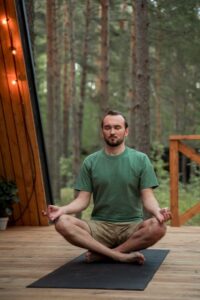 Accomplished PoseSiddhāsanaIntermediate
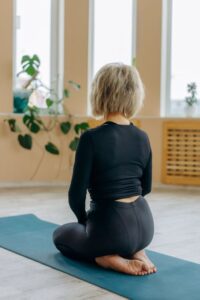 Ankle Stretch (Yin)Beginner Yin yoga pose
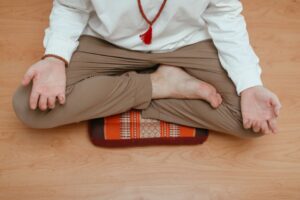 Auspicious PoseSvastikāsanaIntermediate
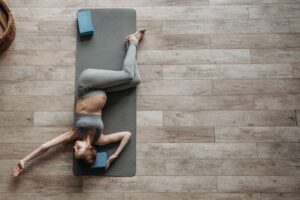 Banana (Yin)Beginner Yin yoga pose
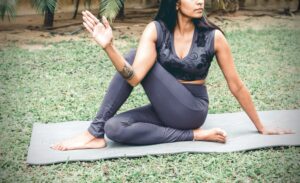 Bharadvaja’s TwistBharadvājāsanaBeginner
 Big Toe PosePādāṅguṣṭhāsanaIntermediate
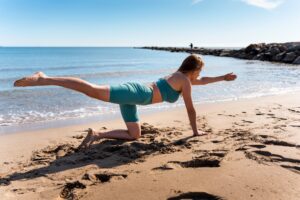 Bird DogBeginner Modern nameBird of ParadiseAdvanced Modern name
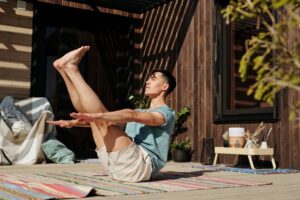 Boat PoseParipūrṇa NāvāsanaIntermediate
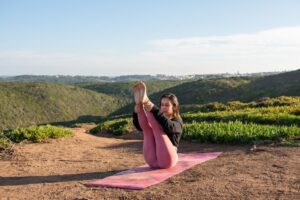 Both Big Toes PoseUbhaya PādāṅguṣṭhāsanaIntermediate Both Legs Behind the HeadDvi Pāda ŚīrṣāsanaAdvanced
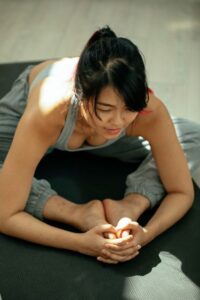 Bound Angle PoseBaddha KoṇāsanaBeginner Bound LotusBaddha PadmāsanaAdvanced
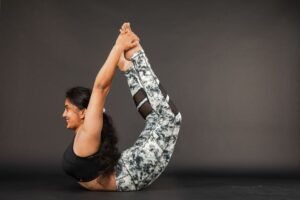 Bow PoseDhanurāsanaIntermediate
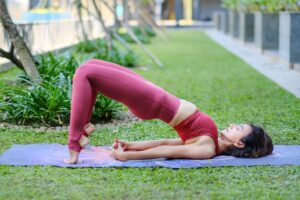 Bridge PoseSetu Bandha SarvāṅgāsanaBeginner
 Butterfly (Yin)Beginner Yin yoga pose
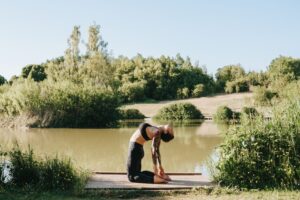 Camel PoseUṣṭrāsanaIntermediate
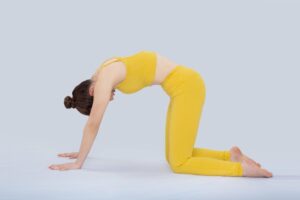 Cat-CowMarjaryasana-BitilasanaBeginner
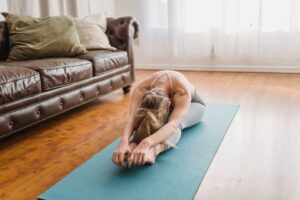 Caterpillar (Yin)Beginner Yin yoga pose
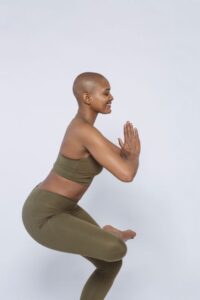 Chair PoseUtkaṭāsanaBeginner
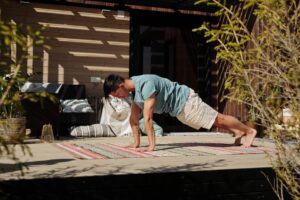 ChaturangaCaturaṅga DaṇḍāsanaIntermediate
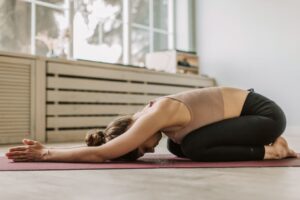 Child's PoseBālāsanaBeginner
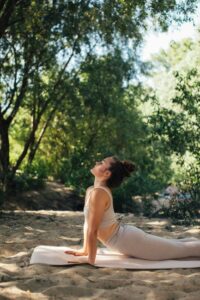 Cobra PoseBhujaṅgāsanaBeginner
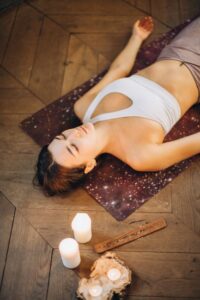 Corpse PoseŚavāsanaBeginner
 Cow Face PoseGomukhāsanaIntermediate
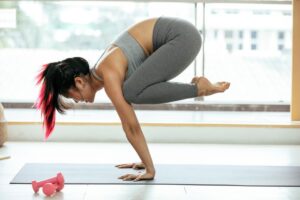 Crane PoseBakāsanaAdvanced Crocodile PoseMakarāsanaBeginner
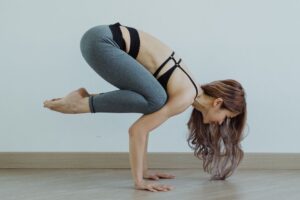 Crow PoseKākāsanaIntermediate
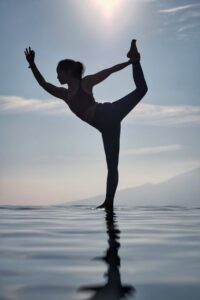 Dancer PoseNaṭarājāsanaIntermediate
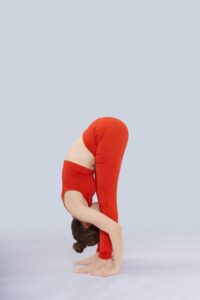 Dangling (Yin)Beginner Yin yoga pose
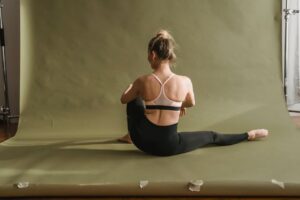 Deer (Yin)Beginner Yin yoga pose
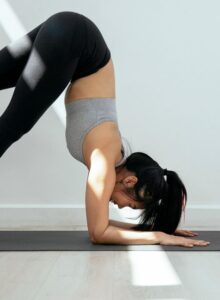 Dolphin PoseIntermediate Modern name
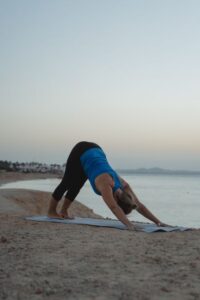 Downward DogAdho Mukha ŚvānāsanaBeginner
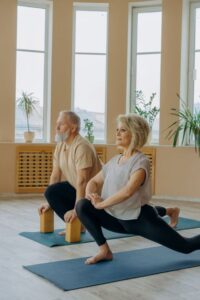 Dragon (Yin)Beginner Yin yoga pose
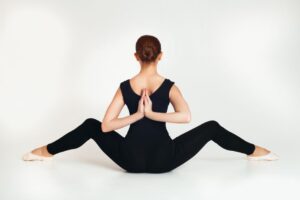 Dragonfly (Yin)Beginner Yin yoga pose
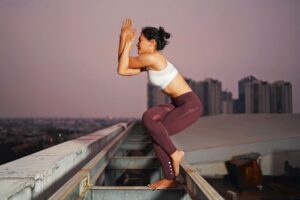 Eagle PoseGaruḍāsanaIntermediate Ear Pressure PoseKarṇapīḍāsanaAdvanced
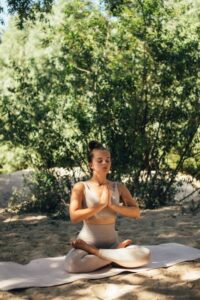 Easy PoseSukhāsanaBeginner
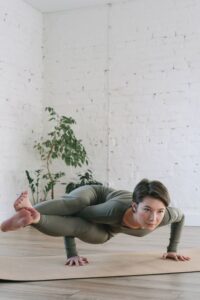 Eight-Angle PoseAṣṭāvakrāsanaAdvanced
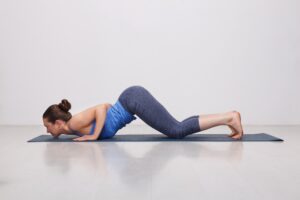 Eight-Point SaluteAṣṭāṅga NamaskāraBeginner Embryo in the WombGarbha PiṇḍāsanaAdvanced
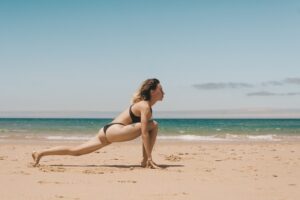 Equestrian PoseAśva SañcalanāsanaBeginner
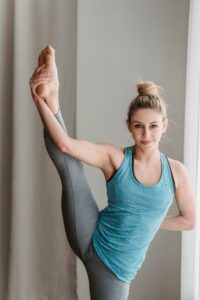 Extended Hand-to-Big-Toe PoseUtthita Hasta PādāṅguṣṭhāsanaIntermediate
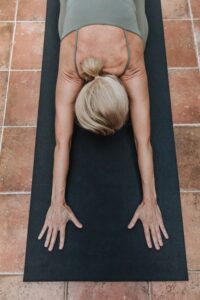 Extended Puppy PoseBeginner Modern name
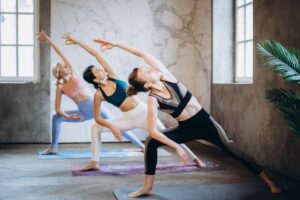 Extended Side AngleUtthita PārśvakoṇāsanaBeginner Fire Log PoseAgnistambhāsanaIntermediate
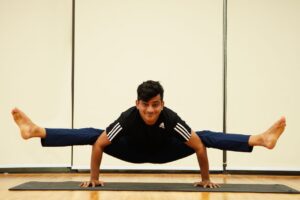 Firefly PoseṬiṭṭibhāsanaAdvanced
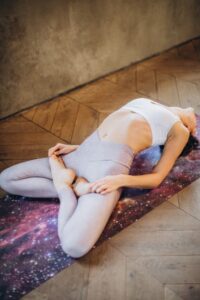 Fish PoseMatsyāsanaIntermediate
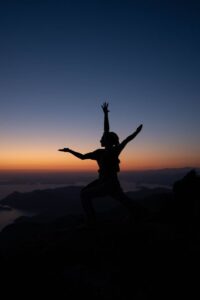 Five-Pointed StarBeginner Modern nameFlying PigeonEka Pāda GālavāsanaAdvanced
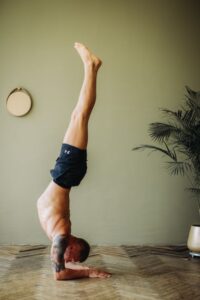 Forearm StandPiñcha MayūrāsanaAdvanced Frog (Yin)Intermediate Yin yoga poseFrog Pose (Bhekasana)BhekāsanaAdvanced Full Lord of the FishesMatsyendrāsanaAdvanced
 Garland PoseMālāsanaBeginner
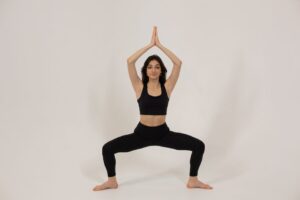 Goddess PoseBeginner Modern name
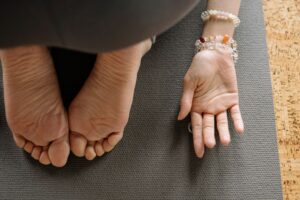 Gracious PoseBhadrāsanaBeginner
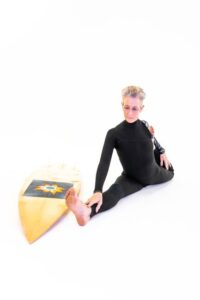 Half Butterfly (Yin)Beginner Yin yoga pose
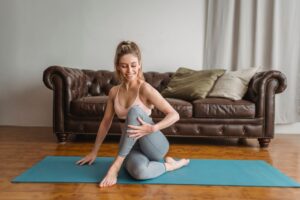 Half Lord of the FishesArdha MatsyendrāsanaBeginner, Intermediate
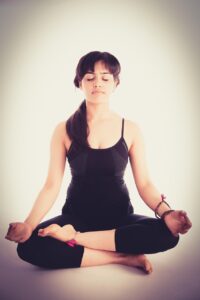 Half LotusArdha PadmāsanaIntermediate
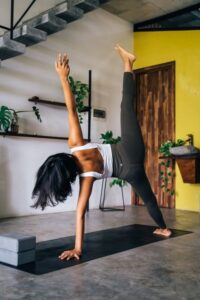 Half Moon PoseArdha CandrāsanaIntermediate Half SplitBeginner Modern name
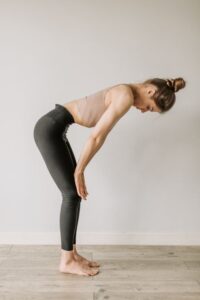 Half Standing Forward FoldArdha UttānāsanaBeginner Half-Bound Lotus Seated Forward BendArdha Baddha Padma PaścimottānāsanaAdvanced Half-Bound Lotus Standing Forward BendArdha Baddha PadmottānāsanaAdvanced
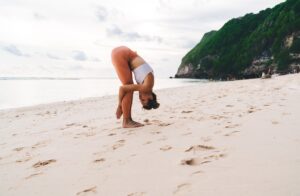 Hands Under Feet PosePādahastāsanaIntermediate
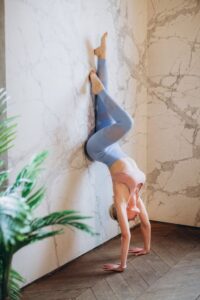 HandstandAdho Mukha VṛkṣāsanaAdvanced
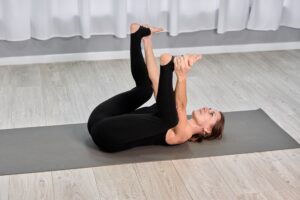 Happy Baby PoseĀnanda BālāsanaBeginner
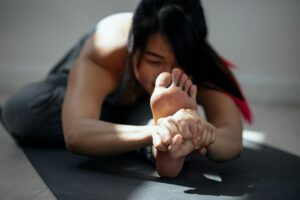 Head-to-Knee PoseJānu ŚīrṣāsanaBeginner
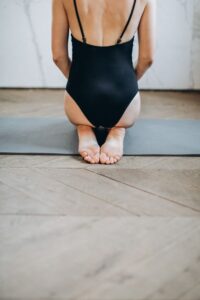 Hero PoseVīrāsanaIntermediate
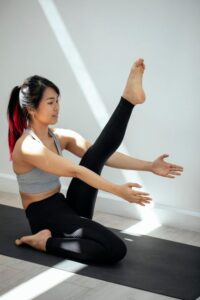 Heron PoseKrauñcāsanaIntermediate
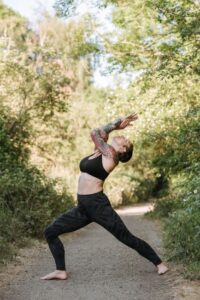 High LungeIntermediate Modern name
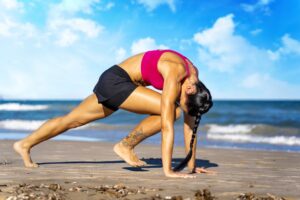 Humble WarriorIntermediate Modern nameKapotasanaKapotāsanaAdvanced
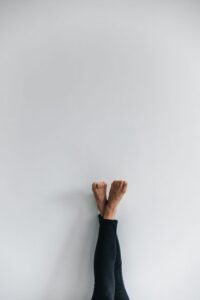 Legs Up the WallBeginner Supported adaptationLion PoseSiṃhāsanaBeginner
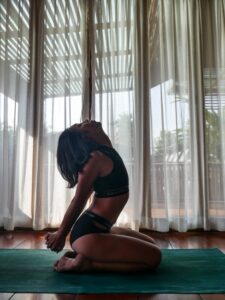 Little ThunderboltLaghu VajrāsanaAdvanced
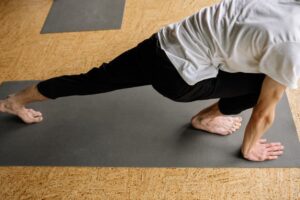 Lizard PoseIntermediate Modern name
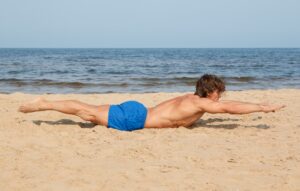 Locust PoseŚalabhāsanaBeginner
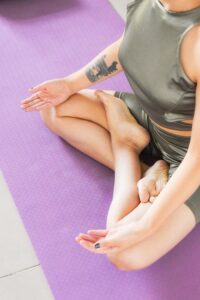 Lotus PosePadmāsanaAdvanced
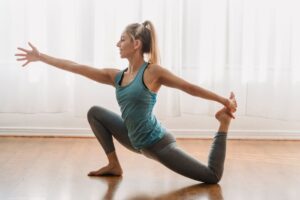 Low LungeĀñjaneyāsanaBeginner Marichi’s Pose (A and B)Marīcyāsana AIntermediate
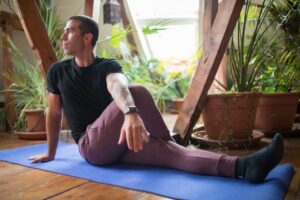 Marichi’s Twist (C and D)Marīcyāsana CIntermediate
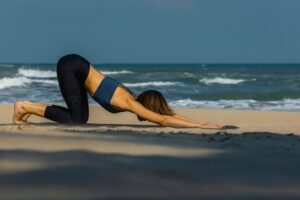 Melting Heart (Yin)Beginner Yin yoga pose
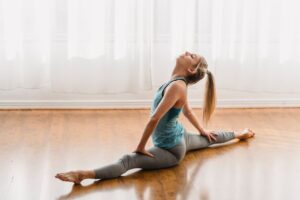 Monkey Pose (Full Split)HanumānāsanaAdvanced
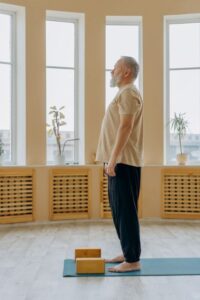 Mountain PoseTāḍāsanaBeginner
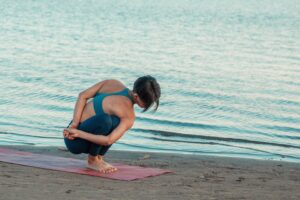 Noose PosePāśāsanaAdvanced
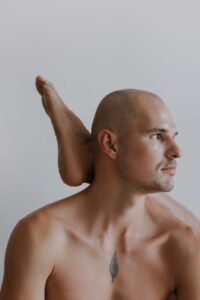 One Leg Behind the HeadEka Pāda ŚīrṣāsanaAdvanced
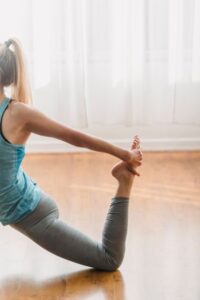 One-Legged King PigeonEka Pāda RājakapotāsanaAdvanced
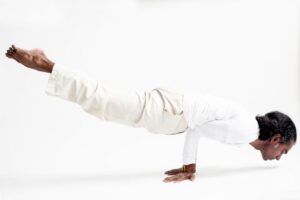 Peacock PoseMayūrāsanaAdvanced Pendant PoseLolāsanaAdvanced
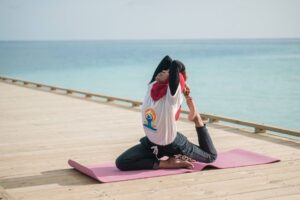 Pigeon PoseEka Pāda RājakapotāsanaIntermediate
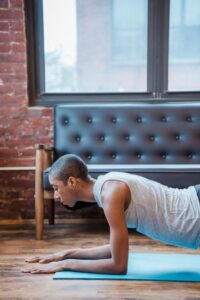 Plank PoseBeginner Modern name
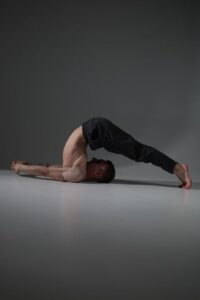 Plow PoseHalāsanaIntermediate
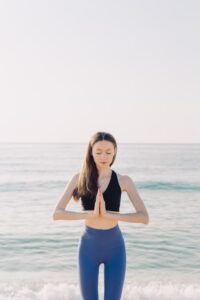 Prayer PosePraṇāmāsanaBeginner
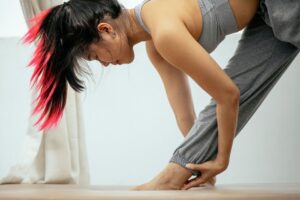 Pyramid PosePārśvottānāsanaBeginner
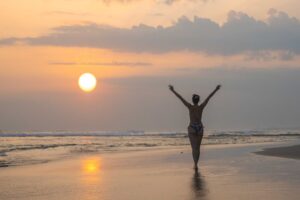 Raised Arms with BackbendHasta UttānāsanaBeginner
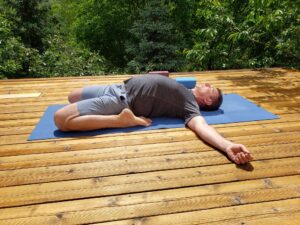 Reclining Bound AngleSupta Baddha KoṇāsanaBeginner
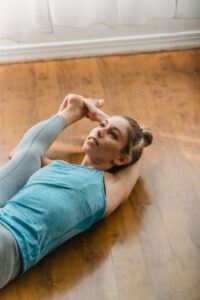 Reclining Figure FourBeginner Modern name
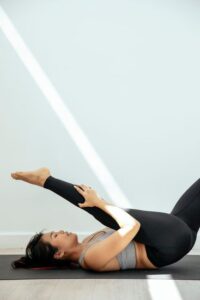 Reclining Hand-to-Big-Toe PoseSupta PādāṅguṣṭhāsanaBeginner
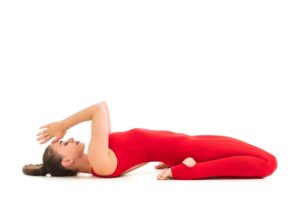 Reclining HeroSupta VīrāsanaIntermediate
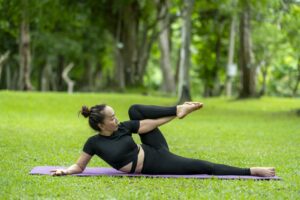 Reclining Spinal TwistBeginner Modern nameReclining TortoiseSupta KūrmāsanaAdvanced
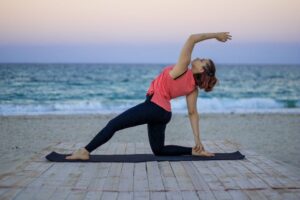 Reverse WarriorBeginner Modern name
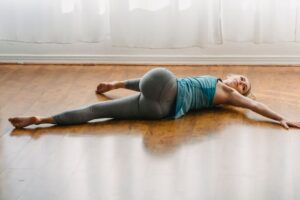 Revolved Abdomen PoseJaṭhara ParivartanāsanaIntermediate
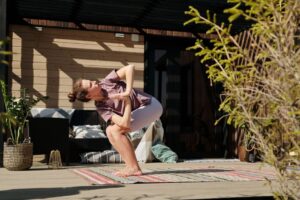 Revolved Chair PoseParivṛtta UtkaṭāsanaIntermediate
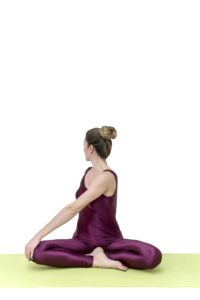 Revolved Easy SeatBeginner Modern nameRevolved Half MoonParivṛtta Ardha CandrāsanaIntermediate
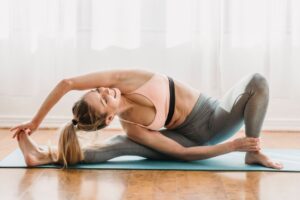 Revolved Head-to-Knee PoseParivṛtta Jānu ŚīrṣāsanaIntermediate
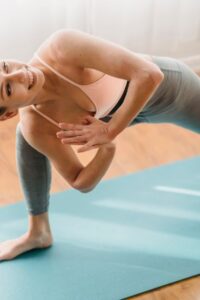 Revolved LungeIntermediate Modern name
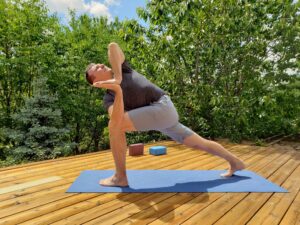 Revolved Side AngleParivṛtta PārśvakoṇāsanaIntermediate Revolved TriangleParivṛtta TrikoṇāsanaIntermediate
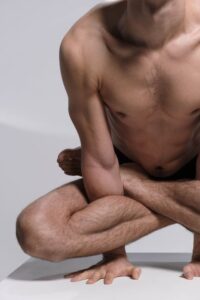 Rooster PoseKukkuṭāsanaAdvanced Saddle (Yin)Intermediate Yin yoga pose
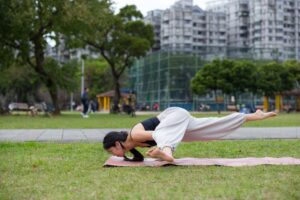 Sage Koundinya’s PoseEka Pāda Kauṇḍinyāsana IAdvanced Sage Visvamitra’s PoseViśvāmitrāsanaAdvanced Scale PoseTolāsanaAdvanced
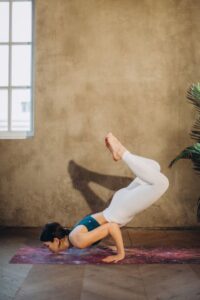 Scorpion PoseVṛścikāsanaAdvanced
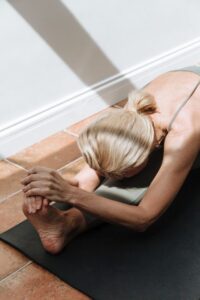 Seated Forward BendPaścimottānāsanaBeginner
 Seated Wide-Angle Forward BendUpaviṣṭha KoṇāsanaIntermediate Shoelace (Yin)Intermediate Yin yoga poseShoulder-Pressing PoseBhujapīḍāsanaAdvanced
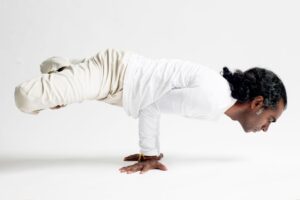 Side Crow PosePārśva BakāsanaAdvanced
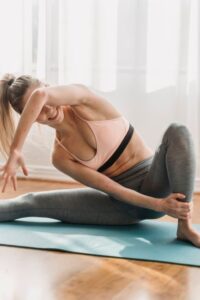 Side LungeSkandāsanaIntermediate
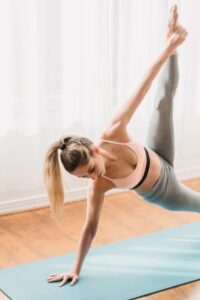 Side PlankVasiṣṭhāsanaIntermediate
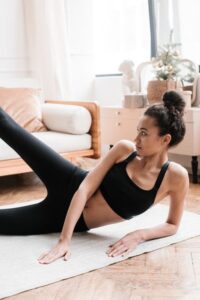 Side-Reclining Leg LiftAnantāsanaIntermediate
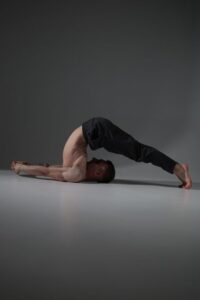 Snail (Yin)Intermediate Yin yoga pose
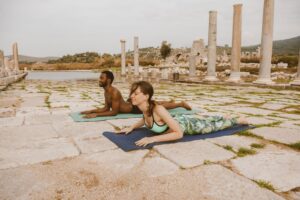 Sphinx (Yin)Beginner Yin yoga pose
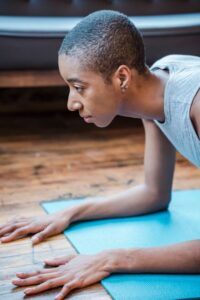 Sphinx PoseBeginner Modern nameSquare (Yin)Intermediate Yin yoga pose
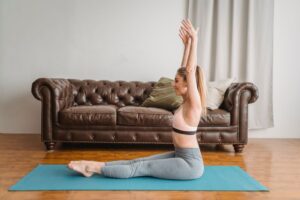 Staff PoseDaṇḍāsanaBeginner Standing Figure FourIntermediate Modern name
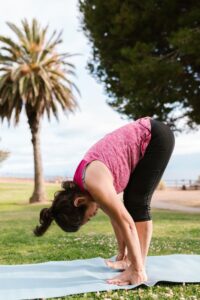 Standing Forward FoldUttānāsanaBeginner
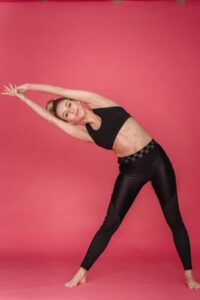 Standing Side BendBeginner Modern name
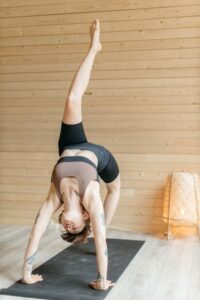 Standing SplitŪrdhva Prasārita EkapādāsanaIntermediate
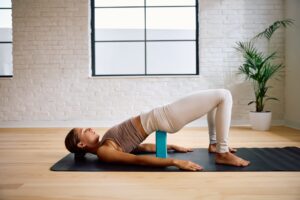 Supported BridgeBeginner Supported adaptation
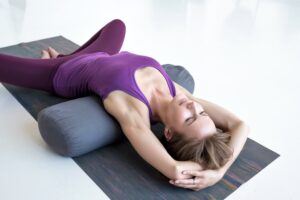 Supported FishBeginner Supported adaptation
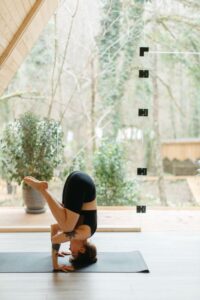 Supported HeadstandSālamba ŚīrṣāsanaAdvanced
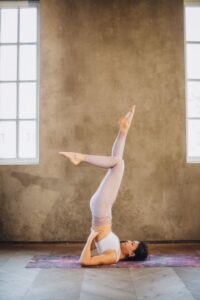 Supported ShoulderstandSālamba SarvāṅgāsanaAdvanced
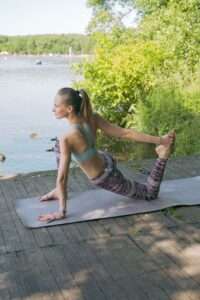 Swan (Yin)Intermediate Yin yoga pose
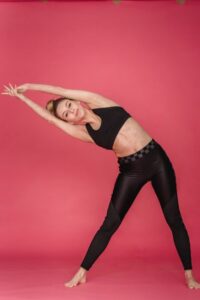 Swaying Palm TreeTiryaka TāḍāsanaBeginner
 TabletopBeginner Modern name
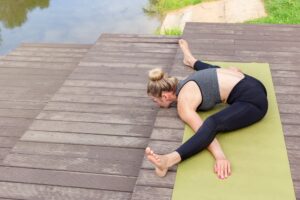 Three-Limbed Forward BendTriaṅga Mukhaikapāda PaścimottānāsanaIntermediate
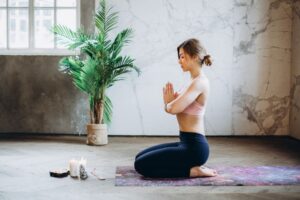 Thunderbolt PoseVajrāsanaBeginner
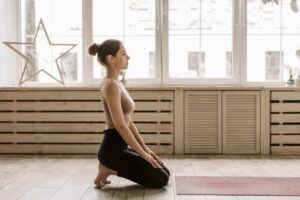 Toe Squat (Yin)Beginner Yin yoga poseToe StandAdvanced Modern nameTortoise PoseKūrmāsanaAdvanced
 Tree PoseVṛkṣāsanaBeginner
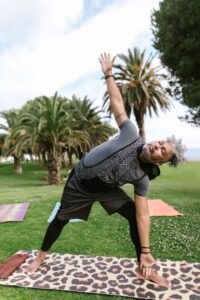 Triangle PoseUtthita TrikoṇāsanaBeginner
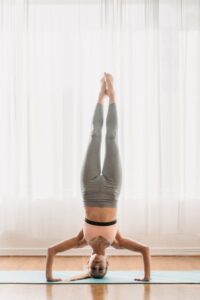 Tripod HeadstandSālamba Śīrṣāsana IIAdvanced
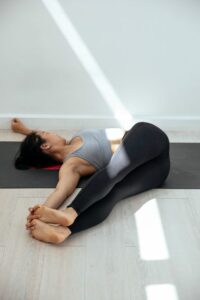 Twisted Roots (Yin)Beginner Yin yoga pose
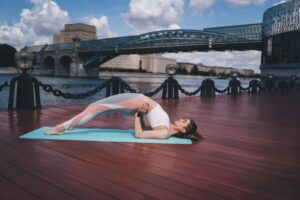 Two-Legged Inverted StaffDvi Pāda Viparīta DaṇḍāsanaAdvanced Upward Extended LegsŪrdhva Prasārita PādāsanaIntermediate
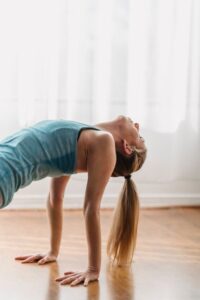 Upward PlankPūrvottānāsanaIntermediate
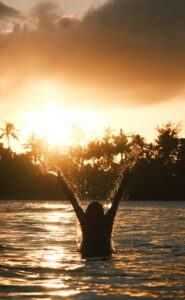 Upward SaluteŪrdhva HastāsanaBeginner
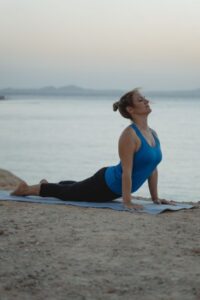 Upward-Facing DogŪrdhva Mukha ŚvānāsanaIntermediate
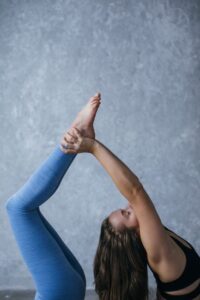 Upward-Facing Intense StretchŪrdhva Mukha PaścimottānāsanaIntermediate
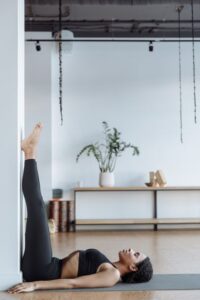 Viparita KaraniViparīta KaraṇīIntermediate
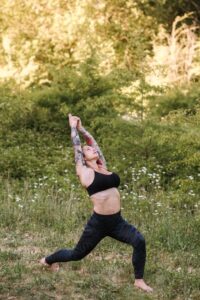 Warrior IVīrabhadrāsana IBeginner
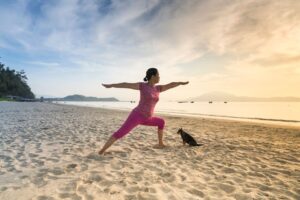 Warrior IIVīrabhadrāsana IIBeginner
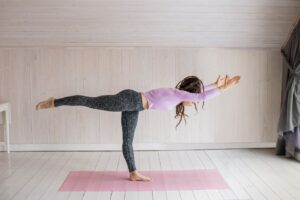 Warrior IIIVīrabhadrāsana IIIIntermediate
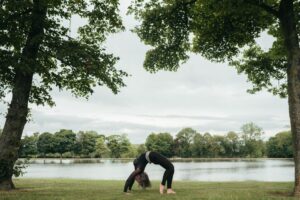 Wheel PoseŪrdhva DhanurāsanaAdvanced Wide-Knee FrogIntermediate Modern name
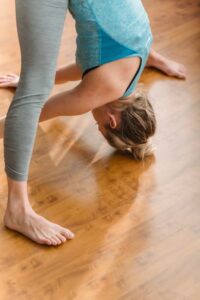 Wide-Legged Forward FoldPrasārita PādottānāsanaBeginner
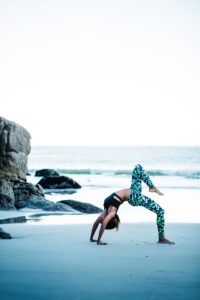 Wild ThingIntermediate Modern name
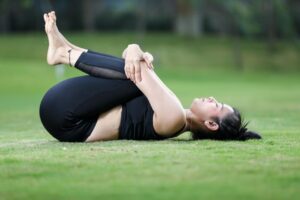 Wind-Relieving PosePavanamuktāsanaBeginner Yoga Seal PoseYoga MudrāsanaAdvanced Yoga Sleep Pose (Yoganidrasana)YoganidrāsanaAdvanced
No pose matches all of these filters. Try fewer filters.
Frequently asked questions
How many yoga poses are there?
There is no fixed number. The Hatha Yoga Pradipika, a 15th-century text, says Shiva taught 84 postures and describes 15 of them. Modern books and styles teach many more, and new variations keep appearing. You only need a small set of foundations to practice well.
What are the best yoga poses for beginners?
Good first poses include mountain pose, cat-cow, downward dog with bent knees, cobra, bridge, tree, triangle and corpse pose. Our list of beginner yoga poses explains each choice and gives a short starter flow.
Do I need to learn the Sanskrit names?
No. The English names are fine, and many teachers use them. Knowing a few Sanskrit names helps in classes that use them and when reading about yoga. Each guide gives both where a Sanskrit name is established, and says when a pose has only a modern English name.
Is this a complete list of all yoga poses?
No list can be. There is no universally agreed catalogue of yoga poses: names, spellings and shapes differ between traditions, and new variations keep appearing. Our library covers the postures taught across the major traditions, one page per pose, and keeps growing.
Is the sun salutation a pose?
No. The sun salutation (Surya Namaskar) is a sequence: several poses linked in a set order with the breath. It has its own page among our sequences and flows, and each pose in it links to its own guide.
What does asana mean?
Āsana is Sanskrit for a seat or sitting, and by extension a posture. In Patanjali's Yoga Sutras it is the third of the eight limbs of yoga, described as steady and without strain.
How long should I hold a yoga pose?
It depends on the style and the pose. Flowing classes often hold poses for about five breaths; yin yoga holds supported shapes for several minutes. While learning, hold only as long as you can keep good form and an easy breath.
Are yoga poses safe for everyone?
Yoga is generally considered safe for healthy people under a qualified teacher, but some poses are not suitable for everyone. Beginners should avoid extreme poses such as headstand and lotus, and anyone who is pregnant or has a health condition should check with a doctor first.
Sources
- Yoga: What You Need To Know, National Center for Complementary and Integrative Health (NIH) (accessed October 6, 2026)
- Monier-Williams Sanskrit-English Dictionary: āsana (p. 159), Cologne Digital Sanskrit Dictionaries, University of Cologne (accessed October 6, 2026)
- Hatha Yoga Pradipika, translated by Pancham Sinh (1914), chapter 1 on asanas, Internet Archive (accessed October 6, 2026)
- The Yoga Sutras of Patanjali, translated by Charles Johnston (1912), sutras 2.29 and 2.46, Project Gutenberg (accessed October 6, 2026)
- The Origins of Yoga: Ancient + Modern Philosophies of the Practice, by Mark Singleton, Yoga Journal (accessed October 6, 2026)
Facts checked on October 6, 2026